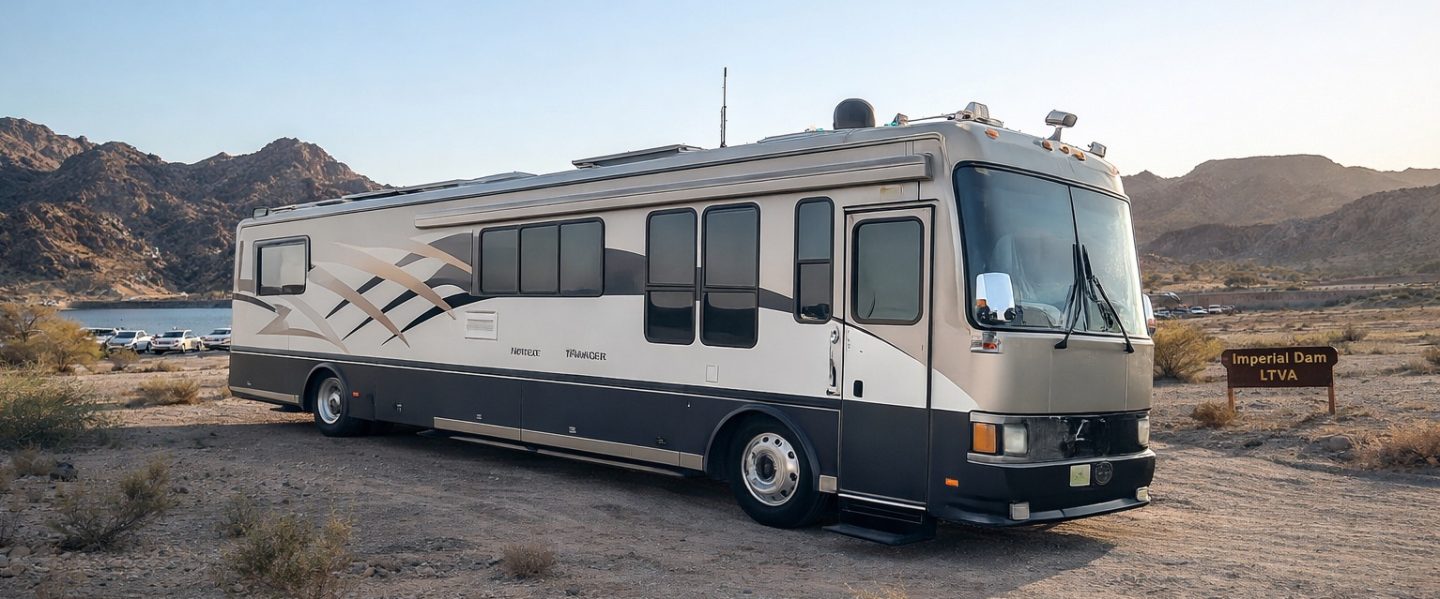
Here’s your sign …

Labour day weekend

The first sign goes to this terrible parker!

Let’s start by stating the obvious, there are some people that just should not be left on their own to make any decisions.

So we are still trying to control the spread of a pandemic, and I’m hearing lots of excuses, the one that sticks out is “pandemic fatigue” which is an easy way of saying “I don’t want to follow the rules anymore”.

So this weekend one of the parks busybodys decided that having a group of twenty people spread over two sites would be a good way to try to circumvent the park rules. And no one is accusing the busy body of having any real understanding of the park rules, but it appears that just add a little alcohol and people just hear what they want to. And manage to twist everything to meet their immediate needs. But the biggest stumbling block is everyone idea of their bubble.

So what does (or at least what it should) your bubble look like … it is really pretty simple but because it doesn’t work for some people they seem to come up with their own ideas as to what it is … so this explains it. Because some of these people have a bubble at home, a bubble at work, a bubble at the park, a bubble for their golfing buds, so many bubbles it must be champagne … just saying

This excerpt is from the Ontario Ministry of Health web site …

Follow these steps to create a safe circle.

Step 1: Start with your current circle: anyone you live with or who regularly comes into your household

Be sure to include anyone that would come into regular close contact with you and the people you live with.

This may be:

  • family members, including children
  • your roommates
  • another parent to your child(ren) that lives outside the home
  • a babysitter or caregiver

Considerations

If you add people outside of your household to your social circle, be sure to include anyone in their households as well. You may not see them often, but they would still be considered part of your current circle.

Remember that everyone in a household must be part of the same social circle.

Step 2: If under 10 people, you can add members to your social circle, including another household, family members or friends

As you add additional members, ask yourself:

  • Do they live with or come into regular close contact with anyone else? You may never see them, but they would still be considered part of your social circle.
  • What makes most sense for you or your household? That could include another household with similarly-aged children or family members that you want to spend more time with.

Considerations

If you live alone, you may want to start with family members or other close friends. People may, or may not, choose to participate in a social circle depending on their unique circumstance, and risk of developing complications from COVID-19, for example people:

  • over 70
  • with compromised immune systems
  • with underlying medical conditions

Remember that your social circle can include fewer than 10 people. It’s always best to start slow and safely add more members later.

Step 3: Get agreement from everyone that they will join the social circle

That means they agree to join only one circle, and physically distance with anyone outside the circle.

Essential workers can be part of a social circle, so long as the other members are aware of the risks and agree to them.

Step 4: Keep your social circle safe

To keep the people in your social circle safe:

  • continue to follow public health advice, including frequent hand washing and sneezing and coughing into a sleeve
  • continue to physically distance with anyone outside your circle by keeping two metres or six feet apart from them

If someone in your circle feels sick

They should immediately inform other members of the circle, self-isolate at home and not come into close contact with anyone, including other members of the circle.

They should also get tested.

Find an assessment centre to get tested for COVID-19.

Everyone else in the circle should closely monitor themselves for symptoms of COVID-19. If you believe you have been exposed to COVID-19 you should also be tested.

Step 5: Be true to your social circle

No one should be part of more than one circle.

So the next sign goes to this group that have broken almost every social distancing rule and has and continues to endanger everyone else in the park as they switch from bubble to bubble … 😡 because it fits the present social occasion.

The next sign go to all the dog 💩 owners that don’t think they have to clean up after their pet. Here in the park and every where else, the dog walkers in Fonthill come to mind as well.

And the last sign goes to all the slobs that think some one else should pick up after them. NEWS FLASH: your mommy doesn’t work here so pick up after yourself, and teach your offspring that as well, no body here wants to pick up your garbage!

For those of you that are puzzled by the “here’s your sign” it was part of Jeff Foxworthy’s comedy routine in which he felt that all the stupid people should have a sign so that they could be avoided, you know like a pothole sign. So you could slow down and avoid any unnecessary damage to your day. And there have been a lot of very deserving recipients in the last few weeks, and with the last long weekend of the summer I felt it was a great time to give some the recognition that they have so rightfully earned.

Winterizing

Thursday September 3rd 2020

So you purchased a RV this summer to get some freedom and enjoyment in this year of Covid-19. Well congratulations it has certainly been a year for the record books, depending on where you fit into the work force, you either have been struggling to make ends meet or you worked through the shut down and are finding yourself with a lot of expendable income because you couldn’t go out for dinner or go shopping.

And therefore RV sales were up over the past few years, but as the camping season comes to an end everyone has to start preparing to winterized their unit. So you might be wondering what is involved in winterizing, well as much as every unit is different, the process is the same for all of them.

First and foremost what will freeze in your RV? Well there is the obvious the water lines in your rig, but that grows to cover a lot of areas so make a list what has water in it? Oh there is the obvious all the hot and cold water pipes, storage tanks, (fresh, black, grey, and hot water), every sink valve, (kitchen, bathroom, outdoor kitchen, tub, shower, outdoor shower, black water flush), then you have to think about what you don’t see, under every sink or tub is a trap that holds water and will freeze and crack as well

So how do we stop all these items from freezing, Well they have to get the water removed and an antifreeze added to replace the water, so how do we accomplish this? Well here is where everyone’s opinion varies, so say just drain everything with water, some say use air pressure to purge the water, either way works. But then you have to force antifreeze into lines, valves, and traps but how, a pump is needed to push the antifreeze into the system, every tap has to be filled with antifreeze, and enough must force the water out of the traps and all tanks drained.

Well that’s a start, now what else? Well what containers will freeze, like canned items like food items, bottled items like cleaners or drinks, boxed items such as drinking boxes or soup broths, kind of getting the idea. So every drawer, shelf, and cabinet, needs to be checked, and I recommend removing all food and drinks, as well as any freezable items in the bathroom or bedroom area.

Next item on the list cleaning the tops of the slides, making sure the slide seals are lubricated, and they close and seal properly. Rain and water can get a lot of places but wind and snow can even find more places to blow in then melt. So make sure everything is closed and locked.

One of the toughest things is rodents, every fall the field mice start looking for a dry place to winter … you don’t want it to be your new RV. So what can be done … first don’t leave anything that they can eat, next make it difficult for them to get in, check the underside of your RV for any holes or splits in the underside. Aluminum tape, steel wool are both good protection, many manufacturers are very careful but remember a mouse can get through a hole about the same diameter as a dime. They can climb up a water hose or a power cables, so remove all items that are climbable, next items that will deter them from wanting to stay. Items that are very popular are dryer sheets, Irish spring soap, peppermint, mothballs, and ammonia (and again this year we will be selling Mr. Sams used litter box gravel, to sprinkle under your RV). Don’t leave them bedding material such as tissues, toilet paper , or napkins and the like. Traps are not recommended as they can’t be emptied till spring

It’s about now that you start to wonder why did I get such a big RV? But we need to keep looking for areas that could be a home for a rodent or could let water in. Now I over time have seen plastic bags on roof air conditioners, and water heaters, not necessary and some would tell you that it will trap in more water than it keeps out both these items are made to be exposed to the elements. Now placing plastic badges around your RV refrigerator vents will help keep insects and the such out but there aren’t really any winter insects so why.

Now as your RV is powered down it’s a good idea to take batteries out of any items to stop any possible corrosion when the battery discharges, like smoke detectors, clocks, remotes you get the idea. You also need to disconnect your 12 volt battery so that the items like propane detector won’t draw it down over the winter, in fact I recommend taking your RV battery home to trickle charge it over the winter to extend its life.

Then you need to start looking at outside storage areas, so the same rules apply so all mice want is a warm dry place to winter, so don’t forget the deterrents there as well, larger creatures like skunks and raccoons love our low decks, or shed bases to provide winter shelter so again mothballs seem to be a leader but there are many comercial products on the market as well.

Note: Remember if your in recreational areas many of these items will become very scarce further into the fall, so start planing early.

There are a number of service people that do winterization but they just do the water and antifreeze, you still have to do much of the preparation work. The advantage of paying to have it done is the liability that they take on to winterize your RV.

And as we round out this process the propane system needs to be shut down as well, refrigerate doors propped open to prevent mould or odours, RV fridges have latches to accomplish this, residential fridges don’t, so a little piece of something to prop the doors open avoids mould.

Our winterization is a little more involved, and includes a ride south to warmer weather. But as we are getting closer to our departure date and the border still being closed to vehicle traffic I may be learning quickly how to winterize our coach … just saying.