


From Ambitious Beginnings to Enduring Legend
In 2026, we mark the centennial of one of North America’s most iconic roadways—Route 66. Known fondly as “the Mother Road,” this legendary highway has woven itself into the fabric of travel, culture, and history, earning a special place in the hearts of wanderers, dreamers, and road-trippers for a century. Join us as we celebrate the story and spirit of Route 66: a road that changed the way we move, dream, and connect.
The Birth of a Legend: Why and When Route 66 Was Built
Route 66 officially opened on 1926-11-11, during a period when America’s thirst for mobility was reshaping the nation. The goal was simple and bold: create a direct, all-weather highway stretching approximately 3,940 kilometres (2,448 miles) from Chicago, Illinois to Santa Monica, California. The route stitched together rural communities and growing cities, bridging East and West in a way no road had before. At its heart, Route 66 was designed to make travel easier for families, tourists, and businesses, ushering in an era of unprecedented mobility and economic opportunity.
Who Built Route 66? The Visionaries Behind the Asphalt
The construction of Route 66 was a monumental team effort, but two names stand out: Cyrus Avery of Oklahoma and John Woodruff of Missouri. Avery, often dubbed the “Father of Route 66,” was instrumental in championing a cross-country route that would benefit not just motorists but the small towns along the way. Woodruff worked tirelessly to ensure the highway’s path brought prosperity to his home state. Together—with the help of countless engineers, labourers, and local leaders—they turned the dream of a national highway into reality.
Economic and Cultural Boon: The Benefits of Route 66
Route 66 wasn’t just a ribbon of asphalt—it was a lifeline for hundreds of communities. The highway brought a steady stream of travelers, which fueled local economies by supporting diners, motels, gas stations, and roadside attractions. Small businesses flourished as tourists sought out homemade pies, quirky souvenirs, and friendly faces. During the Dust Bowl of the 1930s, the road became a route of hope, guiding thousands of families west in search of a better life. Over the decades, Route 66 became a symbol of freedom, resilience, and possibility.
Why “The Mother Road”? The Story Behind the Nickname
The enduring nickname “the Mother Road” comes from John Steinbeck’s classic 1939 novel, The Grapes of Wrath. Steinbeck’s story followed families fleeing the Dust Bowl along Route 66, immortalizing the highway as a nurturing path to new beginnings. The phrase captured the road’s role as a source of opportunity and comfort—a road that “feeds” the nation’s dreams and ambitions.
Iconic Attractions Born from Route 66
As Route 66 gained fame, a colourful array of attractions sprouted along its path. From the neon glow of motels in Tucumcari, New Mexico, to the world’s largest concrete totem pole in Foyil, Oklahoma, the route became a playground for the curious. Highlights include the Cadillac Ranch in Texas, the Blue Whale of Catoosa, Oklahoma, the Wigwam Motels, and the legendary Santa Monica Pier. Each stop tells a story: a slice of Americana, a moment frozen in time, inviting travellers to pause, snap a photo, and soak up the nostalgia.
The Interstate Highway System: Change and Challenge
In the mid-20th century, the construction of the Interstate Highway System brought sweeping changes. Sleek, high-speed expressways began to replace older roads, and by 1985, Route 66 was officially decommissioned. Many businesses folded, and some communities faded as traffic bypassed the heart of town. Yet, rather than vanish, Route 66 entered a new chapter as a symbol of nostalgia and heritage. Preservationists and enthusiasts rallied to restore iconic sites, ensuring the Mother Road’s story would live on for new generations of explorers.
Route 66 Today: A Centennial to Remember
One hundred years later, Route 66 is more than a highway—it’s a living museum, a road trip dream, and a link to our collective past. Whether you’re cruising in a classic car, snapping photos of vintage signs, or sharing stories at a roadside diner, you’re part of a tradition that spans generations. As we celebrate the centennial of Route 66, we honour the road’s legacy and look forward to the adventures yet to come. Here’s to another hundred years on the Mother Road—may the journey always matter more than the destination.
A 24-Day Driving Agenda: Exploring Route 66, 100 Miles at a Time
To mark this centennial, here’s a suggested itinerary for an unforgettable 24-day journey along Route 66. Averaging about 100 miles per day, this agenda will let you savour the Mother Road’s unique attractions, classic diners, and timeless spirit.
- Day 1: Chicago, IL to Pontiac, IL – Kick off your journey at Chicago’s Route 66 Start Sign, visit the Route 66 Hall of Fame in Pontiac, and grab a slice of pie at the Old Log Cabin Inn.
- Day 2: Pontiac, IL to Springfield, IL – Enjoy heritage murals, then head to Springfield to see the Cozy Dog Drive In—the birthplace of the corn dog.
- Day 3: Springfield, IL to St. Louis, MO – Visit the Chain of Rocks Bridge and explore the Gateway Arch. Don’t miss Ted Drewes Frozen Custard.
- Day 4: St. Louis, MO to Cuba, MO – Marvel at the “Route 66 Mural City” and dine at Missouri Hick Bar-B-Que.
- Day 5: Cuba, MO to Springfield, MO – Discover the Meramec Caverns and enjoy local eats at Red’s Giant Hamburg.
- Day 6: Springfield, MO to Tulsa, OK – Cross into Oklahoma, visiting the iconic Blue Whale of Catoosa and have a meal at Clanton’s Cafe in Vinita.
- Day 7: Tulsa, OK to Oklahoma City, OK – Explore the Route 66 Historical Village and stop by Pops 66 Soda Ranch in Arcadia.
- Day 8: Oklahoma City, OK to Clinton, OK – Visit the National Route 66 Museum and refuel at Lucille’s Roadhouse.
- Day 9: Clinton, OK to Shamrock, TX – Snap a photo at the U-Drop Inn and enjoy classic fare at Big Vern’s Steakhouse.
- Day 10: Shamrock, TX to Amarillo, TX – Don’t miss the Cadillac Ranch and the Big Texan Steak Ranch.
- Day 11: Amarillo, TX to Tucumcari, NM – See neon at the Blue Swallow Motel and dine at Del’s Restaurant.
- Day 12: Tucumcari, NM to Santa Rosa, NM – Visit the Route 66 Auto Museum and try the fare at Silver Moon Cafe.
- Day 13: Santa Rosa, NM to Albuquerque, NM – Take in Old Town Albuquerque and enjoy a stop at 66 Diner.
- Day 14: Albuquerque, NM to Gallup, NM – Explore historic Route 66 motels and eat at Earl’s Family Restaurant.
- Day 15: Gallup, NM to Holbrook, AZ – Marvel at the Wigwam Motel and savor a meal at Joe & Aggie’s Cafe.
- Day 16: Holbrook, AZ to Winslow, AZ – Stand on the famous corner in Winslow and grab lunch at La Posada’s Turquoise Room.
- Day 17: Winslow, AZ to Flagstaff, AZ – Visit Meteor Crater and dine at the Galaxy Diner.
- Day 18: Flagstaff, AZ to Seligman, AZ – Explore Seligman’s quirky shops and eat at Delgadillo’s Snow Cap Drive-In.
- Day 19: Seligman, AZ to Kingman, AZ – Visit the Route 66 Museum and dine at Mr. D’z Route 66 Diner.
- Day 20: Kingman, AZ to Oatman, AZ – Experience the wild burros in Oatman and eat at Oatman Hotel Restaurant & Saloon.
- Day 21: Oatman, AZ to Needles, CA – Cross into California and relax at Wagon Wheel Restaurant.
- Day 22: Needles, CA to Barstow, CA – Visit the Route 66 Mother Road Museum and grab a bite at Idle Spurs Steakhouse.
- Day 23: Barstow, CA to San Bernardino, CA – Explore the Wigwam Motel and enjoy the Mitla Cafe.
- Day 24: San Bernardino, CA to Santa Monica, CA – Finish your adventure at the Santa Monica Pier, where the “End of the Trail” sign marks your journey’s grand conclusion. Enjoy a final celebratory meal at Mel’s Drive-In.
This suggested agenda offers a taste of the iconic attractions, diners, and communities that shaped the first 100 years of Route 66. Drive safe, wander often, and soak in every nostalgic mile. Happy travels—see you out on Route 66!
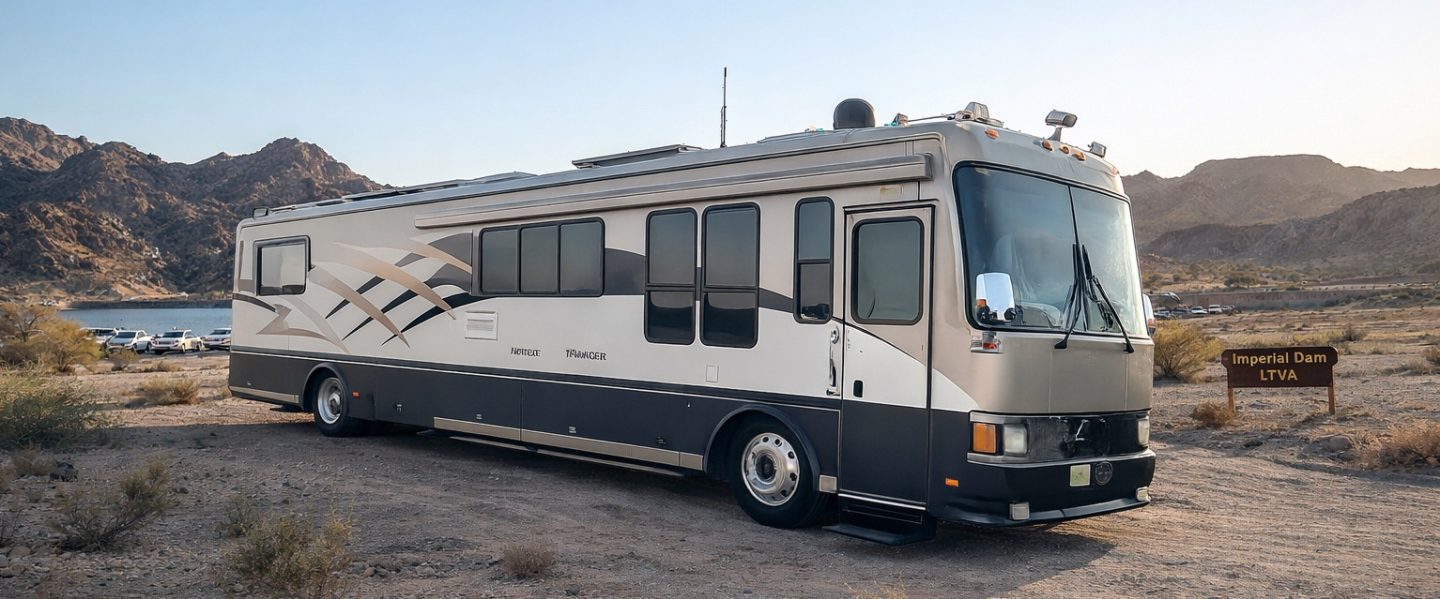
Although we have not done every attraction of stopped at every recommended restaurant on the above itinerary we have been at many of the places recommended over our years of traveling back and forth to Arizona, which involves many sections of the original “Mother Road” route … See you down the road
Day 3315