LTVA – Imperial Dam

🌵 Imperial Dam LTVA: The Ultimate Guide for Extended Desert Camping

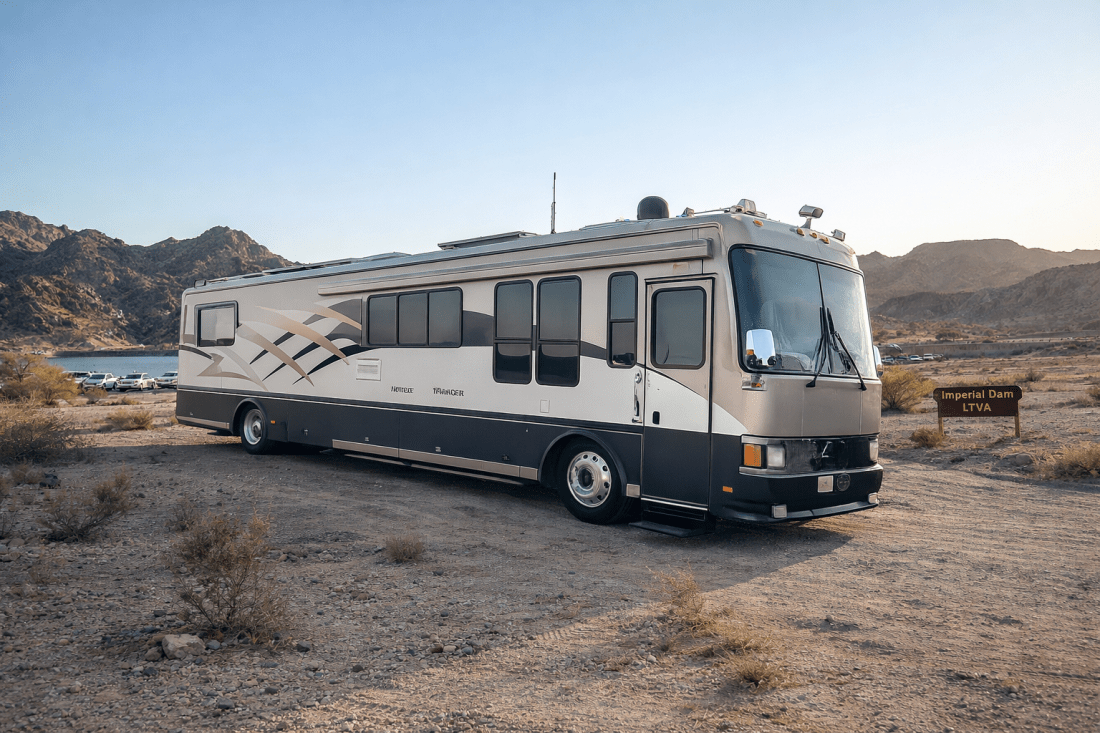
Imperial Dam Long Term Visitor Area (LTVA) is one of the premier desert boondocking and snowbird camping areas in the Southwest. Managed by the Bureau of Land Management (BLM), this long-term visitor site sits near Yuma, Arizona / Winterhaven, California and offers a unique desert camping experience with access to lakes, river recreation, and iconic Southwestern views.


📍 Location & GPS Coordinates

  • Imperial Dam LTVA
  • Latitude: 32.901256
  • Longitude: -114.495431

This places it on the California side of the Colorado River, north of Yuma.


🏕️ What It’s Like

Imperial Dam LTVA covers roughly 3,500 acres of flat desert terrain — dotted with creosote bushes, palo verde, mesquite, ironwood trees, and native cacti typical of the Sonoran Desert. The landscape is mostly flat and open, which makes it ideal for RVs, tents, and boondocking with plenty of space between neighbors.


💦 Amenities at the Site

On-Site Services

  • Multiple dump stations (including black/grey water).
  • Several potable water stations.
  • Restrooms & outdoor showers near admin areas.
  • Trash dumpsters serviced regularly.
  • Ramadas and open day-use areas for shade.
  • Boat launch access & nearby fishing opportunities on lakes and the Colorado River.

⚠️ This is still primarily boondocking. Most individual campsites are not marked, and many do not have full hookups. Plan to be self-sufficient.


💰 Fees: Current (2025–26) & Projected

Running Season (Sep 15 – Apr 15)

  • Long-Term Permit: $180 — valid for up to 7 months anywhere in BLM’s LTVAs.
  • Short-Visit Permit: $40 — valid for 14 consecutive days (with unlimited renewals).

Off-Season (Apr 16 – Sep 14)

  • Day Use: $10/vehicle
  • Overnight: $15/vehicle
  • Annual Pass (vehicle): $75

🪪 Projected future changes: Fees historically remain stable; occasional minor increases are proposed by BLM business plans (subject to federal recreation fee reviews). No official 2026 fee increases published yet — check official BLM updates before planning.


☀️ Weather & Seasonal Temperatures

Imperial Dam sits in one of the sunniest, driest deserts in the U.S., near Yuma — frequently ranked among the most sunshine-filled cities.

🌤️ Fall (Sept – Nov)

  • Daytime: 80–100°F and cooling into the 80s by November.
  • Nights: Generally 60s–70s°F.
  • Great weather for hiking, boating, and outdoor activities.

❄️ Winter (Dec – Feb)

  • Highs: 60s–70s°F — mild and very popular with snowbirds.
  • Lows: 40s–50s°F at night.
  • Rare freezes — generally comfortable.

🌼 Spring (Mar – May)

  • Highs: 70s–90s°F early, warming into 90s by May.
  • Nights: 50s–60s°F.

☀️ Summer (Jun – Aug)

Very hot: highs often >100°Fnot recommended for long stays unless prepared for extreme heat.

Rainfall is minimal (around ~3″ annual), with some summer monsoon and occasional occasional storms in late summer.


🚗 How to Get There

From Interstate 8 (I-8)

  1. Take Exit 9 (S-24 / Yuma Road) north.
  2. Head north ~22 miles on S-24.
  3. Turn left onto Senator Wash Road.
  4. Continue ~2 miles to the Imperial Dam LTVA entrance.

From Interstate 10 (I-10)

  • Head south on US-95 toward Yuma, then turn right on Senator Wash Road and follow the directions above.

🧭 Nearby Attractions & Services

Outdoor Recreation

  • Imperial National Wildlife Refuge – unique birding/wildlife habitat close by.
  • Senator Wash Reservoir & Imperial Reservoir – fishing & paddling.

City Conveniences

  • Yuma, AZ – groceries, RV services, restaurants, medical, and entertainment. ~30–40 min drive.

📌 Tips for Campers

✔ Bring extra water and fuel — desert environment is remote.
✔ Solar or generator power recommended — few hookups except dump/water points.
✔ Observe “pack it in, pack it out” — no permanent fire rings; keep area clean.
✔ Birders will find seasonal species tracking through the Colorado River corridor.


🧡 Summary

Imperial Dam LTVA is a must-visit spot for snowbirds, RVers, and desert lovers, especially in winter and spring. With affordable long-term permits, basic amenities, and spectacular Southwestern scenery, it’s one of the best desert camping areas managed by the BLM. Whether you’re boondocking for months or just passing through, this campsite offers both solitude and access to rivers, lakes, and wide-open landscapes.


Day 3065

Organ Pipe Cactus National Monument

Arizona’s Desert Cathedral

Tucked away in the far southwestern corner of Arizona lies one of the most unique and least-visited national monuments in the United States: Organ Pipe Cactus National Monument. Remote, rugged, and breathtakingly beautiful, this UNESCO Biosphere Reserve protects an extraordinary desert ecosystem found nowhere else in the country.

If you love wide-open spaces, dramatic sunsets, and true off-the-grid adventure, Organ Pipe deserves a spot on your travel list.


Where Is Organ Pipe Cactus National Monument?

Organ Pipe Cactus National Monument is located along the U.S.–Mexico border, about 140 miles southwest of Phoenix and roughly two hours west of Tucson. The monument borders Mexico’s El Pinacate y Gran Desierto de Altar Biosphere Reserve, creating an internationally significant protected desert region.

The nearest town is Ajo, Arizona, a small mining town that serves as the primary gateway to the monument.


Why Is It So Special?

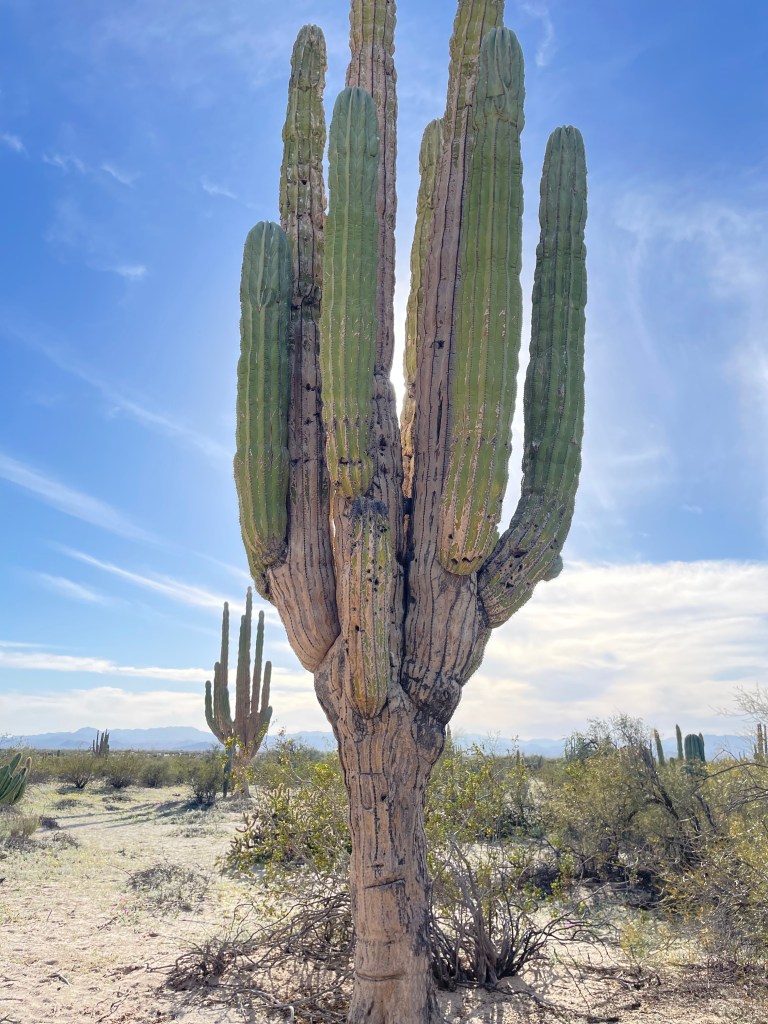
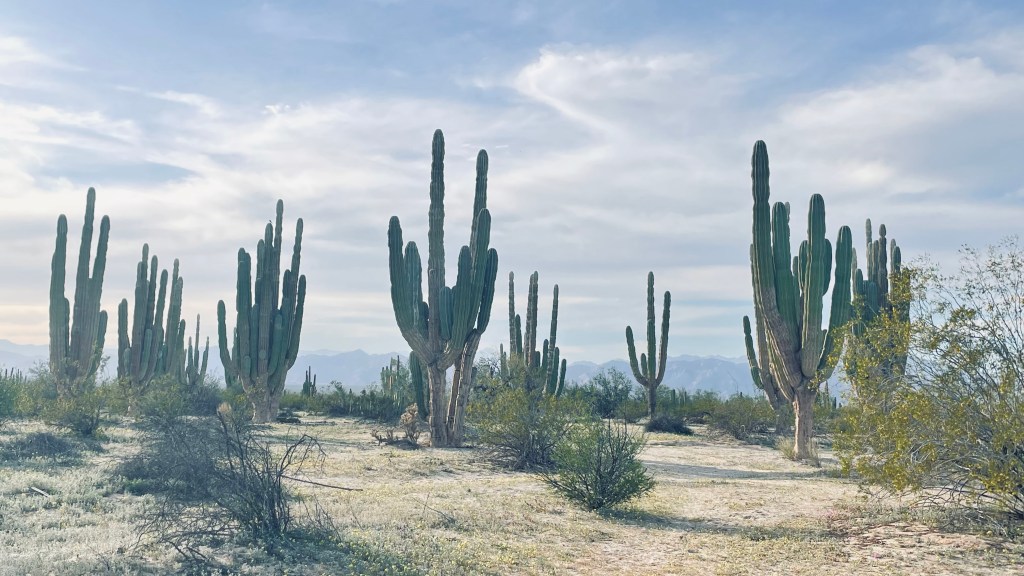
The monument gets its name from the organ pipe cactus, a towering multi-stem cactus that resembles the pipes of a church organ. While common in Mexico, Organ Pipe is the only place in the United States where these cacti grow naturally.

Beyond the iconic cactus, the park protects:

  • Over 550 plant species
  • Nearly 300 bird species
  • Desert bighorn sheep, pronghorn antelope, coyotes, and javelina
  • One of the most biologically diverse deserts in North America

This is Sonoran Desert wilderness at its wildest.


A Living Sonoran Desert

Unlike the stereotypical barren desert, Organ Pipe is alive with color and texture—especially during spring bloom. Visitors will find:

  • Saguaro, organ pipe, barrel, and cholla cacti
  • Ocotillo bursting with red blooms
  • Creosote, palo verde, and mesquite trees

Spring (March–April) brings a stunning wildflower display if winter rains cooperate, while summer monsoons transform the landscape with dramatic skies and lightning shows.


Things to Do at Organ Pipe

🌵 Scenic Drives

  • Ajo Mountain Drive – A 21-mile scenic loop offering spectacular cactus forests and mountain views (high-clearance recommended).
  • Puerto Blanco Drive – A longer backcountry route that showcases remote desert landscapes and volcanic terrain.

🚶 Hiking

Popular trails include:

  • Desert View Trail – Short, accessible loop near the visitor center
  • Victoria Mine Trail – A longer hike leading to historic mining ruins
  • Bull Pasture Trail – Challenging hike with sweeping views

Always carry plenty of water—this is serious desert hiking.

🌌 Stargazing

With almost no light pollution, Organ Pipe offers exceptional night skies. On a clear night, the Milky Way stretches across the horizon in stunning clarity.


Camping & RV Information

Twin Peaks Campground is the main campground inside the monument:

  • Open year-round
  • Suitable for RVs and trailers (no hookups)
  • Generator-friendly during designated hours
  • Incredible desert sunsets right from your campsite

Backcountry camping is also available with permits for those seeking true solitude.

⚠️ Important note for RVers:
Summer temperatures regularly exceed 110°F (43°C). Spring, fall, and winter are the safest and most enjoyable seasons to visit.


Borderland History & Culture

Organ Pipe sits in a region shaped by thousands of years of human history. The Tohono O’odham Nation has lived in this desert for generations, relying on seasonal rains and native plants for survival.

Later influences include:

  • Spanish explorers
  • Mexican ranching traditions
  • Early American mining and border history

Today, the monument also plays a role in border conservation, balancing ecological protection with its unique geographic location.


Best Time to Visit

  • Best overall: November through April
  • Wildflowers: March–April (rain dependent)
  • Avoid if possible: June–September due to extreme heat

Winter brings mild days, cool nights, and ideal conditions for hiking and exploring.


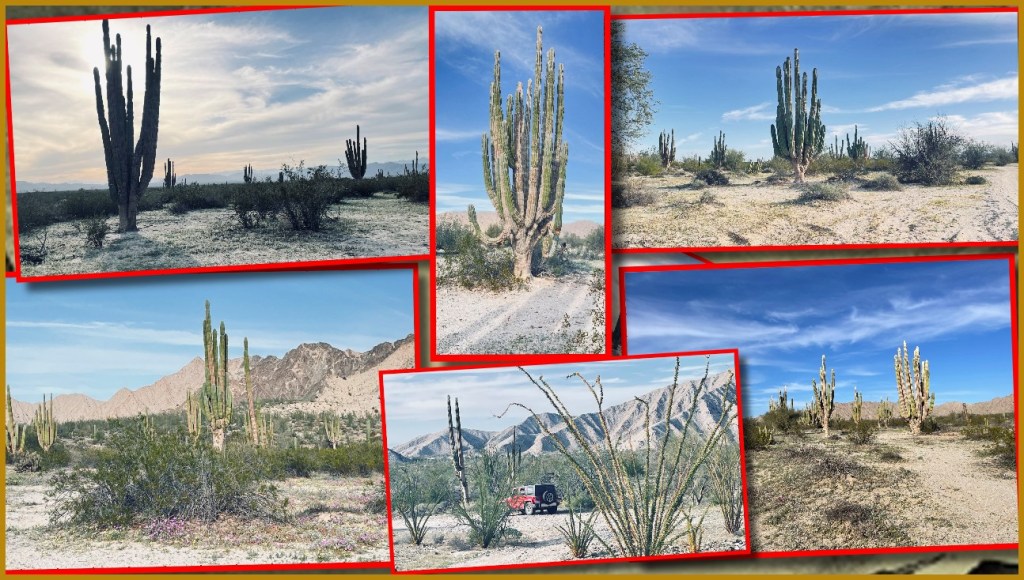
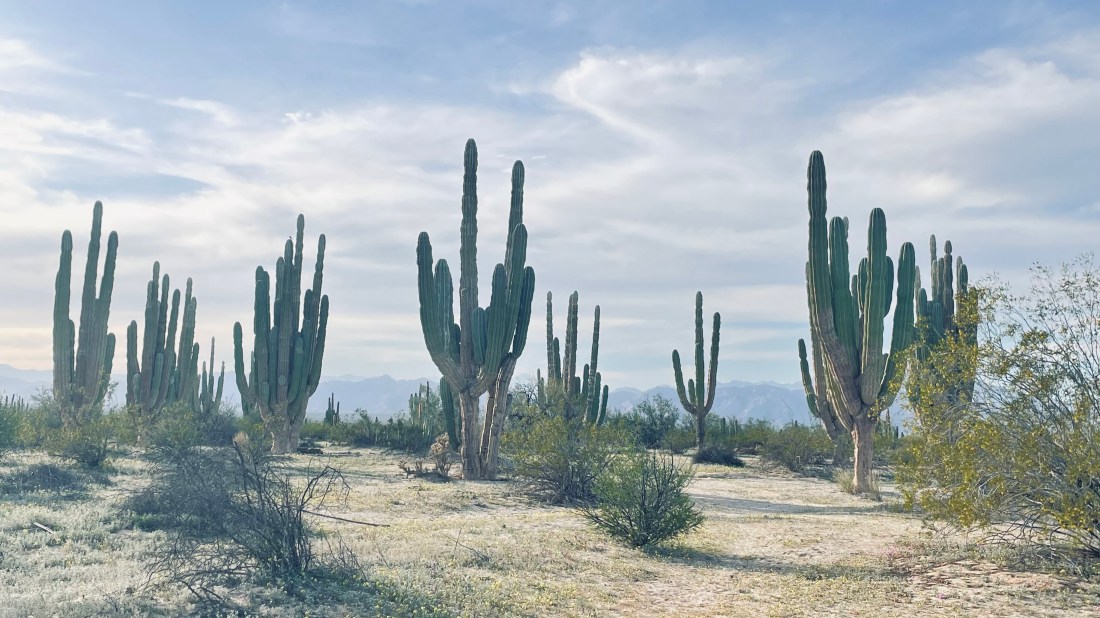
Some Photos:


Final Thoughts

Organ Pipe Cactus National Monument is not a place you rush through. It’s a destination for those who appreciate silence, scale, and the raw beauty of the desert. Whether you’re exploring by RV, hiking remote trails, or simply watching the sun set behind cactus-studded hills, this monument leaves a lasting impression.

If you’re looking to experience the Sonoran Desert at its most authentic, Organ Pipe is a hidden gem worth discovering. We have not visited since December 2019, and are overdo for another visit.


Day 3055