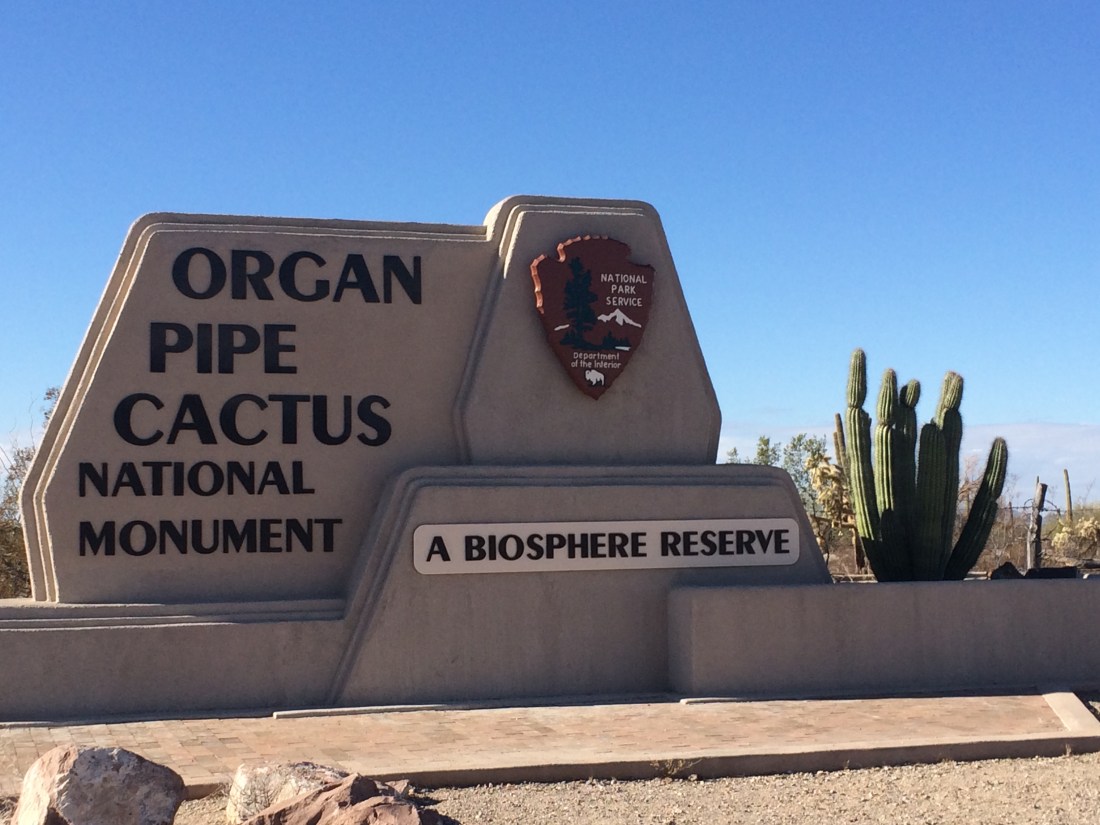
Organ Pipe Cactus National Monument

Arizona’s Desert Cathedral

Tucked away in the far southwestern corner of Arizona lies one of the most unique and least-visited national monuments in the United States: Organ Pipe Cactus National Monument. Remote, rugged, and breathtakingly beautiful, this UNESCO Biosphere Reserve protects an extraordinary desert ecosystem found nowhere else in the country.

If you love wide-open spaces, dramatic sunsets, and true off-the-grid adventure, Organ Pipe deserves a spot on your travel list.


Where Is Organ Pipe Cactus National Monument?

Organ Pipe Cactus National Monument is located along the U.S.–Mexico border, about 140 miles southwest of Phoenix and roughly two hours west of Tucson. The monument borders Mexico’s El Pinacate y Gran Desierto de Altar Biosphere Reserve, creating an internationally significant protected desert region.

The nearest town is Ajo, Arizona, a small mining town that serves as the primary gateway to the monument.


Why Is It So Special?

The monument gets its name from the organ pipe cactus, a towering multi-stem cactus that resembles the pipes of a church organ. While common in Mexico, Organ Pipe is the only place in the United States where these cacti grow naturally.

Beyond the iconic cactus, the park protects:

  • Over 550 plant species
  • Nearly 300 bird species
  • Desert bighorn sheep, pronghorn antelope, coyotes, and javelina
  • One of the most biologically diverse deserts in North America

This is Sonoran Desert wilderness at its wildest.


A Living Sonoran Desert

Unlike the stereotypical barren desert, Organ Pipe is alive with color and texture—especially during spring bloom. Visitors will find:

  • Saguaro, organ pipe, barrel, and cholla cacti
  • Ocotillo bursting with red blooms
  • Creosote, palo verde, and mesquite trees

Spring (March–April) brings a stunning wildflower display if winter rains cooperate, while summer monsoons transform the landscape with dramatic skies and lightning shows.


Things to Do at Organ Pipe

🌵 Scenic Drives

  • Ajo Mountain Drive – A 21-mile scenic loop offering spectacular cactus forests and mountain views (high-clearance recommended).
  • Puerto Blanco Drive – A longer backcountry route that showcases remote desert landscapes and volcanic terrain.

🚶 Hiking

Popular trails include:

  • Desert View Trail – Short, accessible loop near the visitor center
  • Victoria Mine Trail – A longer hike leading to historic mining ruins
  • Bull Pasture Trail – Challenging hike with sweeping views

Always carry plenty of water—this is serious desert hiking.

🌌 Stargazing

With almost no light pollution, Organ Pipe offers exceptional night skies. On a clear night, the Milky Way stretches across the horizon in stunning clarity.


Camping & RV Information

Twin Peaks Campground is the main campground inside the monument:

  • Open year-round
  • Suitable for RVs and trailers (no hookups)
  • Generator-friendly during designated hours
  • Incredible desert sunsets right from your campsite

Backcountry camping is also available with permits for those seeking true solitude.

⚠️ Important note for RVers:
Summer temperatures regularly exceed 110°F (43°C). Spring, fall, and winter are the safest and most enjoyable seasons to visit.


Borderland History & Culture

Organ Pipe sits in a region shaped by thousands of years of human history. The Tohono O’odham Nation has lived in this desert for generations, relying on seasonal rains and native plants for survival.

Later influences include:

  • Spanish explorers
  • Mexican ranching traditions
  • Early American mining and border history

Today, the monument also plays a role in border conservation, balancing ecological protection with its unique geographic location.


Best Time to Visit

  • Best overall: November through April
  • Wildflowers: March–April (rain dependent)
  • Avoid if possible: June–September due to extreme heat

Winter brings mild days, cool nights, and ideal conditions for hiking and exploring.


Some Photos:
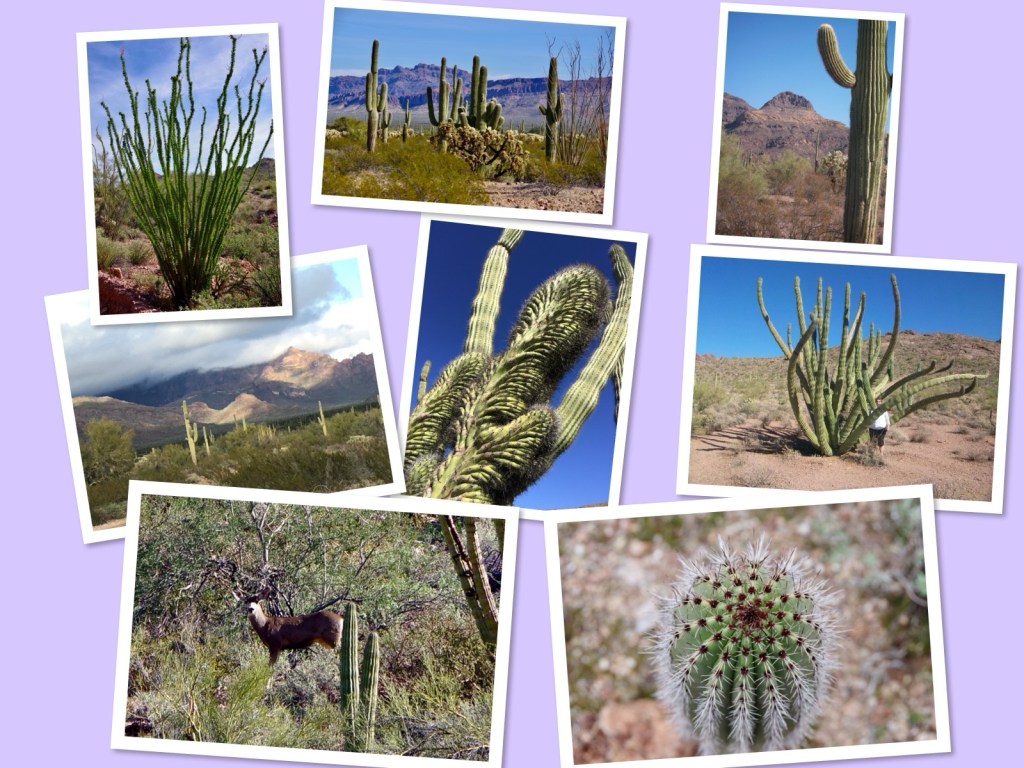

Final Thoughts

Organ Pipe Cactus National Monument is not a place you rush through. It’s a destination for those who appreciate silence, scale, and the raw beauty of the desert. Whether you’re exploring by RV, hiking remote trails, or simply watching the sun set behind cactus-studded hills, this monument leaves a lasting impression.

If you’re looking to experience the Sonoran Desert at its most authentic, Organ Pipe is a hidden gem worth discovering. We have not visited since December 2019, and are overdo for another visit.


Day 3055
Hola amigos (Hello friends)

I know what the hell two fresh blogs in a row two days in a row!

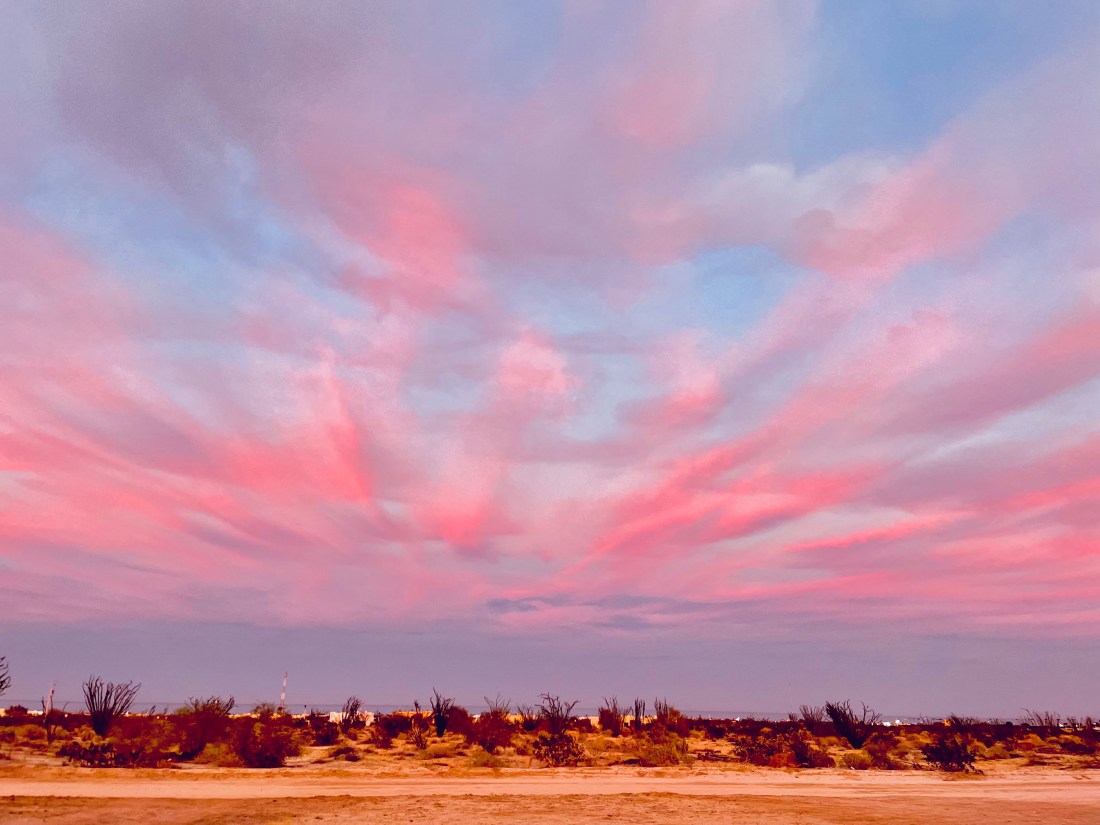
Just another sunrise

Well let me start by saying that I seem to have caught up on my reading list. As you know I read most of my books through my Libby app which means I borrow and read ebooks on my handheld devices from my library and its library group. And the last couple of years I have been reading between 50 & 60 novels a year and have been reading a number of different authors series, and at this point I place a hold on the next book of the series as soon as they are announced. But right now while I have about a dozen on hold waiting my turn, I decided it was time to see if anyone is still interested in the ramblings of a curmudgeon.

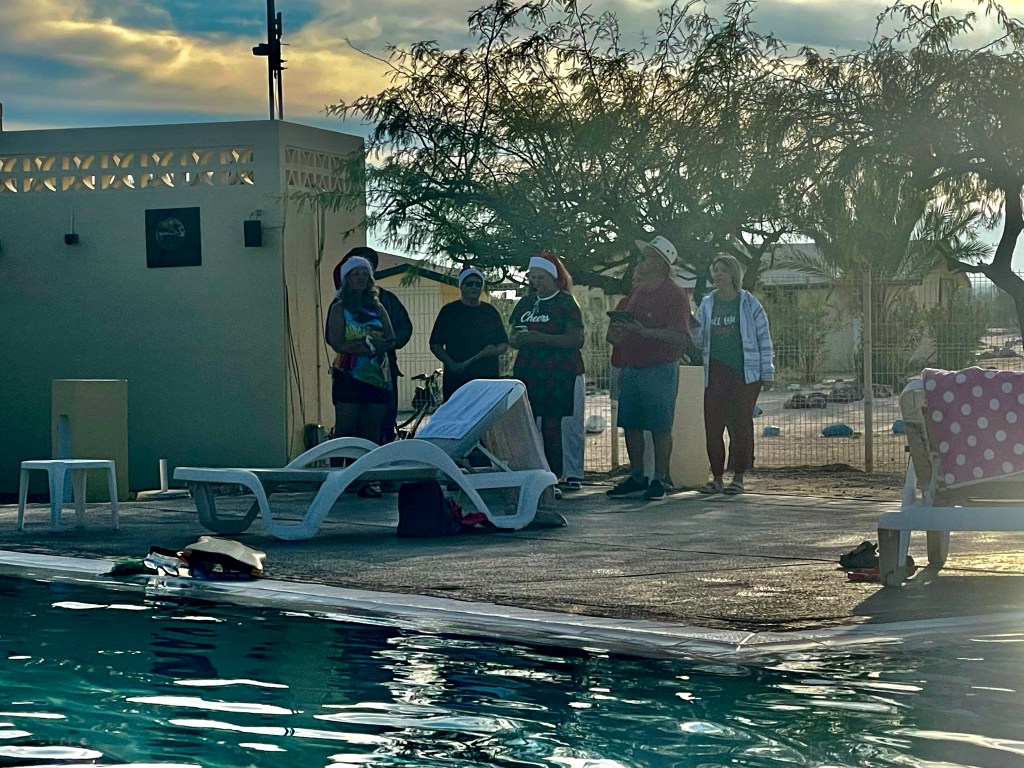
So I started this blog yesterday while sitting by the pool, and nothing says Christmas in Mexico like having carollers by the pool.

Carollers by the pool!

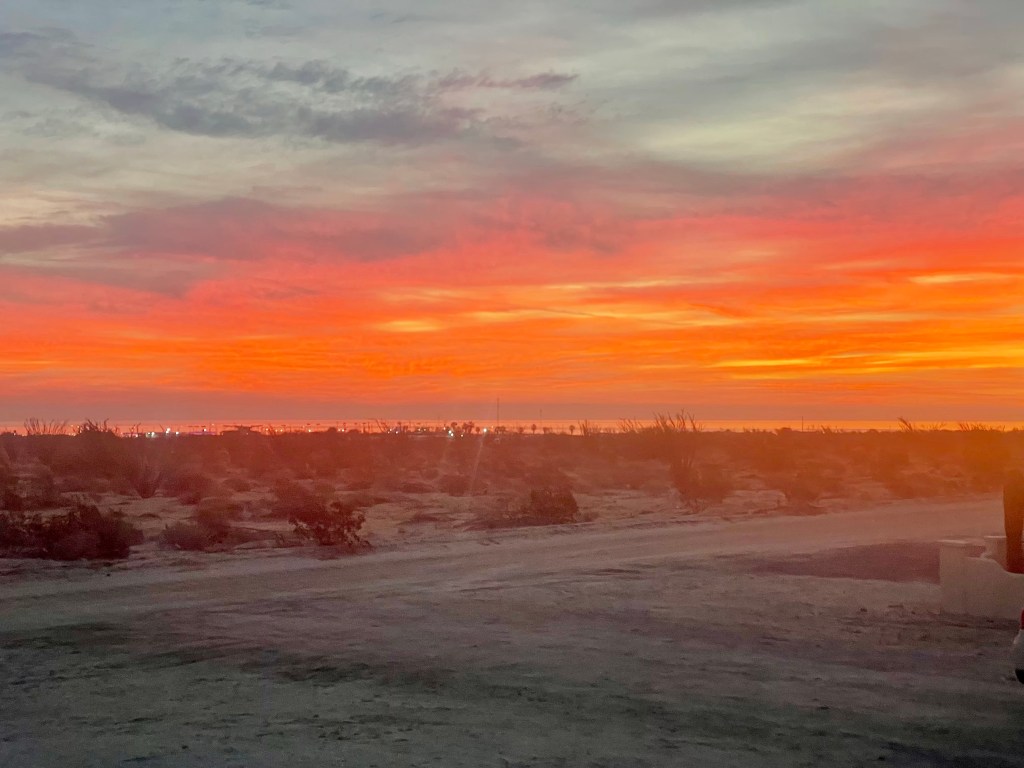
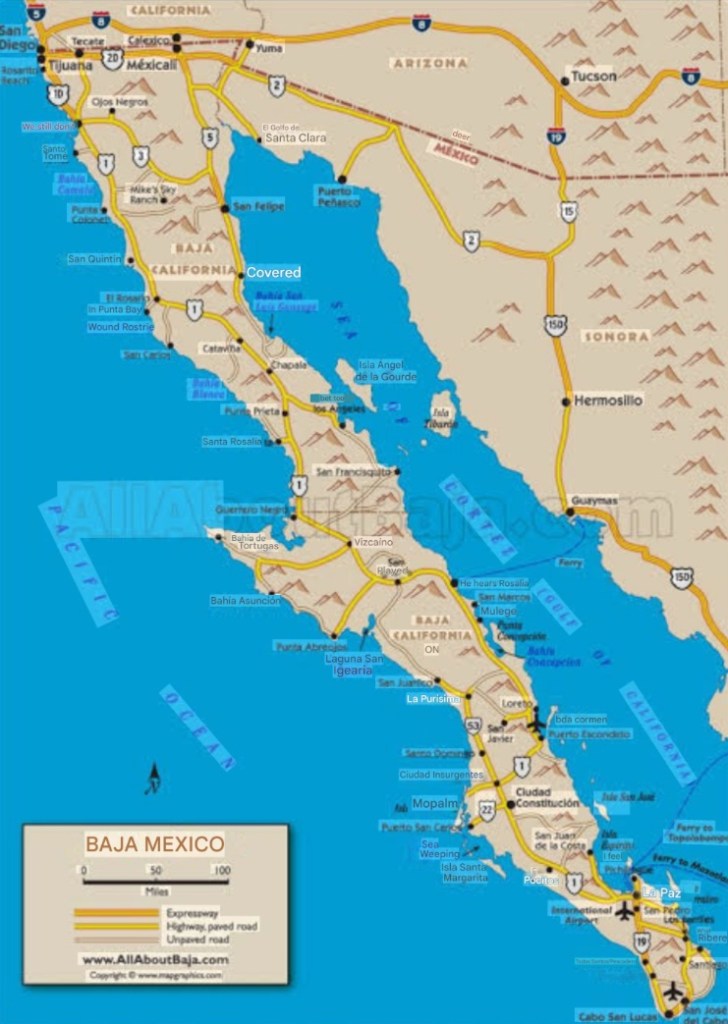
As you could see by this morning’s sunrise we are in for some cloudy days here in the Mexican Baja and possibly even some rain. The Baja is a peninsula that is approximately 100 miles wide and 900 miles long with the Pacific Ocean on the west coast and the Sea of Cortez on the east coast. It is made up of two Mexican states Baja California (BC) & Baja California Sur (BCS). It also has a mountain range that runs the length of the the peninsula, and that range creates two very distinct weather patterns, and right now the western portion is preparing for heavy rain storms while our eastern portion will just have cooler cloudy weather as this area gets very little rain.

We are staying just 10 kilometres north of San Felipe on Highway 5 at El Dorado Ranch. This resort is very strange, and I will try and explain that comment which may come across as a bit of a ramble. The “Ranch” has property on both the east and west sides of Hwy 5, and encompassing thousands of acres of which much has had no development. The east side has an eighteen hole golf course that has some spectacular views of the Sea of Cortez, and while we have walked portions of it we have not played it yet, and around the course are some homes that appear to be amazing, there are also condominium style units and access to the beach, pickle ball courts, a pool, and a couple of restaurants. I would estimate that portion as being approximately one square kilometre and I’m going to guess it was the original portion, but in true Mexican style some areas are magnificent and just across the street could look like an abandoned project. The eastern side has electricity, water, and sewers, it also has some concrete roads with street lights and many dirt roads with lots of exposed infrastructure it reminds me of some of the failed projects you find in Florida that were destined to fail.

The western portion is huge with sporadic built up areas, there is limited electricity areas and and no water or sewer, so many areas are “off grid” with water cisterns and sewage tanks and lots of solar systems. So there are water deliveries and sewage pump outs available throughout the “Ranch” there are huge homes and RV lots right beside them. From what we have gained so far is that each area has its own HOA rules, in some areas the RV has to be covered, while the other side of the road the cover is not required. As previously stated we are staying on a lot that is 100 feet square and apparently was a building lot, that I suspect some one purchased on speculation, that didn’t work out for what ever reason, the brought in power, installed a water cistern with a pump, and a septic tank and when it didn’t sell they added some gravel and a couple of patios and created two RV sites to rent out and on one of the sites they added an old fifth wheel trailer to which they added a couple of couple of mini split air conditioners and now they rent it out.

So in our first month there have been two different renters, the first couple only stayed a weekend (thankfully) as they had a yapping dog that they left in the trailer when they went out which was most of the time, and the dog barked continuously. The second couple are older and have purchased a lot and a trailer and are renting here until they can move onto their own area. They have a dog as well but is much better behaved and they seem very nice but have been very busy getting their lot prepared.

The whole area seems to have slowed down as many people have left to spend the holidays with family back home. There are a lot of Canadians here, most are from the western provinces, many are here because of the better value for a hurting Canadian dollar and others are feeling the hostil environment north of the border with the constantly changing rules for Canadian visitors. We have just got through the shortest day of the year along with the start of “winter”, which we will enjoy with activities and the beach, while watching the cold and snow back in Ontario.

Day 3003