January 2026

Hello Everyone,

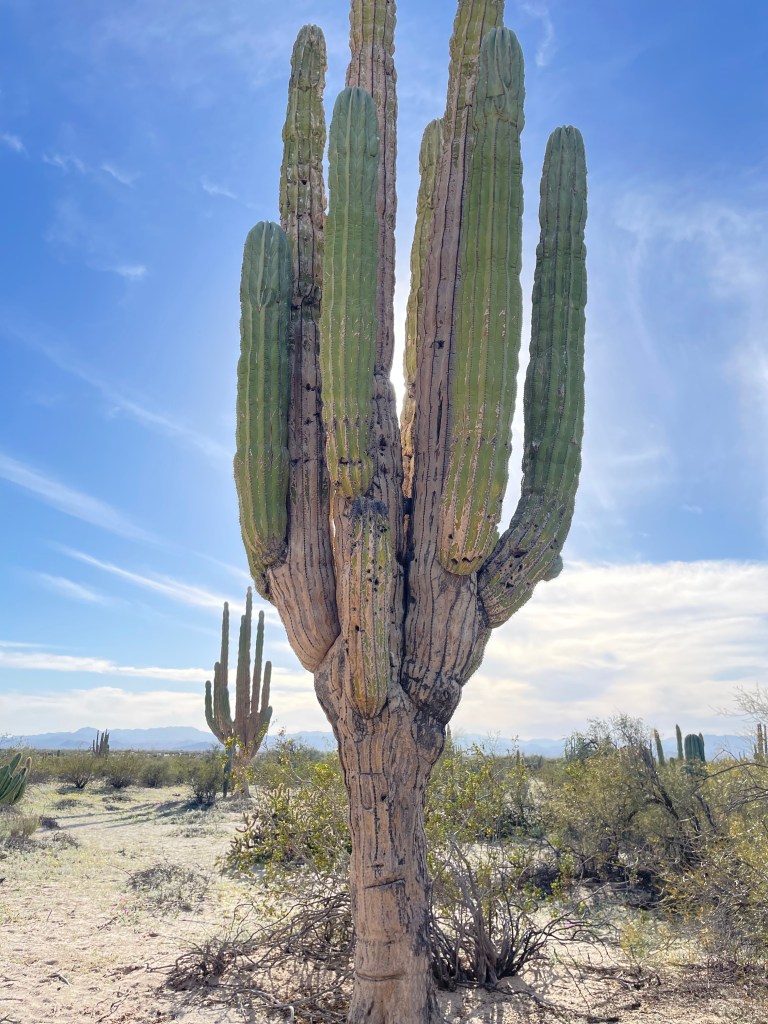
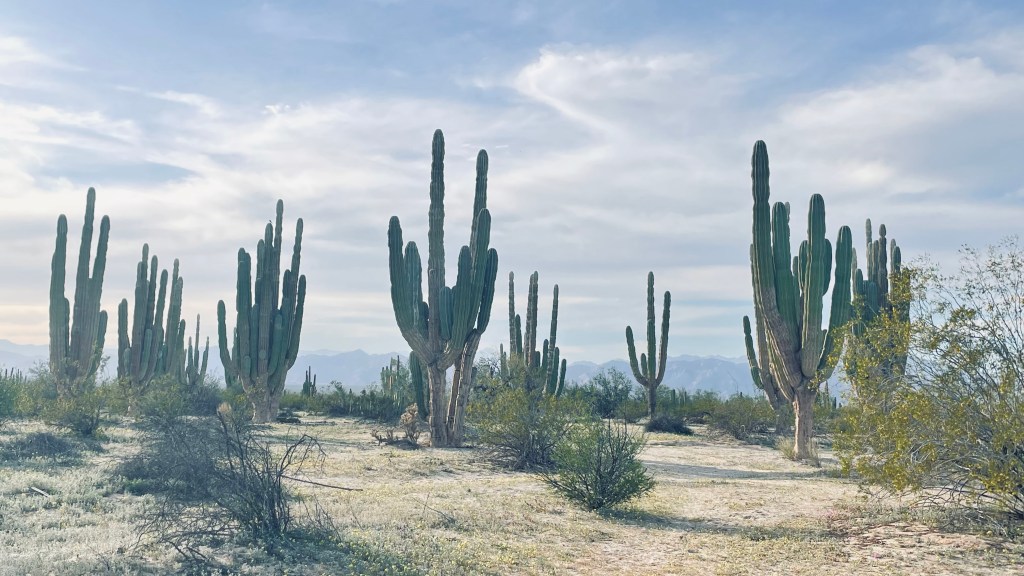
As we wrap up January, you’ll find us at El Dorado Ranch in the Baja of Mexico. This month has been shaped by relaxation and time for reflection, reminding us once again how quickly time moves when you live life on the road. By the middle of next month, we will have been in Mexico for 90 days, and although we have struggled a bit with the social scene, which is sometimes difficult to fit this nomadic lifestyle into a world of “sticks & bricks”, we have met some very interesting people. We have enjoyed the low humidity of the desert with the luxury of a sandy beach, we have enjoyed the amenities, as well as proximity of markets and supplies. We have not made any commitment for next winter but we have not ruled it out either


LOOKING AHEAD:

Key Dates:

  • Mid-February will have us crossing the international border back into the United States

Plans & Highlights:

  • Some much-needed Amazon orders & a Costco visit to restock
  • Finding a quiet boondocking spot in the LTVA at Imperial Dam
  • Visiting with friends in Southwest Arizona

Bucket List Items:

  • Explore the Imperial National Wildlife Refuge
  • Explore the Mitty Lake Wildlife Area

BLOG POSTS THIS MONTH:

Travel & Destinations:

  • El Dorado Ranch – an overview of the history behind this development  ►read more
  • Boyce Thompson Arboretum – Arizona’s best kept secret of desert beauty  ►read more
  • Valley of Fire – Nevada’s first state park a world away from Las Vegas  ►read more
  • Mexican Postal Service – an overview ►read more
  • Border crossing 2026 – updated process ►read more

RV Tech & Gear:

  • SeeLeveL Tank Monitor – A look at how tanks should be monitored (and its Canadian)  ►read more
  • Solar For Dummies – Re-published from December 2019  ►read more

Lifestyle & Reflections:

  • IPTV Streaming – Not for everyone but an amazing service for travelers  ►read more
  • Public Mobility – How we saved over a thousand dollars and sacrificed nothing  ►read more

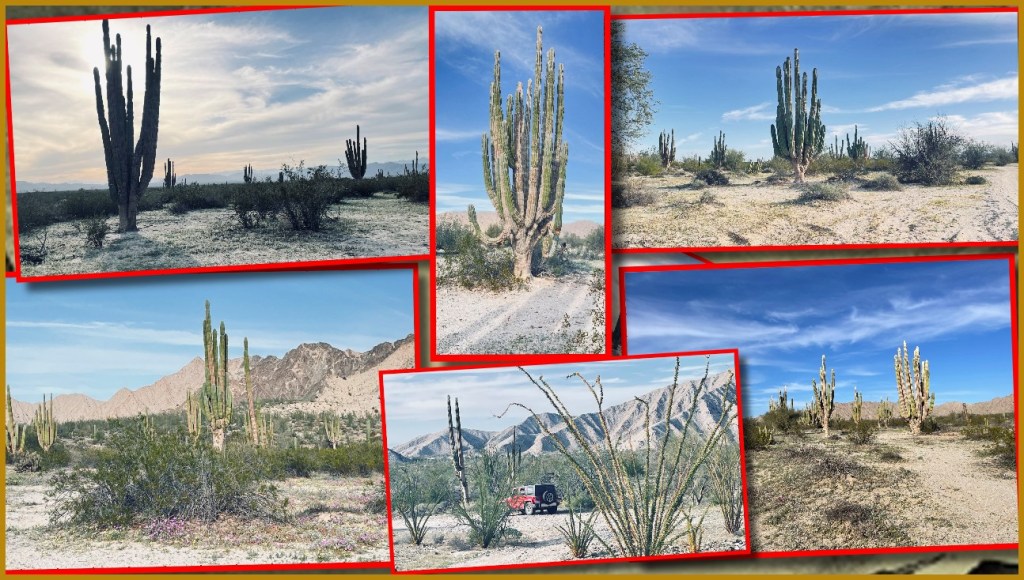
THIS MONTH IN PHOTOS:


LESSONS FROM THE ROAD

After 8+ Years of Full-Time RV Living

This month’s takeaway:

Full-Time RV living is an amazing adventure or series of adventures. If you remember that this a “Lifestyle not an extended Vacation” take your time and be flexible with your schedule.


UPDATES & PROJECTS

Rig Update:

After an extensive search for a replacement torque rod, the original has been re-welded and re-installed until a new one can be obtained once, we are back in civilization. I have spent most of my working life in the “service” industry and was appalled by the arrogance and price gouging that I experienced from some sources. I know we drive and live in a 28-year-old coach, but that is the choice we have made, and it burns me to know some people are being so mistreated. While under Thunder there are several items that need to be addressed like a leaking left rear axle seal (it was replaced on Vancouver Island in 2022) and our leaking water tank and 28 years indicate I need some repair work in the basement floor, as well as regular service work like oil & filter. So, I’m looking for a lot or driveway back in Ontario where I can make some of these repairs this summer, if anyone knows of a spot please reach out.

Systems / Solar / Connectivity:

As I look back over last year’s numbers it has become apparent that we cannot yet boondock without supplementing our power with a generator, I’m creating a blog to explain why and what we need to do to survive off grid. It will bore some, but it will explain our issues in detail and offer some solutions as well as talk about things like winter sunshine and daylight hour compared to “solar hour” plus options and opinions for someone looking to add solar. Also I will be publishing a Solar Blog Series that will address some of the mystery in great detail and depth.

Blog & Creative:

Those of you who have been following our blog for an extended period of time will know that last year was not a good year for our blog, call it burn out, lazy or just tired I was close to stepping away from the blog, but not  being a quitter I decided to ask for help and while friends were supportive they were too kind. So I feed all 500+ blogs into an AI program and asked for a critique and constructive help, and the results were both comforting an eye opener as well. For over a month now I have been creating my blogs in my word processer and then loading the file into the AI app and have been pleased with the newer, cleaner and readable style reducing some of my rambling. On Facebook I have started a photo a day project and so far I have been able to find something to capture and present, we will see if I can make it to day 365.

I have managed to put together a short video of our home this month. ►see video

PS: The upcoming Solar Blog Series will be separated by travel blogs and equipment reviews ten solar blogs in a row would even be too much for me. ☺


Miss Laurie’s Artwork:

Her talent never fails to amaze me, whether it in acrylic paint or watercolor and now she is experimenting with pencil drawings. So, this month between pickleball, seashells, swimming, or corn hole, spending time in the coach painting has not been a priority, here are her creations.


Mister Sam’s Photo of the Month:


Thank you for following along and being part of our journey.

See you down the road,

Laurie & Brian

The Buchanan’s Rolling Down the Road

www.thebuchanansrollingdowntheroad.com


Day 3045

Valley of Fire State Park: Nevada’s Fiery Landscape of Time, Stone, and History

Valley of Fire State Park, located just northeast of Las Vegas, is a place where geology, human history, and desert beauty converge. Famous for its blazing red sandstone formations and ancient rock art, the park is not only Nevada’s oldest state park but also one of its most visually striking natural treasures.

A Landscape Forged Over Millions of Years

The dramatic scenery of Valley of Fire began forming more than 150 million years ago during the Jurassic period. The park’s iconic red rock formations are composed primarily of Aztec Sandstone, created from vast sand dunes that once dominated the region. Over time, tectonic uplift, erosion, and mineral oxidation transformed these dunes into the towering fins, domes, and swirling rock patterns visible today.

When the sun rises or sets, the iron-rich sandstone ignites in brilliant shades of red, orange, and pink—earning the park its evocative name.

Ancient Peoples of the Valley

Long before becoming a state park, Valley of Fire was home to Native peoples for thousands of years. Archaeological evidence suggests human presence in the area dating back over 10,000 years.

Between approximately 300 BCE and 1150 CE, early cultures including the Basketmaker peoples and Ancestral Puebloans left behind a remarkable legacy of petroglyphs—symbols and figures carved into the rock surfaces. These carvings depict animals, human forms, and abstract designs, offering insight into spiritual beliefs, daily life, and desert survival.

Later, the Southern Paiute people continued to use the land for seasonal travel, hunting, and gathering. Today, these rock art sites remain some of the park’s most important and protected features.

Early Exploration and the Origin of the Name

In the early 1900s, a primitive road was built through the area as part of the Arrowhead Trail, an early automobile route connecting Los Angeles and Salt Lake City. As travelers passed through the region, they were struck by how the rocks appeared to glow like flames in the desert sun.

During the 1920s, the name “Valley of Fire” was coined after an observer remarked that the sandstone formations looked as though they were burning at sunset.

Nevada’s First State Park

In 1931, the federal government transferred land to the State of Nevada for park development. Shortly afterward, the Civilian Conservation Corps (CCC)—a New Deal program—played a major role in shaping the park.

From 1933 to 1942, CCC crews constructed:

  • Roads and scenic drives
  • Hiking trails
  • Campgrounds
  • Picnic areas
  • Stone shelters and cabins

Valley of Fire officially opened to the public in 1934, and in 1935 it became Nevada’s first official state park.

Recognition and Preservation

In 1968, Valley of Fire was designated a National Natural Landmark, recognizing its outstanding geological features and scientific importance. Over the decades, the park has expanded to more than 40,000 acres, ensuring the preservation of its landscapes and archaeological sites.

Strict conservation efforts protect fragile sandstone formations and irreplaceable petroglyphs, reminding visitors to admire without disturbing.

Valley of Fire Today

Today, Valley of Fire State Park is one of Nevada’s most visited outdoor destinations. Popular activities include:

  • Hiking iconic trails like Fire Wave, White Domes, and Mouse’s Tank
  • Exploring petroglyph sites such as Atlatl Rock
  • Photography, especially at sunrise and sunset
  • Camping under desert stars

A modern visitor center now provides interpretive exhibits that explain the park’s geology, wildlife, and cultural history, helping visitors better understand the land they are exploring.

A Living Desert Legacy

Valley of Fire is more than a scenic stop—it is a living record of ancient oceans, shifting sands, indigenous cultures, and early conservation efforts. Whether you visit for a quick drive or an extended stay, the park offers a powerful reminder of the deep history written into the desert stone.

A few photos from the valley

Day 3035