

How an Iconic British Landmark Found a New Home in the Arizona Desert
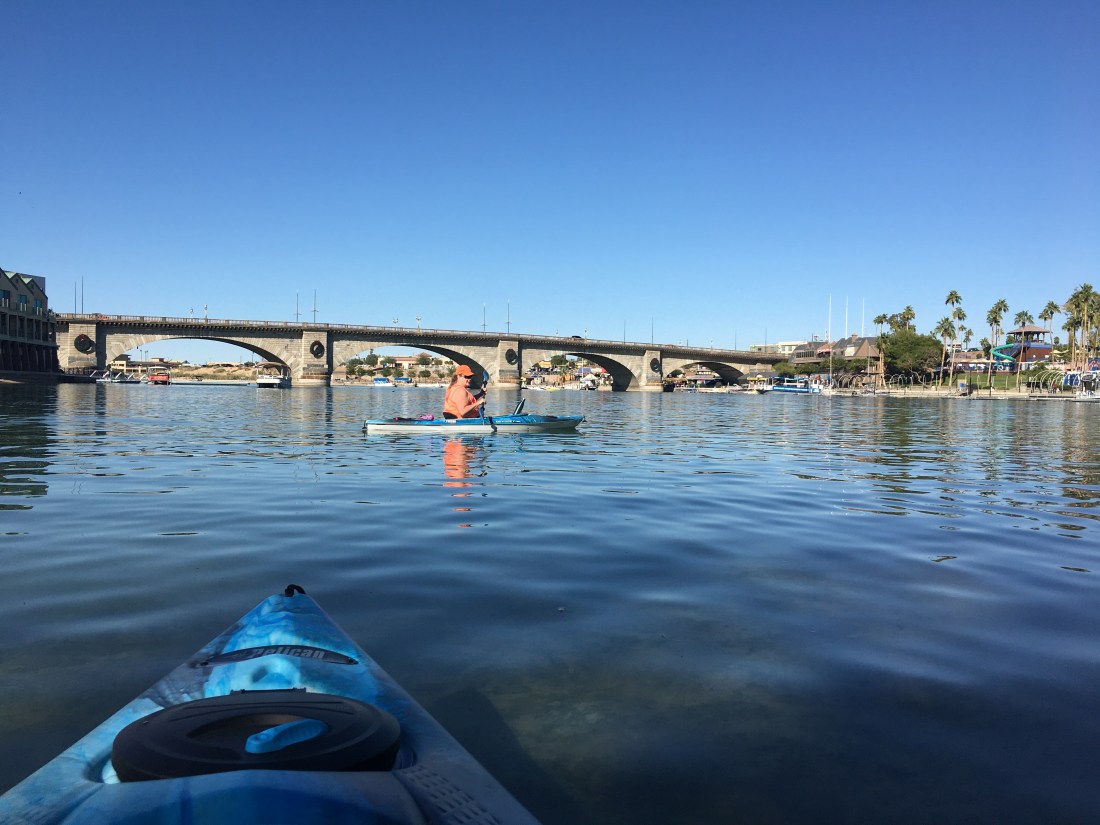
When you think of London Bridge, your mind might picture the bustling River Thames, shrouded in British history and fog. But did you know that the real London Bridge now stands proudly in the Arizona desert, connecting the shores of Lake Havasu? This is the incredible story of how one of England’s most famous bridges made a transatlantic move and became a centrepiece in American tourism.
Origins of London Bridge: A Storied History
The tale of London Bridge stretches back nearly 2,000 years, but the version involved in this story was completed in 1831. Designed by John Rennie, this granite bridge replaced an earlier medieval structure and played a vital role in connecting the growing city of London. Over time, however, the bridge began to sink and struggled to support the increasing weight of modern traffic, making it clear that a replacement was needed.
Why Move the Bridge? Robert McCulloch’s Vision
By the 1960s, London Bridge was up for sale—a quirky move by the City of London to fund a new bridge. Enter Robert P. McCulloch, an American entrepreneur with a dream to transform his fledgling desert city, Lake Havasu City, into a destination. Seeing an opportunity to create a world-class attraction, McCulloch purchased the bridge in 1968 for $2.46 million, hoping its fame would put Lake Havasu on the map.
The Dismantling Process: Precision in England
Taking apart a historic bridge is no simple task. Each of the 10,276 granite blocks was carefully numbered and catalogued to ensure accurate reconstruction later. Workers dismantled the bridge piece by piece, preserving the integrity of the stones and the bridge’s ornate features.
Shipping Across the Atlantic: The Global Journey
Once boxed and ready, the granite blocks began their remarkable journey by ship, travelling over 8,800 kilometres from London to Long Beach, California. From there, the stones were loaded onto trucks and driven overland to the Arizona desert, braving both ocean and highway to reach their new home.
Reassembly in Lake Havasu: Engineering Ingenuity
Rebuilding the bridge in Lake Havasu was a feat of modern engineering. The original granite facade was fitted onto a new concrete structure, ensuring both historic charm and structural safety. The project required meticulous attention to detail, with each stone returned to its original position, guided by the numbering system.
Who Made It Happen? The Team Behind the Move
This monumental project was made possible by the vision of Robert McCulloch and the expertise of C.V. Wood, a master planner who helped design Disneyland. Their teams of engineers, architects and construction workers collaborated across continents to ensure the bridge’s successful relocation and reconstruction.
Timeline of Events: From Purchase to Unveiling
- 1967: London Bridge is declared for sale by the City of London.
- 1968: Robert McCulloch purchases the bridge.
- 1968-1969: The bridge is dismantled and shipped to the United States.
- 1969-1971: Construction and reassembly take place in Lake Havasu City.
- 1971: The “new” London Bridge officially reopens in Arizona, drawing international attention.
Legacy and Impact: A Symbol of Lake Havasu’s Growth
The arrival of London Bridge transformed Lake Havasu City into a unique travel destination. Today, the bridge draws thousands of visitors every year, serving not only as a functional crossing but also as a beloved symbol of the city’s ingenuity and global connection. Local businesses and tourism have thrived thanks to this one-of-a-kind attraction.

Conclusion: A Bridge Across Time and Continents
The journey of London Bridge from the heart of England to the Arizona desert is a story of vision, determination, and international collaboration. Its enduring presence on the shores of Lake Havasu stands as a reminder that history can be preserved and reimagined, bringing people together across continents and generations. So, next time you’re in Arizona, take a stroll across London Bridge and reflect on the incredible voyage that brought it there.
Day 3113