

We’ve resisted Starlink for years — price, setup, and travel style all worked against it. After 15 months of real-world use across Canada, Mexico, and the U.S., here’s our honest take.
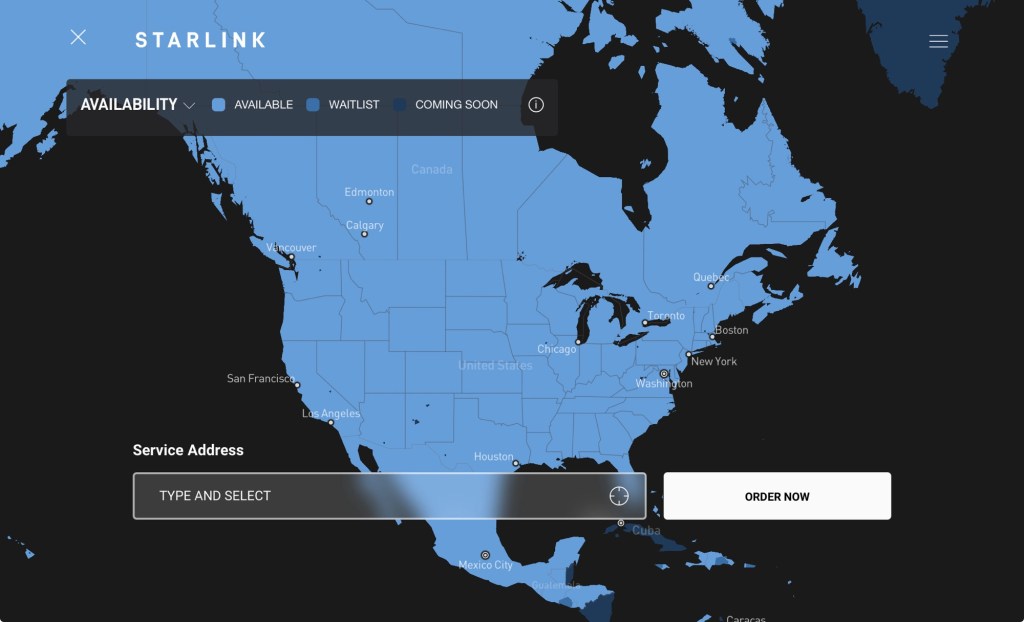
Where do I start? We have resisted this satellite based system for a long time, price and travel restrictions, where major factors and the unit itself doesn’t fit the best with our travel style.
We have used a cellular based system for a number of reasons, and besides being less expensive it was the ability to provide internet while rolling down the road. Cellular was available along most major routes, it didn’t require any external equipment other than a SIM card and a hotspot. It drew minimal power and with enough research a company that allowed us to pause the service and cross the border it seemed a good choice. The downfall was limited service at times and no service in Mexico at all, and we experienced buffering when streaming.
So in the fall of 2024 the version 3 Starlink went on sale in Ontario for $199 Canadian instead of the normal $349 American and I ordered the equipment the monthly service fee was more that the cellular service but the reports of the quality of service was all most too good to be ignore.
The monthly service fee is $165 American, we are paying $189 Canadian for the unlimited plan. I first started the service on October the 15th just before we were set to start traveling, and when testing the download speeds they were as good or better than I had anticipated.

The version 3 relies on us setting up the equipment and aiming it at the North sky for the best results, where the version 2 sat on a stand then adjusted itself for peak performance, so it consisted of the receiver and a stand that had to be put out and then wait while it adjusted itself, while the version 3 has a fold out stand and relies on me to aim it properly and in the beginning I did that faithfully. I have since learned that as long as it is close it worked fine.
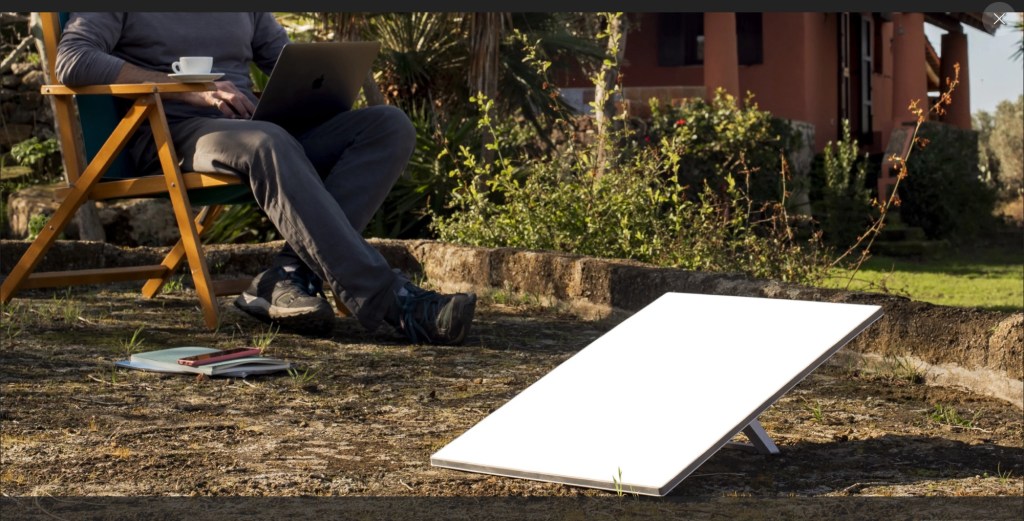
We have used the Starlink service for a number of months now and are averaging over 650 megabits of data every month, and have an average download speed of 200+ Mbps, the upload speeds seem slow at 20+ Mbps but are much faster than cellular.
Research has now taught me that the receiver only needs to be flat to operate, and facing the North sky is not necessary. As we travelled south this year I faithfully set up the receiver every stop and put it away every night before turning in, during lunch breaks often we would forego the use of the receiver and when not in use we either stored the receiver in the toad or inside the coach. So every stop we pulled the receiver out, unwound the cord, ran it through the window or door to get a connection.
I have just purchased a holder for the receiver that will mount on the roof of the coach, I have ran the feed wire through the roof and mounted the router in the coach. I expect from what I have read and reports from other users that we now should be able to have internet while traveling, and unless parked under trees should have constant connectivity, our trip home in the spring confirmed steady service while traveling.
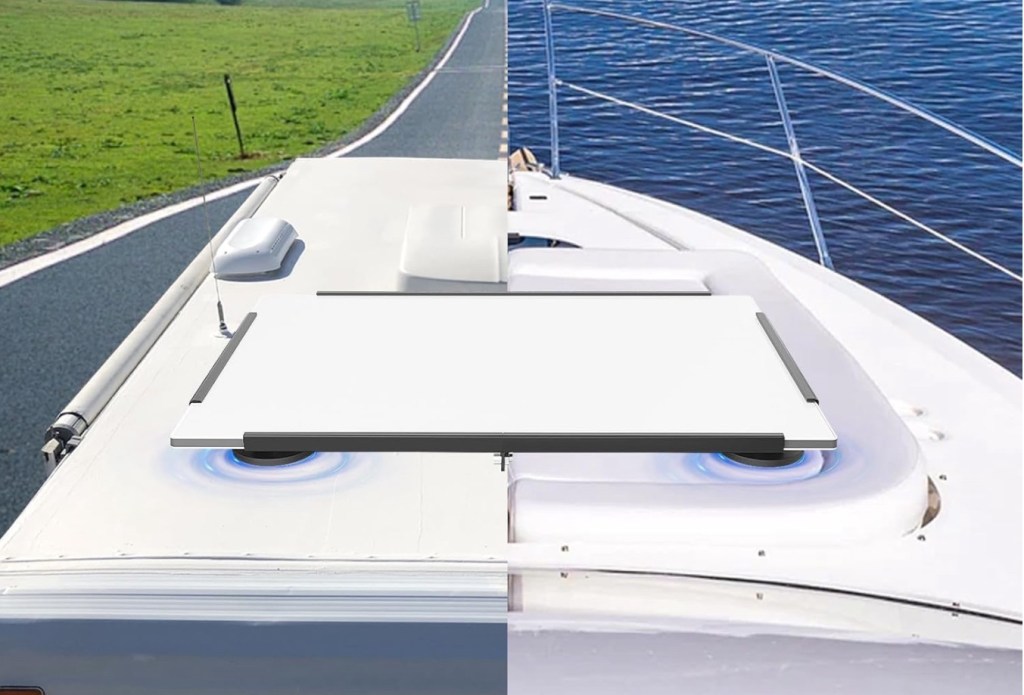
Our Starlink is now mounted to the roof of the coach in a bracket that is secured with magnets. Now you may be wondering how do magnets work on a fiberglass roof and the quick answer would be they don’t, so over the winter I obtained a 24″ X 24″ piece of sheet metal and glued and screwed it to the fiberglass roof than placed the magnetic based bracket on the metal. And while we have only been on the road a few days now the Starlink has worked flawlessly. I have only received two obstruction notifications once passing through the tunnel on US-60 and while refueling under a canopy. I’m sure that trees will become an issue as we move east into tree country, but they are an issue for any Starlink user any time.
Well it has now been well over a year with time in Canada, Mexico and the States and it has worked flawlessly. In heavy populated areas I have noticed the speeds are slower, but I only know that because I was curious enough to check the speed. I can remember one outage that lasted more than a few moments during the summer.
Starlink Quick Verdict (After 15 Months)
✔ Works reliably across borders
✔ Excellent speeds, even while traveling
✖ Expensive
✖ Trees still matter
Would we do it again? Yes — reluctantly.
So my final thoughts are as much as I hate to say it Starlink is a winner, the service at this point is worth the price. And it does pain me to say that but after 15 months it is true!
Day 3006
Discover more from The Buchanan's Rolling Down The Road
Subscribe to get the latest posts sent to your email.
 The Buchanan's Rolling Down The Road
Brian – good thing you are tech savvy & can figure things out.
LikeLiked by 1 person