Boyce Thompson Arboretum: History, Background, and the Arboretum Today

Nestled in the rugged landscape of Queen Creek Canyon near Superior, Arizona, Boyce Thompson Arboretum stands as a living testament to desert beauty, scientific curiosity, and conservation. As Arizona’s oldest and largest botanical garden, the Arboretum has spent more than a century preserving and showcasing plants from the world’s arid regions while inspiring generations of visitors.


The Vision Behind the Arboretum

Boyce Thompson Arboretum was founded in 1924 by Colonel William Boyce Thompson, a mining engineer, investor, and philanthropist whose career was deeply tied to Arizona’s copper industry. Through his travels and humanitarian work, Thompson developed a strong belief that plants — especially those adapted to harsh climates — were critical to humanity’s future.

He purchased land in Queen Creek Canyon and built his winter home overlooking the desert. From this setting, Thompson envisioned the Arboretum as both a scientific research center and a living museum, where plants from arid and semi-arid regions around the world could be studied, preserved, and shared with the public.

In 1927, the Arboretum became the first nonprofit scientific institution in Arizona, and it officially opened to visitors on April 6, 1929.


Growth and Development Through the 20th Century

During its early decades, Boyce Thompson Arboretum focused heavily on botanical research, particularly the study of plants suited to dry climates. This work contributed to broader efforts in soil conservation, erosion control, and sustainable land use — issues that were especially pressing during the Dust Bowl era.

Despite challenges such as the Great Depression and periods of drought, the Arboretum continued to expand its collections and influence. Between 1965 and 1976, the University of Arizona played a key role in guiding research and scientific programming at the site.

In 1976, a cooperative agreement with the State of Arizona and the University of Arizona placed the Arboretum within the Arizona State Parks system while allowing it to remain a nonprofit research and education institution. That same year, Boyce Thompson Arboretum was listed on the National Register of Historic Places, recognizing its cultural and scientific importance.


Boyce Thompson Arboretum Today

Today, Boyce Thompson Arboretum continues its original mission: to inspire appreciation and stewardship of desert plants, wildlife, and ecosystems through conservation, research, and education.

Plant Collections and Gardens

The Arboretum is home to thousands of plants representing desert regions from around the world, including:

  • The Sonoran Desert of the American Southwest and Mexico
  • Australia and Madagascar
  • The Middle East and Africa
  • India, China, and Japan
  • The Mediterranean and Arabian Peninsula

In total, the living collection includes over 4,000 taxa and more than 20,000 individual plants, including nationally recognized collections and notable champion trees.

One major addition in recent years was the Wallace Desert Garden, relocated from Scottsdale and integrated into the Arboretum, significantly expanding its desert plant diversity.


Trails, Exhibits, and Visitor Experience

Visitors to Boyce Thompson Arboretum can explore:

  • Nearly five miles of scenic trails
  • Cultivated gardens and natural desert habitats
  • Riparian corridors, canyon views, and shaded picnic areas
  • Interpretive signs and educational exhibits throughout the grounds

The Arboretum balances curated garden spaces with wild desert landscapes, offering an immersive experience that reflects both science and natural beauty.


Education, Conservation, and Community

Education remains central to the Arboretum’s mission. Programs include:

  • Guided tours and lectures
  • School field trips and youth education
  • Gardening and plant science workshops
  • Seasonal events and community programs

These efforts help connect visitors of all ages with desert ecology, conservation principles, and the importance of protecting fragile ecosystems.


A Century of Stewardship and Looking Ahead

In 2024, Boyce Thompson Arboretum celebrated its 100th anniversary, marking a century of research, preservation, and public engagement. While its formal partnership with Arizona State Parks ended in 2019, the Arboretum continues to thrive as an independent nonprofit organization.

Today, it remains a vital center for:

  • Arid-land plant conservation
  • Scientific research
  • Environmental education
  • Outdoor recreation and inspiration

Why Boyce Thompson Arboretum Matters

Boyce Thompson Arboretum is more than a botanical garden. It is:

  • A guardian of desert biodiversity
  • A historic scientific institution
  • A place of learning, reflection, and connection
  • A reminder that beauty and resilience thrive even in the harshest environments

For visitors, volunteers, and researchers alike, the Arboretum offers a rare opportunity to experience the global diversity of desert plants in one remarkable setting.


Volunteer and Work Campers

During the time of the State Park work campers were introduced to the arboretum along with docents and volunteers to help during the busy seasons.

As work campers one of the largest frustrations was the lack of history and explanation to the visitors, we referred to the Arboretum as “Arizona’s best kept secret” and were always delighted when guests retuned to express their amazement of the arboretums natural beauty and reinforce the best kept secret as they left enlightened.


A few photos around the Arboretum


Day 3025

El Dorado Ranch

Tucked between the rugged desert mountains of Baja California and the calm waters of the Sea of Cortez lies El Dorado Ranch, one of the most established and recognizable master-planned communities in San Felipe, Mexico. More than just a real estate development, El Dorado Ranch represents decades of vision, careful planning, and steady growth — blending desert living, beachfront access, and resort-style amenities into a community built to last.

For some context, our site is located in section 16 one of the smallest areas of the ranch – here is that map.


The Origins of El Dorado Ranch

El Dorado Ranch was founded in 1989, during a period when San Felipe was still primarily known as a quiet fishing village and seasonal getaway. From the beginning, the goal was ambitious: to create a large, thoughtfully planned community that respected the natural desert environment while offering modern infrastructure, security, and recreational opportunities.

A defining moment in the ranch’s early history was the acquisition of land from a local ejido, a communal land system established under Mexico’s Agrarian Reform laws. This process became one of the largest ejido land purchases in Baja California, requiring years of negotiation and government coordination. The result was a solid legal foundation that allowed for secure, titled property ownership within the ranch.


A Vision Shaped by Experience

The development of El Dorado Ranch was guided by Pat Butler, a veteran hospitality executive and former Vice President at Marriott International and CEO of Coast to Coast Resorts. His background in large-scale resort development influenced the long-term planning of the ranch, emphasizing infrastructure, amenities, and sustainability over rapid expansion.

This experience helped shape El Dorado Ranch into a community designed not just for visitors, but for long-term residents and seasonal homeowners.


Growth Into a Master-Planned Community

Today, El Dorado Ranch spans tens of thousands of acres on both sides of Federal Highway 5, the main route between Mexicali and San Felipe.

  • The mountain (desert) side offers elevated terrain, expansive views, and cooler evening temperatures.
  • The beach side, known as La Ventana del Mar (“The Window to the Sea”), provides direct access to the Sea of Cortez with beachfront homes and condominiums.

The ranch now consists of more than 60 individual neighborhoods, offering:

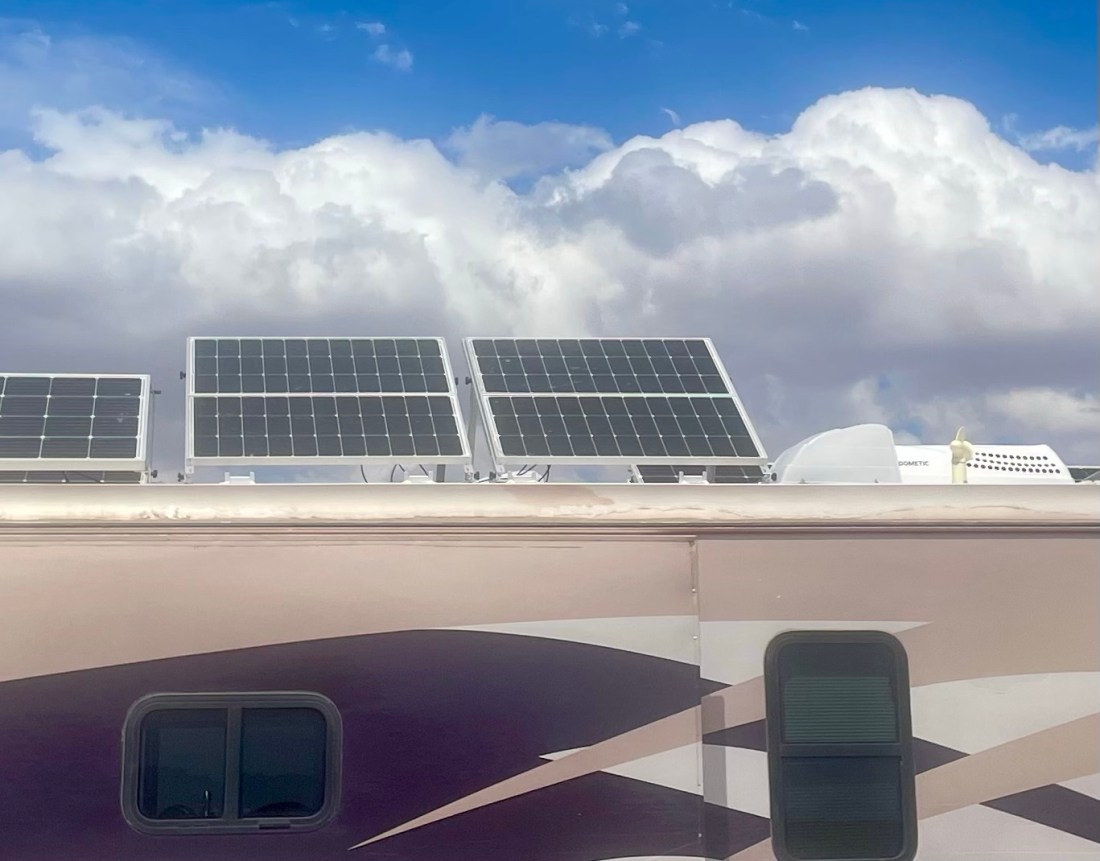
  • Solar-powered and off-grid lots
  • RV-friendly properties
  • Fully serviced residential parcels
  • Beachfront condos and homes

This variety has attracted thousands of owners who live full-time, seasonally, or use their properties as vacation retreats.


Recognition and Milestones

In 2003, El Dorado Ranch received formal recognition as one of Baja California’s most outstanding developments. The milestone was marked by visits from state and federal officials, highlighting the project’s scale, organization, and contribution to regional growth.


Property Ownership and HOA Structure

Properties within El Dorado Ranch are individually owned with clear title, not timeshares or leaseholds. Ownership is governed under Mexican law, with a professionally managed Homeowners Association (HOA) responsible for:

  • Road maintenance
  • 24-hour gated security
  • Common area management
  • Community rules and covenants

This structure has made the ranch especially attractive to expatriates, retirees, and long-term seasonal residents seeking stability and well-maintained infrastructure.


Environmental Awareness and Sustainability

Environmental stewardship has been a core principle of El Dorado Ranch since its inception. More than 50% of the land within the development is preserved as open space, protecting the surrounding desert ecosystem.

Sustainability efforts include:

  • Widespread use of solar energy
  • Xeriscaping and native vegetation
  • Reduced light pollution to preserve night skies
  • A golf course designed with salt-tolerant grasses, allowing irrigation with non-potable water and conserving freshwater resources

Amenities and Community Lifestyle

El Dorado Ranch offers a wide range of amenities that support both resort-style living and everyday comfort:

  • Las Caras de México Golf Course, an 18-hole championship course with desert and sea views
  • Multiple swimming pools
  • Tennis and pickleball courts
  • Restaurants and social gathering spaces including La Palapa, Juanito’s, and the Pavilion
  • Beach access, horseback riding, hiking, off-road exploring, and fishing
  • Year-round social events and organized community activities

In addition to residential living, El Dorado Ranch also serves as a vacation destination, offering short- and long-term rentals for visitors.


El Dorado Ranch and the Town of San Felipe

San Felipe has grown alongside El Dorado Ranch, evolving from a small fishing village into a relaxed tourism and retirement destination. Known for its warm winters, calm waters, and affordability, the town provides services, dining, and culture just minutes from the ranch.

El Dorado Ranch offers residents the balance of privacy and access, combining peaceful desert and beachfront living with proximity to town amenities.


Location and Accessibility

El Dorado Ranch is located at Kilometer 176.5 on Federal Highway 5, approximately 120 miles (190 kilometers) south of the U.S.–Mexico border. The fully paved highway makes access straightforward for weekend visitors and long-term residents alike.


A Community Built to Last

More than three decades after its founding, El Dorado Ranch remains a standout example of long-term planning and thoughtful development in Baja California. It is not simply a resort or subdivision, but a living, evolving community shaped by its environment, its residents, and its history.

For many, El Dorado Ranch represents a rare balance — desert and sea, solitude and connection, simplicity and comfort — set against one of Baja’s most striking landscapes.

Day 3015