El Dorado Ranch

Tucked between the rugged desert mountains of Baja California and the calm waters of the Sea of Cortez lies El Dorado Ranch, one of the most established and recognizable master-planned communities in San Felipe, Mexico. More than just a real estate development, El Dorado Ranch represents decades of vision, careful planning, and steady growth — blending desert living, beachfront access, and resort-style amenities into a community built to last.

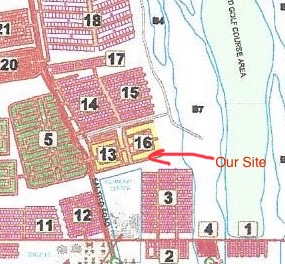
For some context, our site is located in section 16 one of the smallest areas of the ranch – here is that map.


The Origins of El Dorado Ranch

El Dorado Ranch was founded in 1989, during a period when San Felipe was still primarily known as a quiet fishing village and seasonal getaway. From the beginning, the goal was ambitious: to create a large, thoughtfully planned community that respected the natural desert environment while offering modern infrastructure, security, and recreational opportunities.

A defining moment in the ranch’s early history was the acquisition of land from a local ejido, a communal land system established under Mexico’s Agrarian Reform laws. This process became one of the largest ejido land purchases in Baja California, requiring years of negotiation and government coordination. The result was a solid legal foundation that allowed for secure, titled property ownership within the ranch.


A Vision Shaped by Experience

The development of El Dorado Ranch was guided by Pat Butler, a veteran hospitality executive and former Vice President at Marriott International and CEO of Coast to Coast Resorts. His background in large-scale resort development influenced the long-term planning of the ranch, emphasizing infrastructure, amenities, and sustainability over rapid expansion.

This experience helped shape El Dorado Ranch into a community designed not just for visitors, but for long-term residents and seasonal homeowners.


Growth Into a Master-Planned Community

Today, El Dorado Ranch spans tens of thousands of acres on both sides of Federal Highway 5, the main route between Mexicali and San Felipe.

  • The mountain (desert) side offers elevated terrain, expansive views, and cooler evening temperatures.
  • The beach side, known as La Ventana del Mar (“The Window to the Sea”), provides direct access to the Sea of Cortez with beachfront homes and condominiums.

The ranch now consists of more than 60 individual neighborhoods, offering:

  • Solar-powered and off-grid lots
  • RV-friendly properties
  • Fully serviced residential parcels
  • Beachfront condos and homes

This variety has attracted thousands of owners who live full-time, seasonally, or use their properties as vacation retreats.


Recognition and Milestones

In 2003, El Dorado Ranch received formal recognition as one of Baja California’s most outstanding developments. The milestone was marked by visits from state and federal officials, highlighting the project’s scale, organization, and contribution to regional growth.


Property Ownership and HOA Structure

Properties within El Dorado Ranch are individually owned with clear title, not timeshares or leaseholds. Ownership is governed under Mexican law, with a professionally managed Homeowners Association (HOA) responsible for:

  • Road maintenance
  • 24-hour gated security
  • Common area management
  • Community rules and covenants

This structure has made the ranch especially attractive to expatriates, retirees, and long-term seasonal residents seeking stability and well-maintained infrastructure.


Environmental Awareness and Sustainability

Environmental stewardship has been a core principle of El Dorado Ranch since its inception. More than 50% of the land within the development is preserved as open space, protecting the surrounding desert ecosystem.

Sustainability efforts include:

  • Widespread use of solar energy
  • Xeriscaping and native vegetation
  • Reduced light pollution to preserve night skies
  • A golf course designed with salt-tolerant grasses, allowing irrigation with non-potable water and conserving freshwater resources

Amenities and Community Lifestyle

El Dorado Ranch offers a wide range of amenities that support both resort-style living and everyday comfort:

  • Las Caras de México Golf Course, an 18-hole championship course with desert and sea views
  • Multiple swimming pools
  • Tennis and pickleball courts
  • Restaurants and social gathering spaces including La Palapa, Juanito’s, and the Pavilion
  • Beach access, horseback riding, hiking, off-road exploring, and fishing
  • Year-round social events and organized community activities

In addition to residential living, El Dorado Ranch also serves as a vacation destination, offering short- and long-term rentals for visitors.


El Dorado Ranch and the Town of San Felipe

San Felipe has grown alongside El Dorado Ranch, evolving from a small fishing village into a relaxed tourism and retirement destination. Known for its warm winters, calm waters, and affordability, the town provides services, dining, and culture just minutes from the ranch.

El Dorado Ranch offers residents the balance of privacy and access, combining peaceful desert and beachfront living with proximity to town amenities.


Location and Accessibility

El Dorado Ranch is located at Kilometer 176.5 on Federal Highway 5, approximately 120 miles (190 kilometers) south of the U.S.–Mexico border. The fully paved highway makes access straightforward for weekend visitors and long-term residents alike.


A Community Built to Last

More than three decades after its founding, El Dorado Ranch remains a standout example of long-term planning and thoughtful development in Baja California. It is not simply a resort or subdivision, but a living, evolving community shaped by its environment, its residents, and its history.

For many, El Dorado Ranch represents a rare balance — desert and sea, solitude and connection, simplicity and comfort — set against one of Baja’s most striking landscapes.

Day 3015

IPTV

IPTV for RV Life: Watching TV on the Road with Starlink and Cellular Internet

For RVers, watching television has never been as simple as plugging in a cable. Campground TV hookups are often unreliable, satellite dishes require setup and clear skies, and over-the-air antennas depend heavily on location.

That’s where IPTV comes in — a modern, flexible solution that works perfectly with today’s mobile internet options like Starlink and cellular data.

If you travel full-time or seasonally, IPTV can completely replace traditional RV TV setups.


What Is IPTV?

IPTV (Internet Protocol Television) delivers television programming over the internet instead of through cable or satellite systems.

With IPTV, you can access:

  • Live TV channels (news, sports, locals)
  • Video on Demand (movies and series)
  • Time-shifted TV (replays and catch-up)

If you’ve ever streamed Netflix or YouTube, IPTV works the same way — but with live television included.


Why IPTV Makes Sense for RVers

RV travel is mobile by nature, and IPTV is designed for flexibility.

As long as you have an internet connection, you can watch TV on:

  • Smart TVs
  • Streaming devices (Fire TV, Apple TV, Android TV)
  • Phones, tablets, and laptops

There’s no need to rely on campground cable, no dish to align, and no regional restrictions like traditional cable TV.


IPTV Using Starlink in an RV

Starlink has quickly become one of the best internet solutions for RVers, especially when it comes to streaming and IPTV.

Pros

  • High speeds (often 50–200+ Mbps)
  • Handles HD and 4K streaming easily
  • Very stable for live TV and sports
  • No traditional data caps

Cons

  • Requires a clear view of the sky
  • Higher power consumption
  • Higher upfront and monthly cost

How IPTV Performs on Starlink
With Starlink, IPTV feels like a home internet connection. Live sports, news, and multiple devices streaming at once usually work without buffering.

Bottom Line
If IPTV is a priority, Starlink offers the most consistent and frustration-free experience on the road.


IPTV Using Cellular Internet (LTE / 5G)

Cellular internet is still an important part of many RV setups, especially when Starlink isn’t an option.

Pros

  • Lower power draw
  • Works under trees or in urban areas
  • Often cheaper if you already have a data plan

Cons

  • Congestion during evenings
  • Data caps or deprioritization
  • Speeds vary by location

How IPTV Performs on Cellular
IPTV can work well on cellular in strong-signal areas, but live TV is sensitive to speed fluctuations. During peak hours, buffering or quality drops are common.

Bottom Line
Cellular internet works for IPTV, but it requires careful data management.


IPTV Data Usage for RVers

Live TV uses continuous data, which is important to understand if you rely on cellular plans.

Approximate data usage:

  • SD: ~1 GB per hour
  • HD: ~3 GB per hour
  • 4K: ~7–10 GB per hour

Just a few hours of IPTV each night can add up to 100+ GB per month, making Starlink the better choice for heavy viewing.


Recommended IPTV Setup for RV Travel

Internet Sources

  • Starlink (primary connection)
  • Cellular router (Peplink, MoFi, Winegard, Cudy, etc.)

Streaming Devices

  • Fire TV Stick
  • Apple TV
  • Android TV box

Dedicated streaming devices handle changing internet connections far better than most smart TV apps.


Legal IPTV Services That Work Well for RVers

These services are reliable, legal, and RV-friendly:

  • YouTube TV (American)
  • FIBE TV (Canadian)
  • Hulu + Live TV (American)
  • Rogers TV (Canadian)
  • Sling TV (American)
  • Stack TV (Canadian)
  • Philo (American)
  • Crave TV (Canadian)
  • Pluto TV (free)

Most allow you to update your location while traveling, which is ideal for RV life.


The Best RV Setup: Starlink + Cellular Together

Many RVers use both Starlink and cellular internet:

  • Starlink for IPTV, streaming, and work
  • Cellular as backup or for obstructed campsites

With the right router, the system can automatically switch connections if one drops.


Practical Tips for IPTV on the Road

  • Use Starlink for live TV and sports when possible
  • Limit video quality on cellular connections
  • Avoid peak evening hours on LTE/5G
  • Download shows when internet is strong
  • Keep an OTA antenna for emergencies and local news

Illegal IPTV Services

Despite the risk involved with illegal services the pricing make it an attractive option. For your home or RV the options of the illegal services are mind boggling, and as someone who has used both legal and illegal here is what stands out

  • Price (90% cheaper than legal)
  • Choice (up to 30,000 stations)
  • Multinational (live tv from around the world)
  • Local (unlike legal service no need to change location)
  • PPV (most stations available at no cost)

While I’m not condoning the illegal services, it is saving us hundreds of dollars, and we can watch stations with out adjusting our VPN each time.

This is the app that we are using

Final Thoughts

IPTV has become one of the easiest and most reliable ways for RVers to watch television while traveling.

  • Starlink provides the best IPTV experience
  • Cellular works well with careful data use
  • IPTV replaces campground cable entirely
  • Legal services offer stability and peace of mind

For full-time and long-term RV travelers, IPTV paired with modern mobile internet is a true game-changer.

Day 3015