Saguaro vs. Cardón: The Giants of the Sonoran Desert 🌵

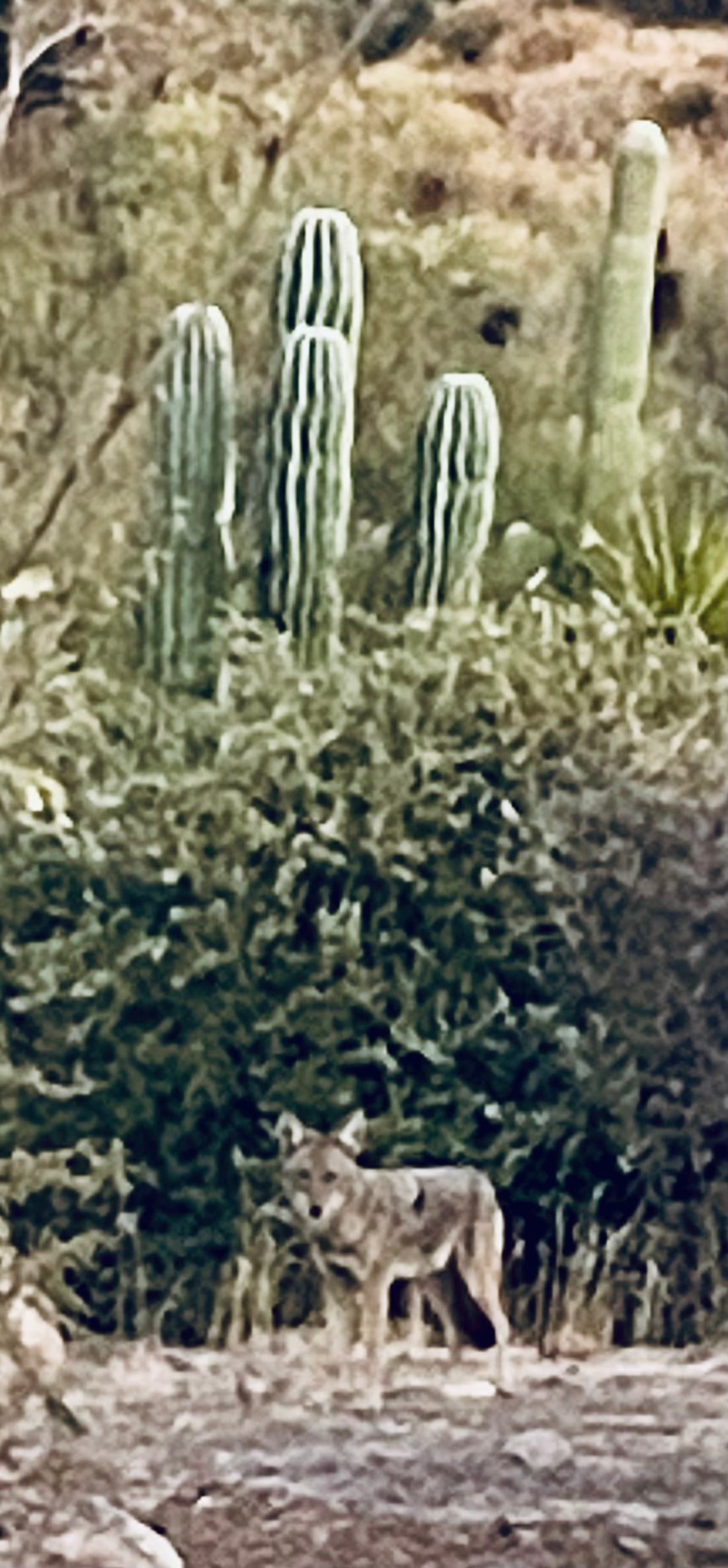
If you’ve spent any time exploring the deserts of the American Southwest or Mexico’s Baja Peninsula, you’ve probably seen towering columnar cacti that look remarkably similar. The two most famous are the Saguaro and the Cardón.

At first glance, these desert giants appear nearly identical. Both grow tall, develop arms, and dominate the desert skyline. But look closer and you’ll find they are different species with unique characteristics, habitats, and growth habits.

Let’s explore what makes these iconic cacti both similar—and very different.


The Saguaro Cactus

The Saguaro is one of the most recognizable symbols of the American Southwest.

Native almost exclusively to the Sonoran Desert, these iconic plants grow primarily in Arizona, with small populations in California and Mexico.

Key Characteristics

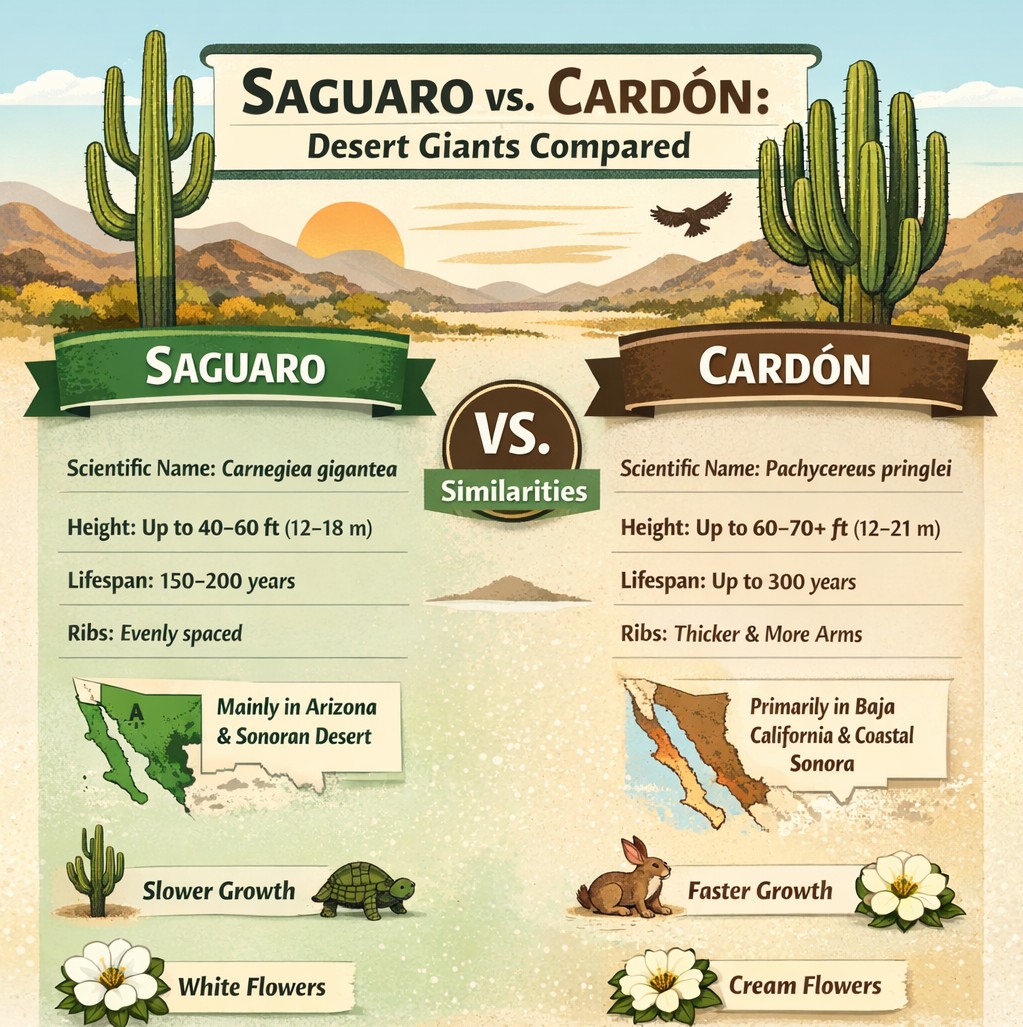
  • Scientific Name: Carnegiea gigantea
  • Average Height: 40–60 feet (12–18 m)
  • Maximum Age: 150–200 years
  • Weight: Up to 4–6 tons when full of water
  • Arms: Usually grow after 50–70 years
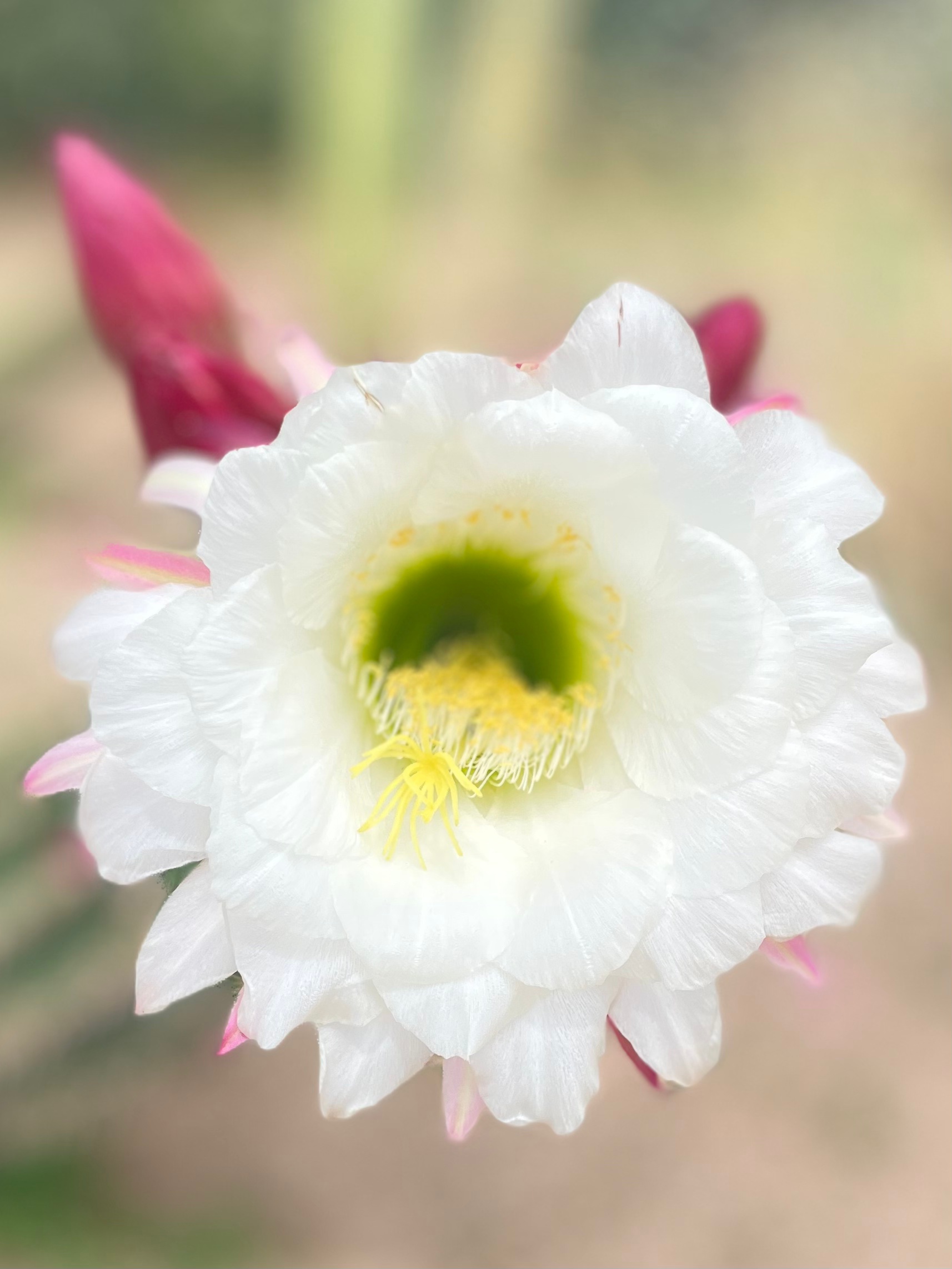
  • Flowers: White blooms that open at night

The saguaro is protected within areas like Saguaro National Park, where forests of these cacti create one of the most famous desert landscapes in the world.

These plants are incredibly slow growing. A saguaro may be only a few inches tall after its first decade.


The Cardón Cactus

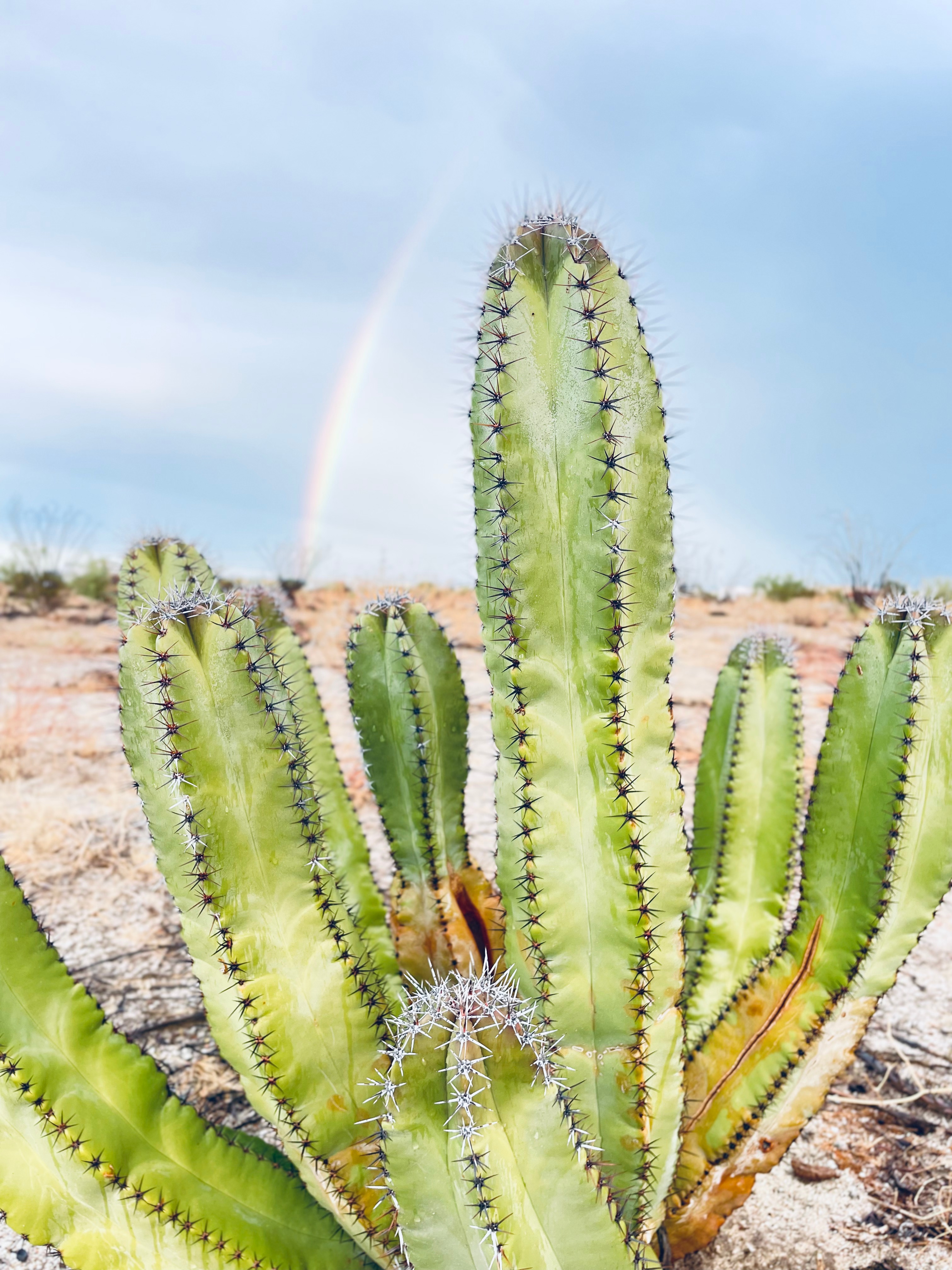
The Cardón cactus is the largest cactus species on Earth.

While it looks very similar to the saguaro, the cardón primarily grows farther south on the Baja California Peninsula and the mainland coast of Sonora.

Key Characteristics

  • Scientific Name: Pachycereus pringlei
  • Average Height: 40–70 feet (12–21 m)
  • Maximum Height: Over 60 feet commonly, occasionally taller
  • Growth Rate: Faster than saguaro
  • Structure: Often thicker trunk and more arms
  • Flowers: Cream-colored blossoms

Cardón cacti frequently grow in dense stands, sometimes called “cardón forests,” which can make parts of Baja feel like a prehistoric landscape.


Similarities Between Saguaro and Cardón

Despite being different species, these cacti share many characteristics because they evolved in similar desert environments.

Shared Traits

🌵 Columnar shape with vertical ribs
🌵 Water storage tissue to survive long droughts
🌵 Night-blooming flowers pollinated by bats and insects
🌵 Arms that grow upward from the main trunk
🌵 Extremely long lifespans

Both species are keystone plants in the desert ecosystem. Birds, insects, and mammals rely on them for food, shade, and nesting sites.

For example, birds such as the Gila Woodpecker carve holes into saguaros to create nests, which later become homes for other desert species.


Key Differences

While they look alike, there are several easy ways to tell them apart.

1. Geographic Range

Saguaro

  • Found mainly in Arizona and parts of the Sonoran Desert.

Cardón

  • Dominates the deserts of Baja California and coastal Sonora.

If you’re traveling through Baja, you are almost certainly seeing cardón rather than saguaro.


2. Size and Growth

Cardón cacti typically grow:

  • Taller
  • Thicker
  • Faster

A cardón can develop arms earlier in its life than a saguaro.


3. Trunk and Rib Structure

  • Saguaros usually have more evenly spaced ribs and smoother trunks.
  • Cardóns often appear thicker and more heavily branched, sometimes with many arms emerging lower on the trunk.

4. Root System

Both species have shallow root systems designed to capture rain quickly.

However:

  • Cardón roots can spread even wider due to their larger size and faster growth.

Why They Look So Similar

Both species evolved in the Sonoran Desert, one of the most biologically diverse deserts on Earth.

Because they adapted to nearly identical environmental pressures—intense heat, limited rainfall, and long drought periods—they developed similar shapes and survival strategies. This phenomenon is known in biology as convergent evolution.


Seeing Them in the Wild

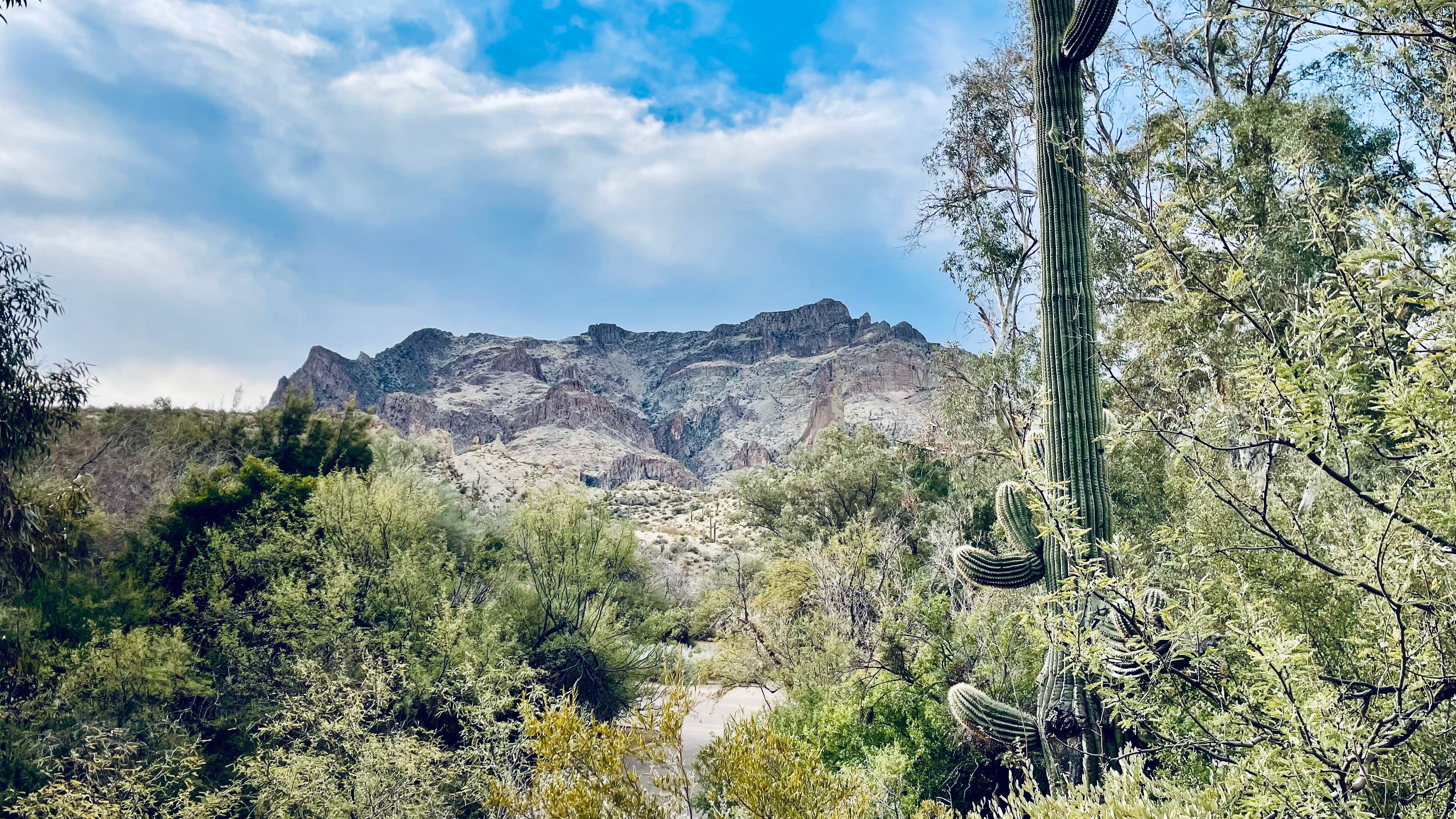
If your travels take you through Arizona, the iconic silhouette of the saguaro will define the desert landscape.

Cross the border into Baja California, however, and the towering cardón becomes the dominant giant.

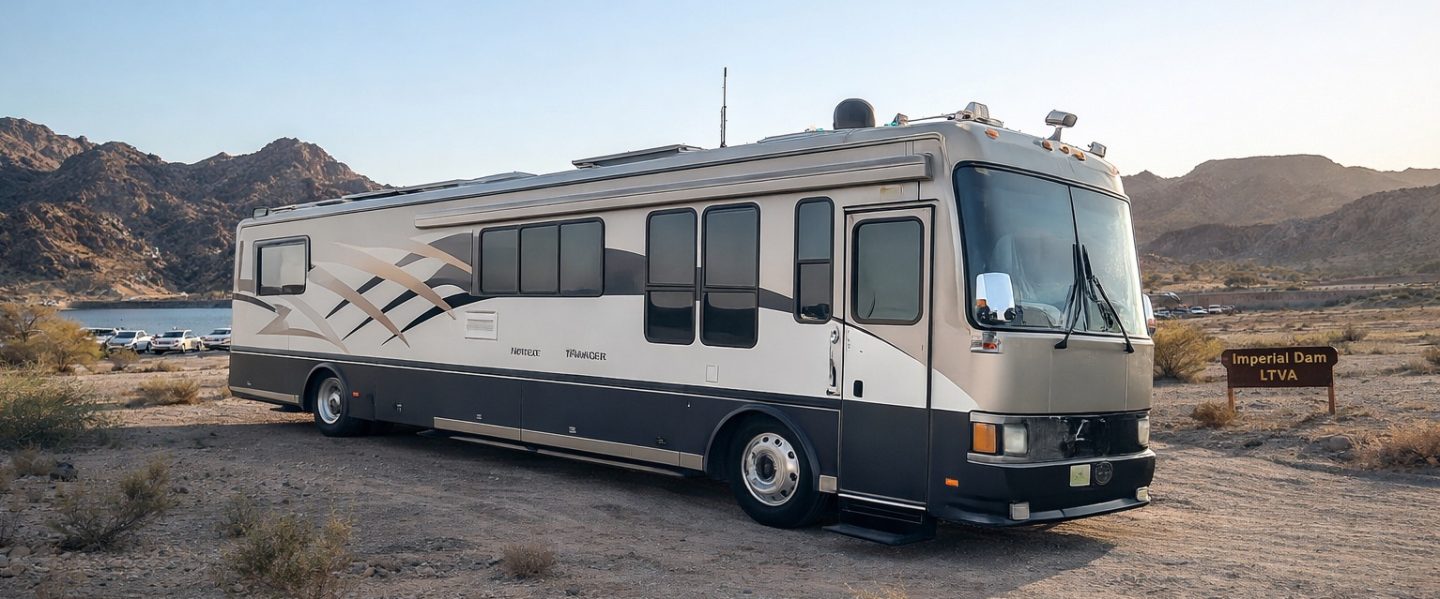
For travelers and RV adventurers exploring the Southwest and Baja, spotting the subtle differences between these two desert giants becomes part of the fun.


Final Thoughts

The Saguaro and the Cardón are among the most impressive plants in North America.

Though they share a similar appearance, their differences tell the story of how desert life adapts to geography, climate, and time. Whether standing alone on an Arizona hillside or clustered across a Baja valley, these towering cacti remind us just how resilient life in the desert can be.


Day 3095

2025 in Review: Miles, Memories, and Finding Our Rhythm

By The Buchanan’s Rolling Down The Road
December 2025
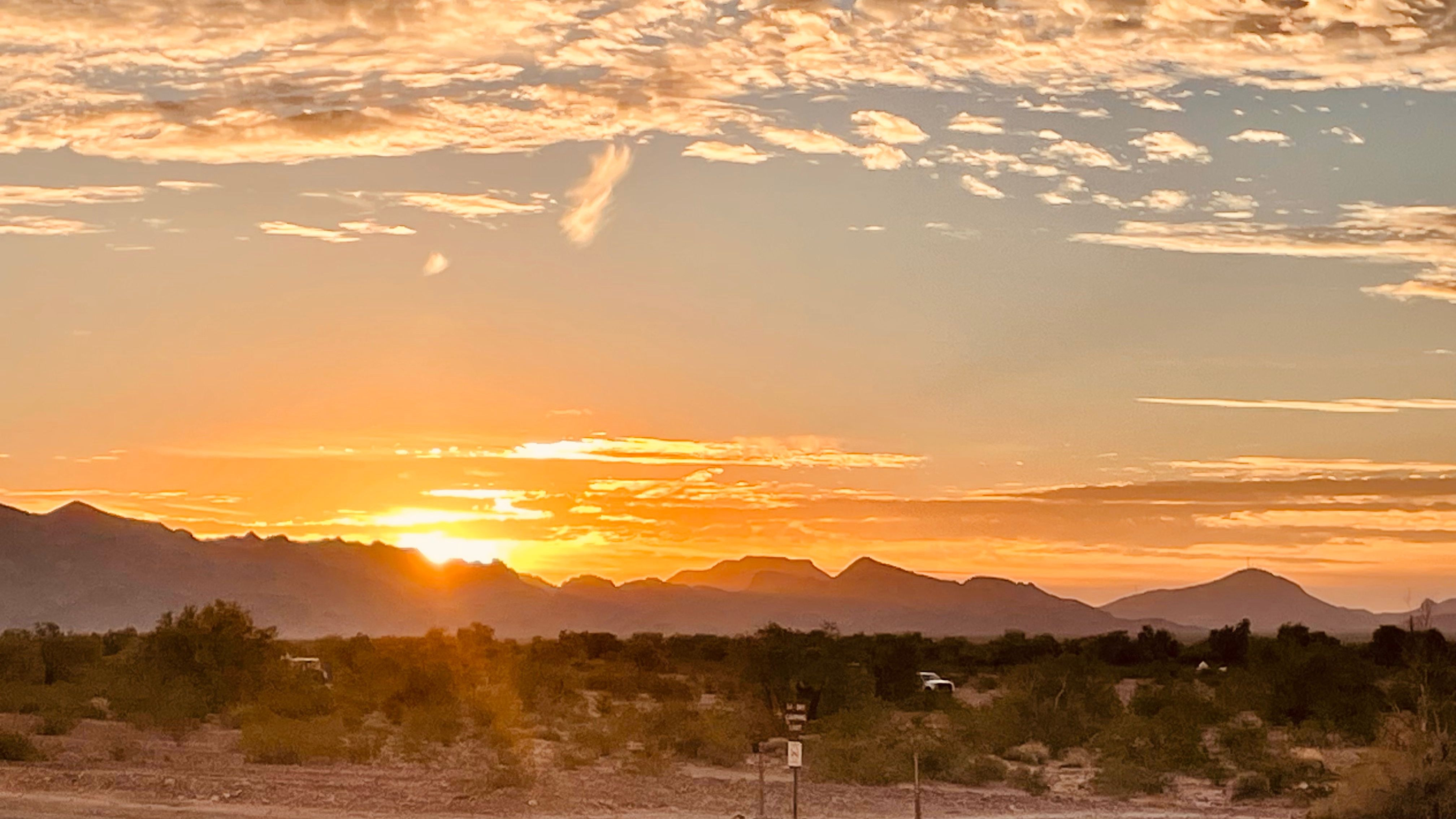
Every year seems to move faster than the last, but 2025 felt like it moved at highway speed. From desert mornings at Boyce Thompson Arboretum to lake days in Ontario, new states on the map, mechanical challenges, and finally settling into winter life on a quiet Mexican beach — this year reminded us why we chose this life.


Winter & Spring in the Arizona Desert

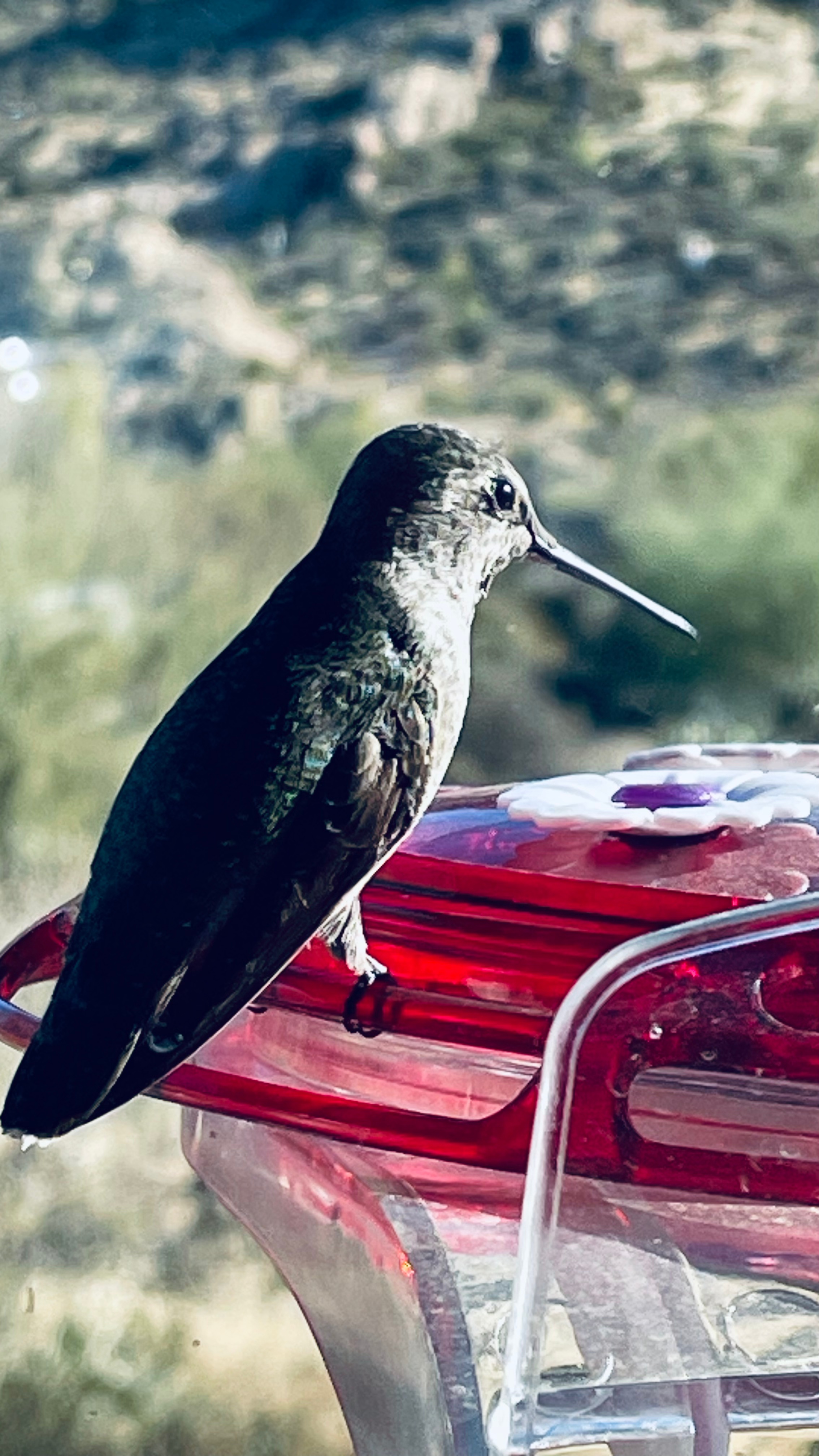
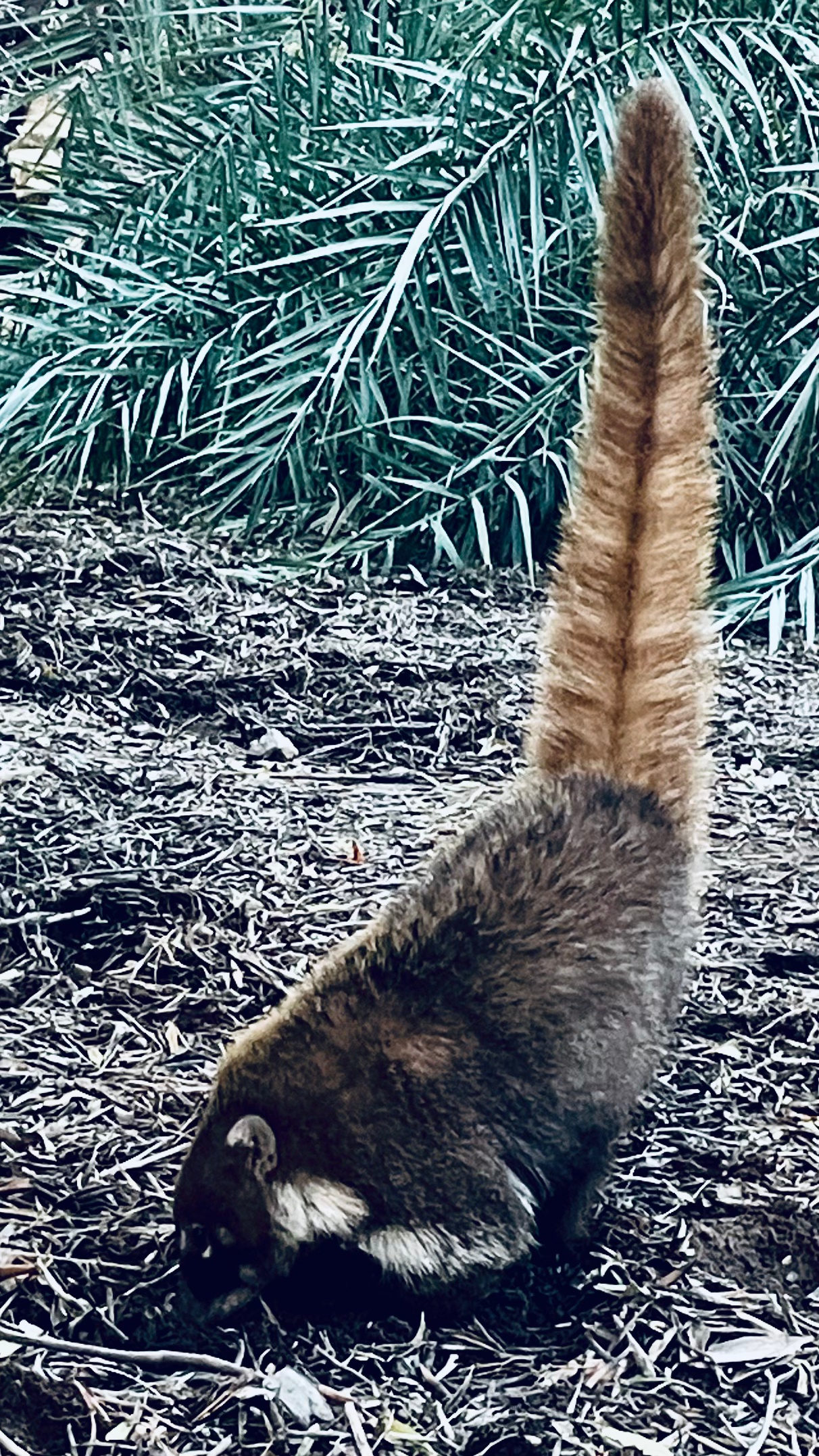
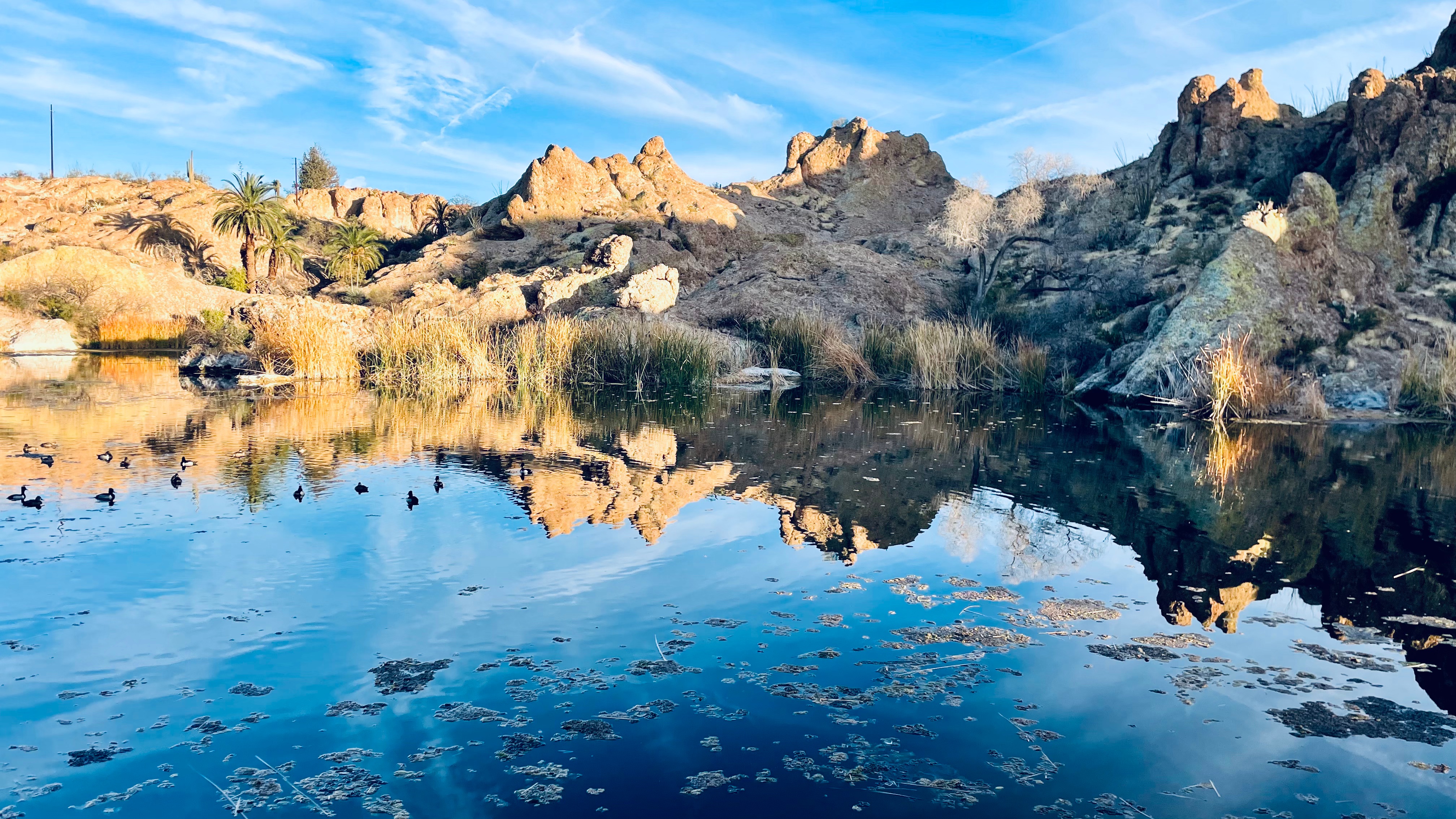
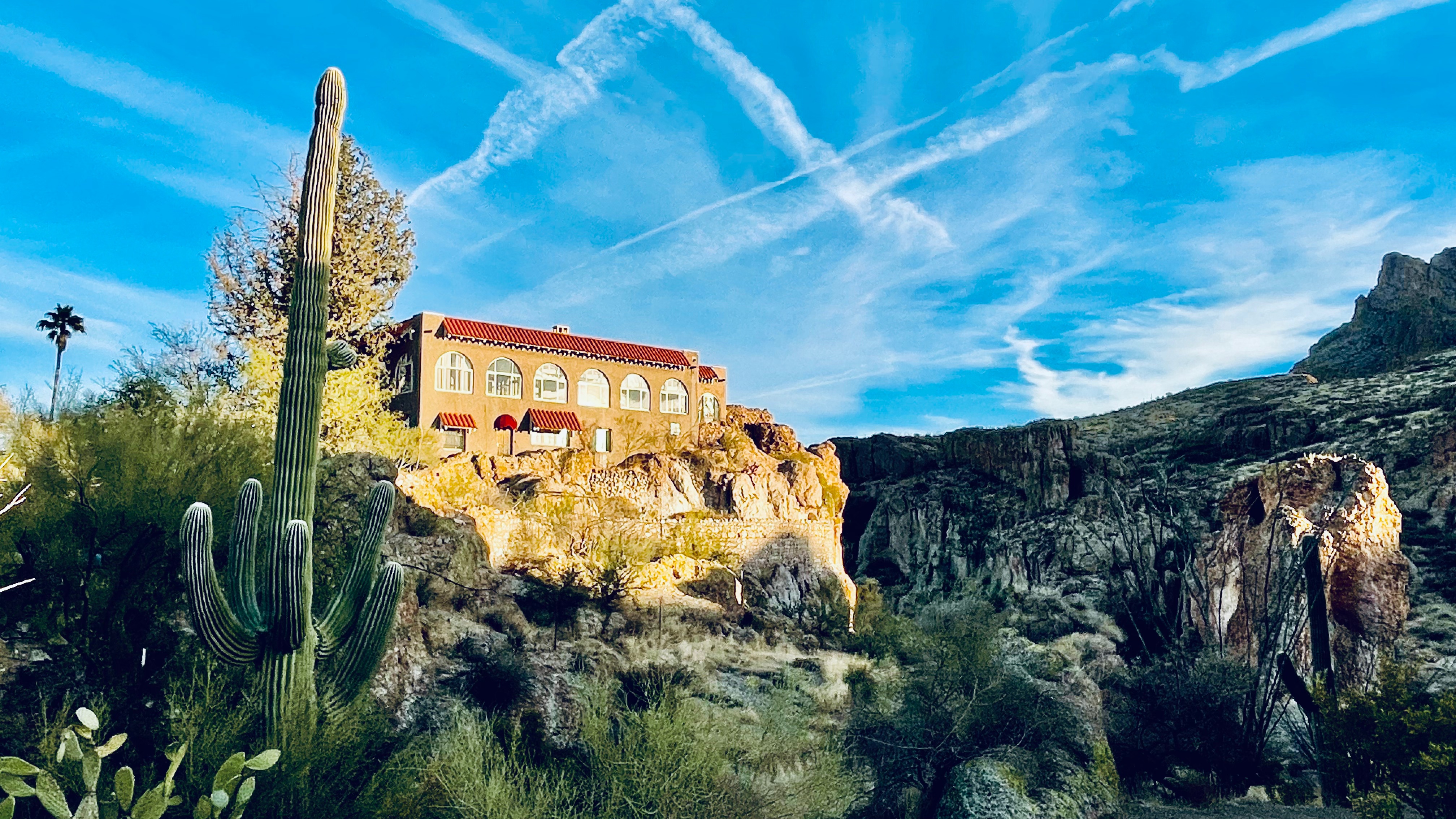
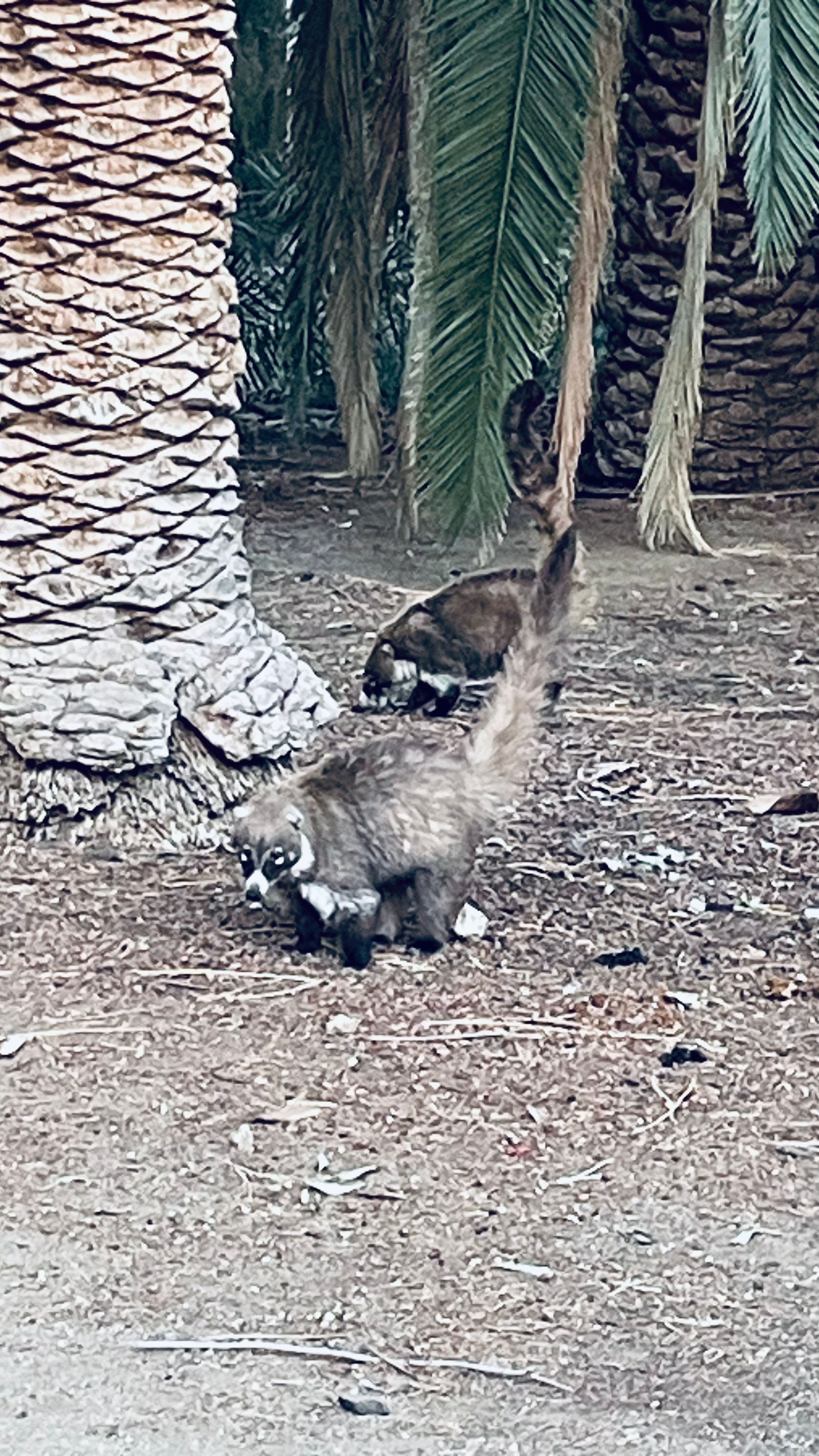
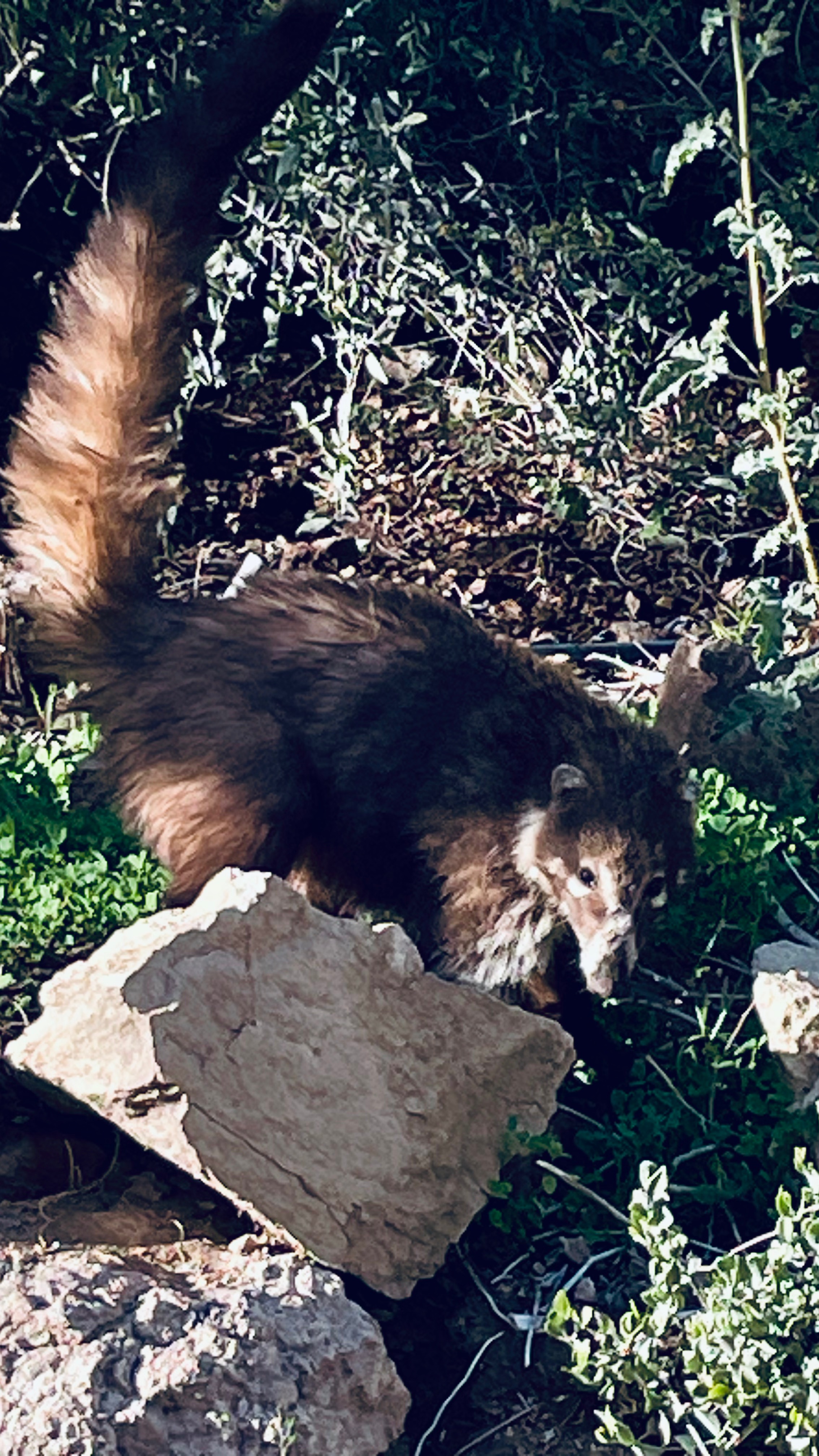
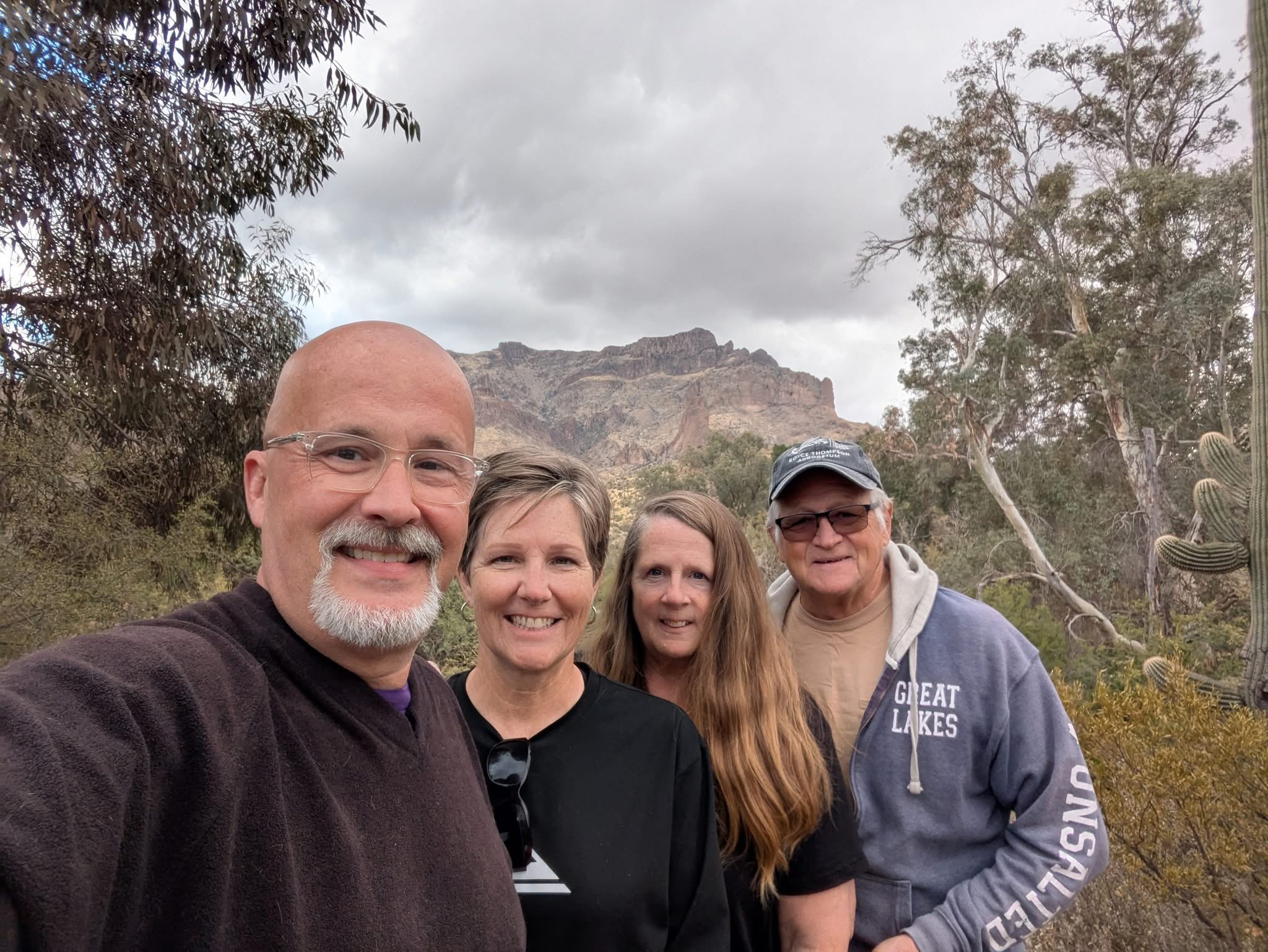
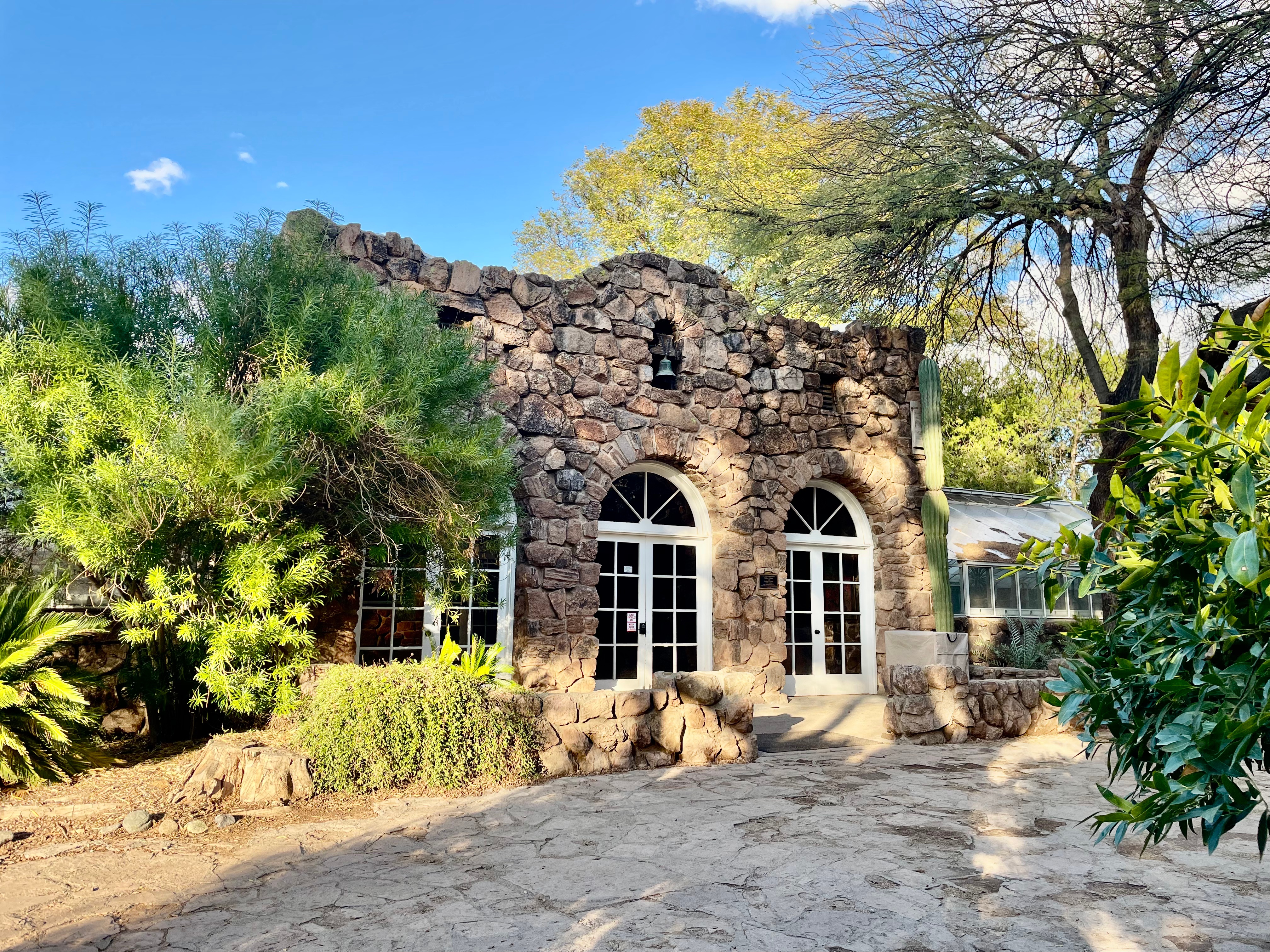
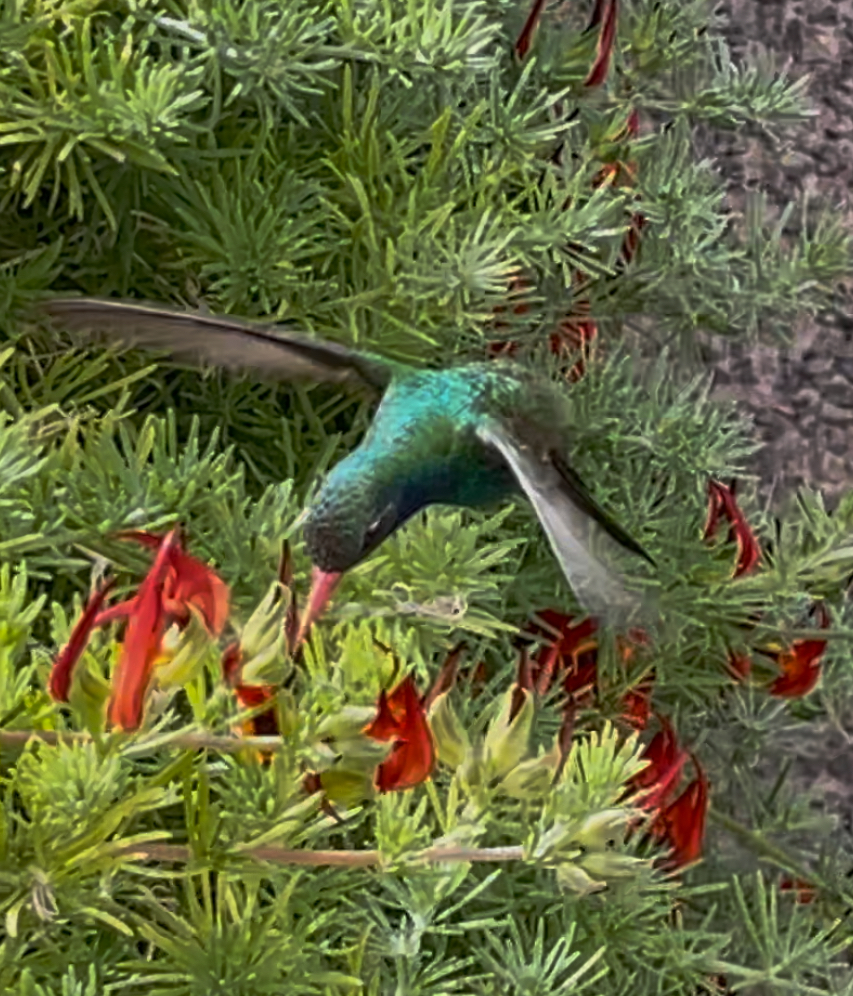
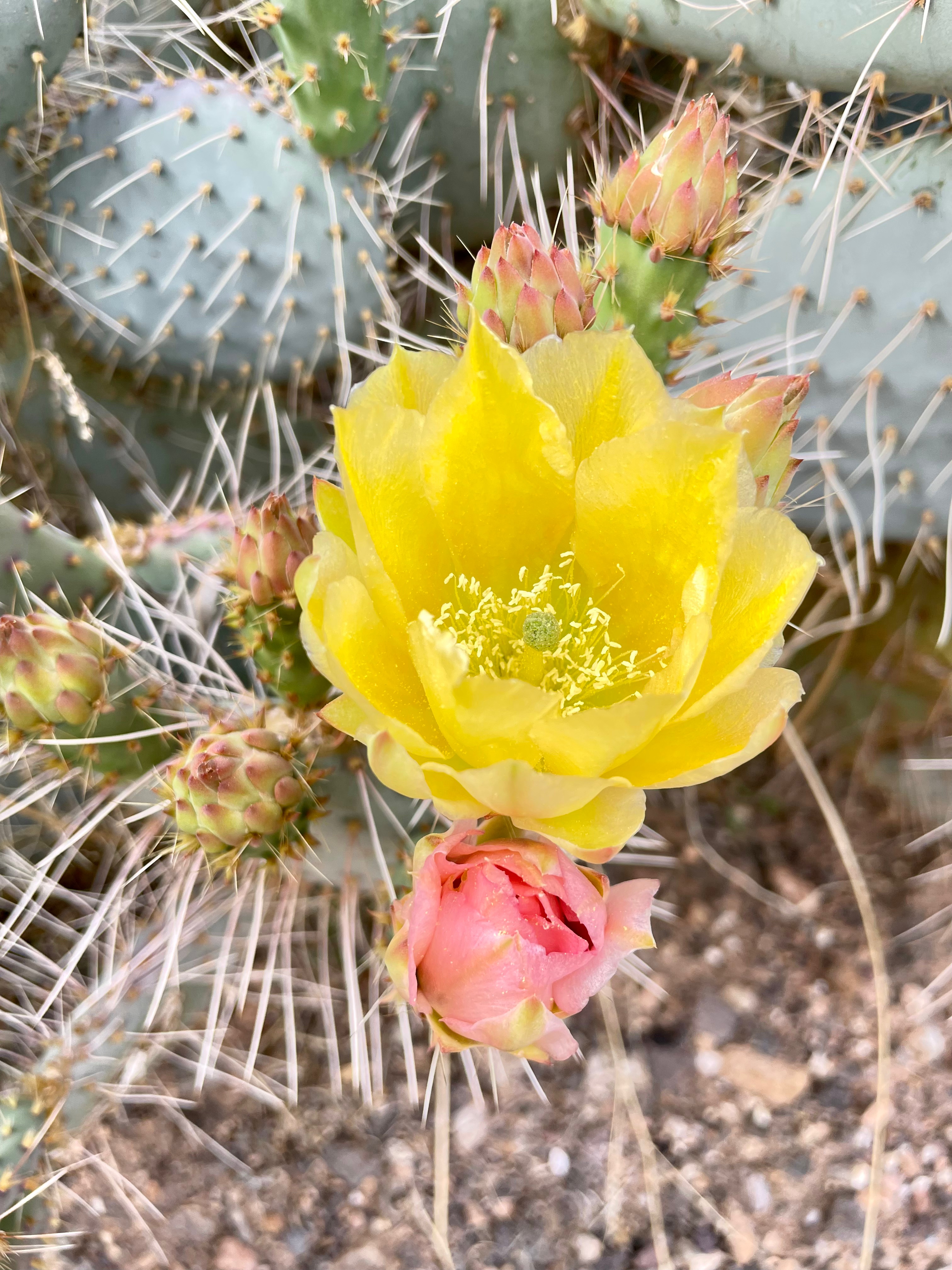
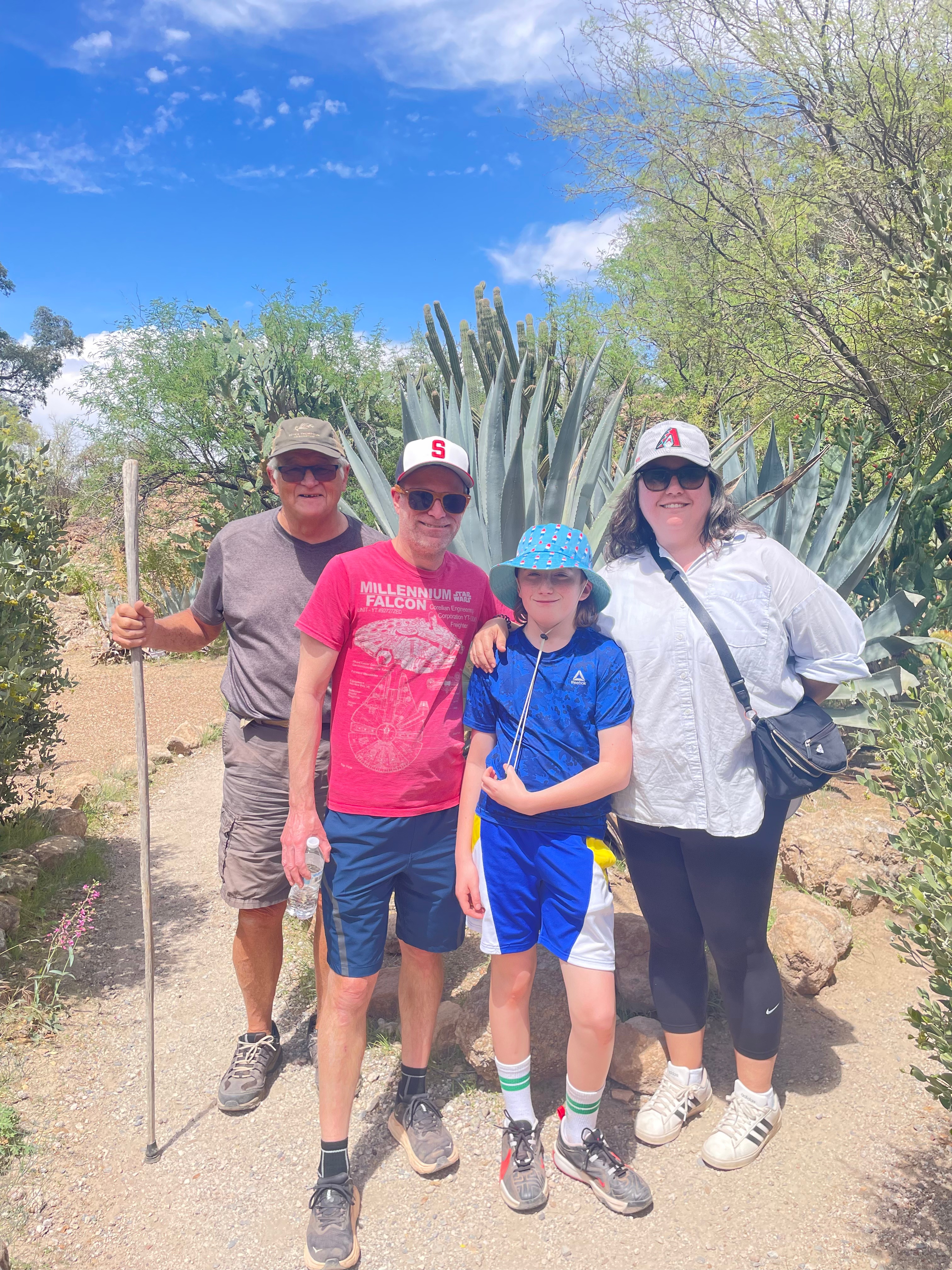
We started the year camped and volunteering once again at Boyce Thompson Arboretum. The desert welcomed us back with cactus blossoms, hummingbirds at the feeders, and the ever-present coati wandering through the grounds. Miss Laurie spent plenty of time rock hounding, while we both enjoyed the familiar rhythm of volunteer life.

January through March were filled with great company and simple adventures:

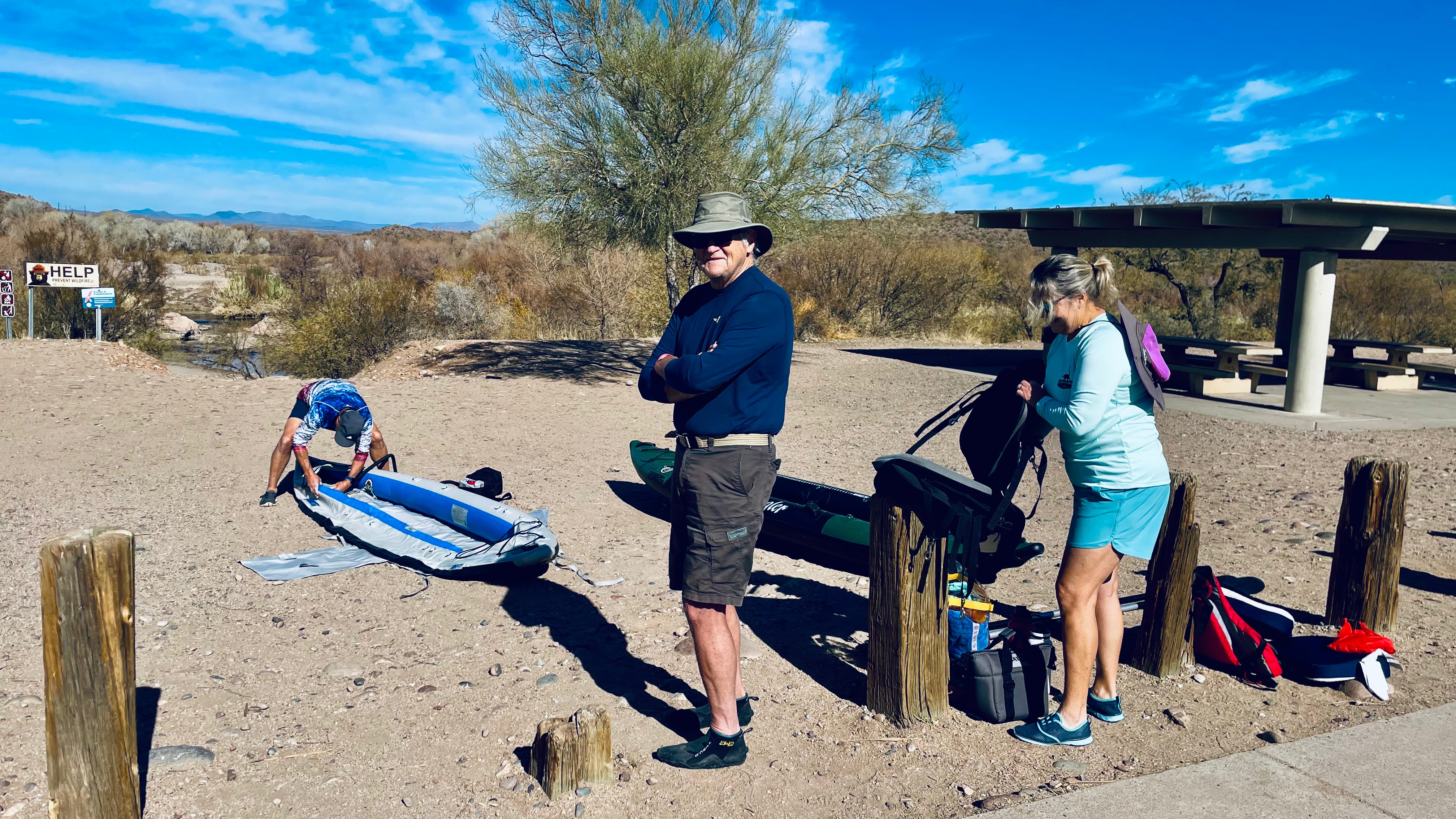
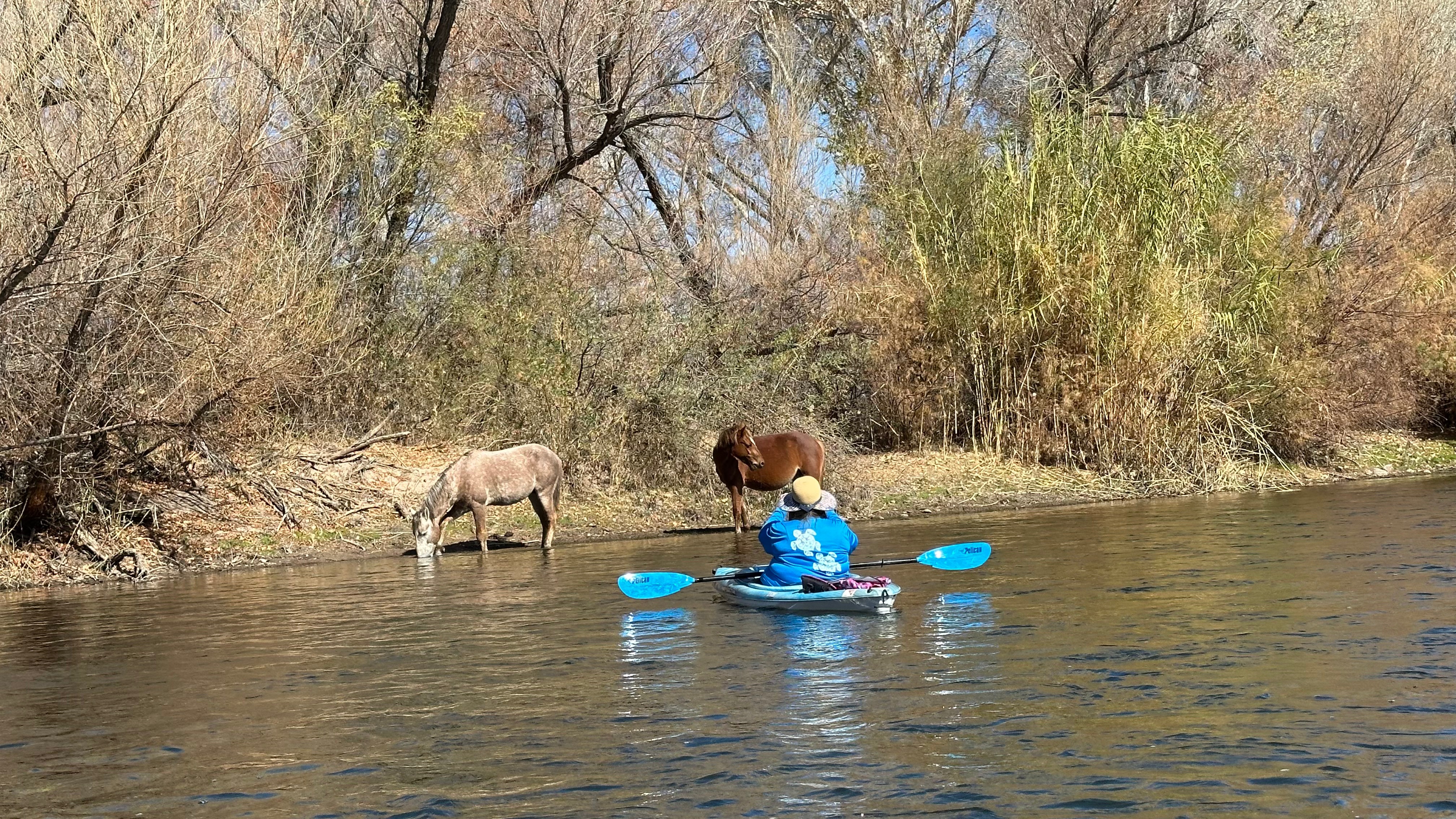
  • Kayaking the Lower Salt River with Ray & Karen, watching wild horses along the banks
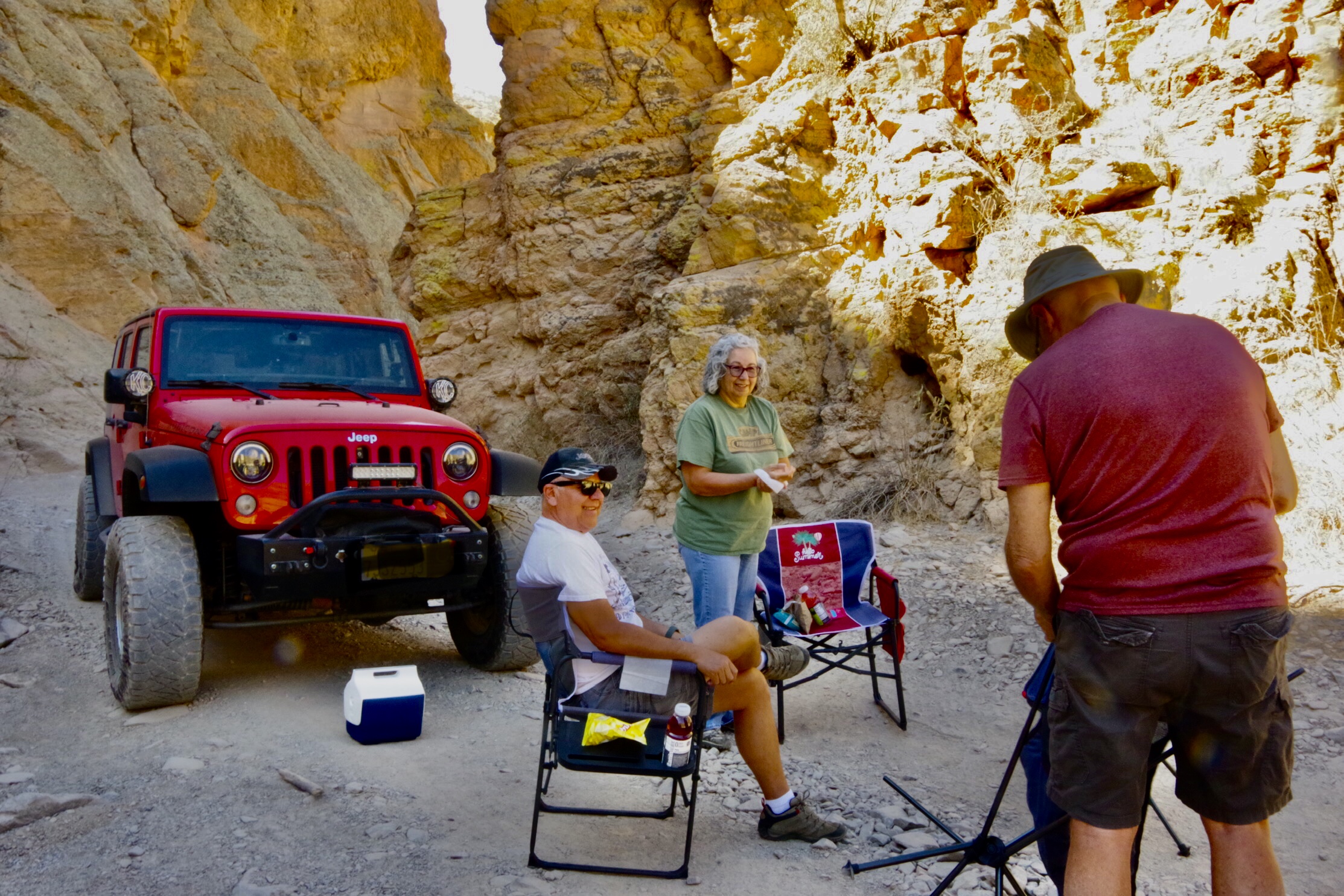
  • Off-roading Box Canyon with Al & Carmen, followed by unforgettable Mexican food
  • Visits with friends in Show Low, Tucson, and Gilbert

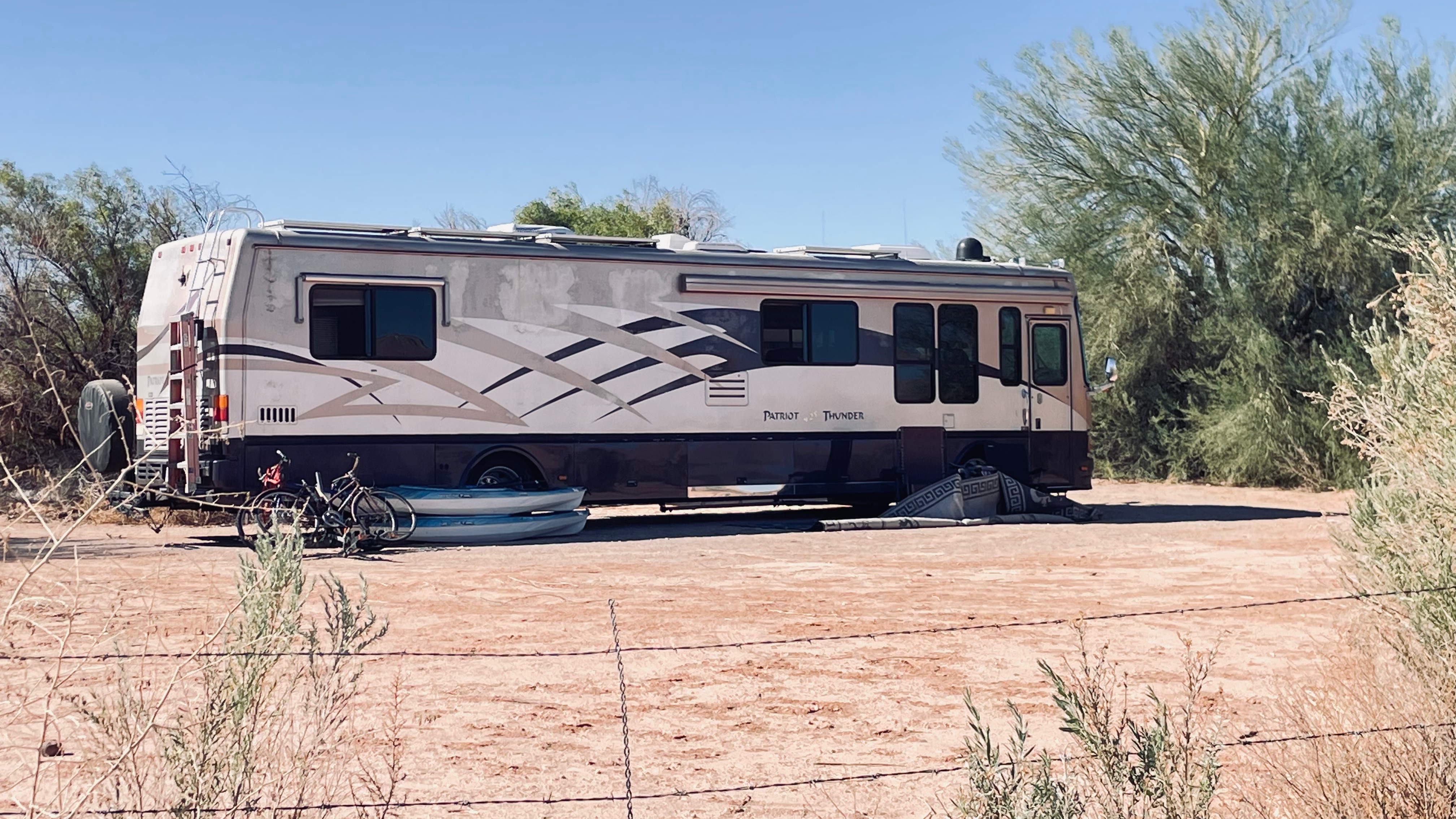
Of course, no season is complete without a mechanical lesson. A leaking freshwater tank on Thunder turned into a full replacement, along with a new SeeLevel tank monitoring system.


Saying Goodbye & Heading East

April marked our final month at the Arboretum. A volunteer thank-you dinner, final walks among blooming cactus, and a special highlight — watching my grandson Andrew play baseball during a Phoenix tournament — made the goodbye meaningful and bittersweet.

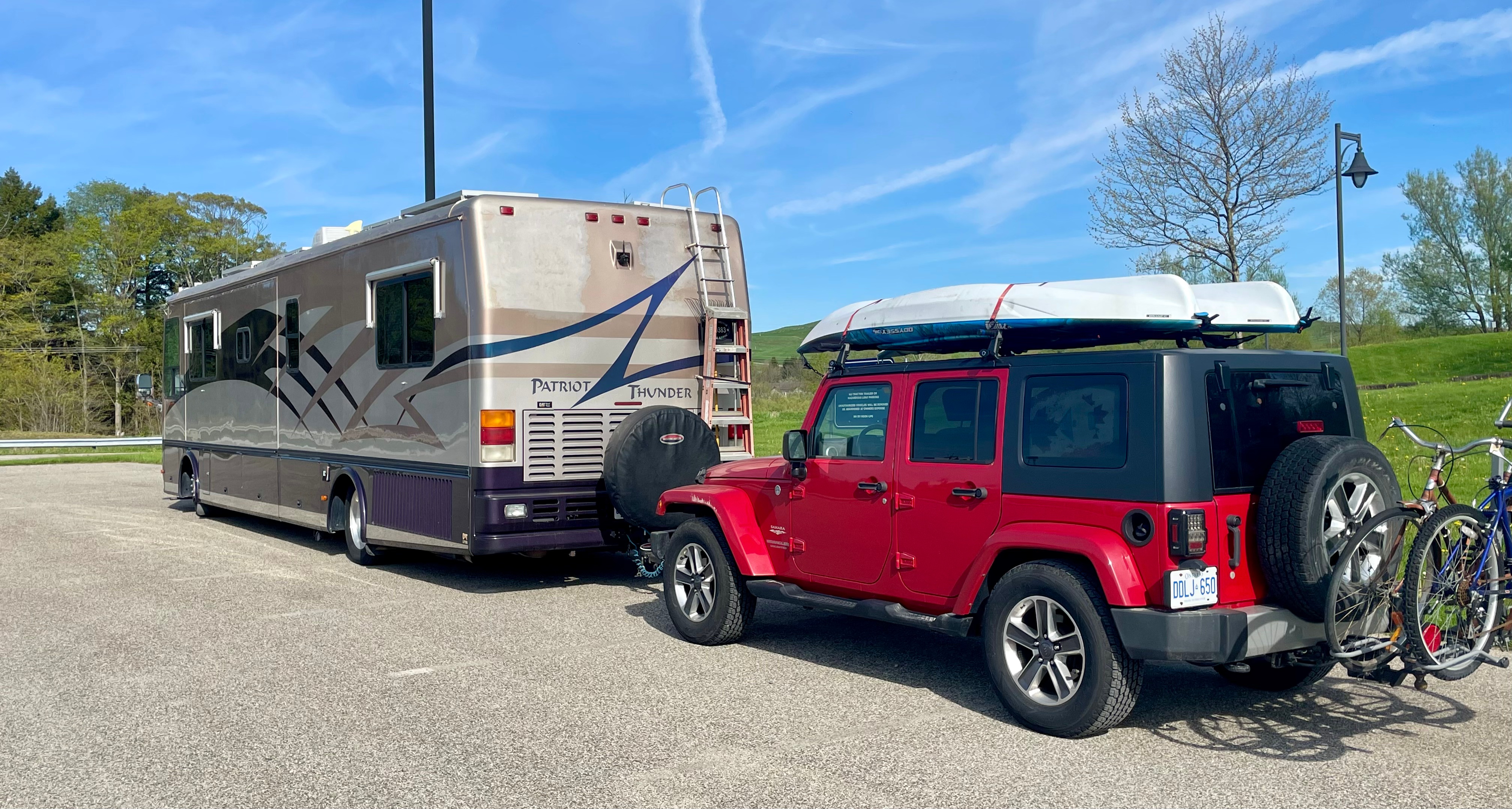
On April 28, we turned Thunder east and began our spring migration back to Ontario.

The journey was a familiar patchwork of:

  • Walmart and Cracker Barrel overnights
  • Welcome centers and Harvest Hosts
  • Visits with friends and family along the way

We crossed back into Canada on May 8, settling into short stays until our summer site became available.


Summer at Sunni Bank RV Park

By mid-May, we arrived at Sunni Bank RV Park in Ontario, where summer truly began. Reconnecting with longtime friends Bob & Irena turned into a season full of laughter, food, and friendly competition.

Highlights included:

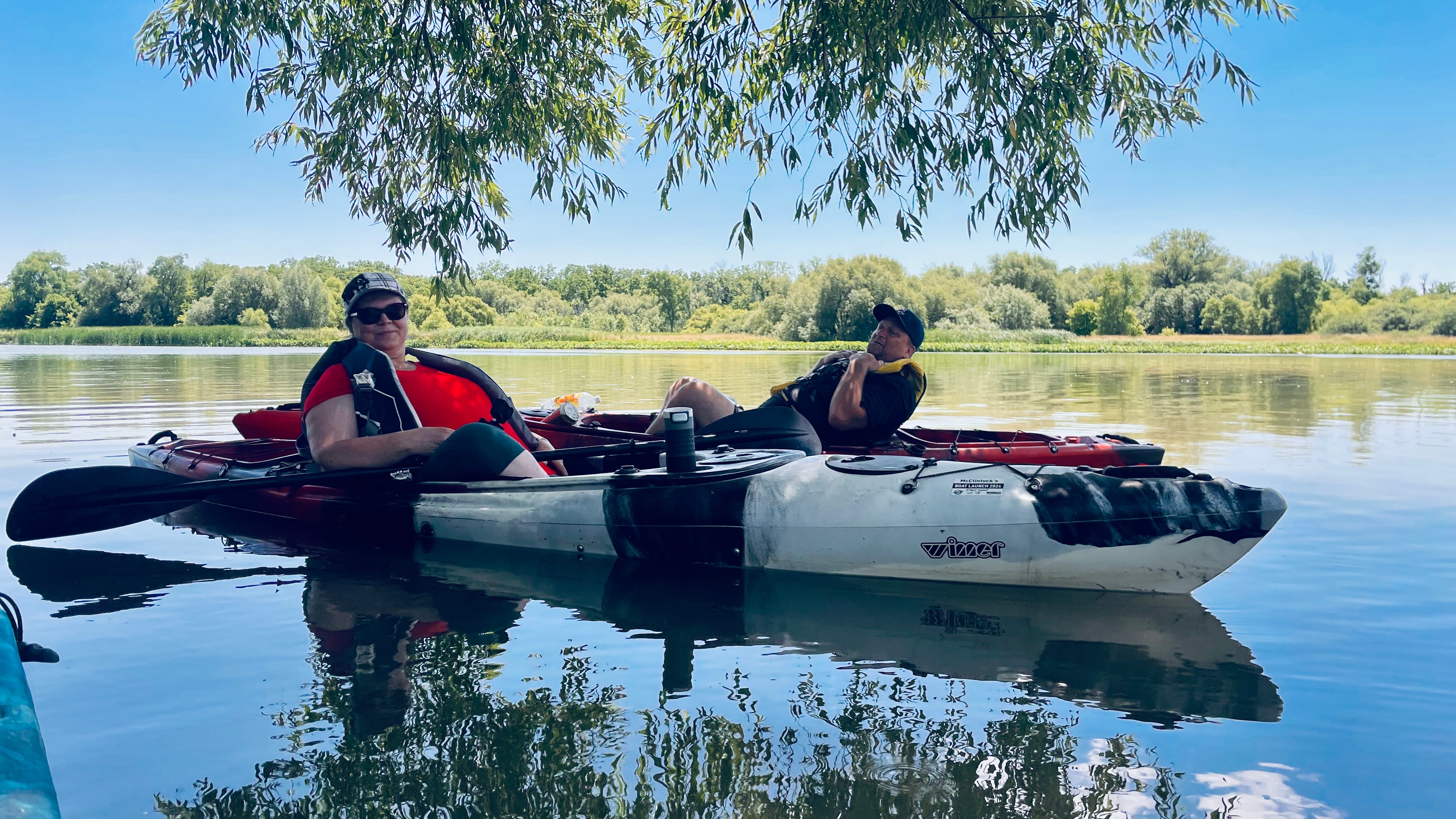
  • Kayaking the Grand River
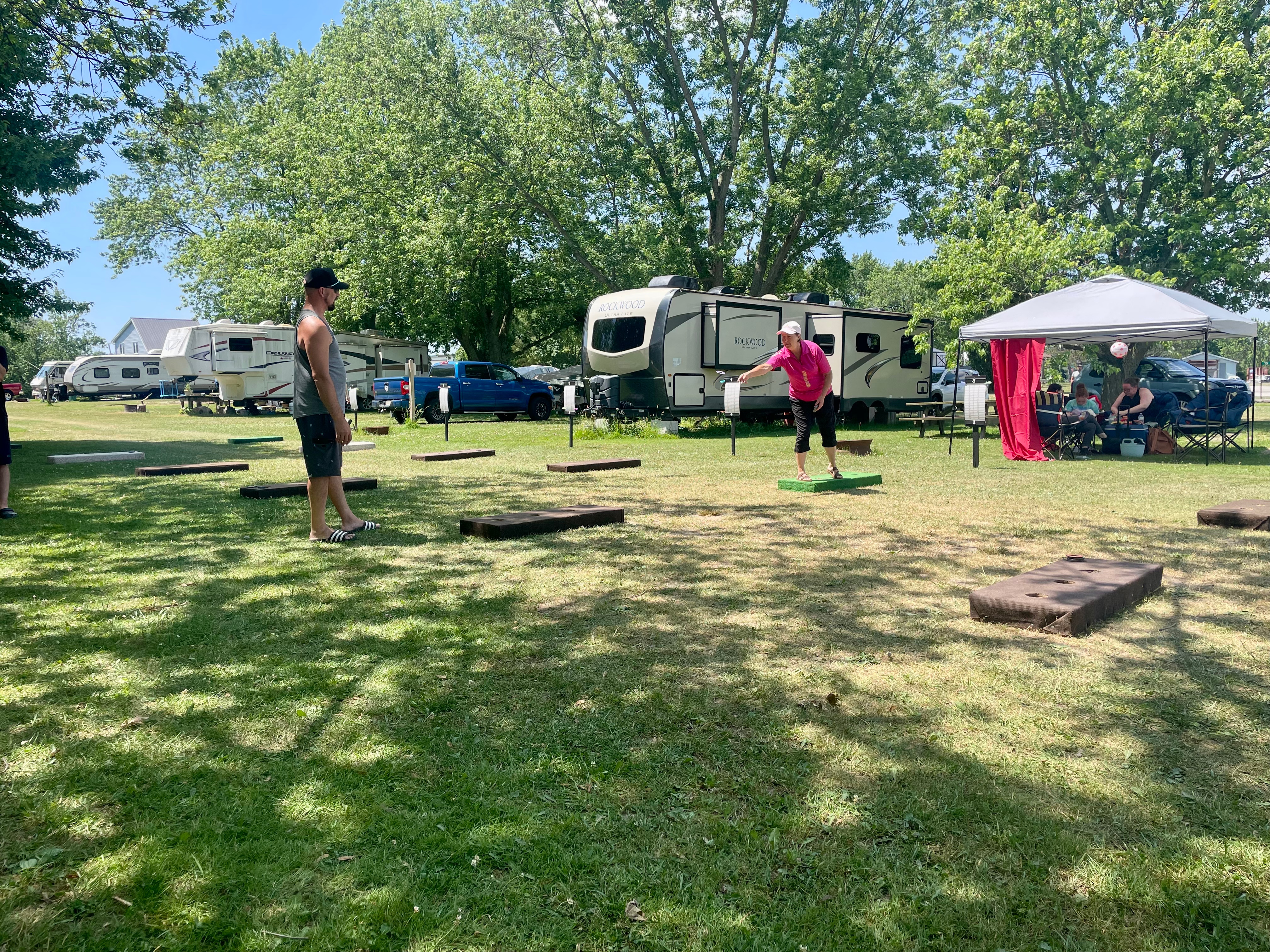
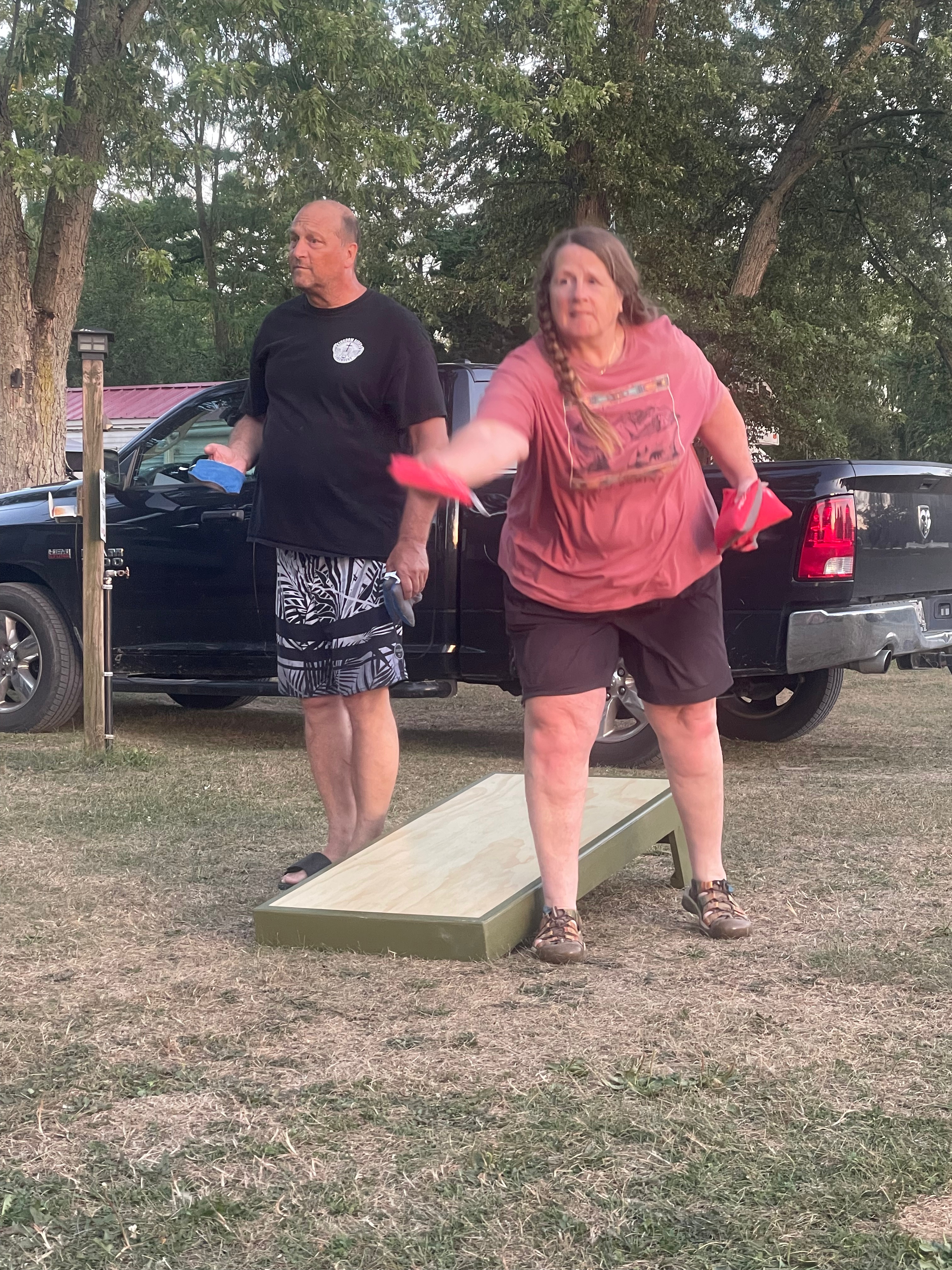
  • Cornhole and washer board tournaments
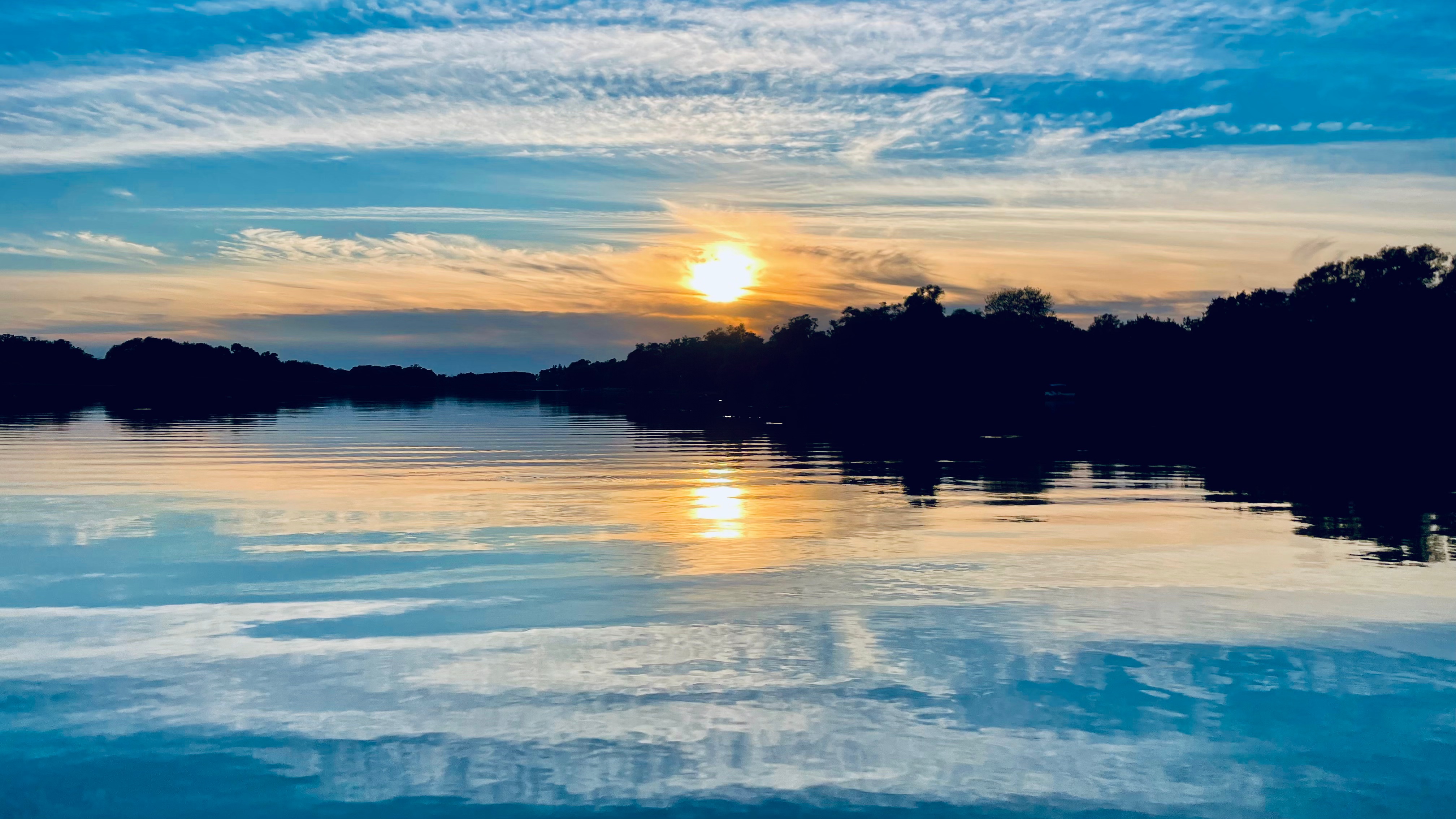
  • Campfires and sunset conversations
  • An ongoing (very serious) search for the best Lake Erie perch

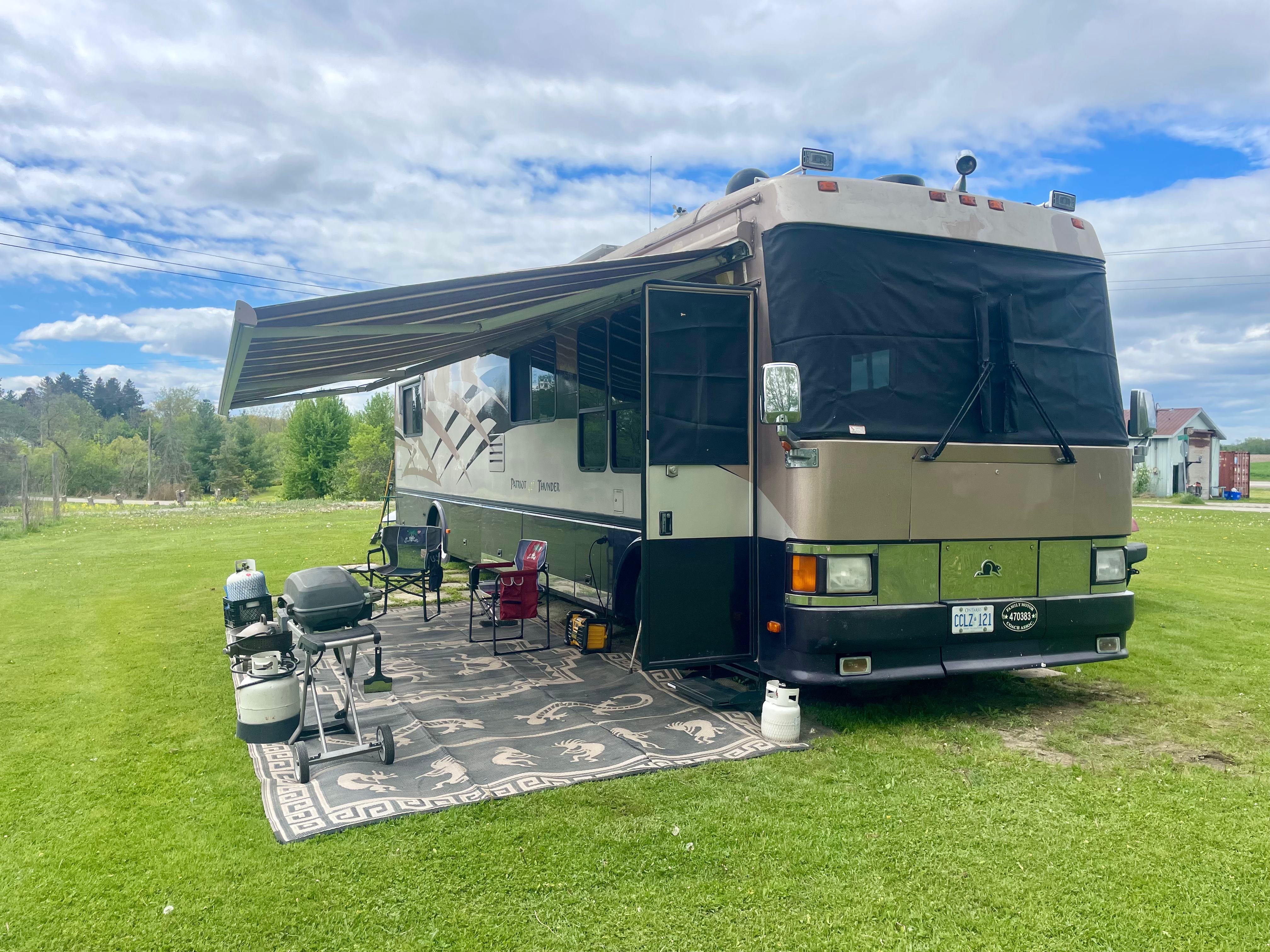
Spring rains left Thunder sunk deep enough to break patio stones, and our open site — great for solar and Starlink — came with the challenge of nearby roosters. Still, once settled, it felt like home.


Summer Curveballs & Small Victories

Summer also brought its share of challenges:

  • A leaking washer/dryer valve
  • A burned-out solar charge controller
  • Leveling system switch failures
  • Weak chassis batteries

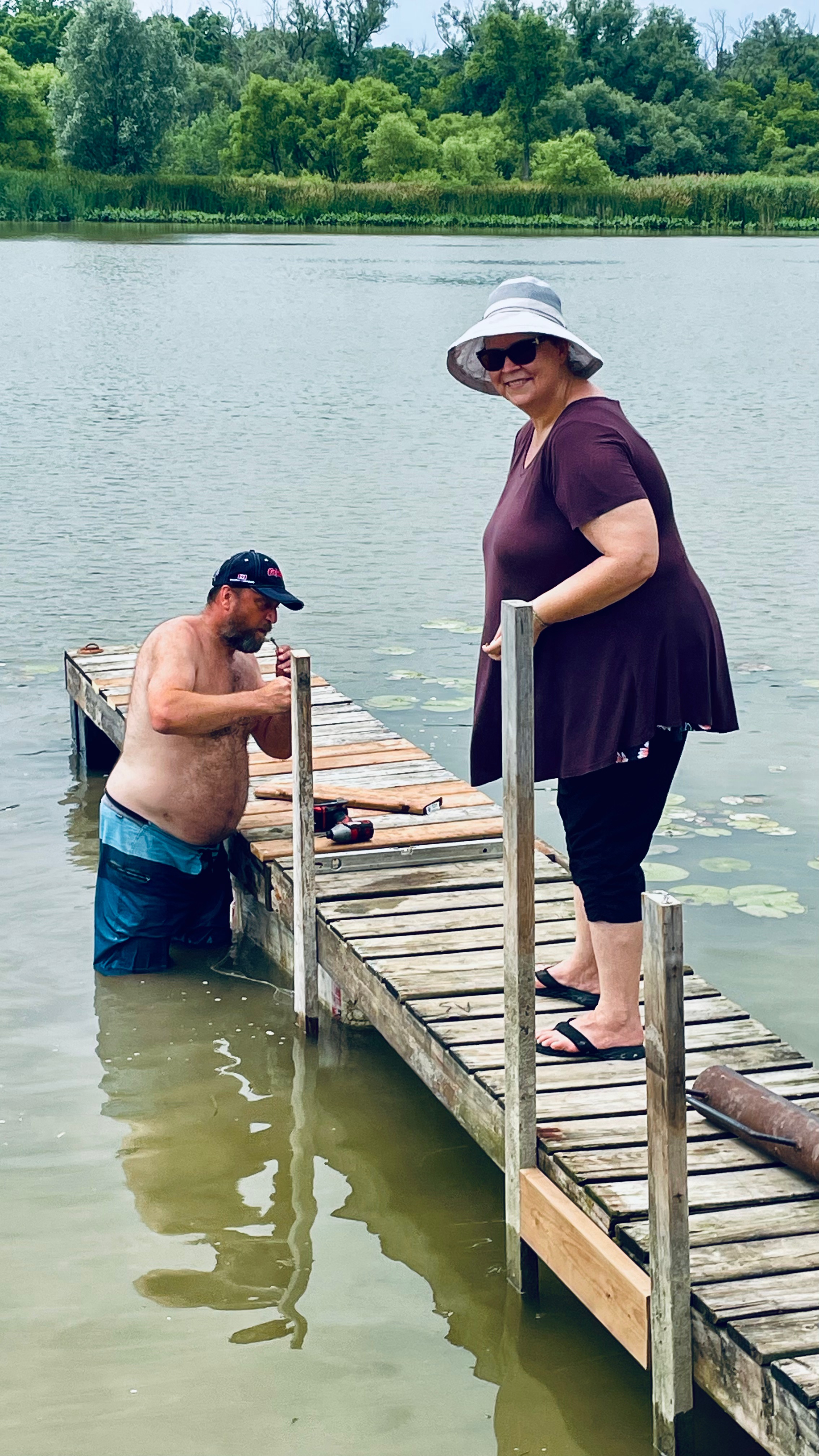
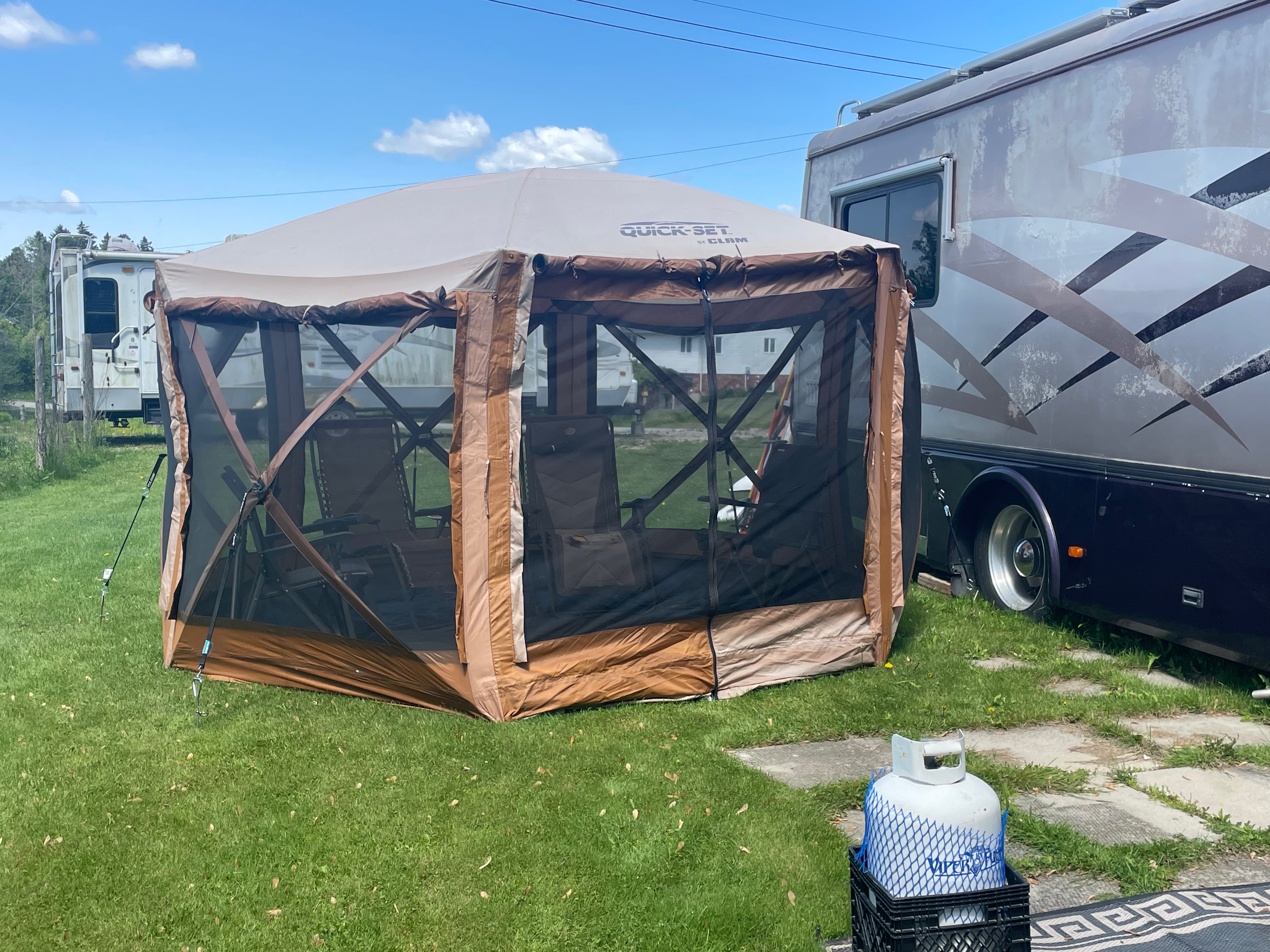
Thanks to persistence, ingenuity, and Bob “knowing a guy,” everything was repaired. We also restored our Clam screen porch — a favorite spot for afternoon naps — and fully embraced cornhole as our new obsession.

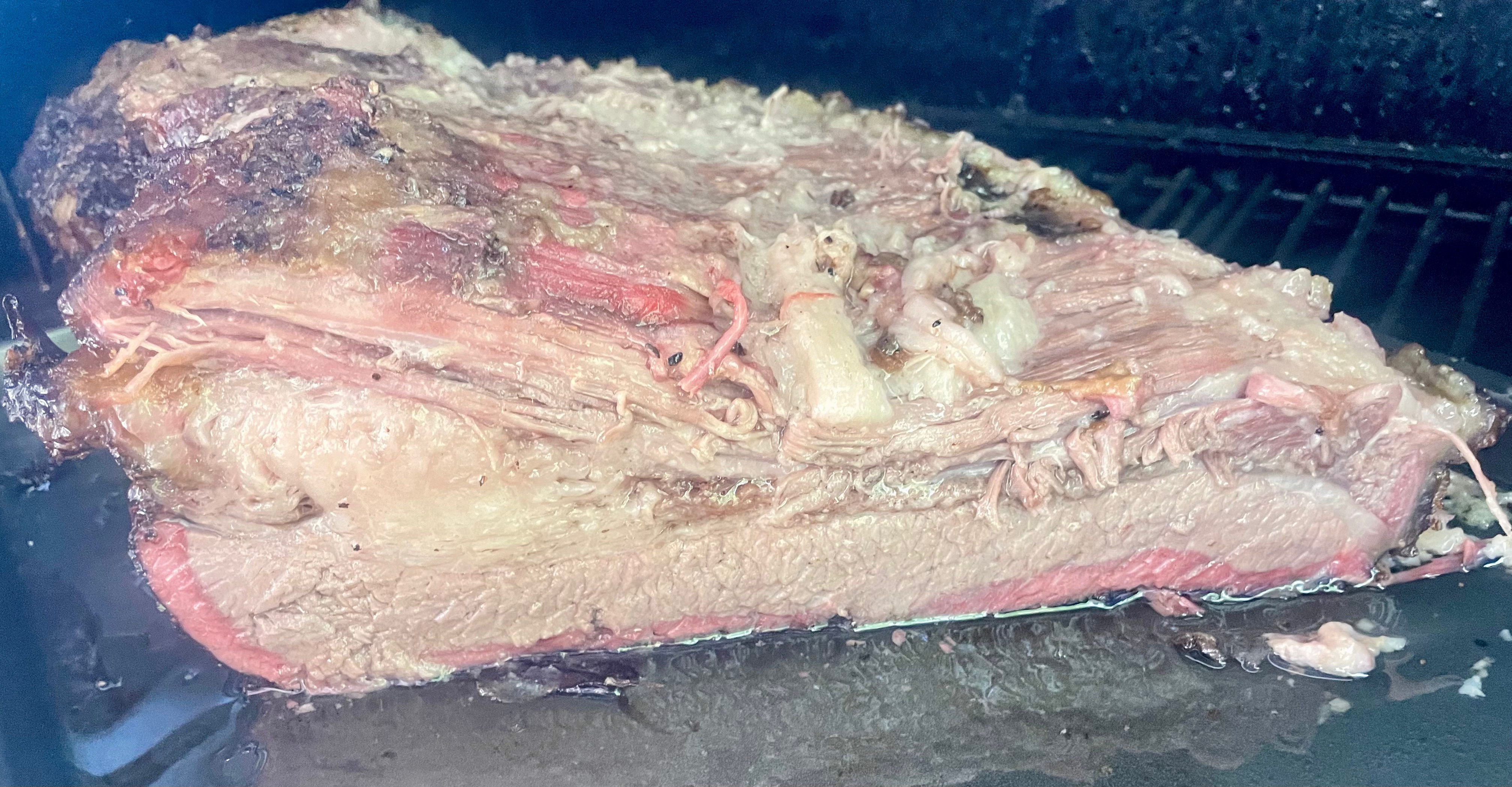
Birthdays were celebrated, briskets were smoked, and long, slow summer days reminded us how important community is on the road.


Fall Travels & New States

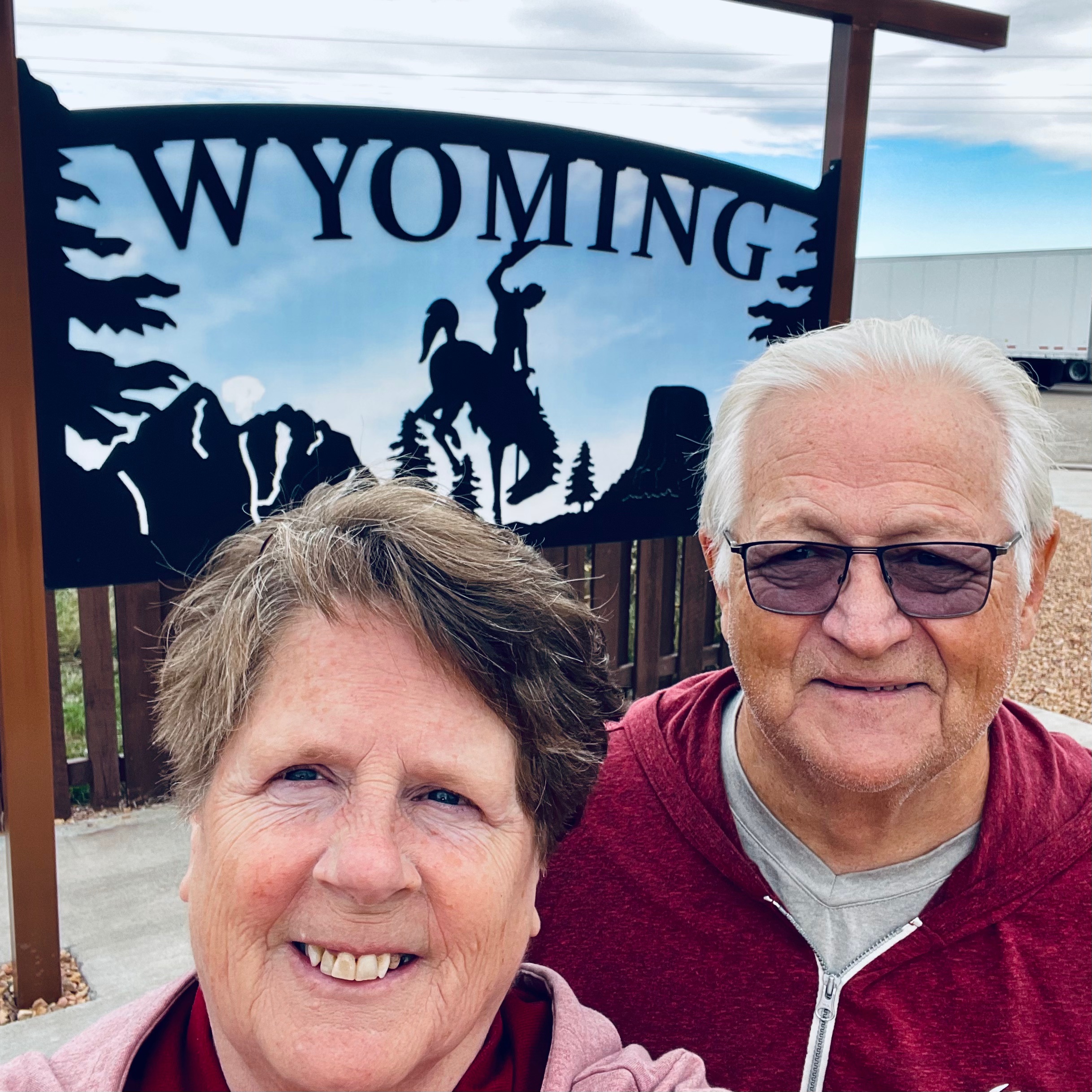
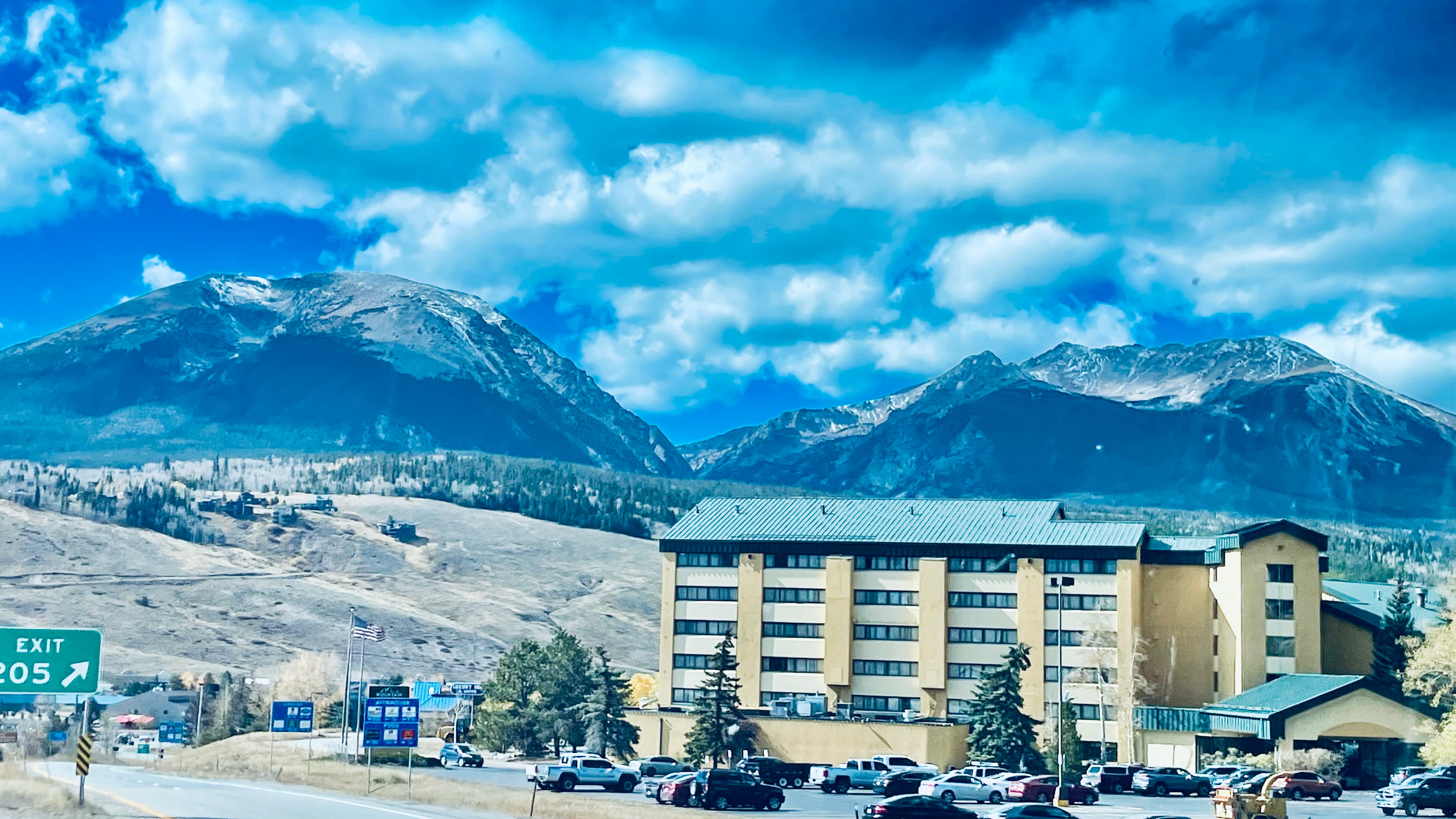
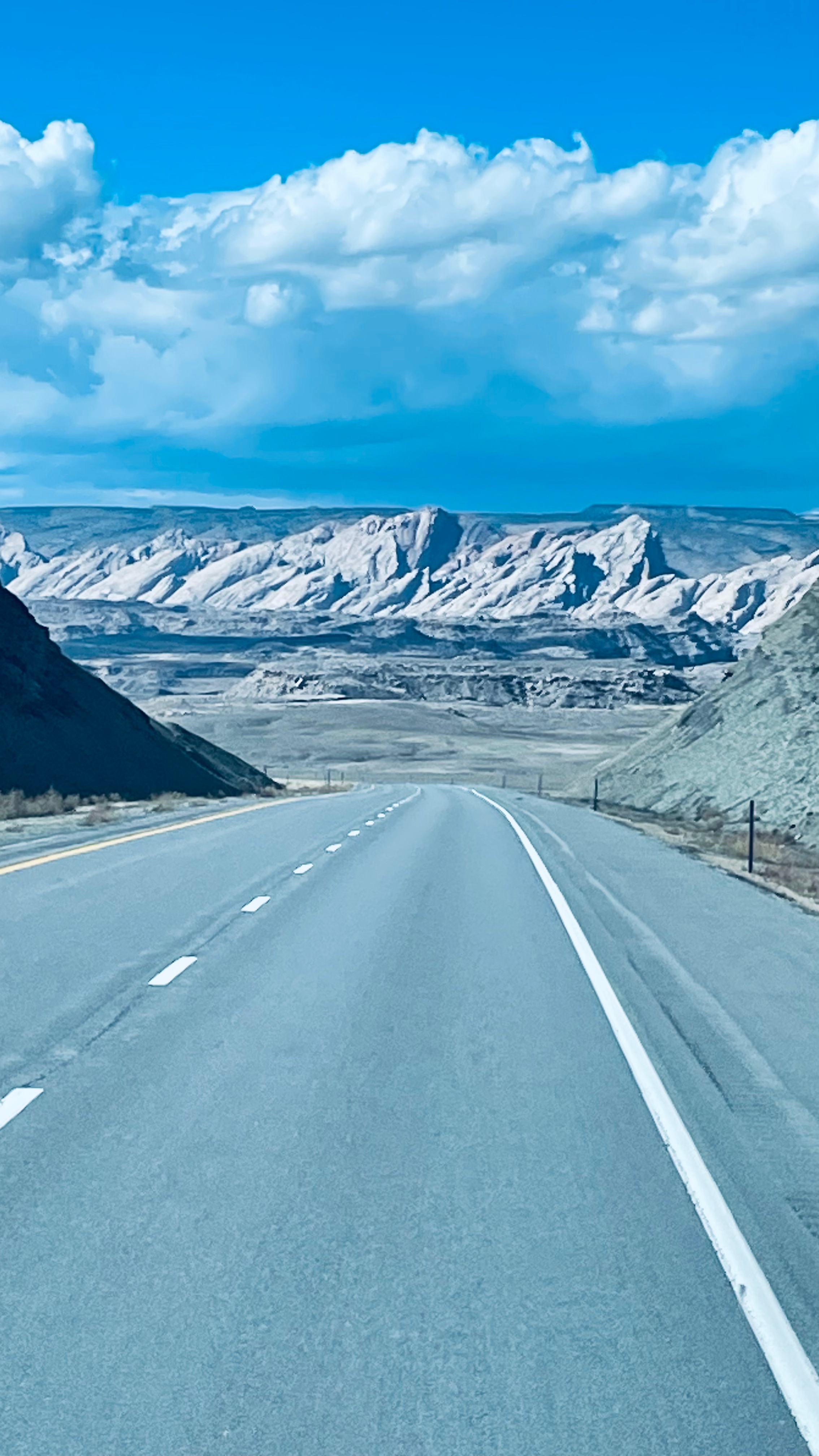
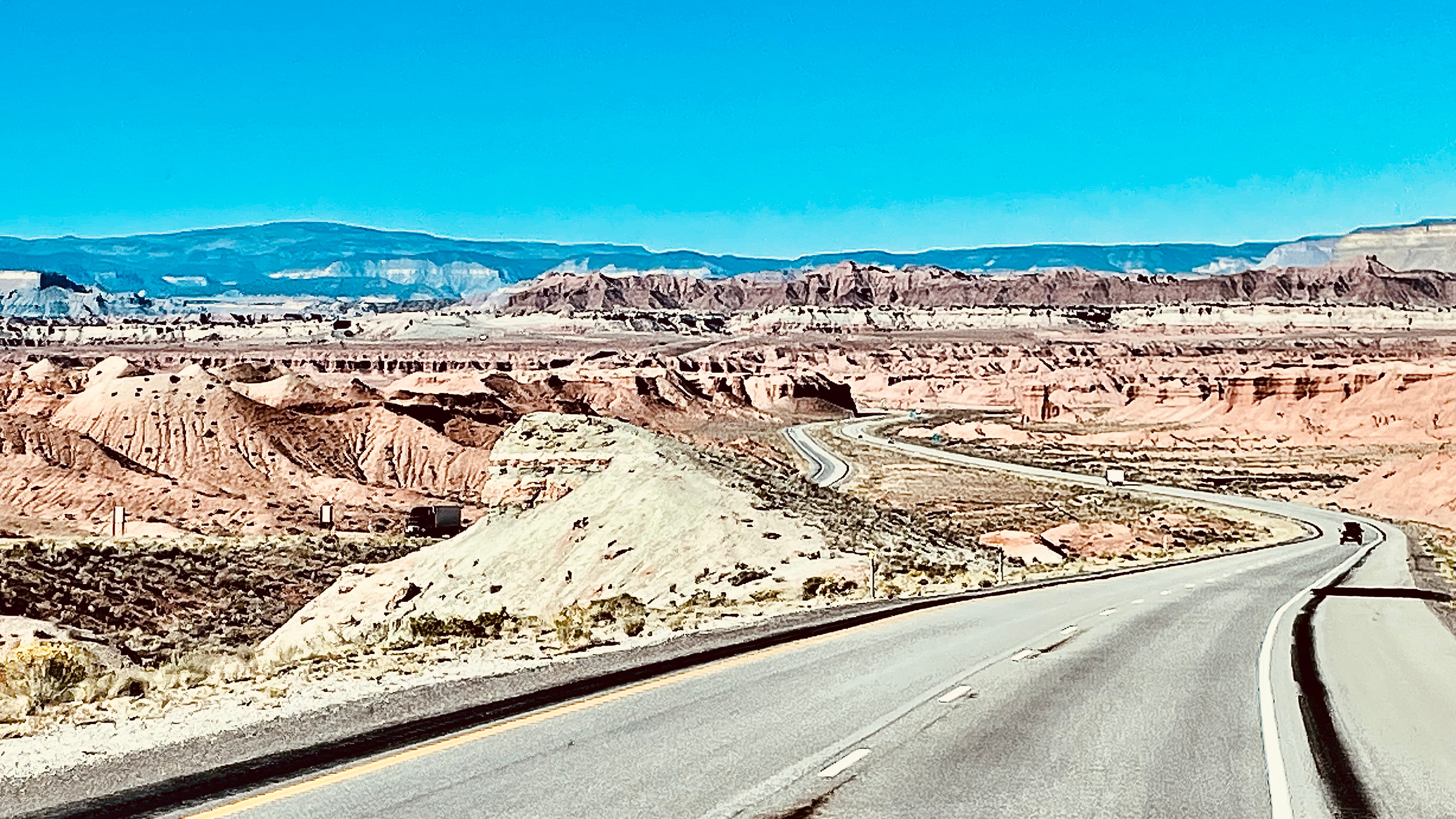
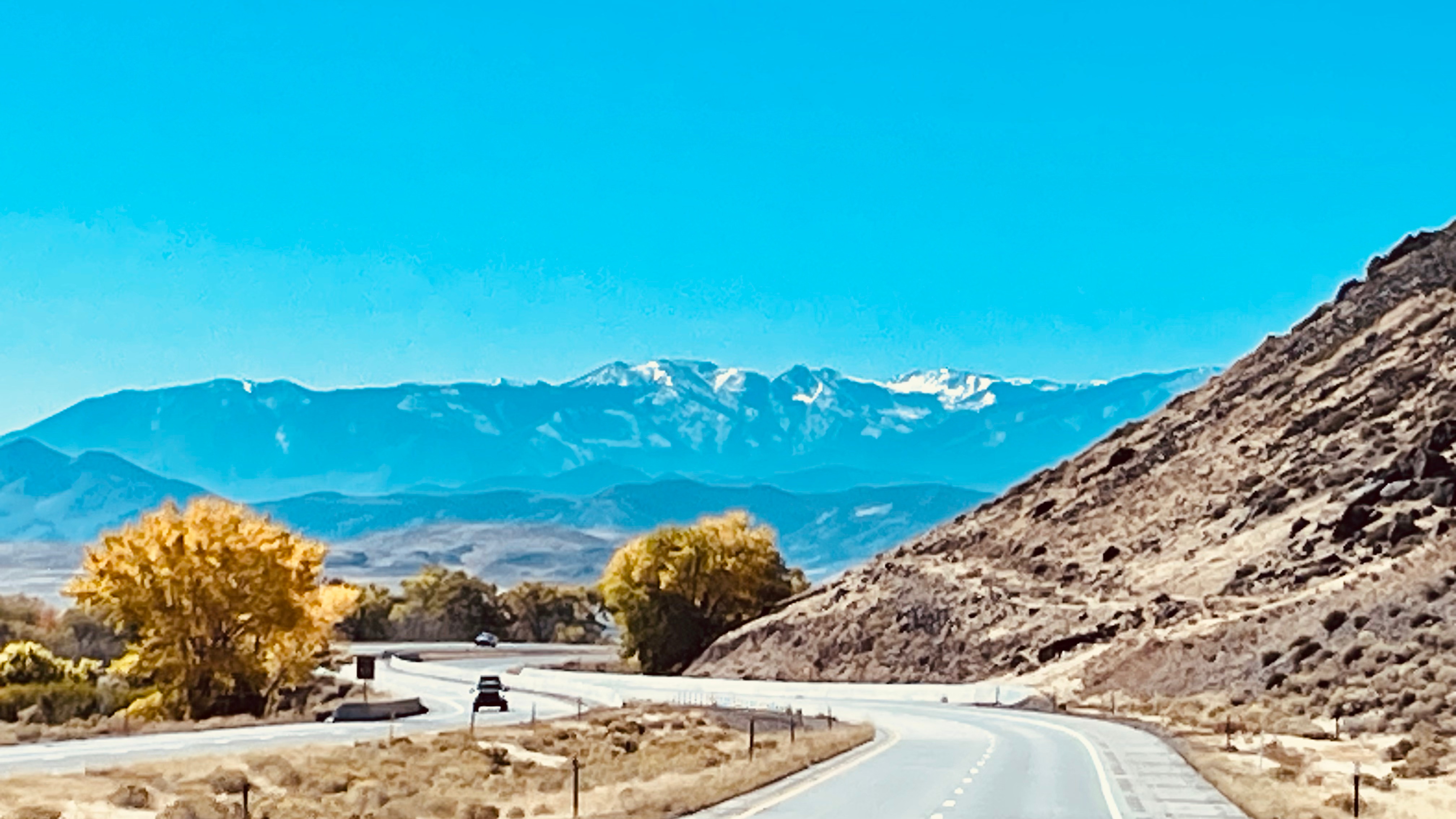
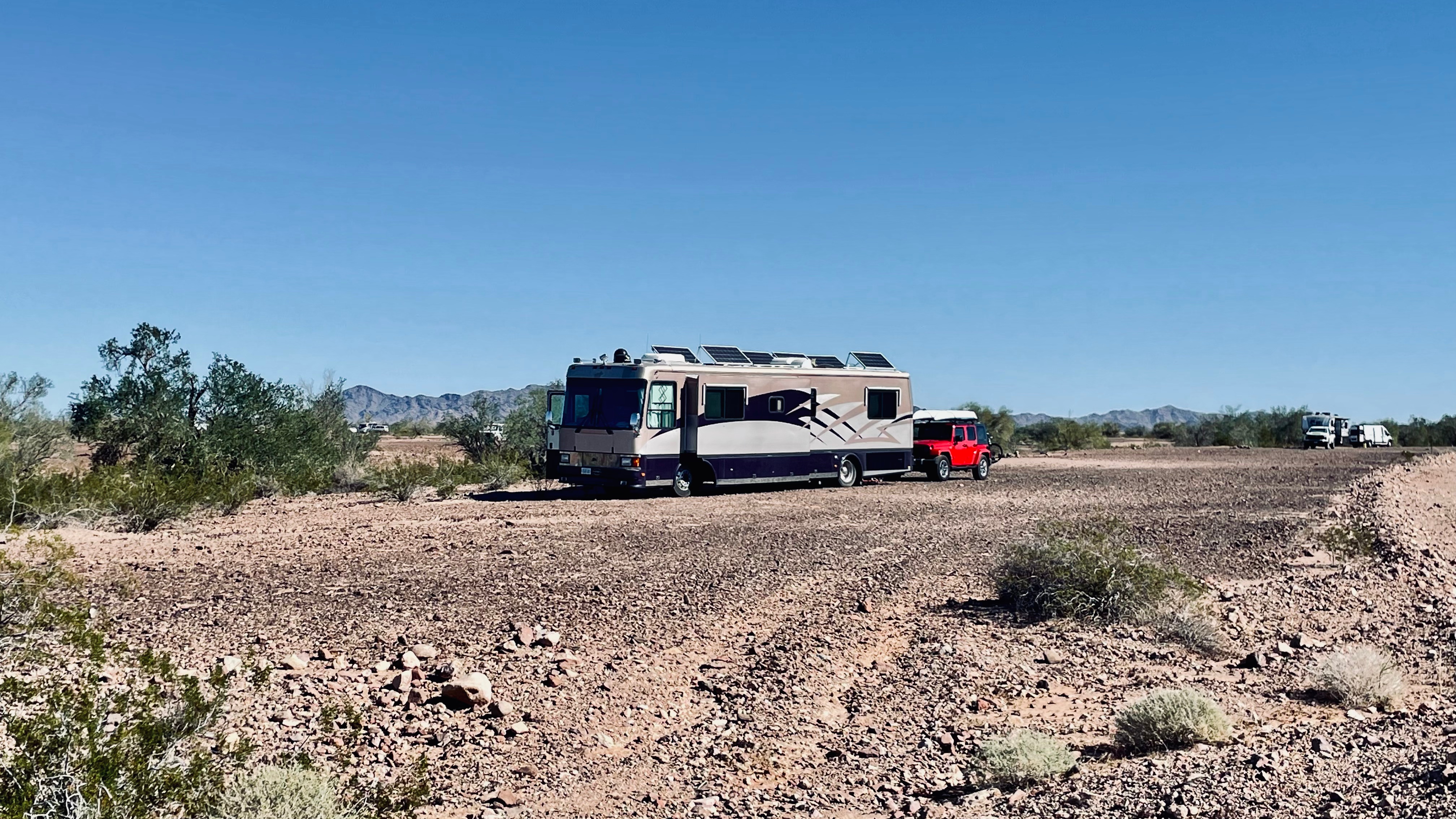
October arrived quickly, and with it, packing up and climbing Thunder out of the spring ruts — literally. From there, we headed west on a new northern route, adding four new states to our travel map:

Nebraska • Wyoming • Colorado • Utah

Highlights included:

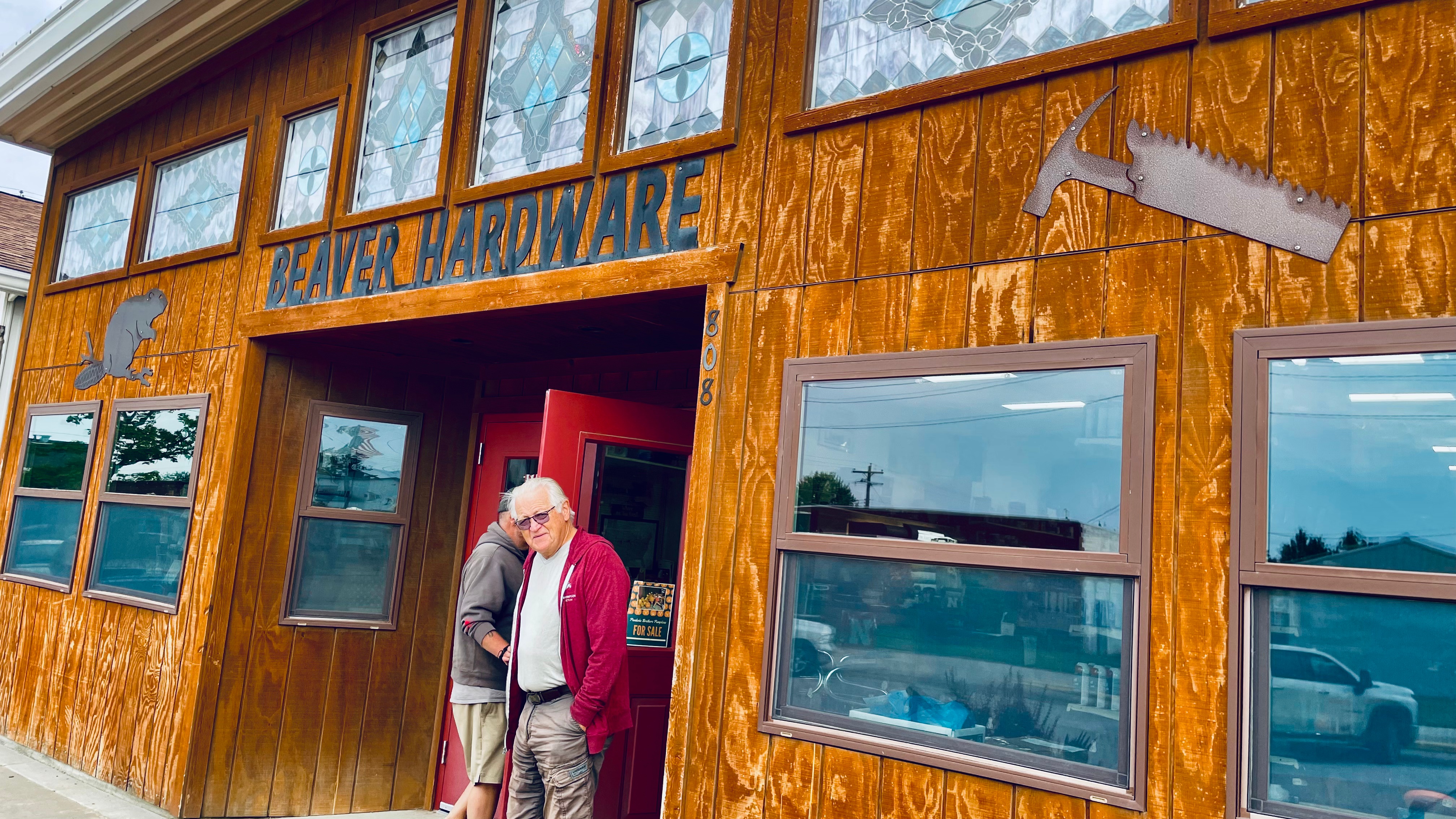
  • A charming $10/night city campground in Beaver Crossing, Nebraska
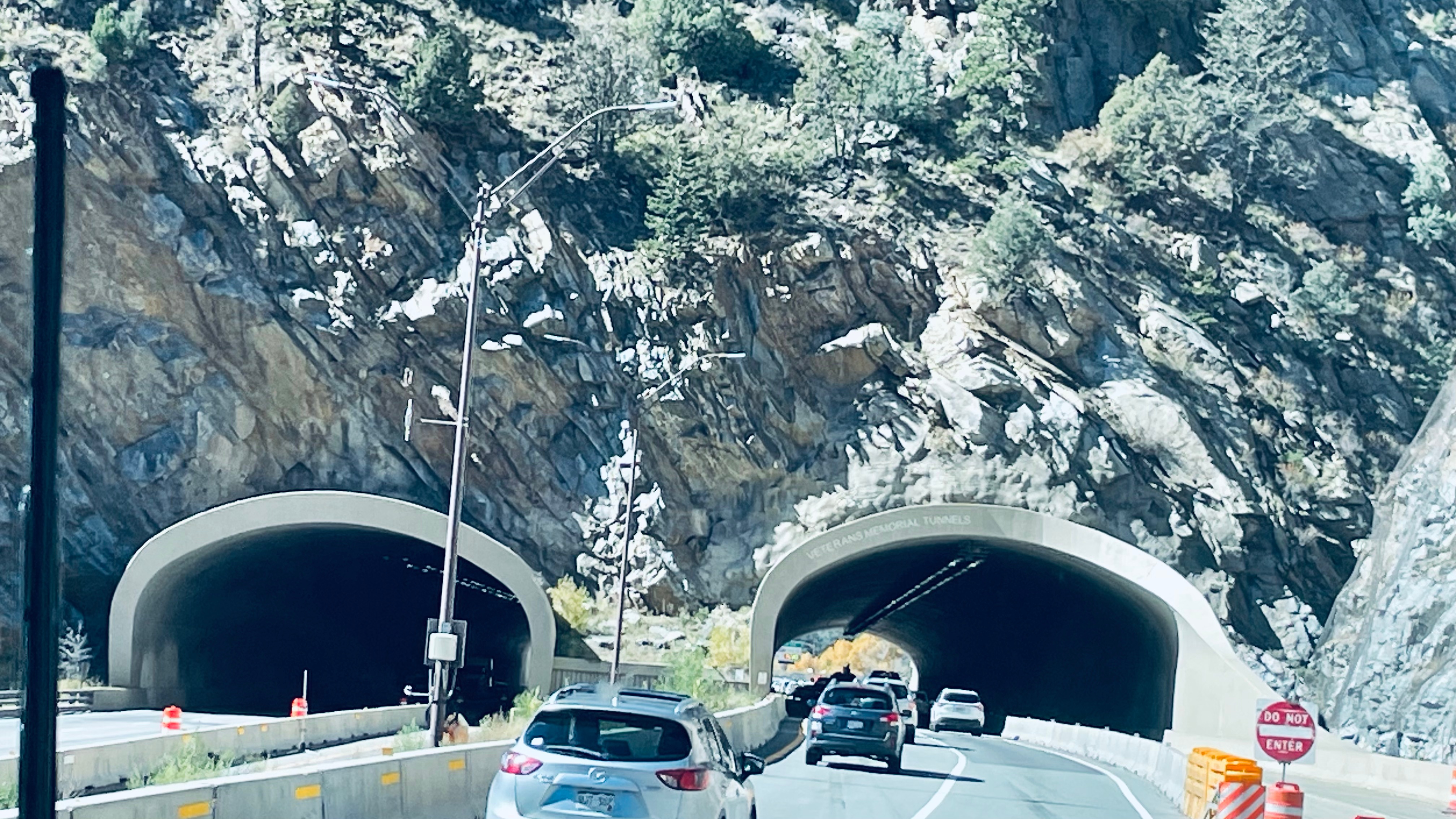
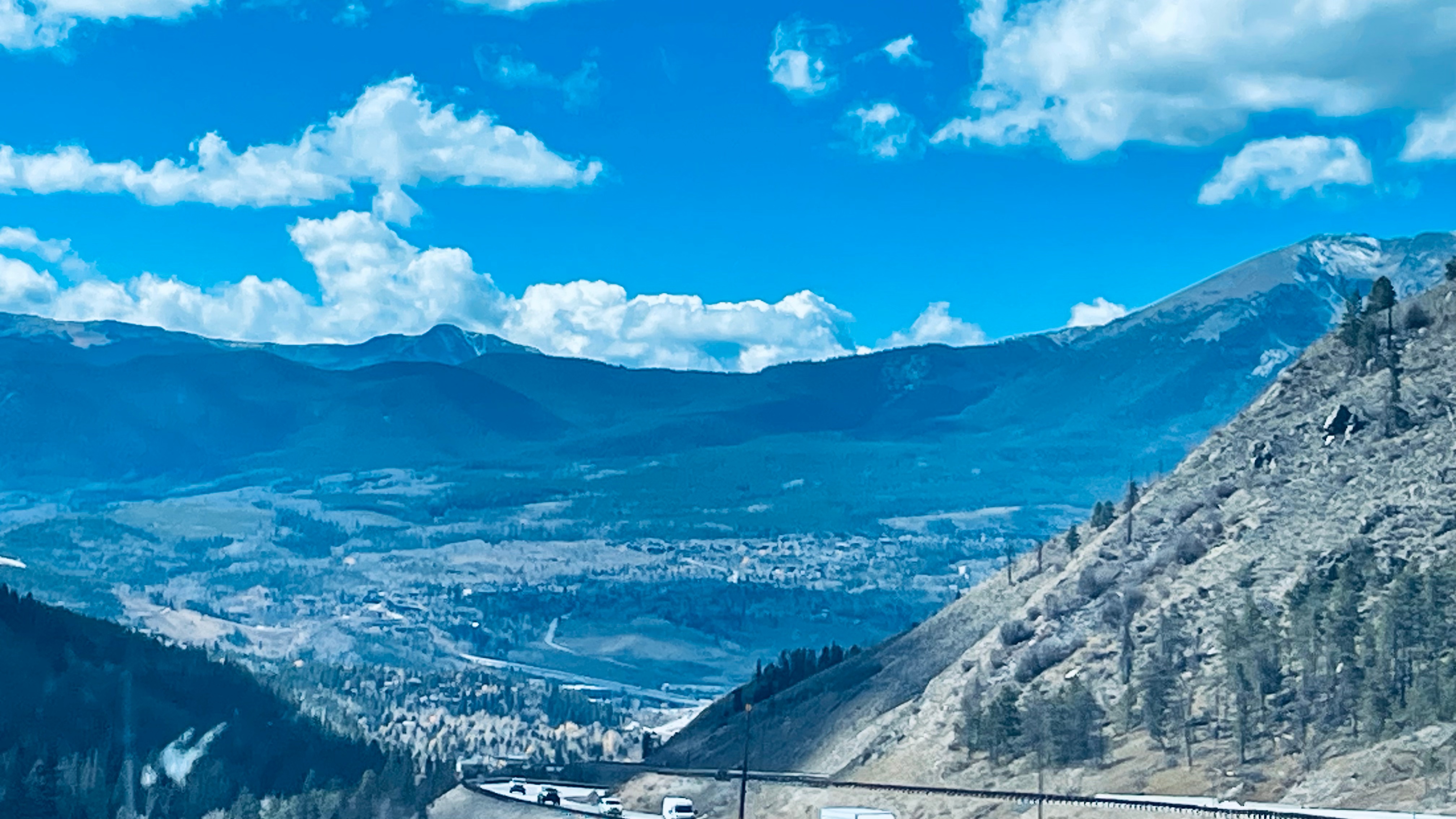
  • Climbing I-70 through the Rocky Mountains (with a bag of chips exploding from elevation)
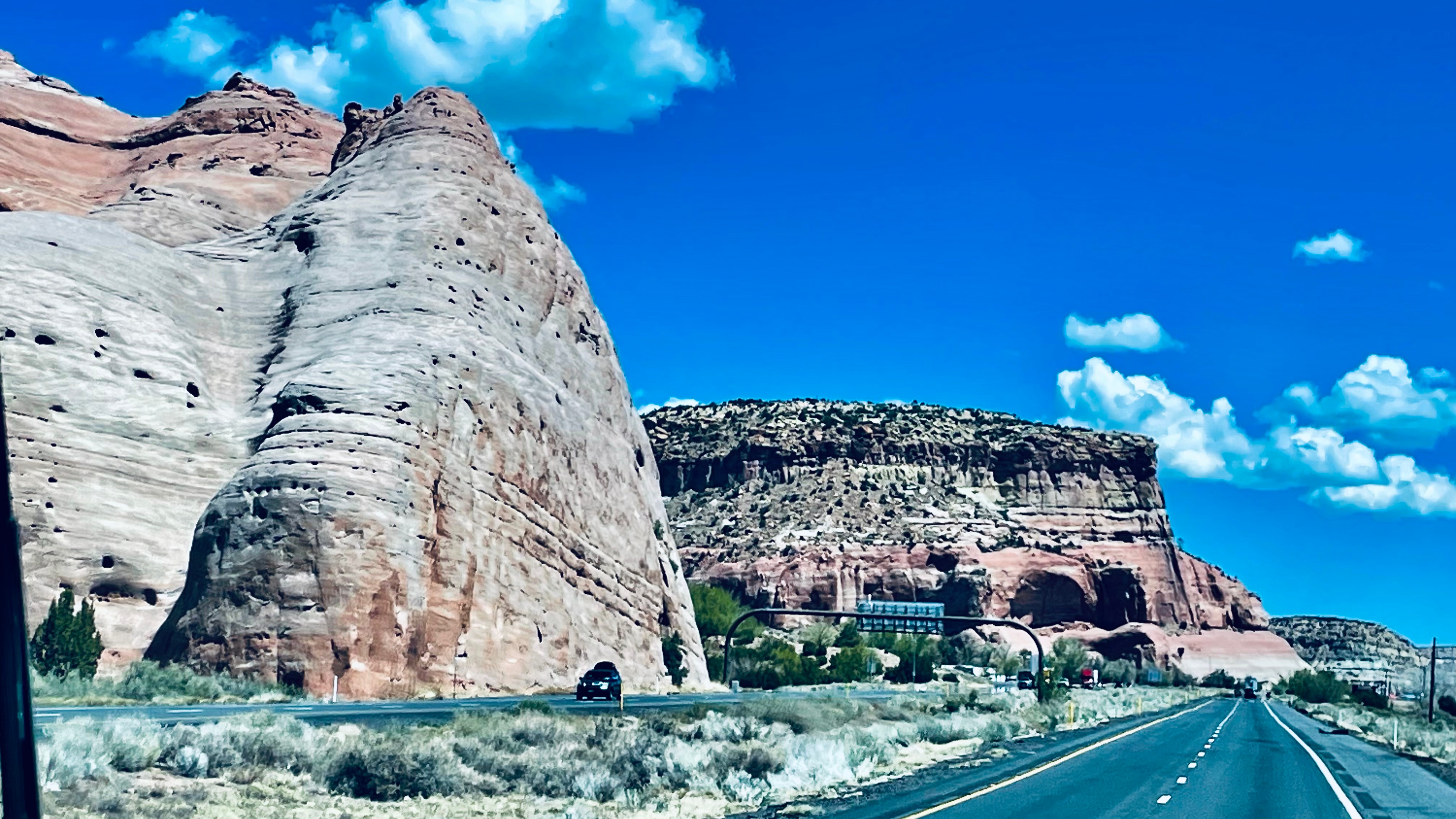
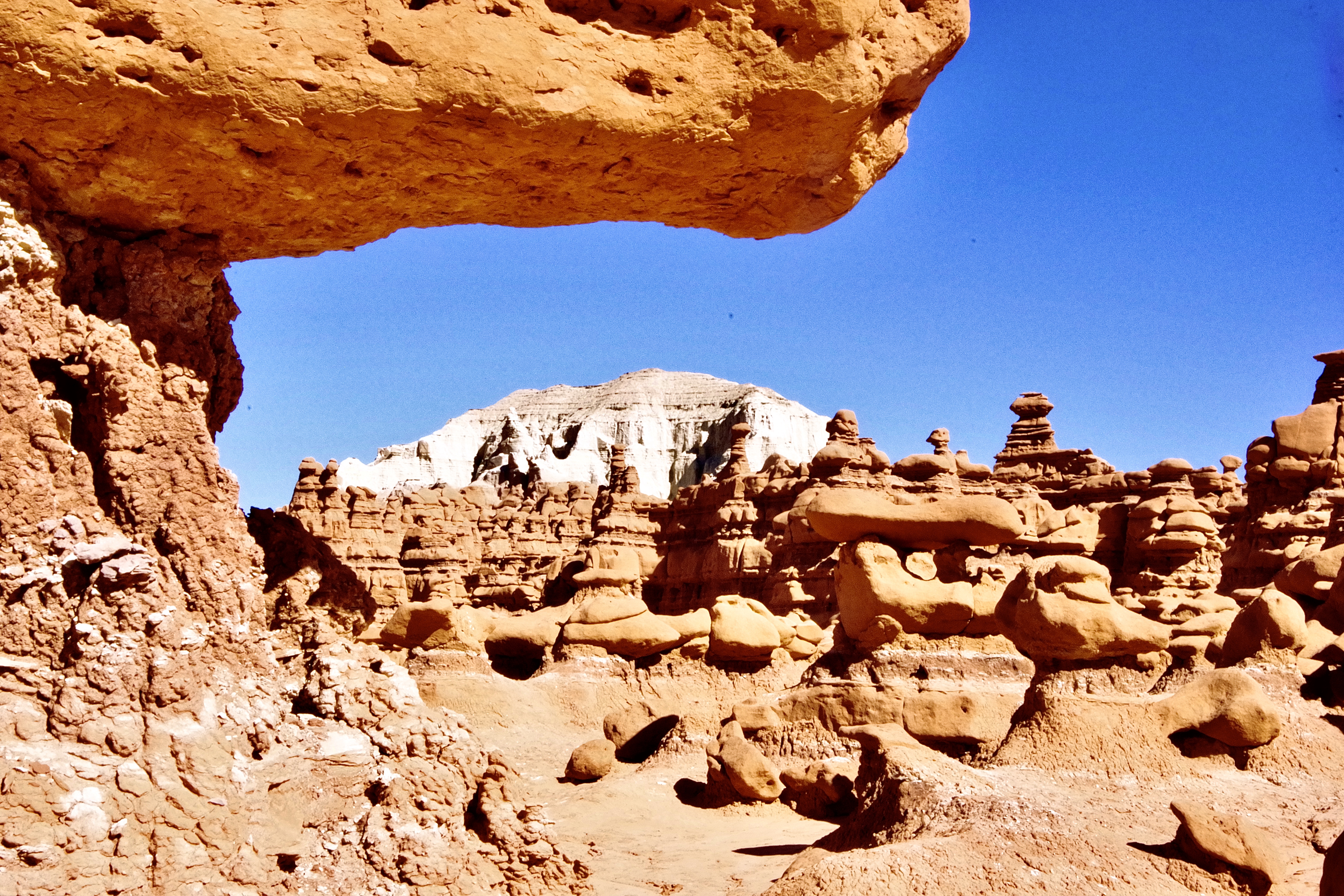
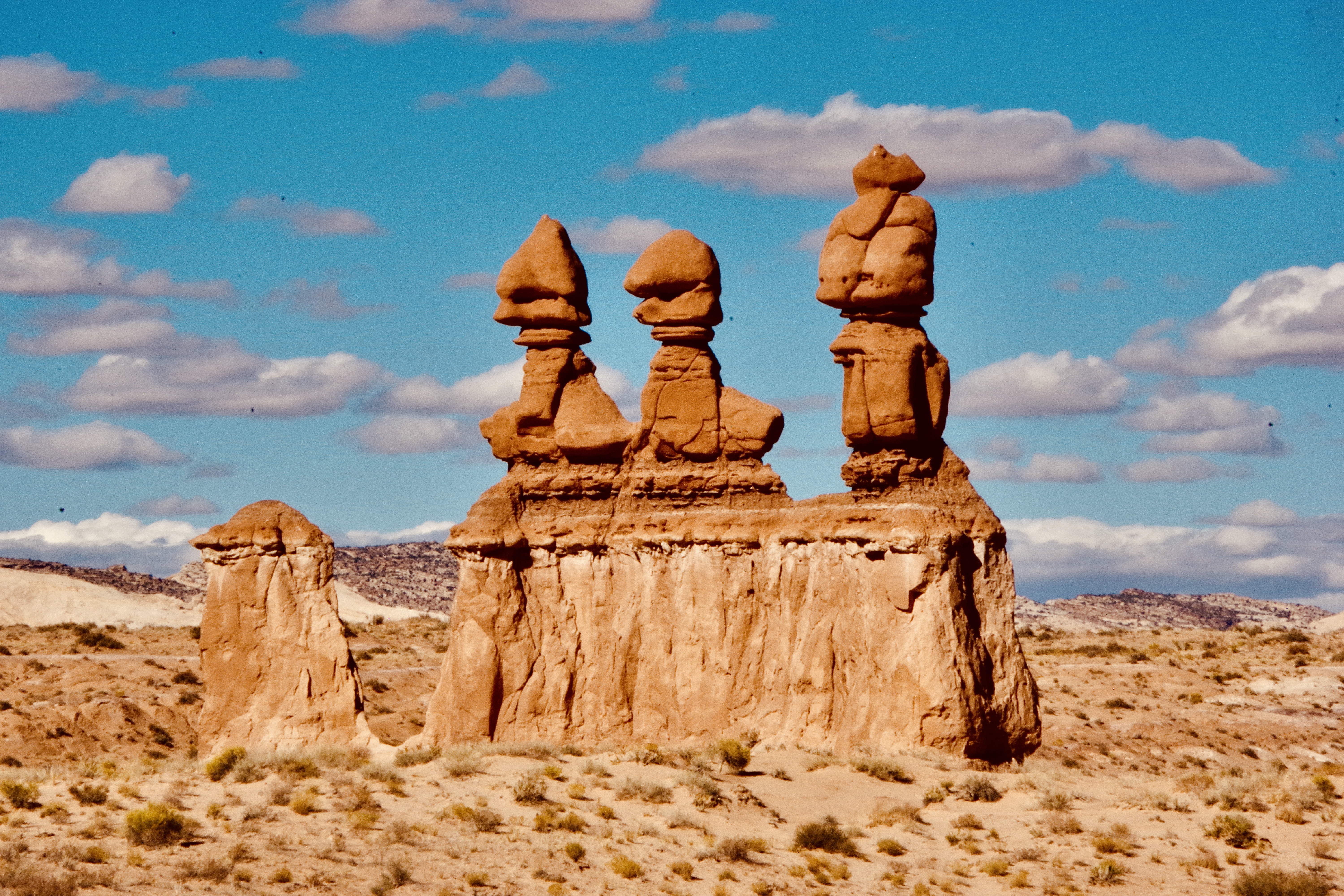
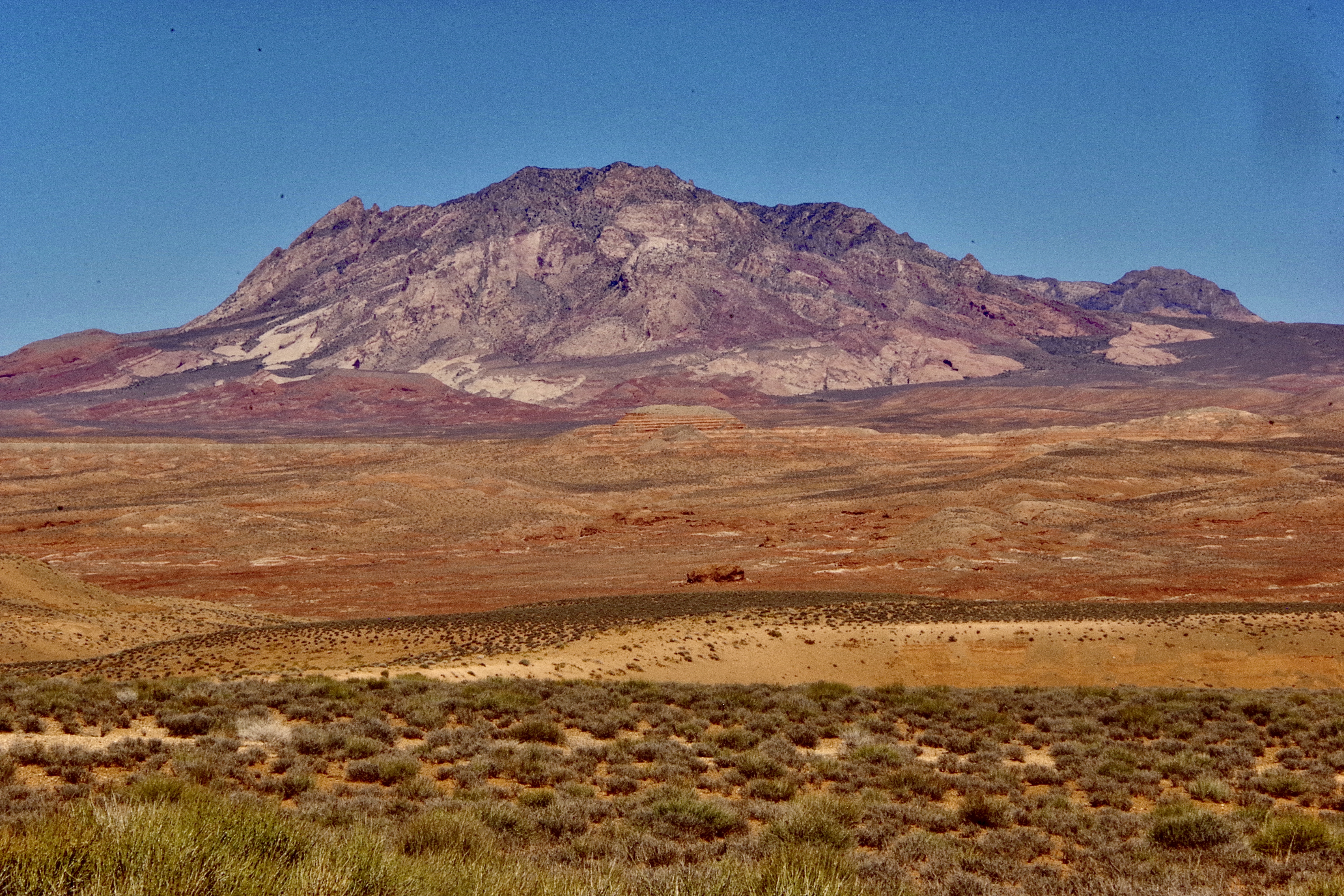
  • Six nights boondocking near Goblin Valley State Park
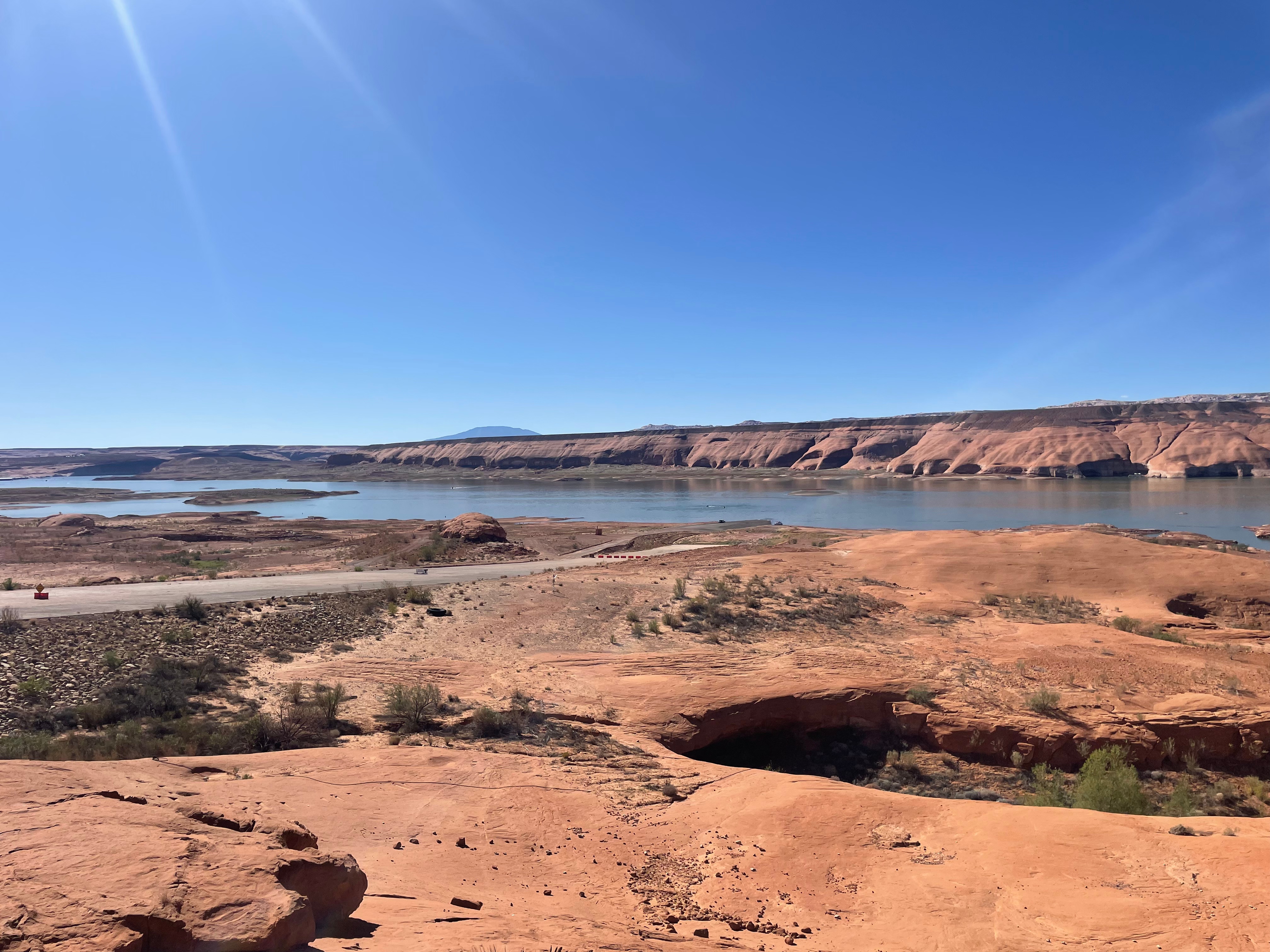
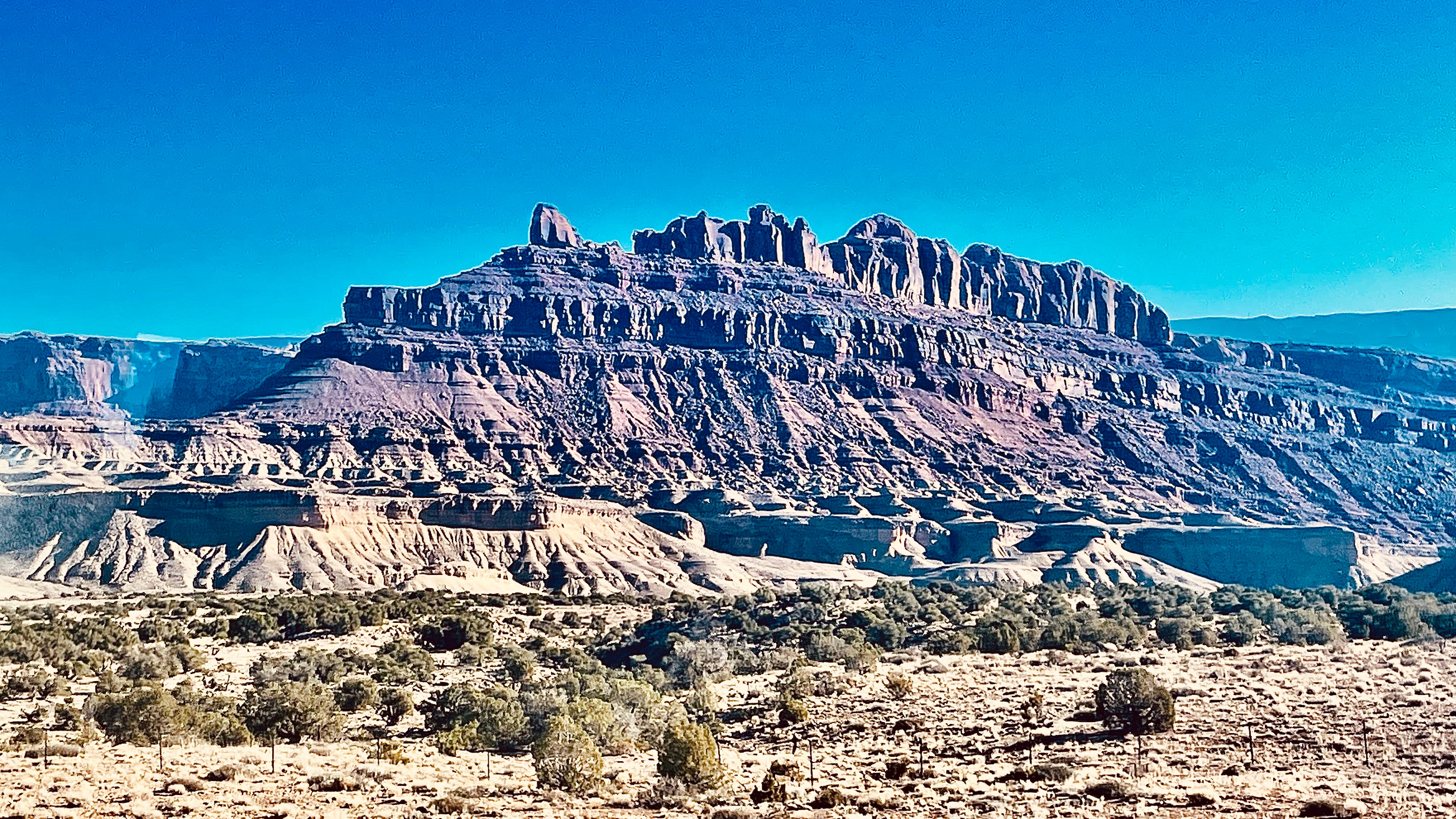
  • Exploring Lake Powell and quiet desert mesas

Each mile reminded us why we still love long travel days.


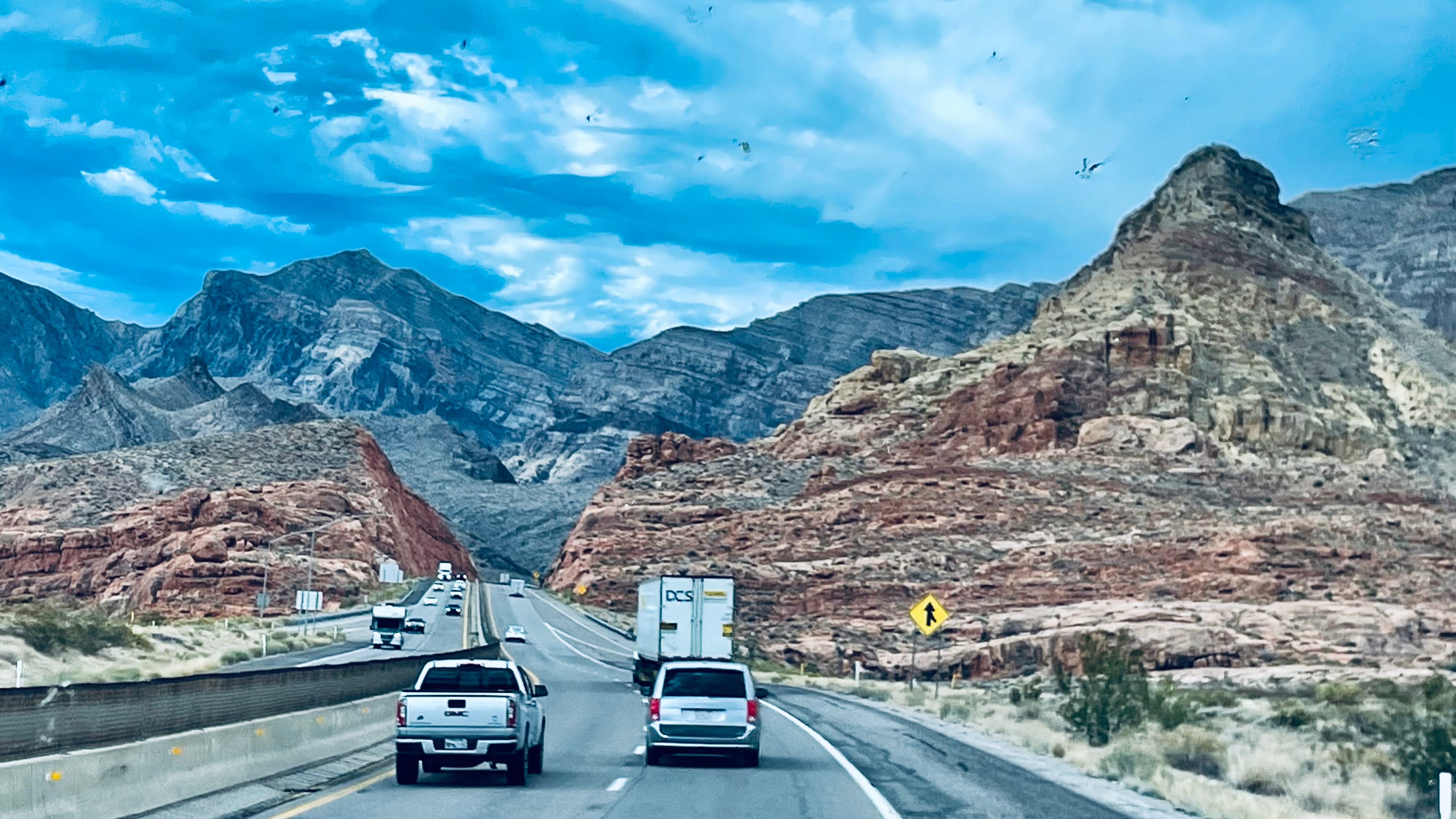
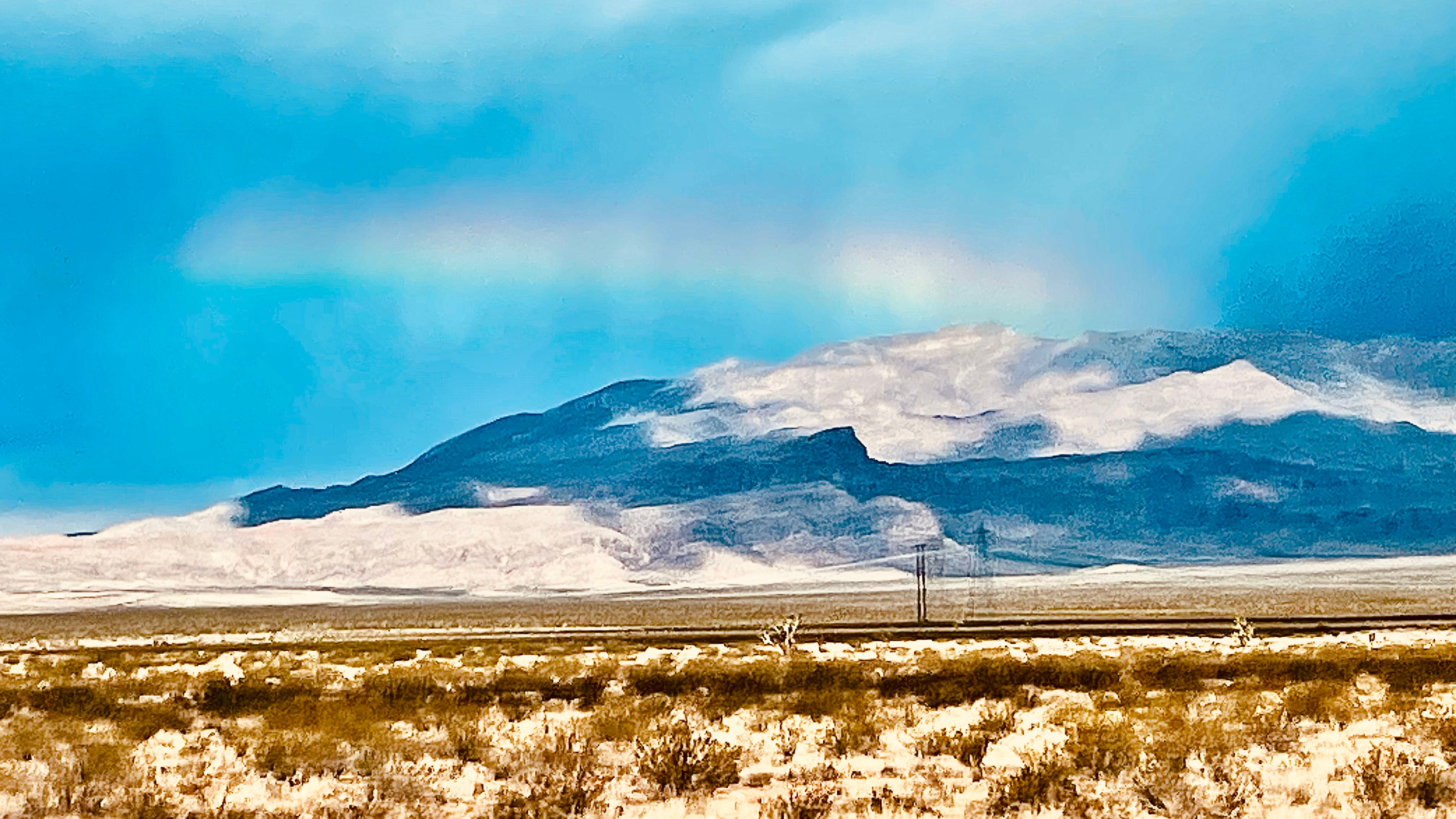
Vegas, the Border & an Unexpected Breakdown

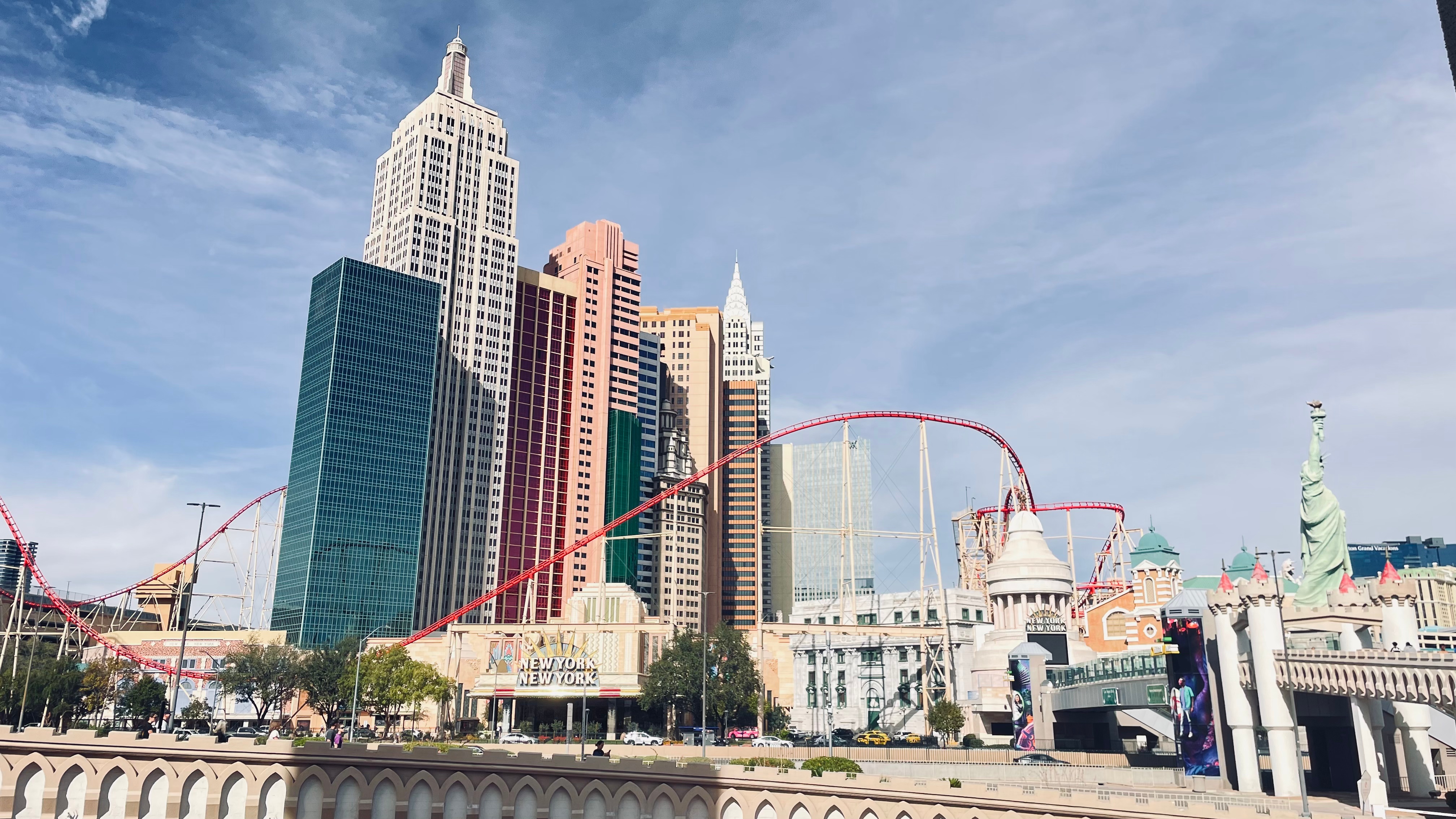
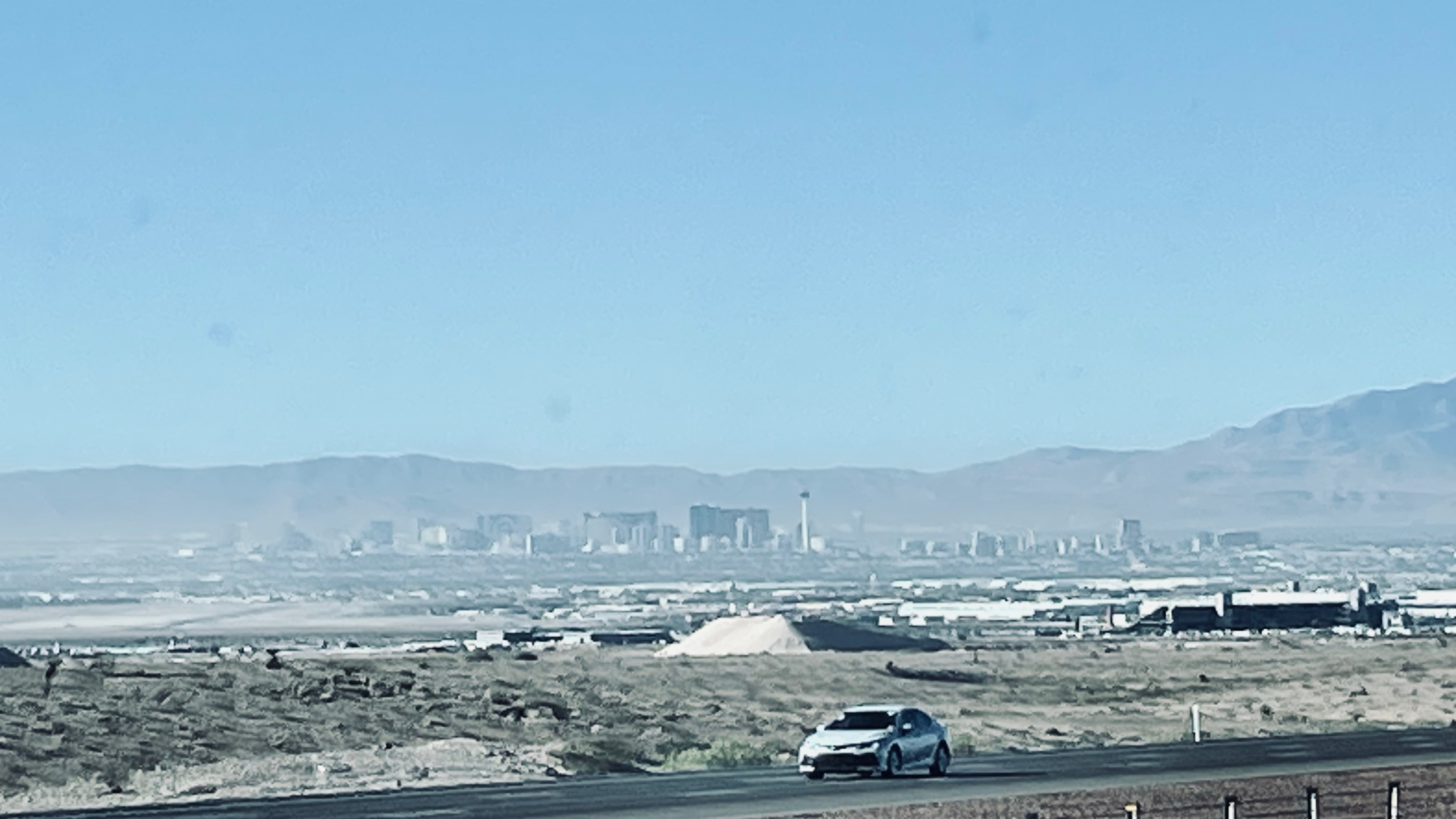
We paused in Las Vegas, splitting time between our time-share and keeping Thunder comfortable at the Elks Lodge — a perfect solution for us and Mister Sam.

Mid-November, we headed south toward Mexico. The border crossing at Mexicali was smooth… until one mile later, when a torque rod failed. With no good options, we strapped it up and carefully drove 185 kilometers south to San Felipe.

Sometimes the only option is forward.


Wintering in Mexico

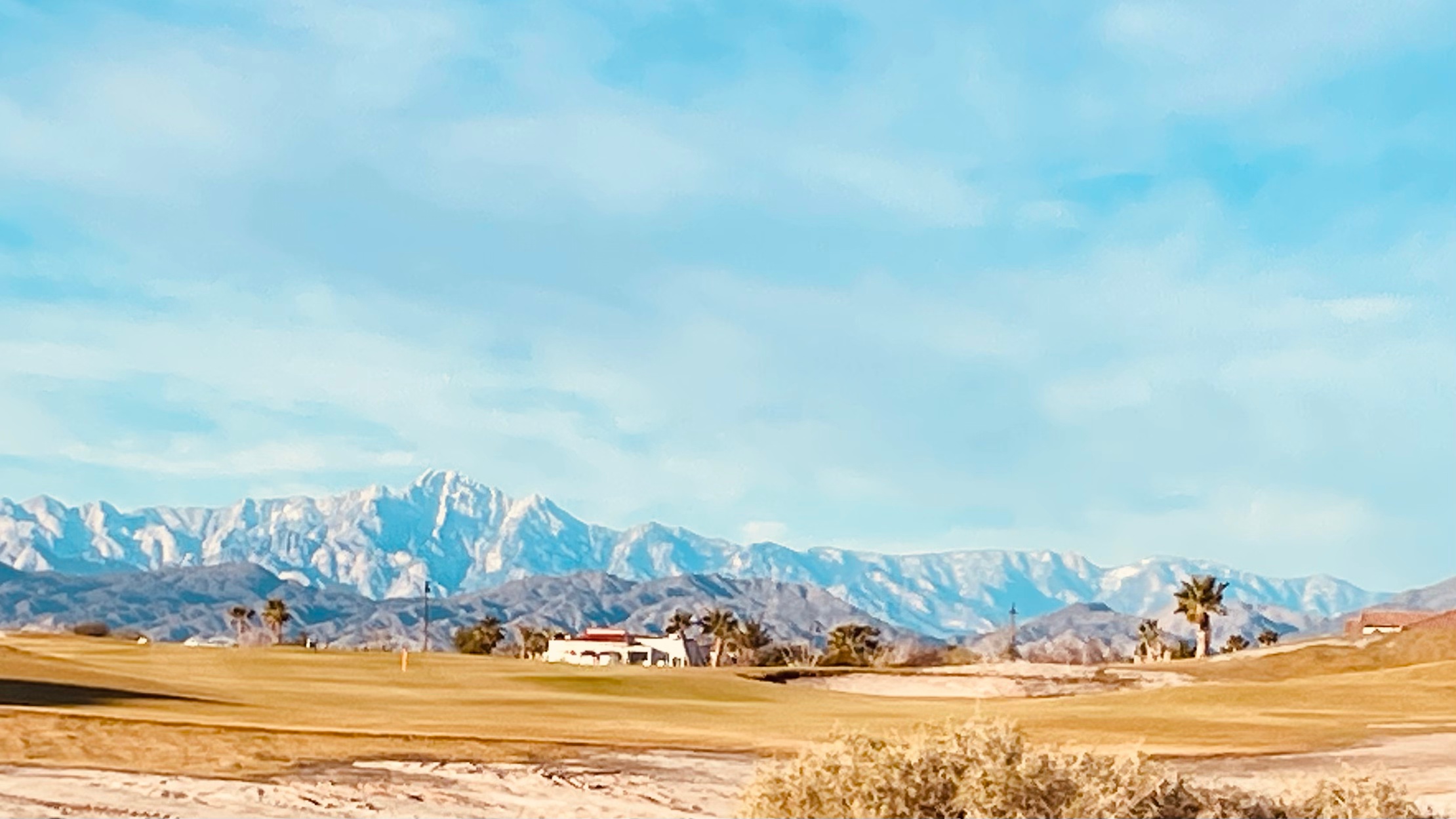
We’re now settled at El Dorado Ranch Resort in San Felipe, Mexico, where life has slowed to a gentler pace.

Our days include:

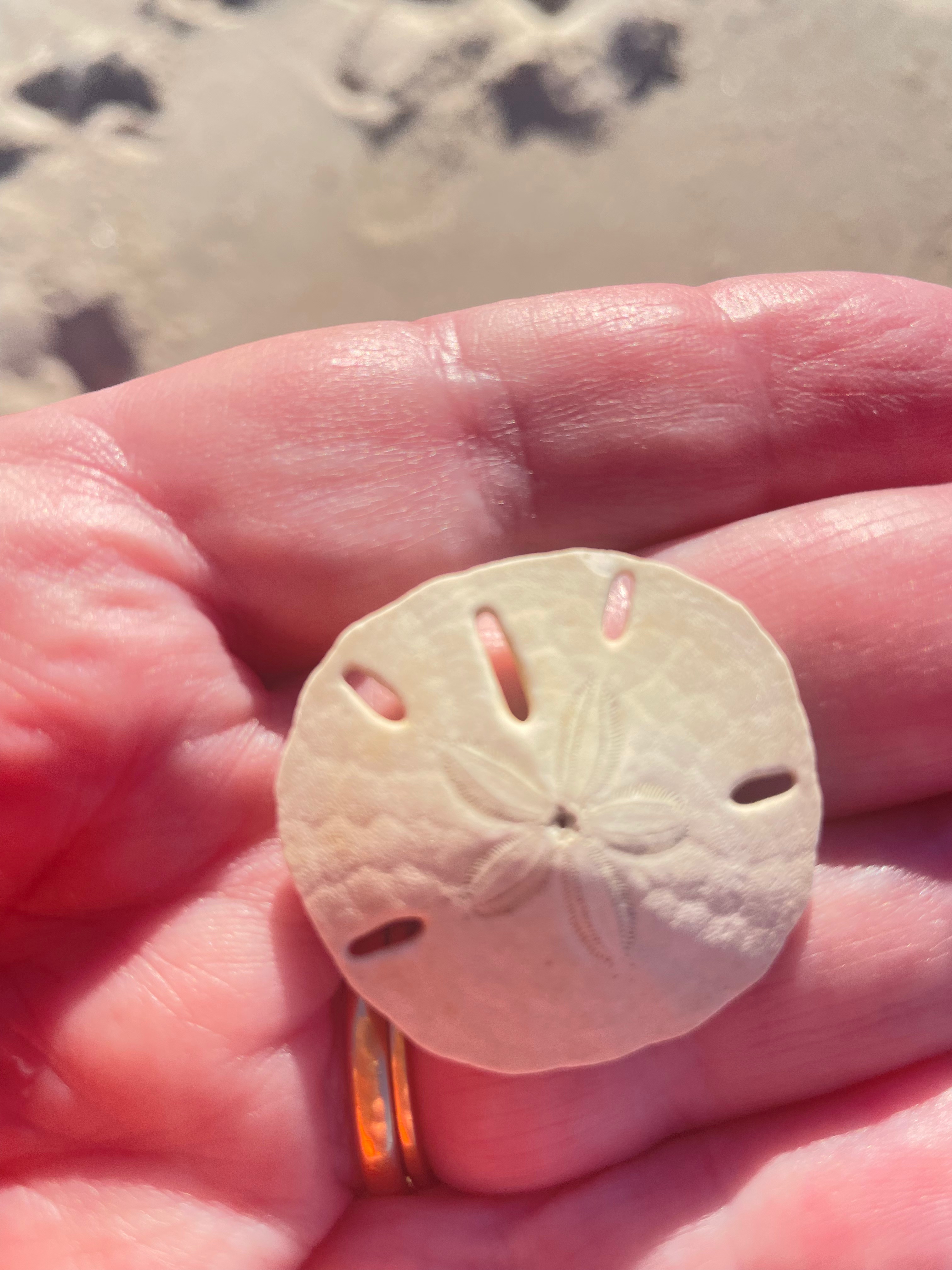
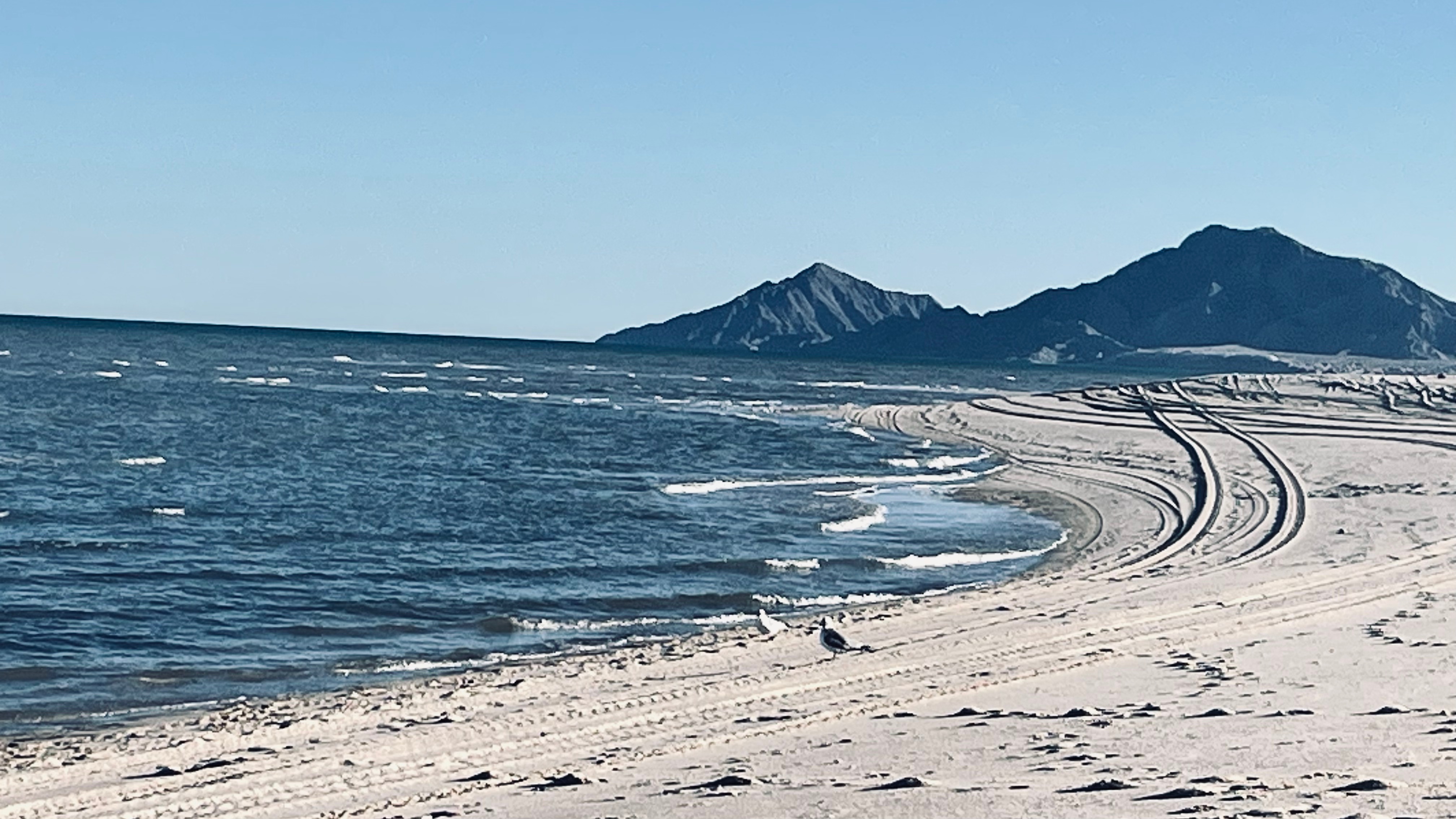
  • Quiet mornings on an empty sand beach
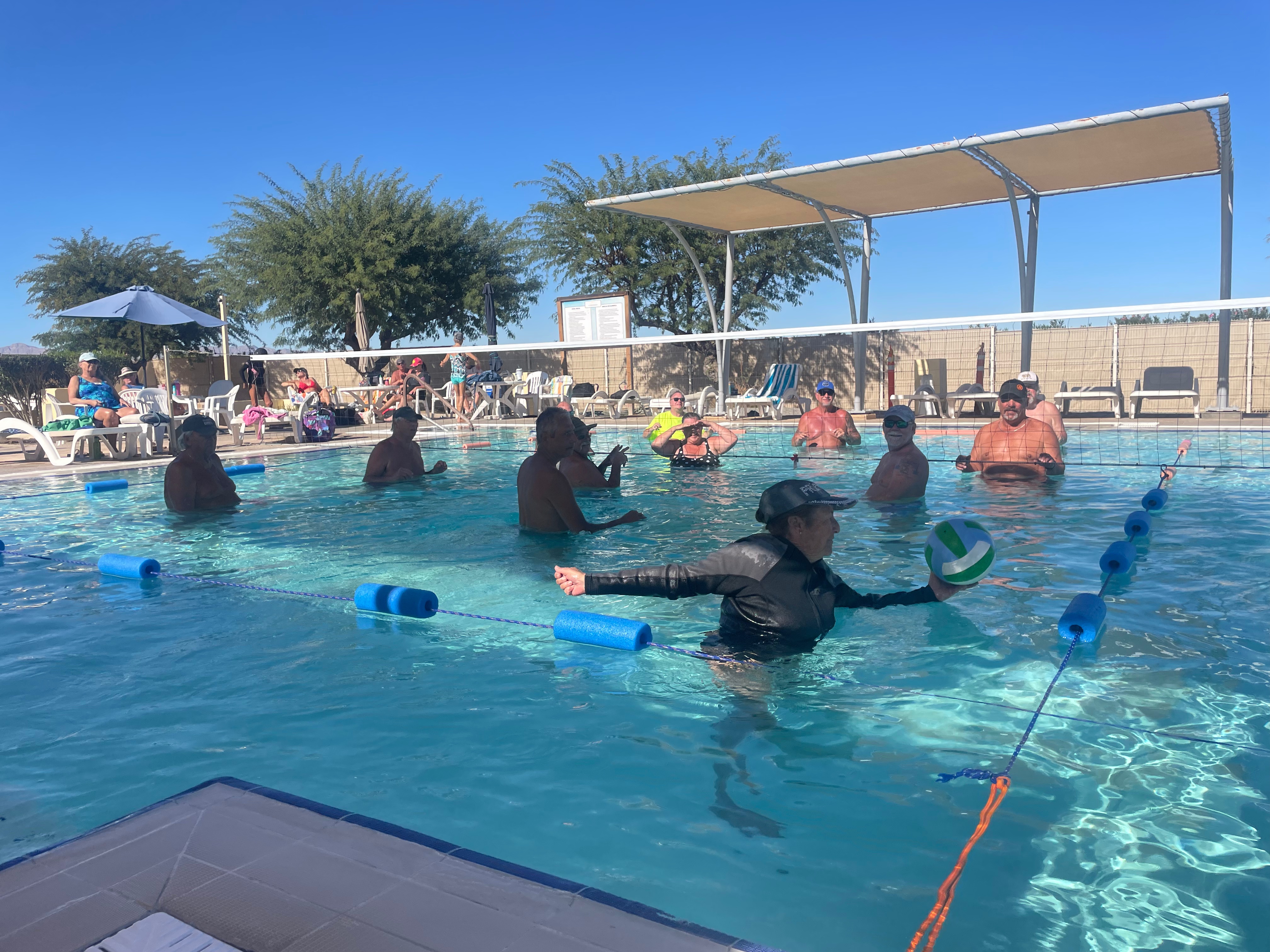
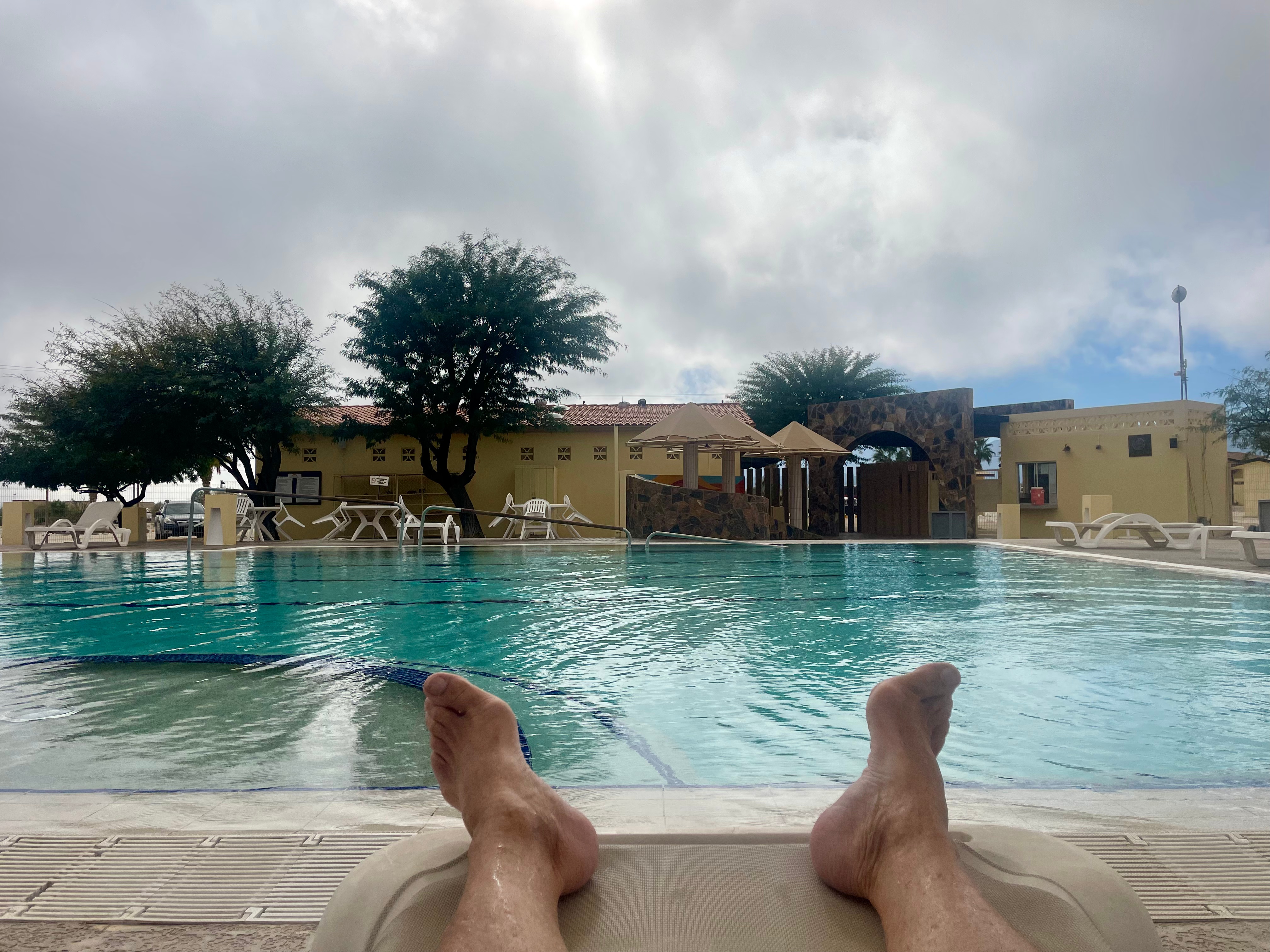
  • Pool time, hot tubs, and water volleyball
  • Pickleball lessons for Miss Laurie
  • Cornhole games and fresh shrimp on the grill

While we’re still finding our social rhythm here, everyone has been welcoming and kind. Christmas was spent mostly on the beach — different, but just right for this season of life.


Looking Back at 2025

As the year comes to a close, we’re reminded that this lifestyle isn’t about perfect plans. It’s about adaptability, community, and finding joy in the in-between moments — even when something breaks, a route changes, or time moves faster than expected.

2025 gave us new states, old friends, challenges overcome, and a deeper appreciation for the road ahead.

And somehow, it still feels like we’re just getting started.

Day 3009