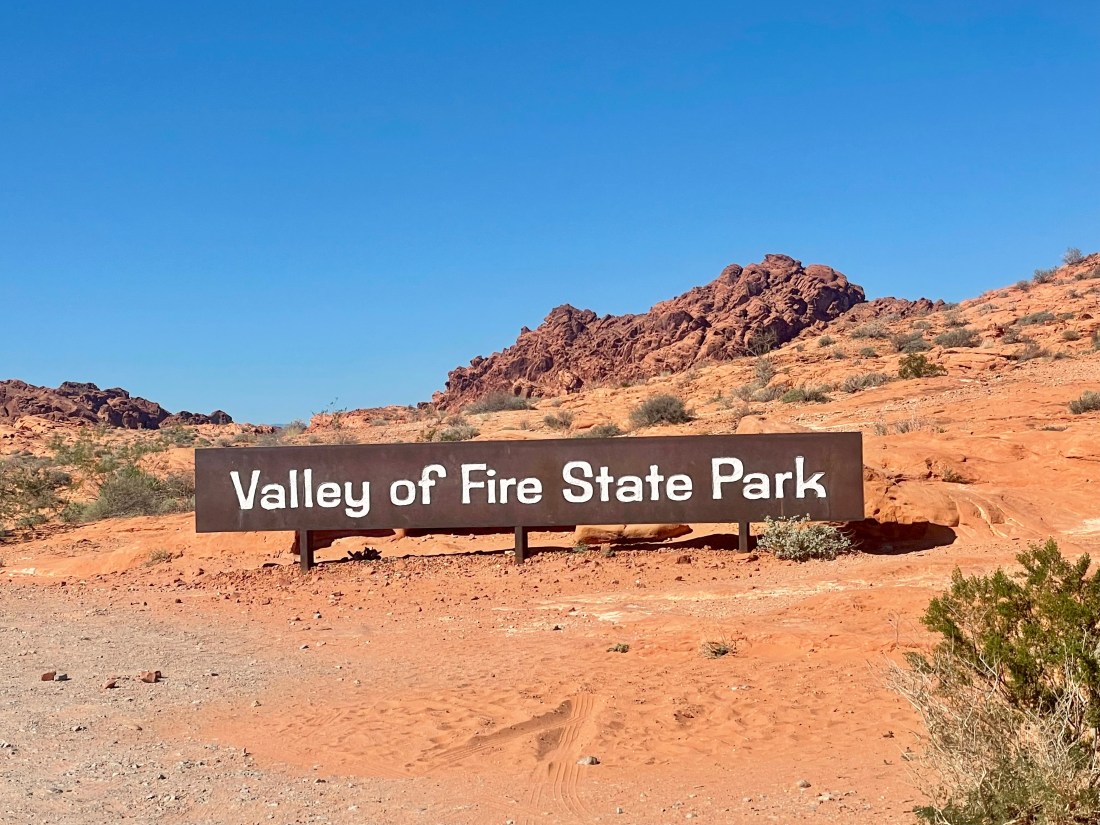
Valley of Fire State Park: Nevada’s Fiery Landscape of Time, Stone, and History

Valley of Fire State Park, located just northeast of Las Vegas, is a place where geology, human history, and desert beauty converge. Famous for its blazing red sandstone formations and ancient rock art, the park is not only Nevada’s oldest state park but also one of its most visually striking natural treasures.

A Landscape Forged Over Millions of Years

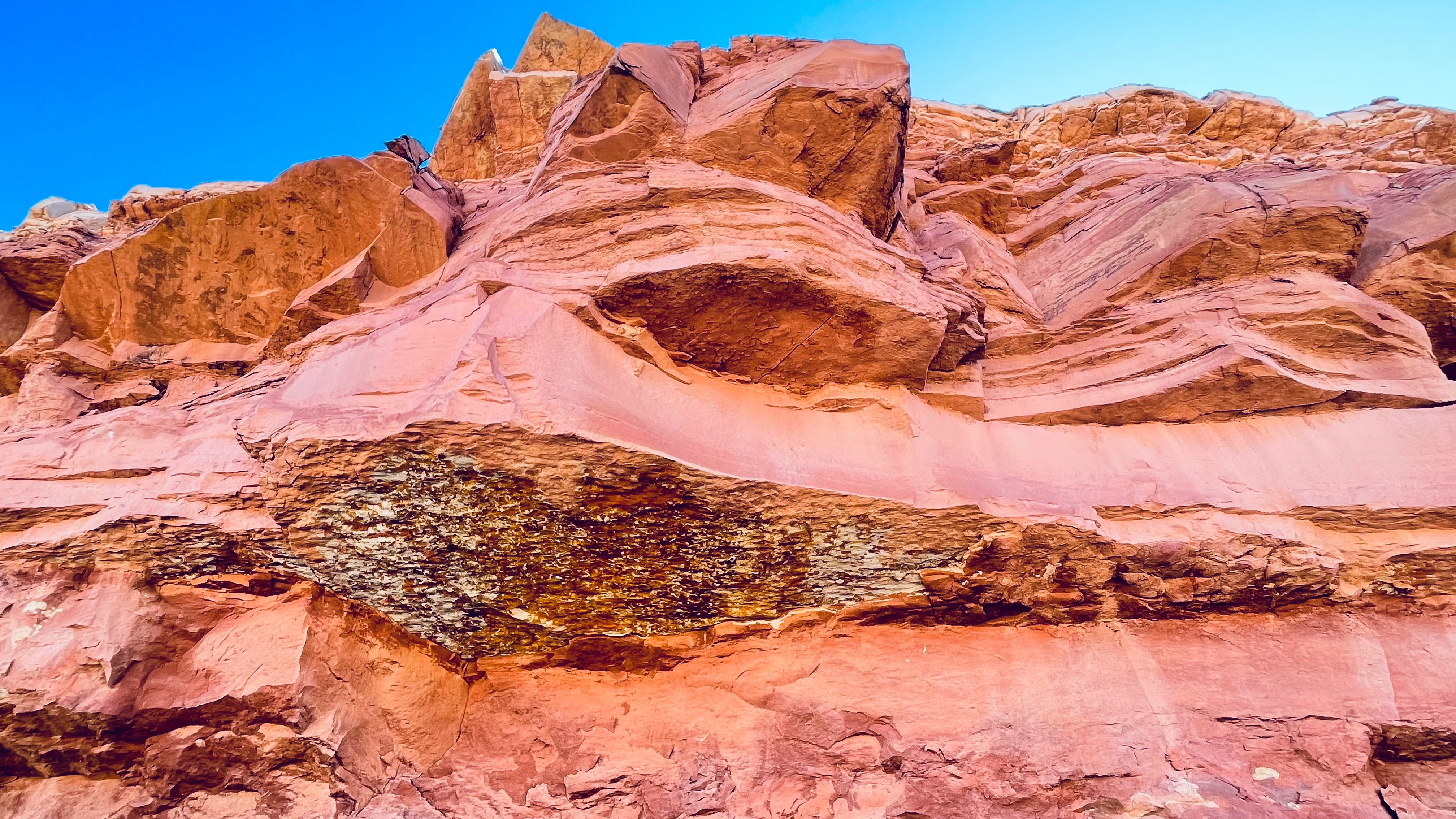
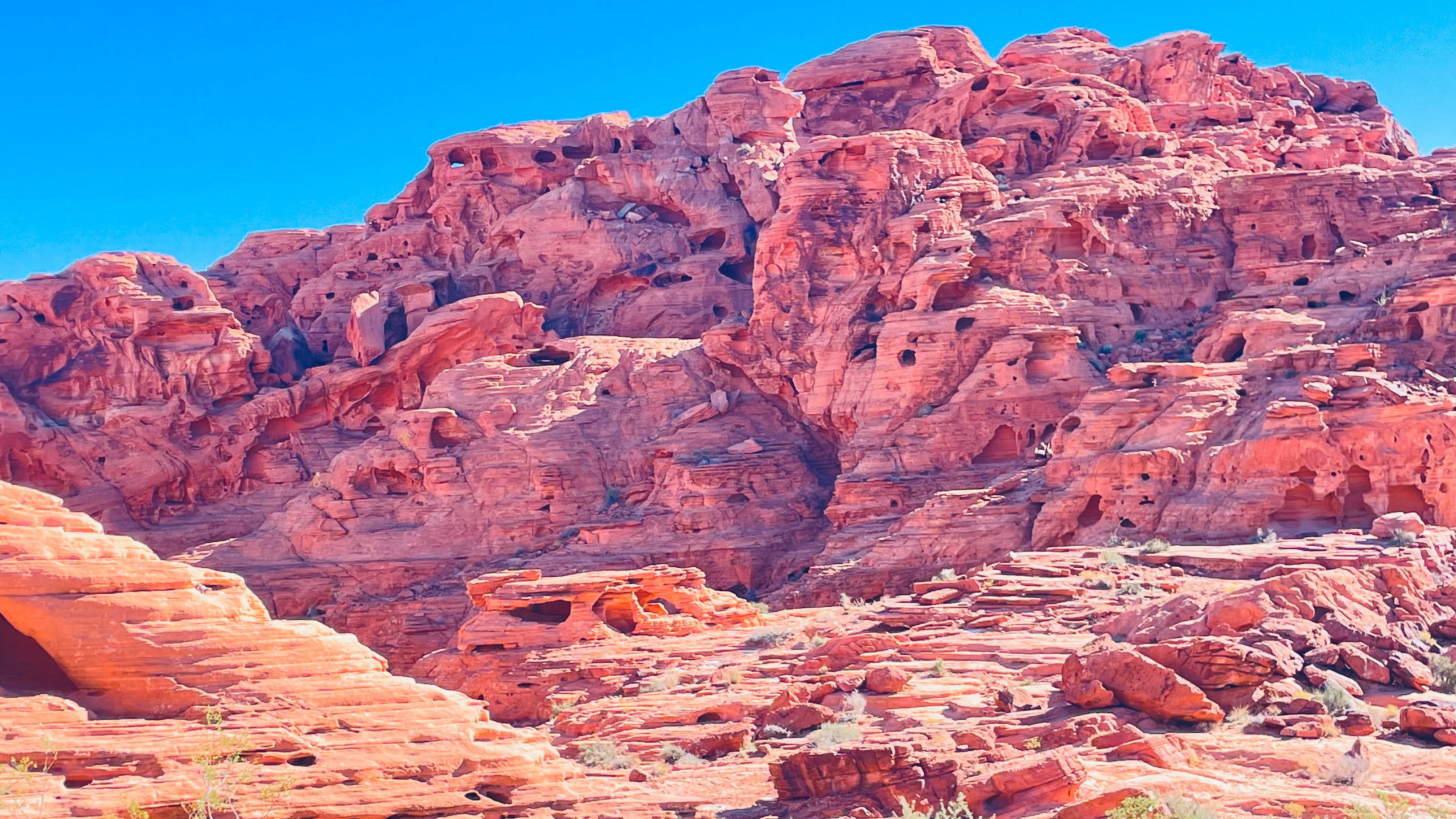
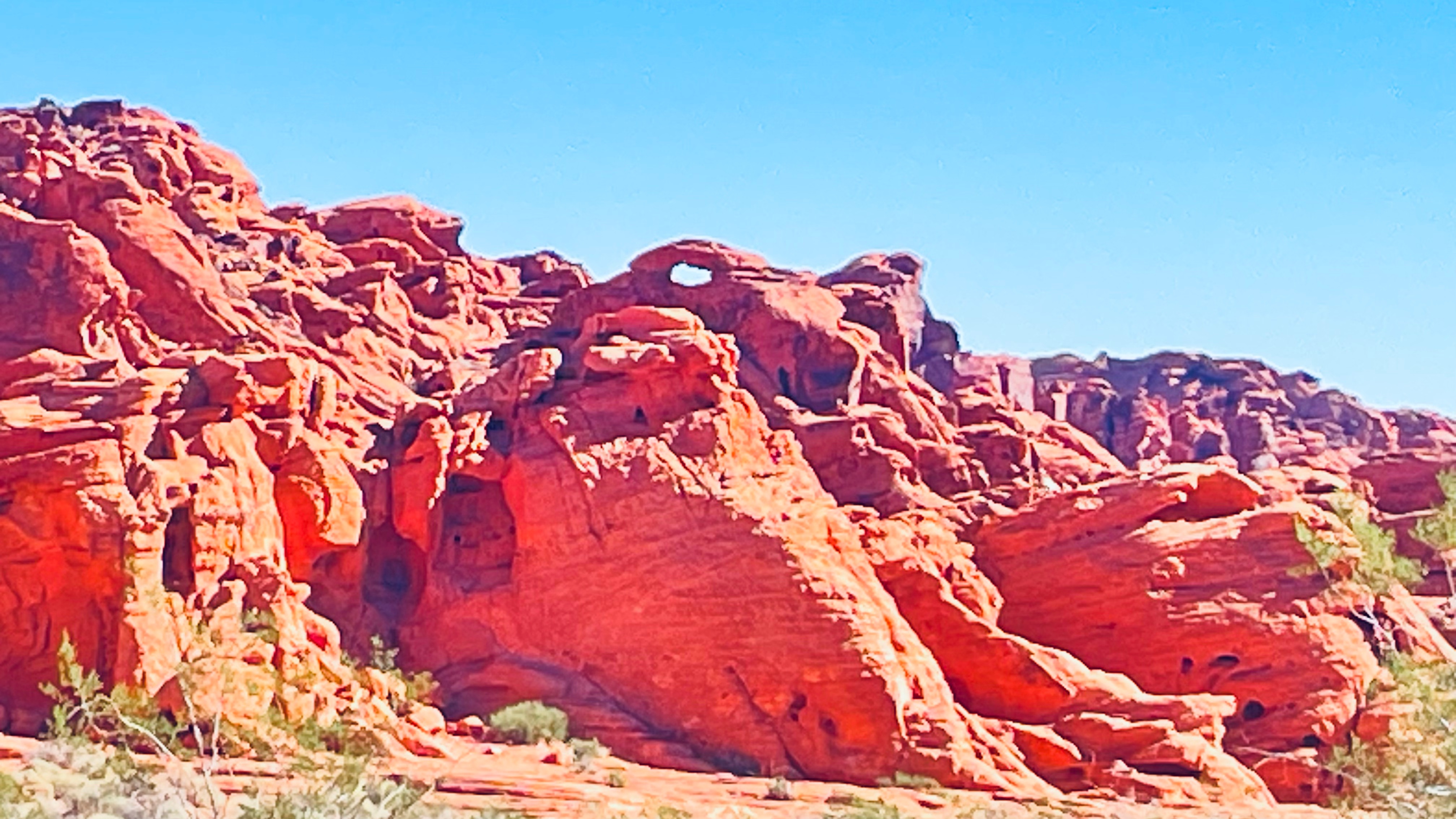
The dramatic scenery of Valley of Fire began forming more than 150 million years ago during the Jurassic period. The park’s iconic red rock formations are composed primarily of Aztec Sandstone, created from vast sand dunes that once dominated the region. Over time, tectonic uplift, erosion, and mineral oxidation transformed these dunes into the towering fins, domes, and swirling rock patterns visible today.

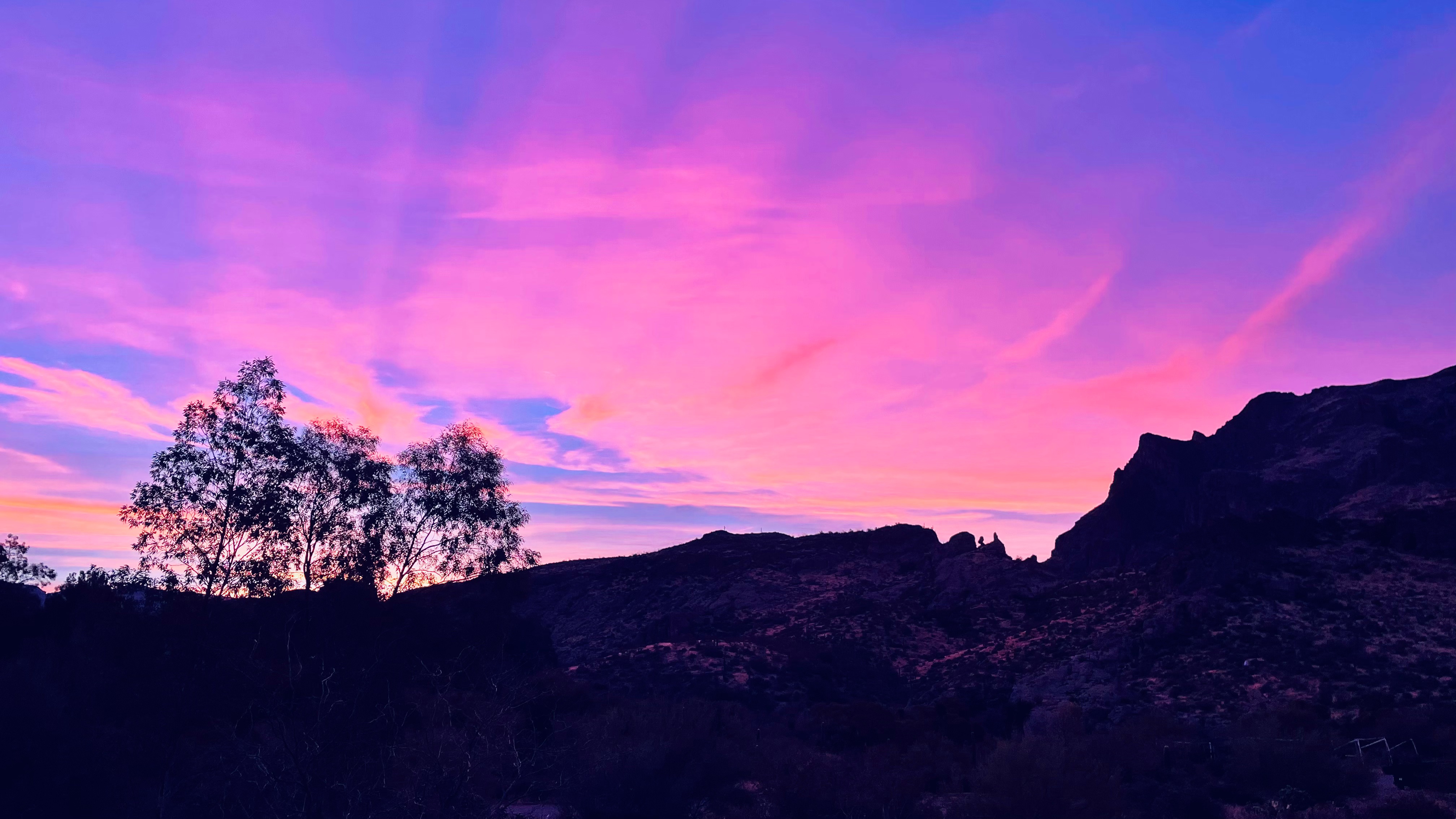
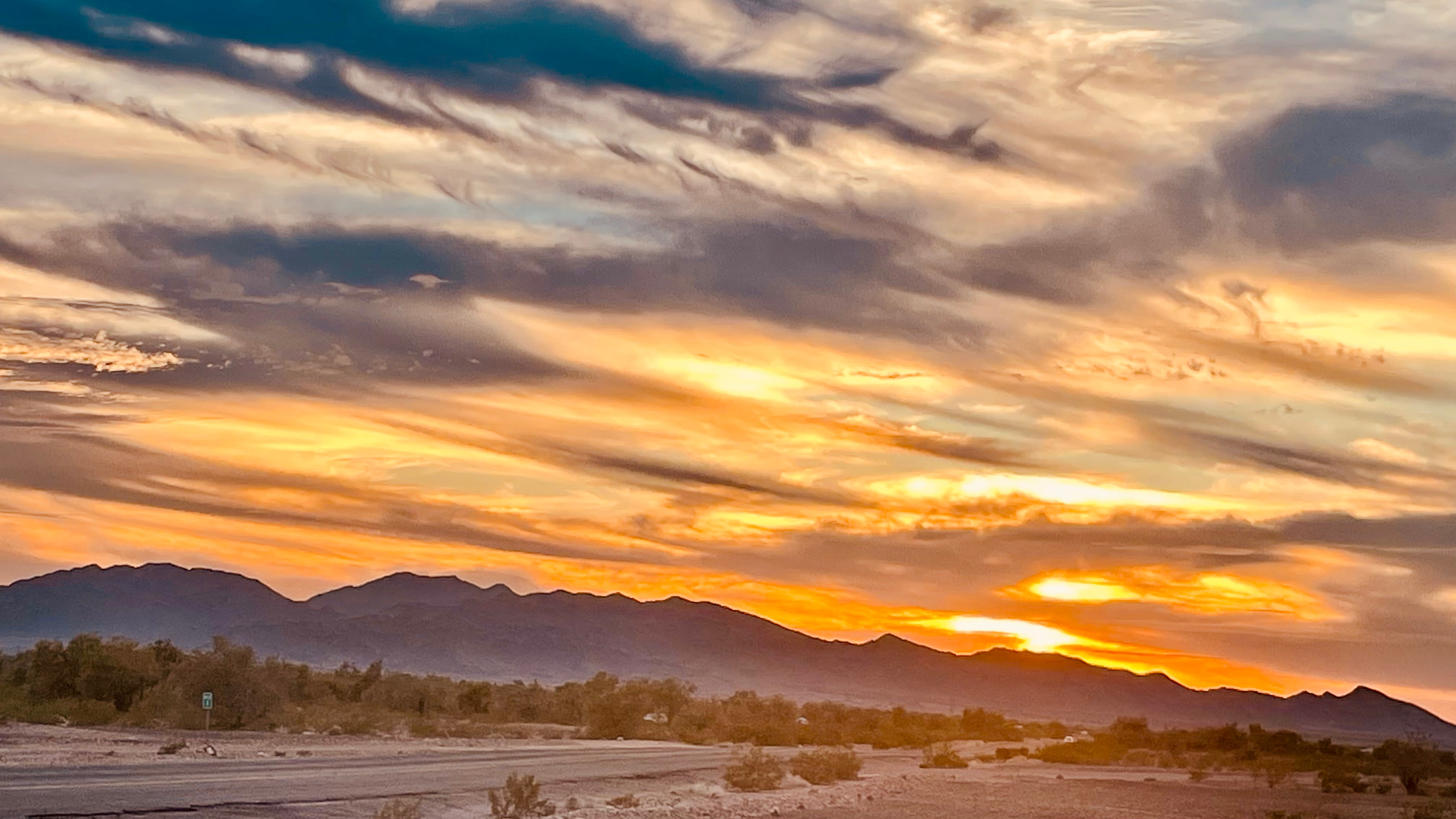
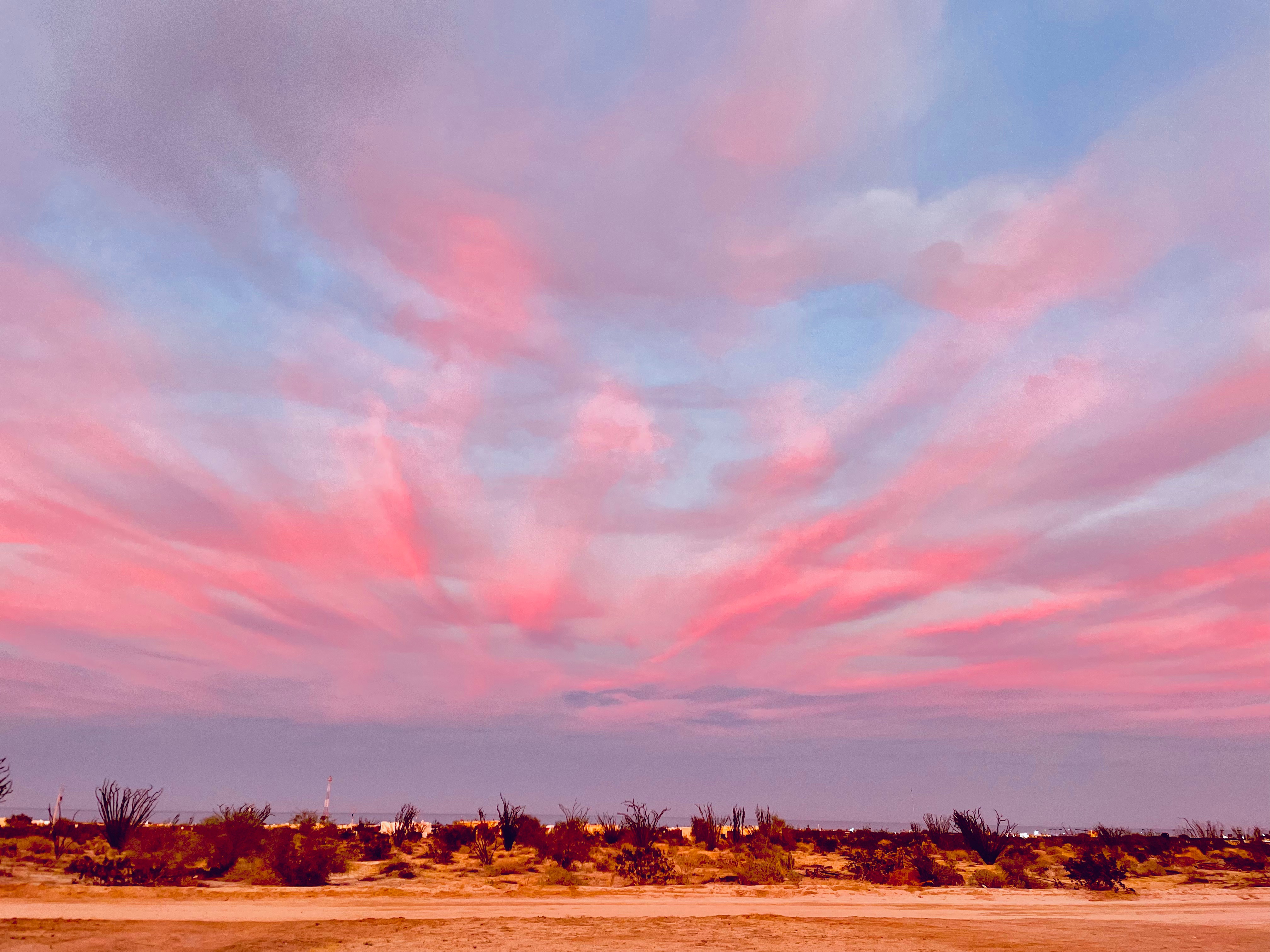
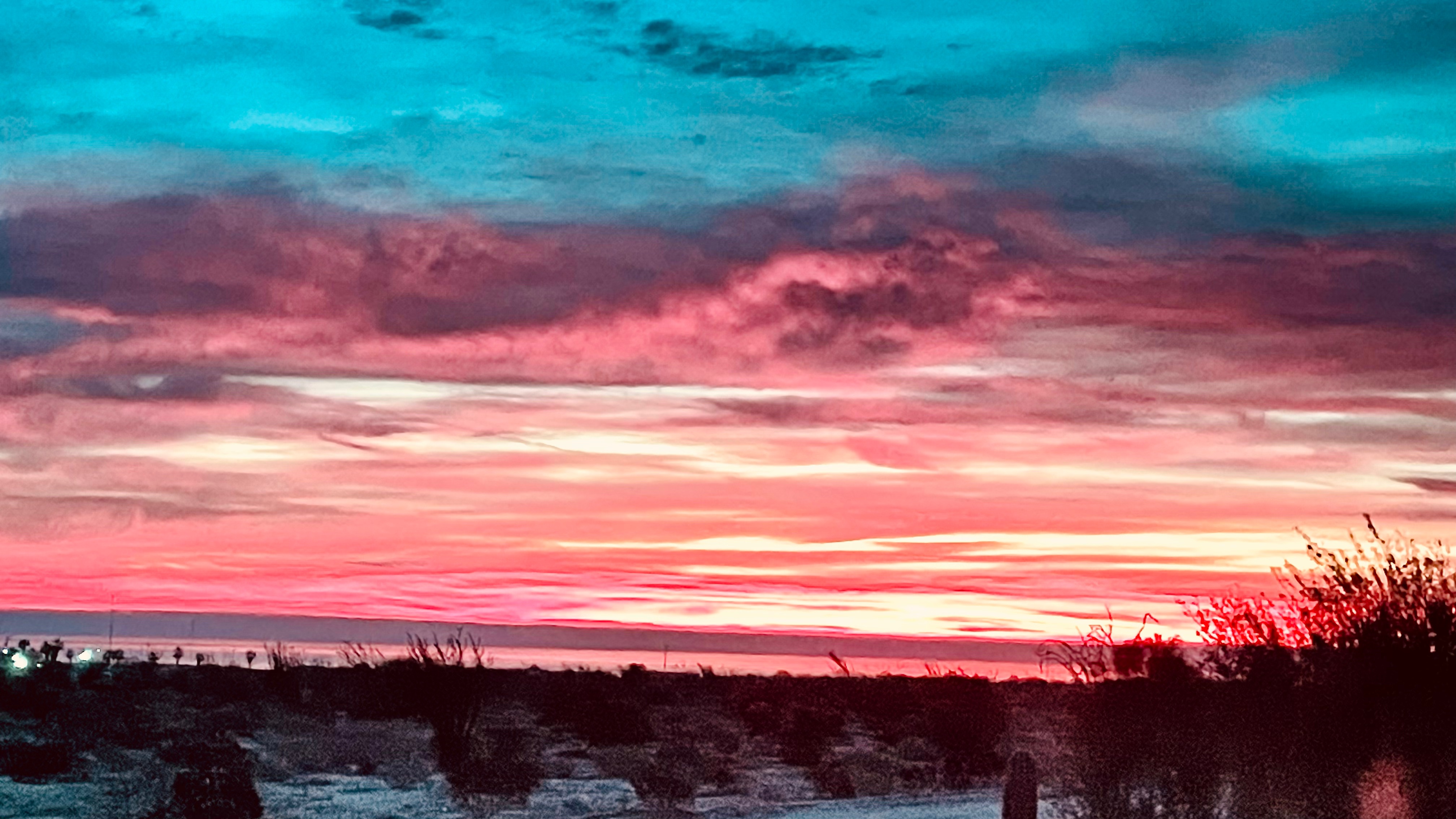
When the sun rises or sets, the iron-rich sandstone ignites in brilliant shades of red, orange, and pink—earning the park its evocative name.

Ancient Peoples of the Valley

Long before becoming a state park, Valley of Fire was home to Native peoples for thousands of years. Archaeological evidence suggests human presence in the area dating back over 10,000 years.

Between approximately 300 BCE and 1150 CE, early cultures including the Basketmaker peoples and Ancestral Puebloans left behind a remarkable legacy of petroglyphs—symbols and figures carved into the rock surfaces. These carvings depict animals, human forms, and abstract designs, offering insight into spiritual beliefs, daily life, and desert survival.

Later, the Southern Paiute people continued to use the land for seasonal travel, hunting, and gathering. Today, these rock art sites remain some of the park’s most important and protected features.

Early Exploration and the Origin of the Name

In the early 1900s, a primitive road was built through the area as part of the Arrowhead Trail, an early automobile route connecting Los Angeles and Salt Lake City. As travelers passed through the region, they were struck by how the rocks appeared to glow like flames in the desert sun.

During the 1920s, the name “Valley of Fire” was coined after an observer remarked that the sandstone formations looked as though they were burning at sunset.

Nevada’s First State Park

In 1931, the federal government transferred land to the State of Nevada for park development. Shortly afterward, the Civilian Conservation Corps (CCC)—a New Deal program—played a major role in shaping the park.

From 1933 to 1942, CCC crews constructed:

  • Roads and scenic drives
  • Hiking trails
  • Campgrounds
  • Picnic areas
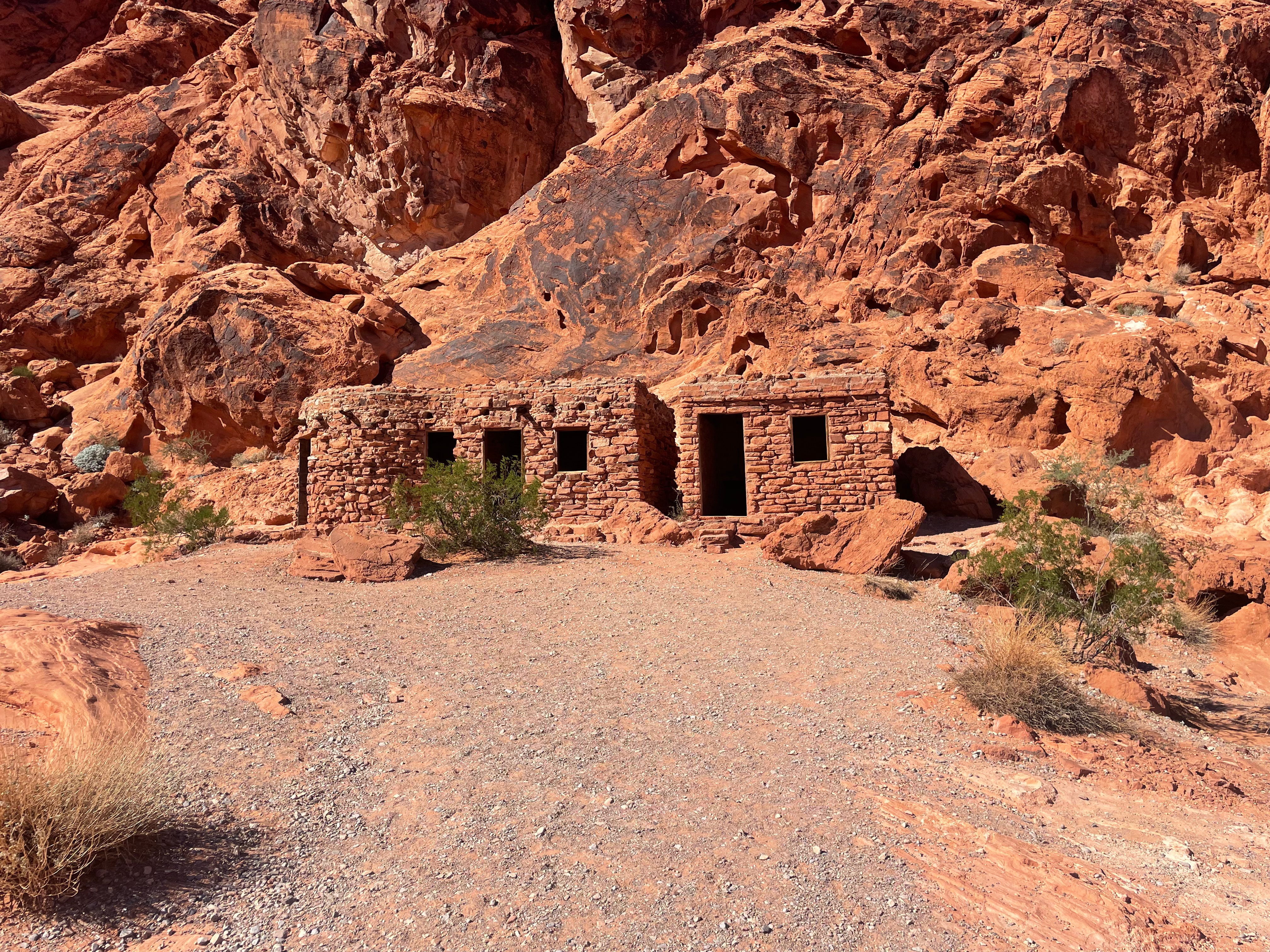
  • Stone shelters and cabins

Valley of Fire officially opened to the public in 1934, and in 1935 it became Nevada’s first official state park.

Recognition and Preservation

In 1968, Valley of Fire was designated a National Natural Landmark, recognizing its outstanding geological features and scientific importance. Over the decades, the park has expanded to more than 40,000 acres, ensuring the preservation of its landscapes and archaeological sites.

Strict conservation efforts protect fragile sandstone formations and irreplaceable petroglyphs, reminding visitors to admire without disturbing.

Valley of Fire Today

Today, Valley of Fire State Park is one of Nevada’s most visited outdoor destinations. Popular activities include:

  • Hiking iconic trails like Fire Wave, White Domes, and Mouse’s Tank
  • Exploring petroglyph sites such as Atlatl Rock
  • Photography, especially at sunrise and sunset
  • Camping under desert stars

A modern visitor center now provides interpretive exhibits that explain the park’s geology, wildlife, and cultural history, helping visitors better understand the land they are exploring.

A Living Desert Legacy

Valley of Fire is more than a scenic stop—it is a living record of ancient oceans, shifting sands, indigenous cultures, and early conservation efforts. Whether you visit for a quick drive or an extended stay, the park offers a powerful reminder of the deep history written into the desert stone.

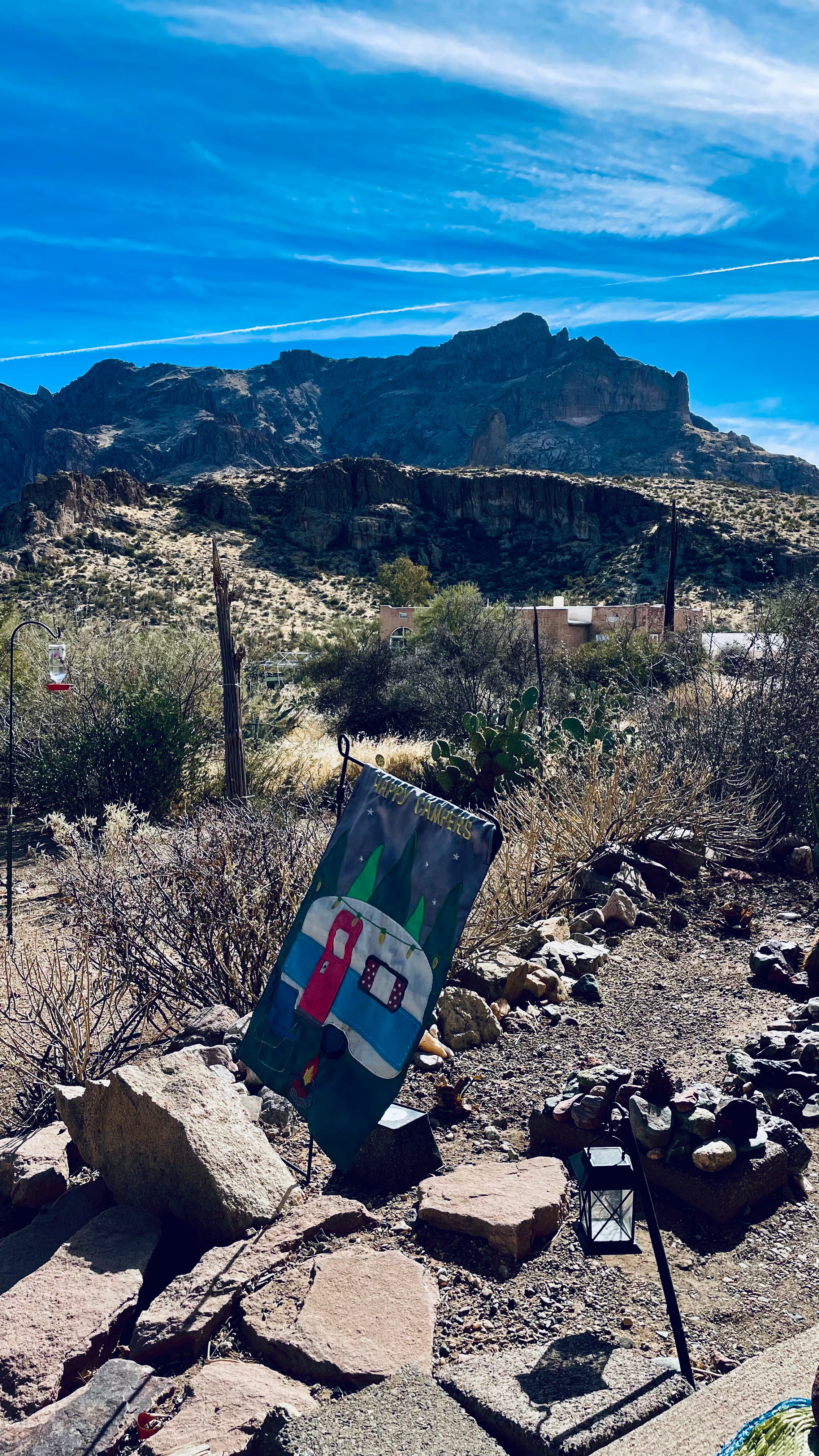
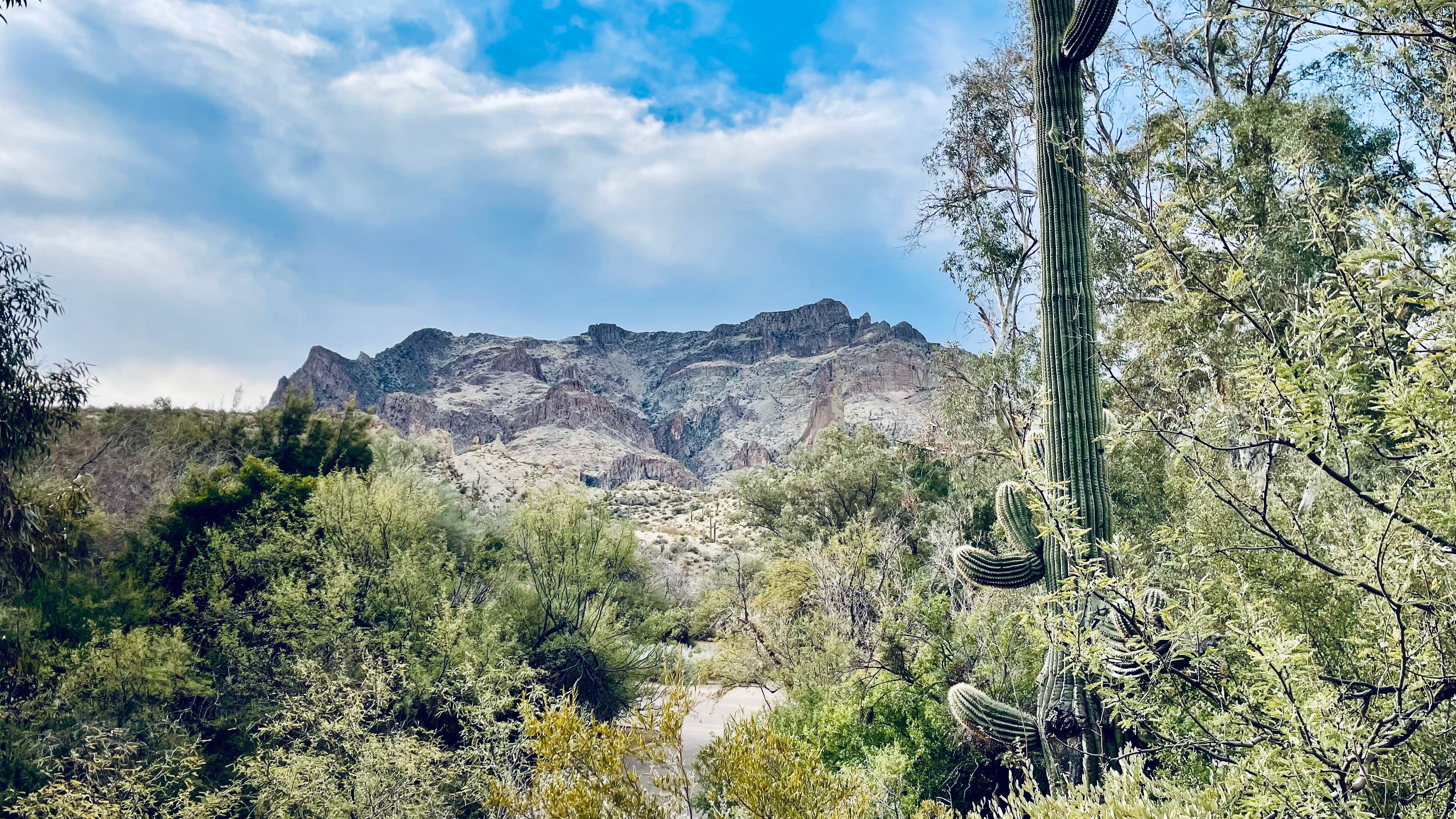
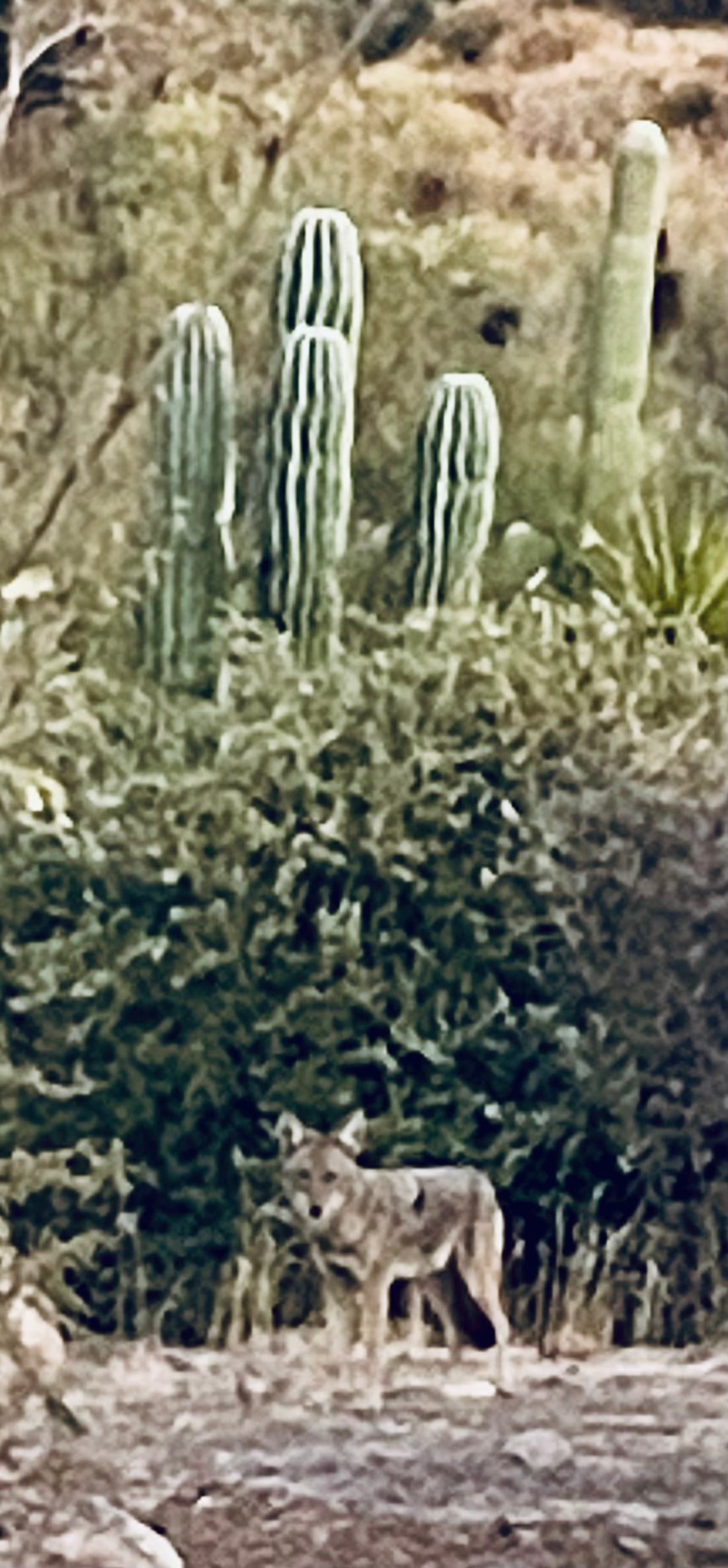
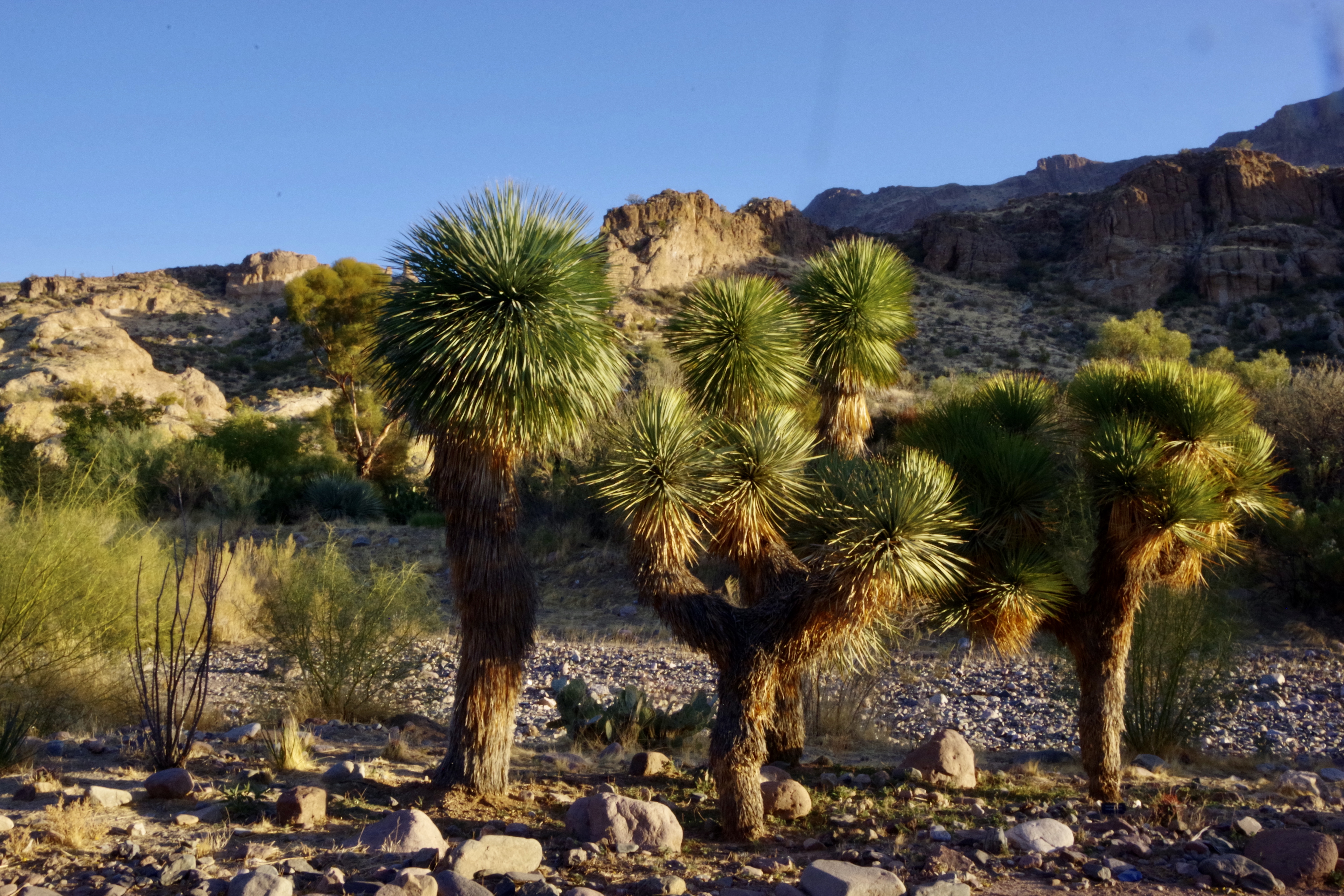
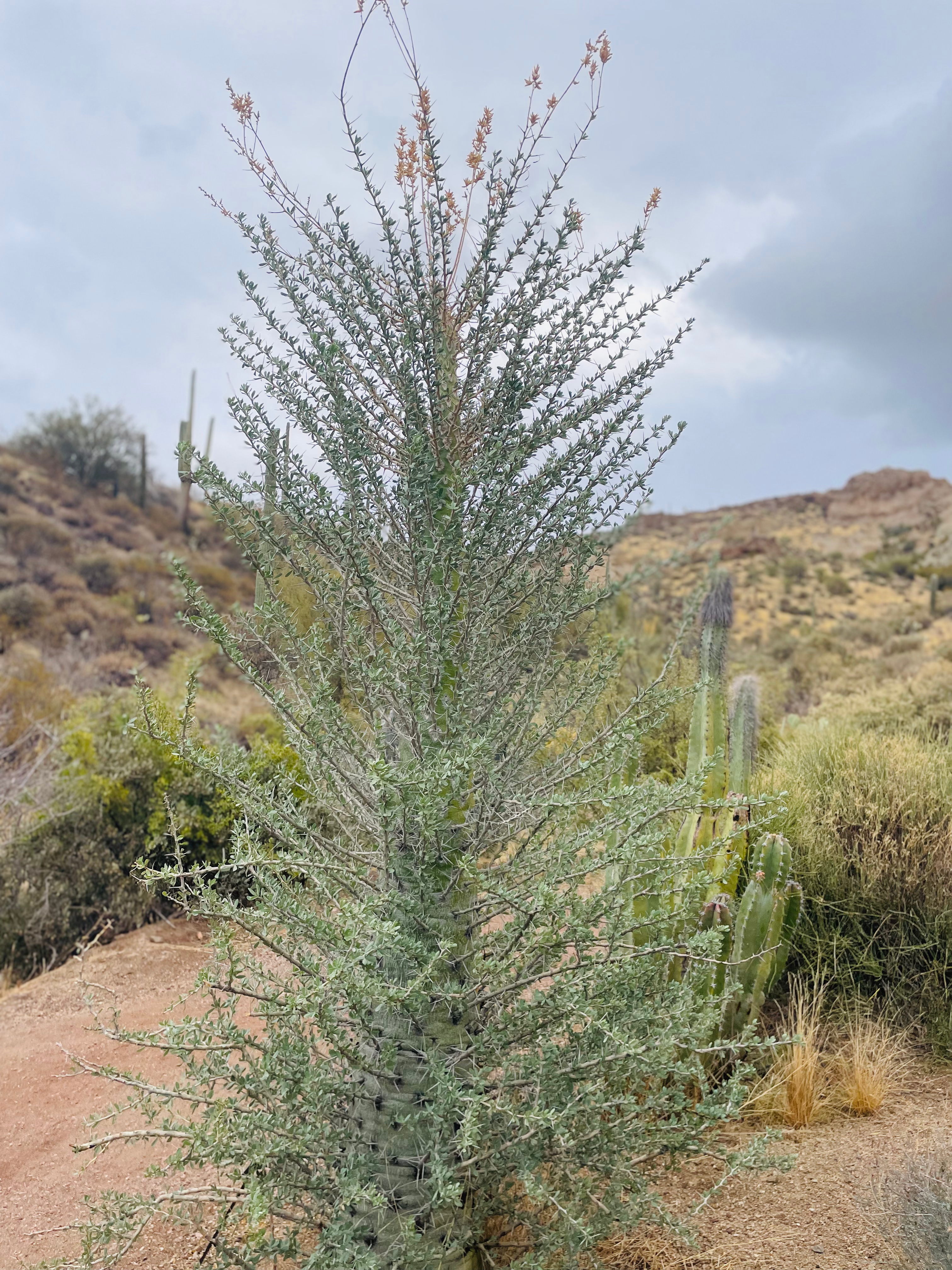
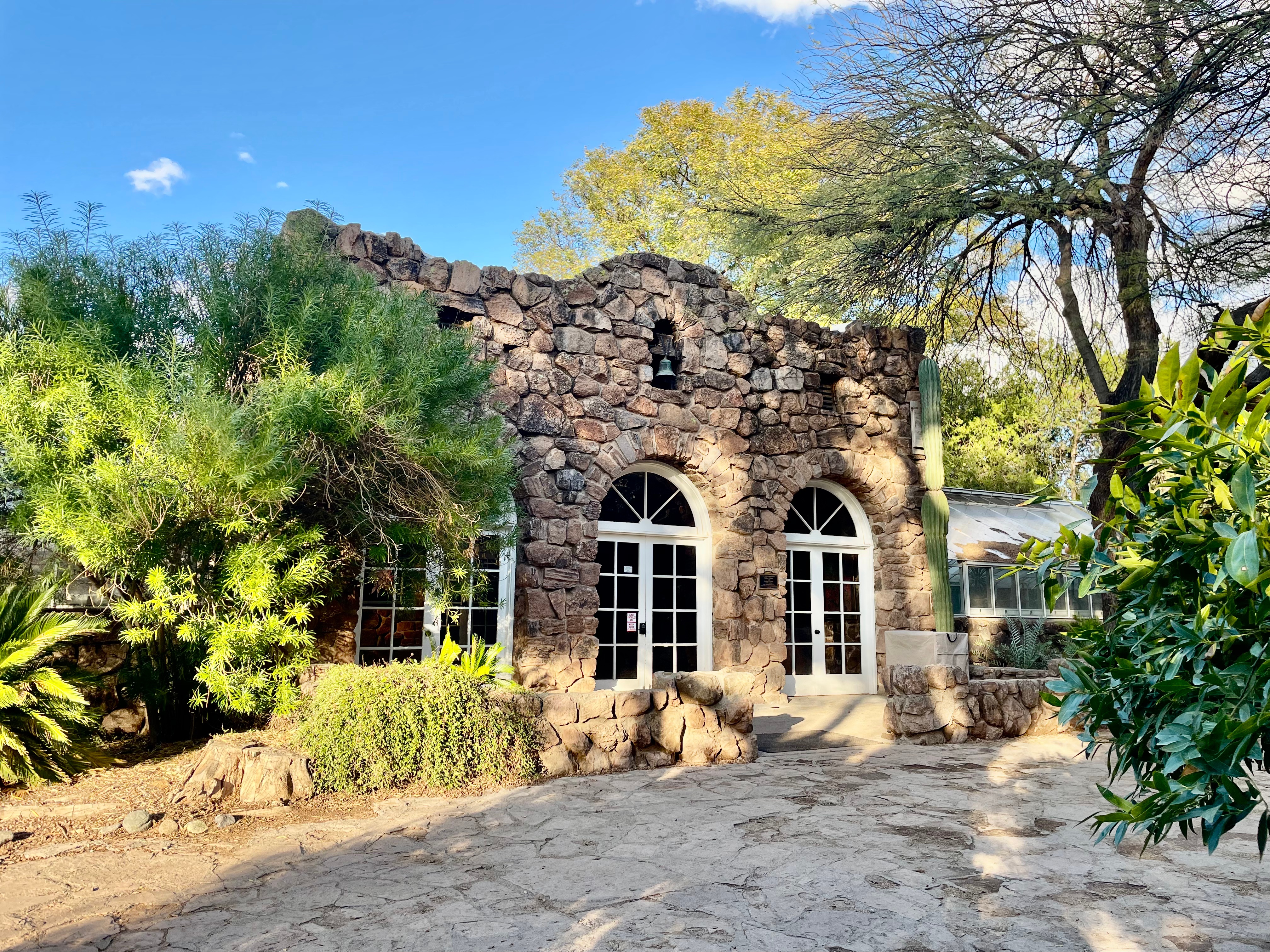
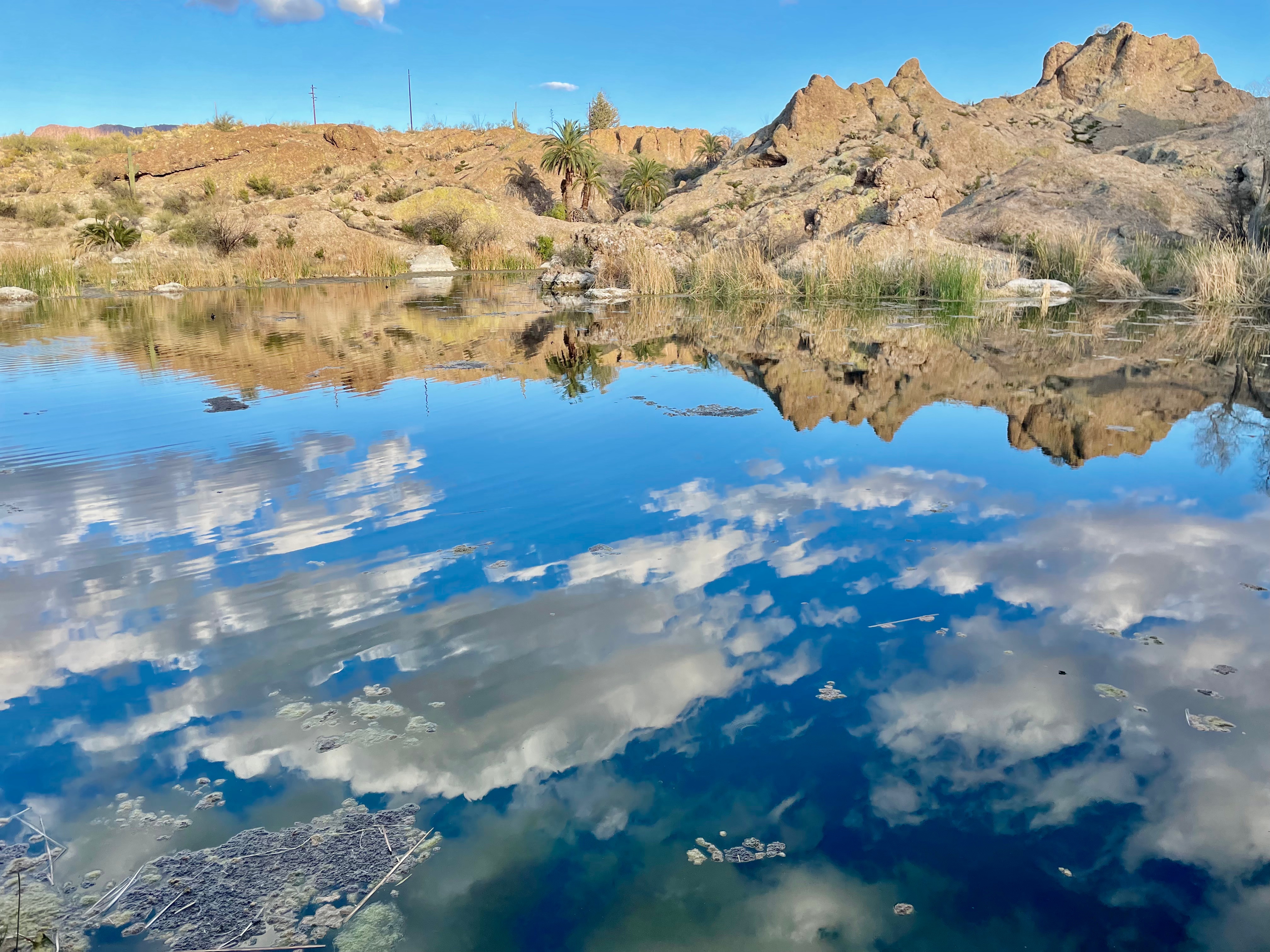
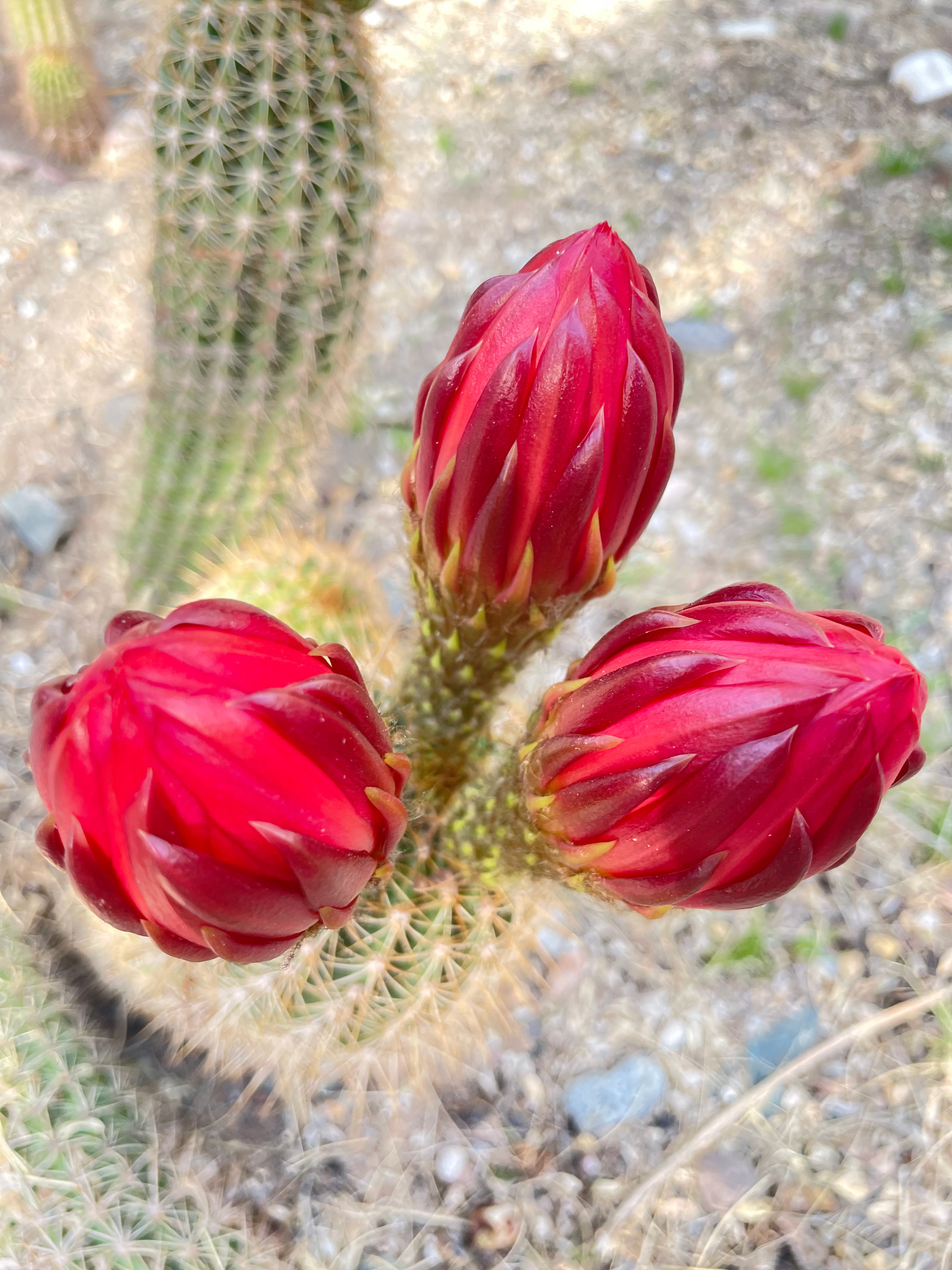
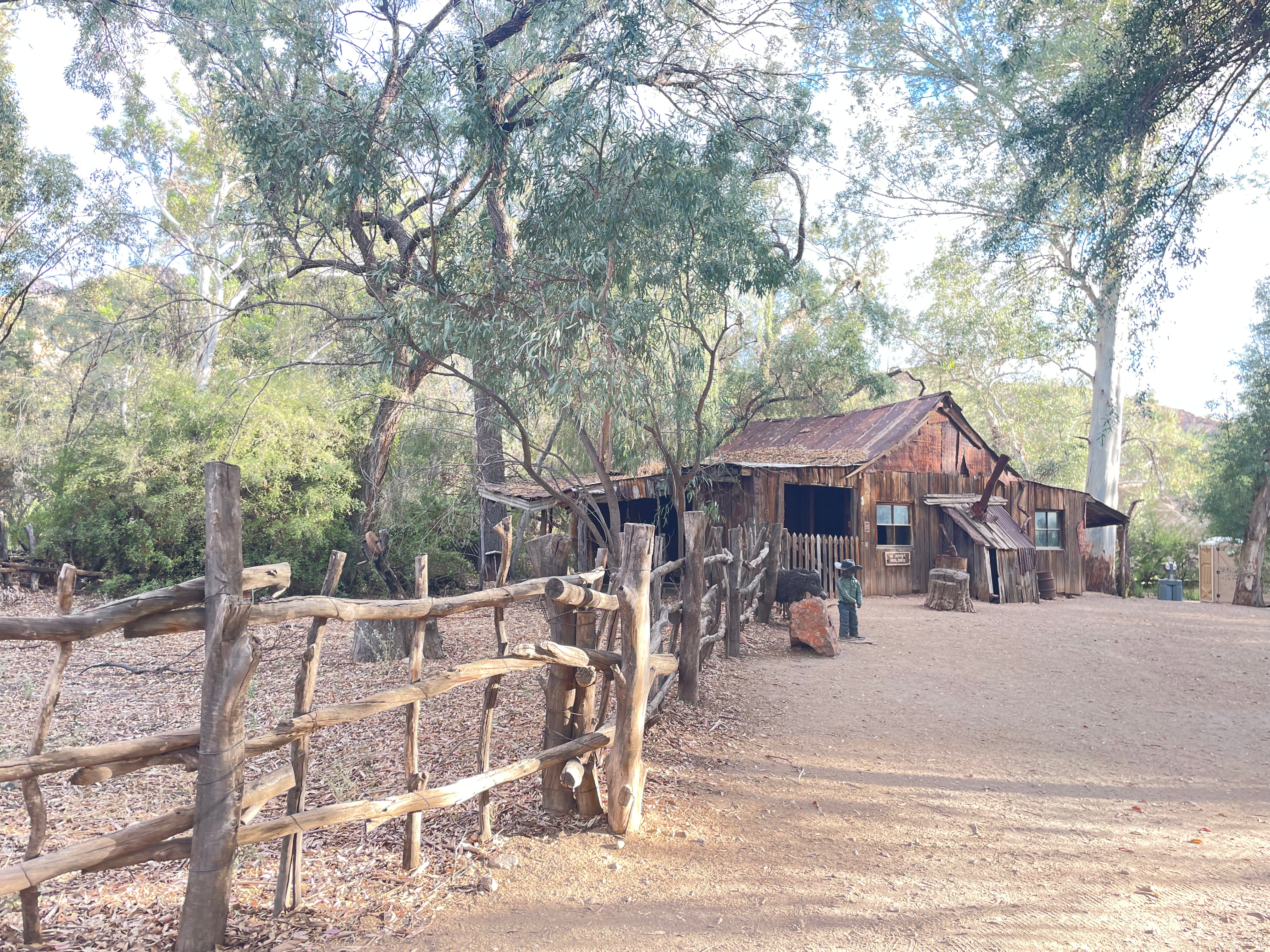
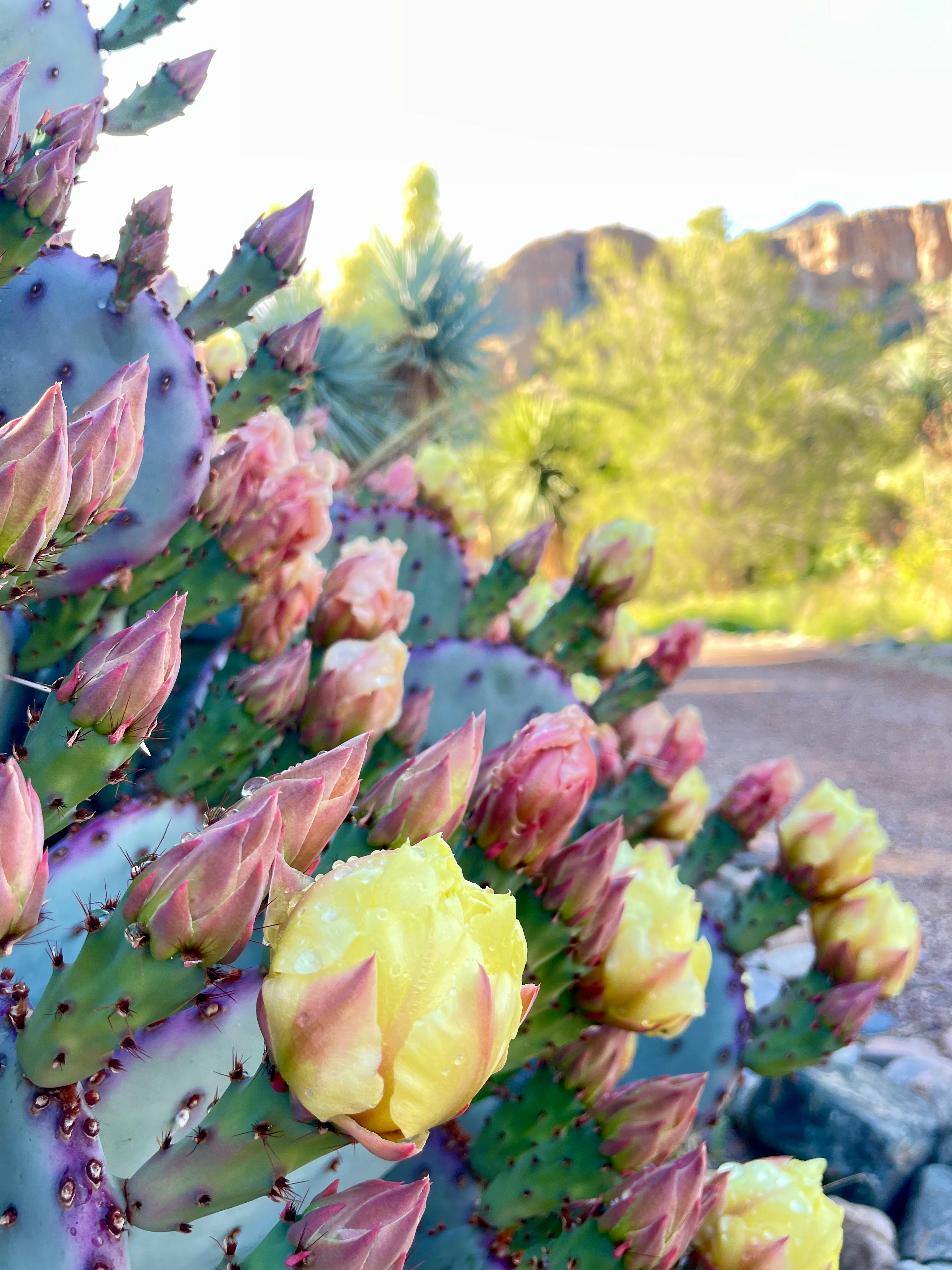
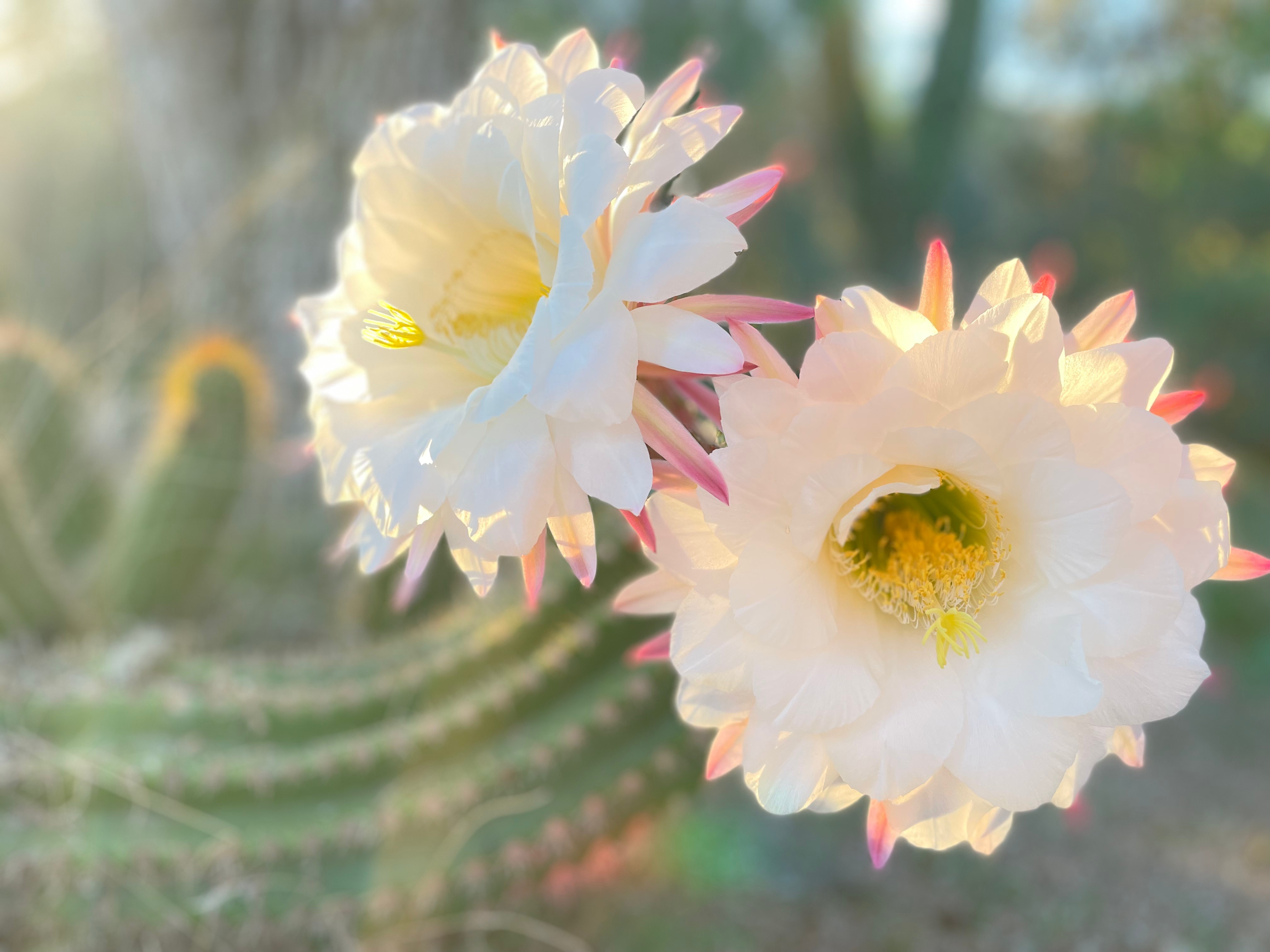
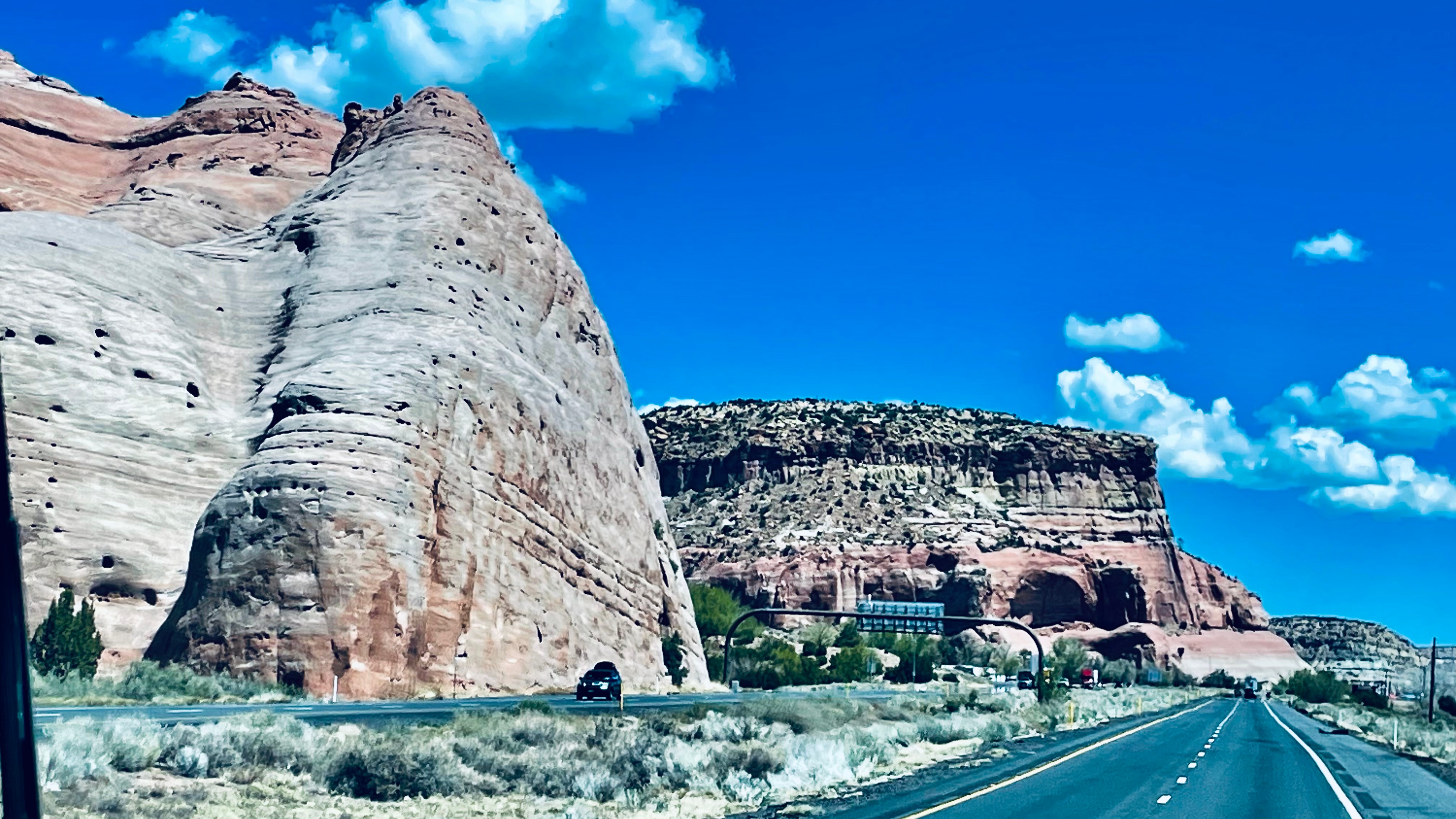
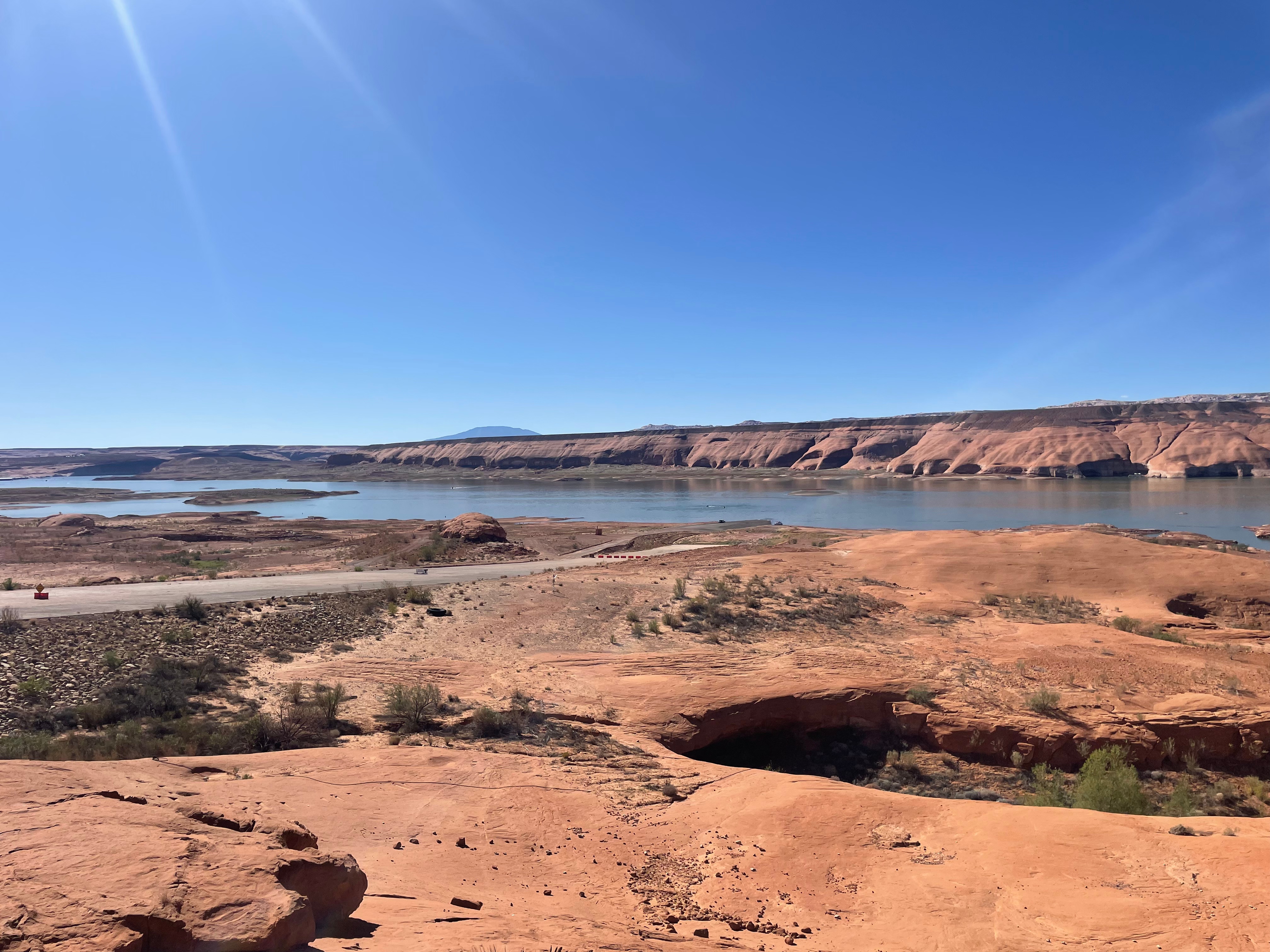
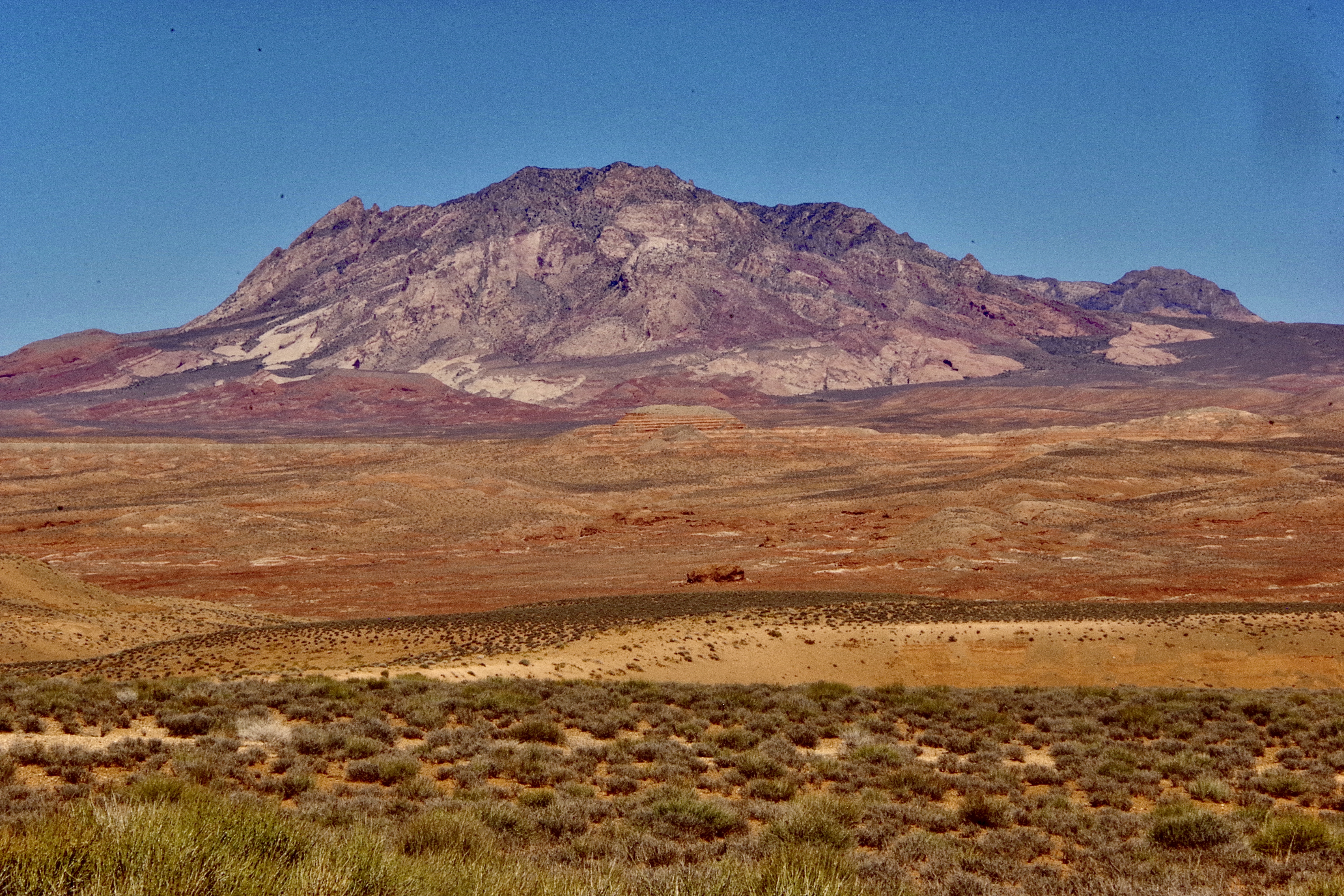
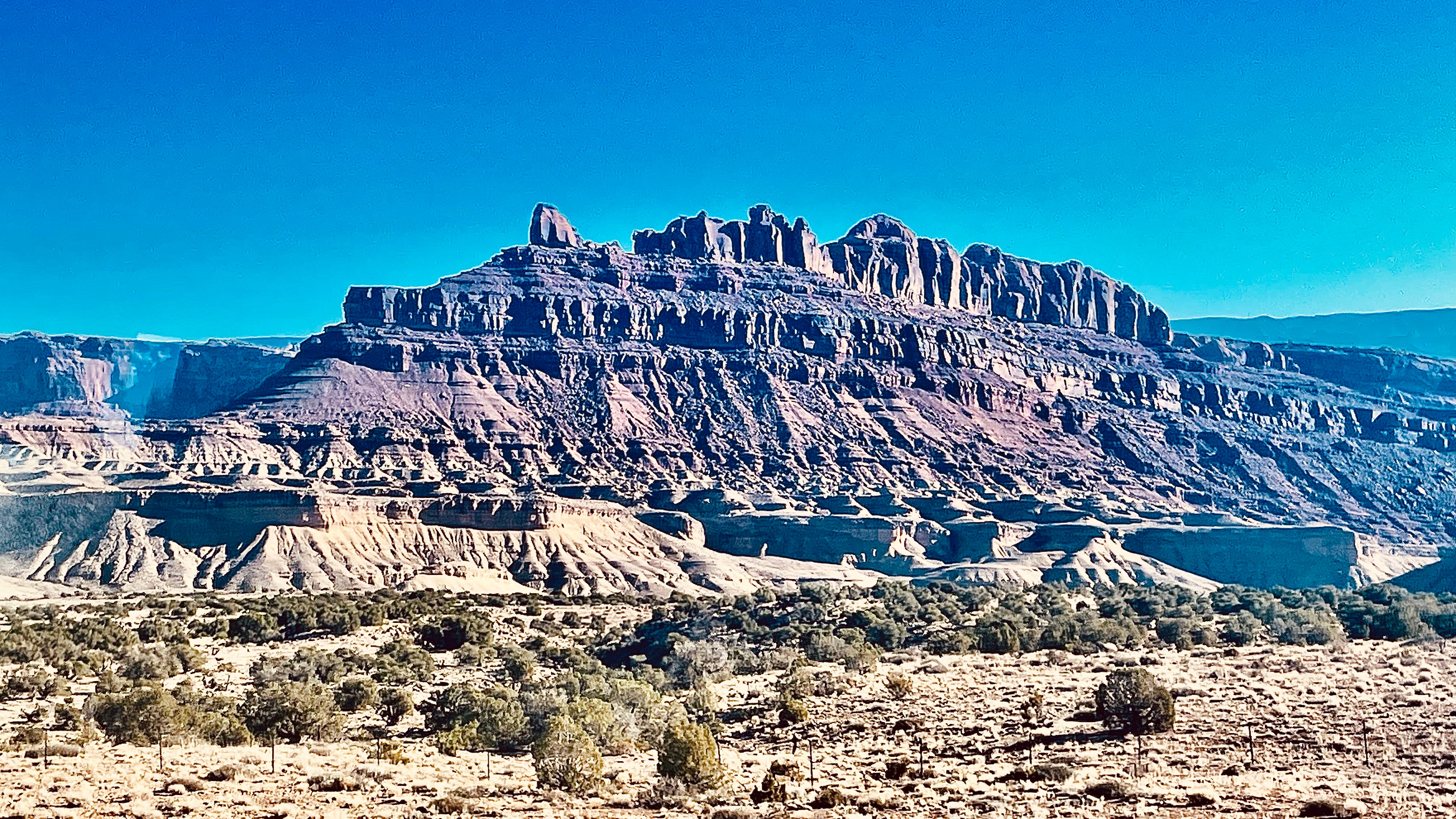
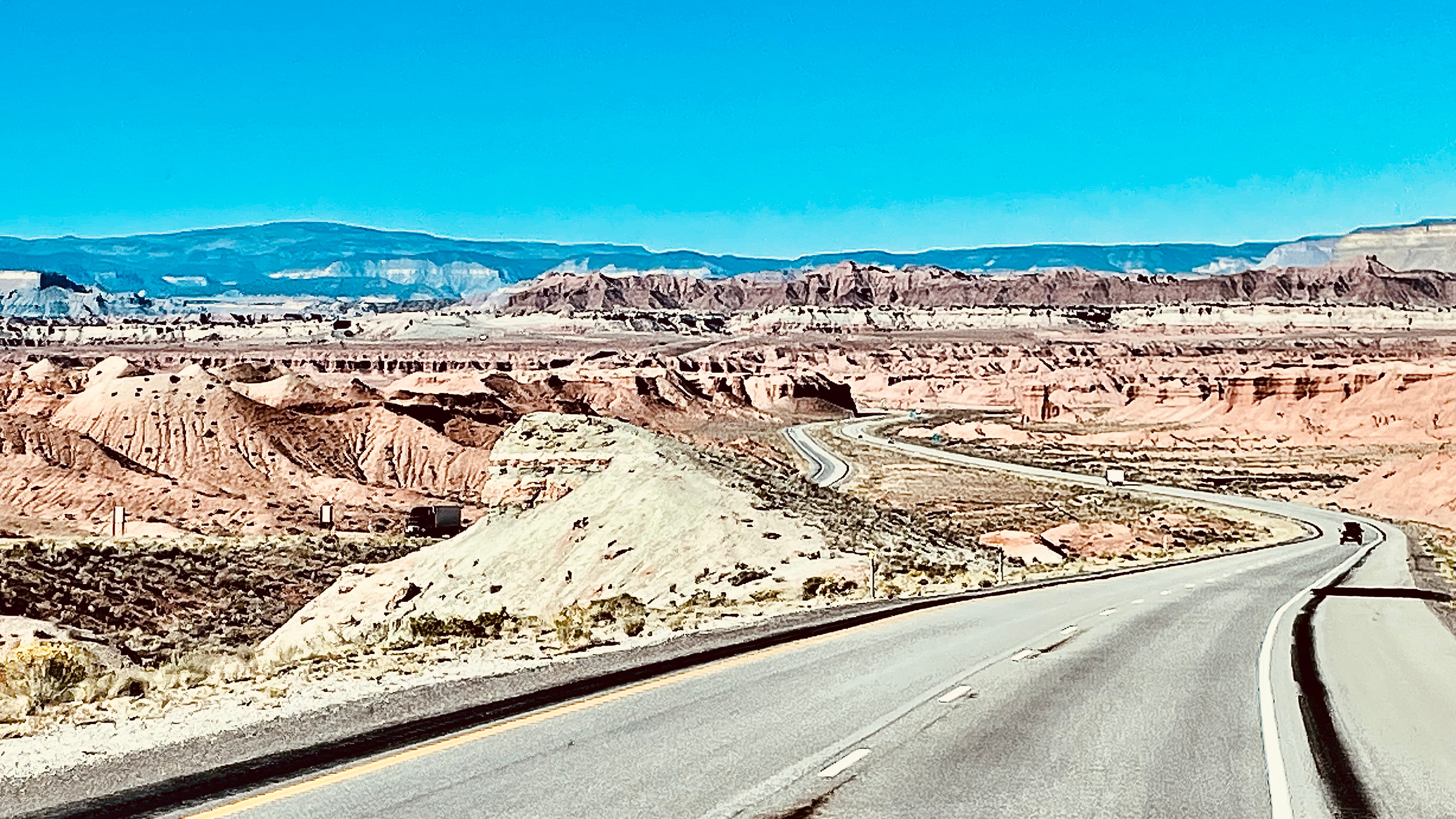
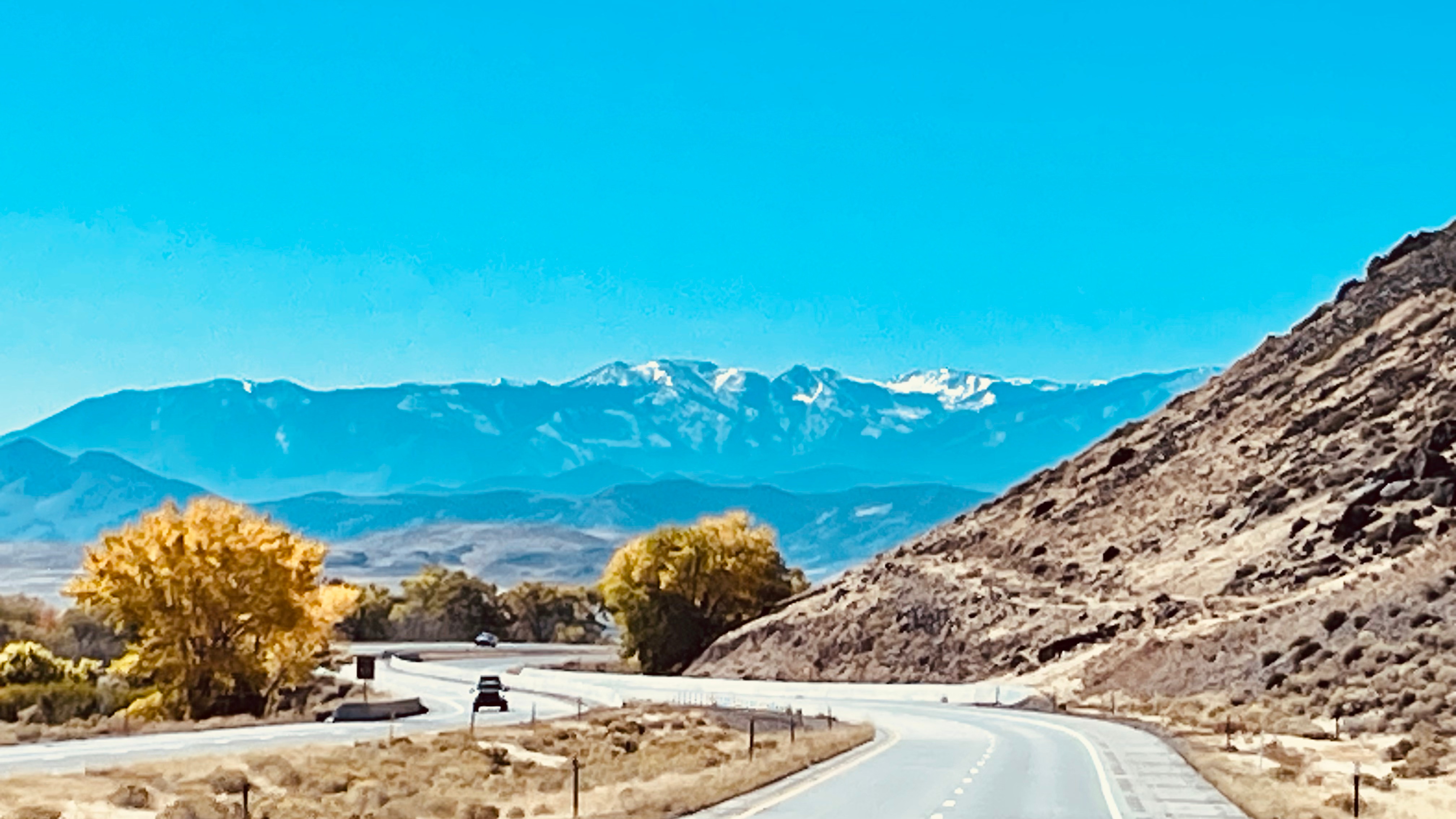
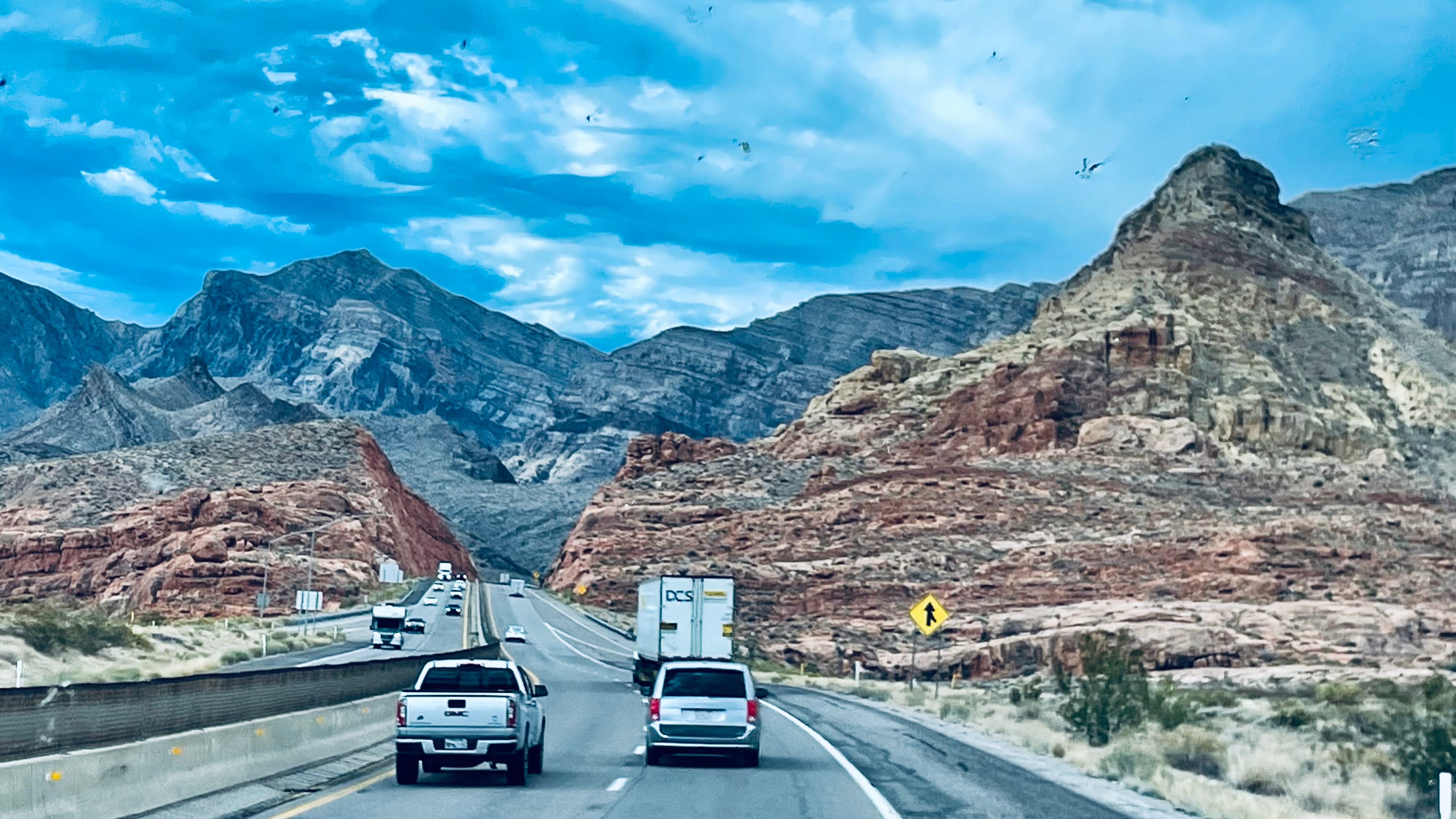
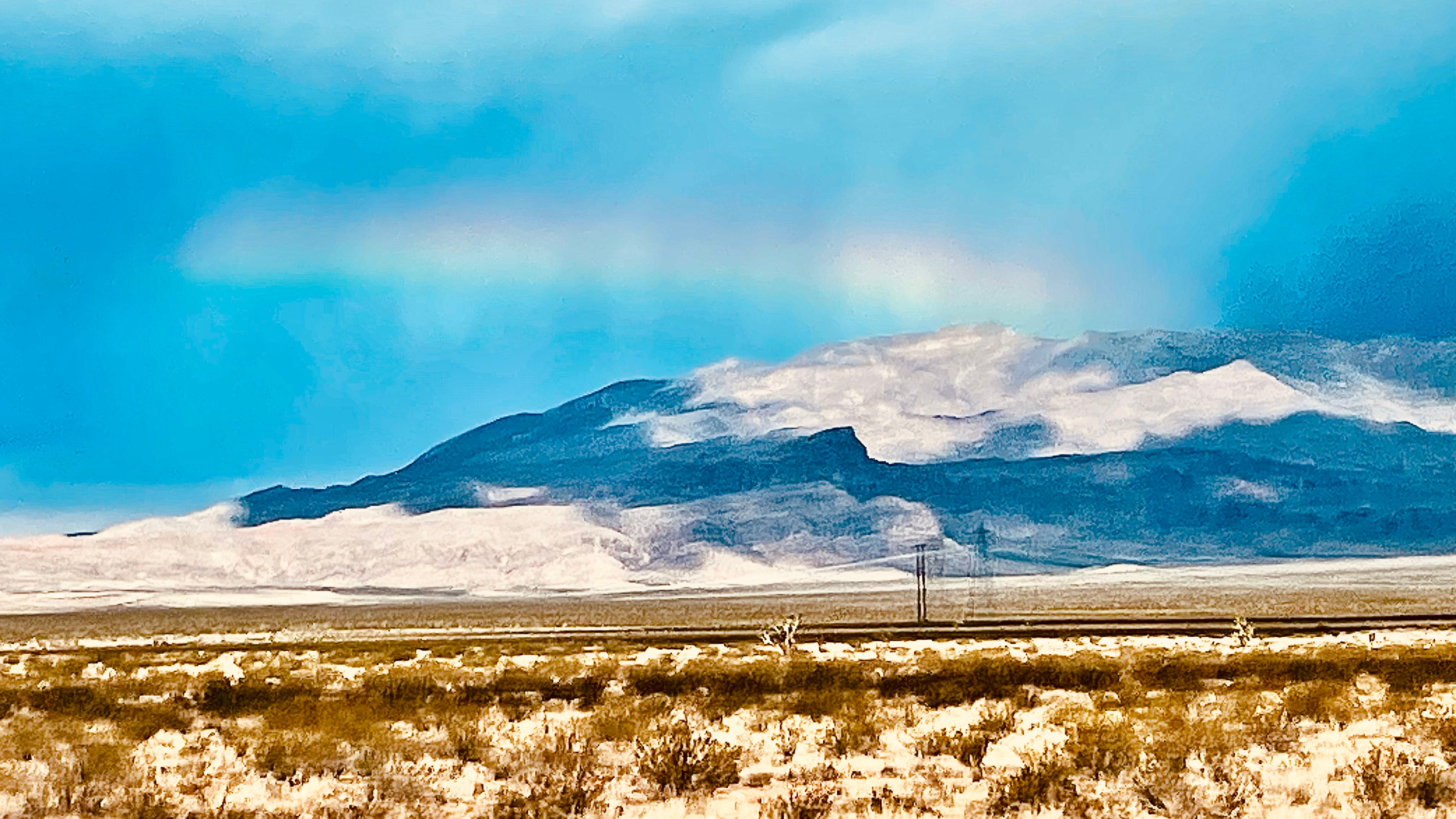
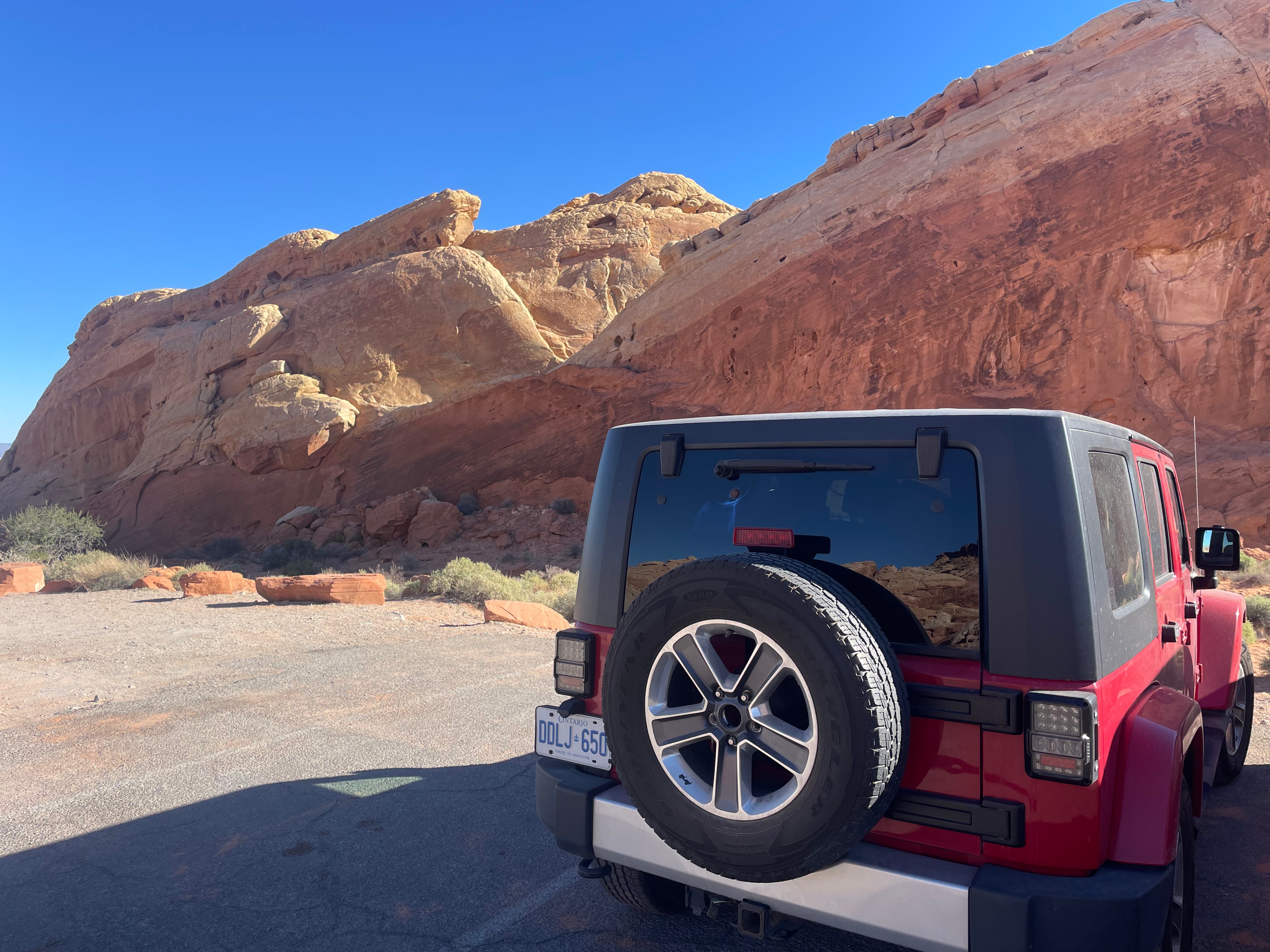
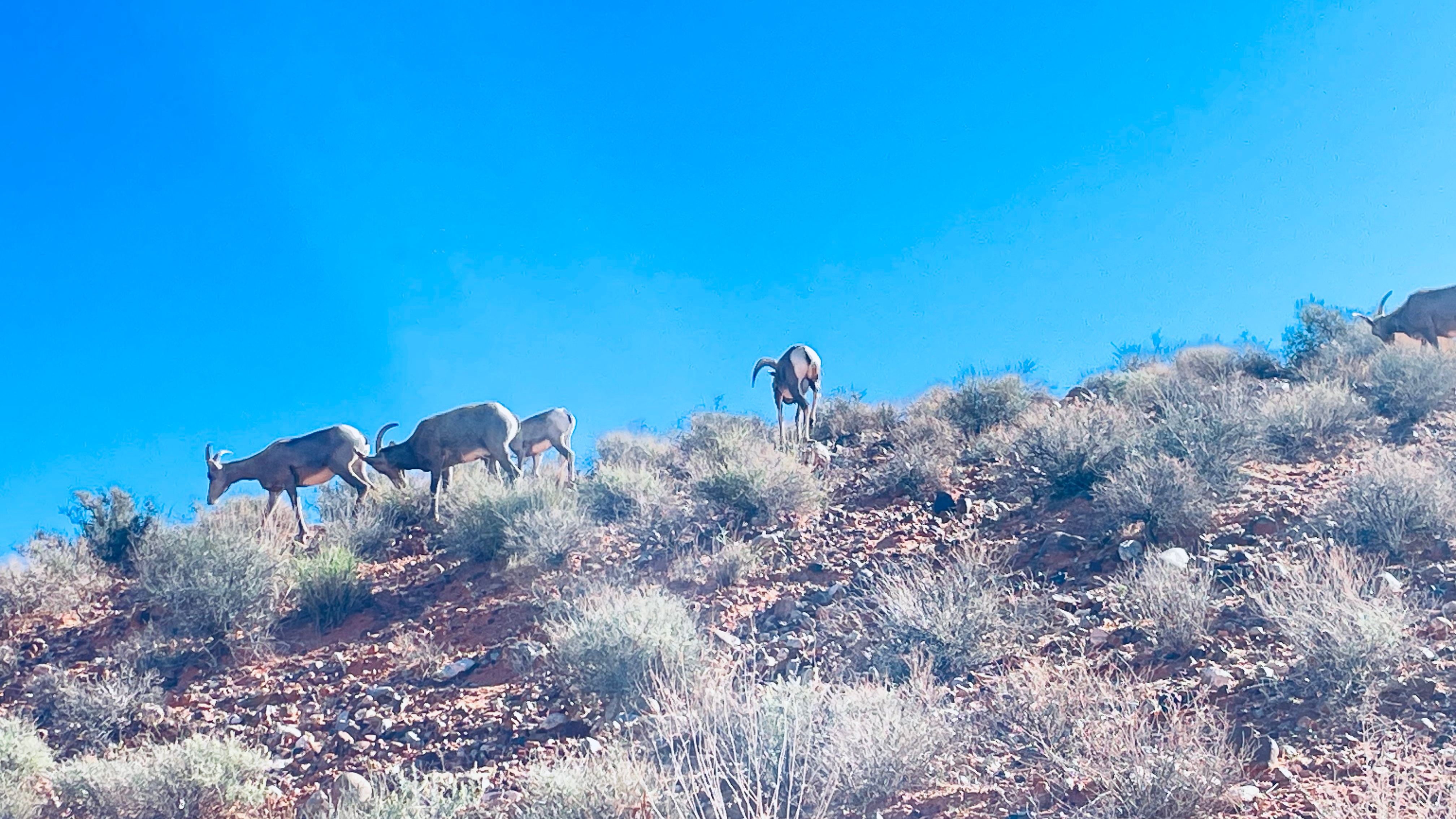
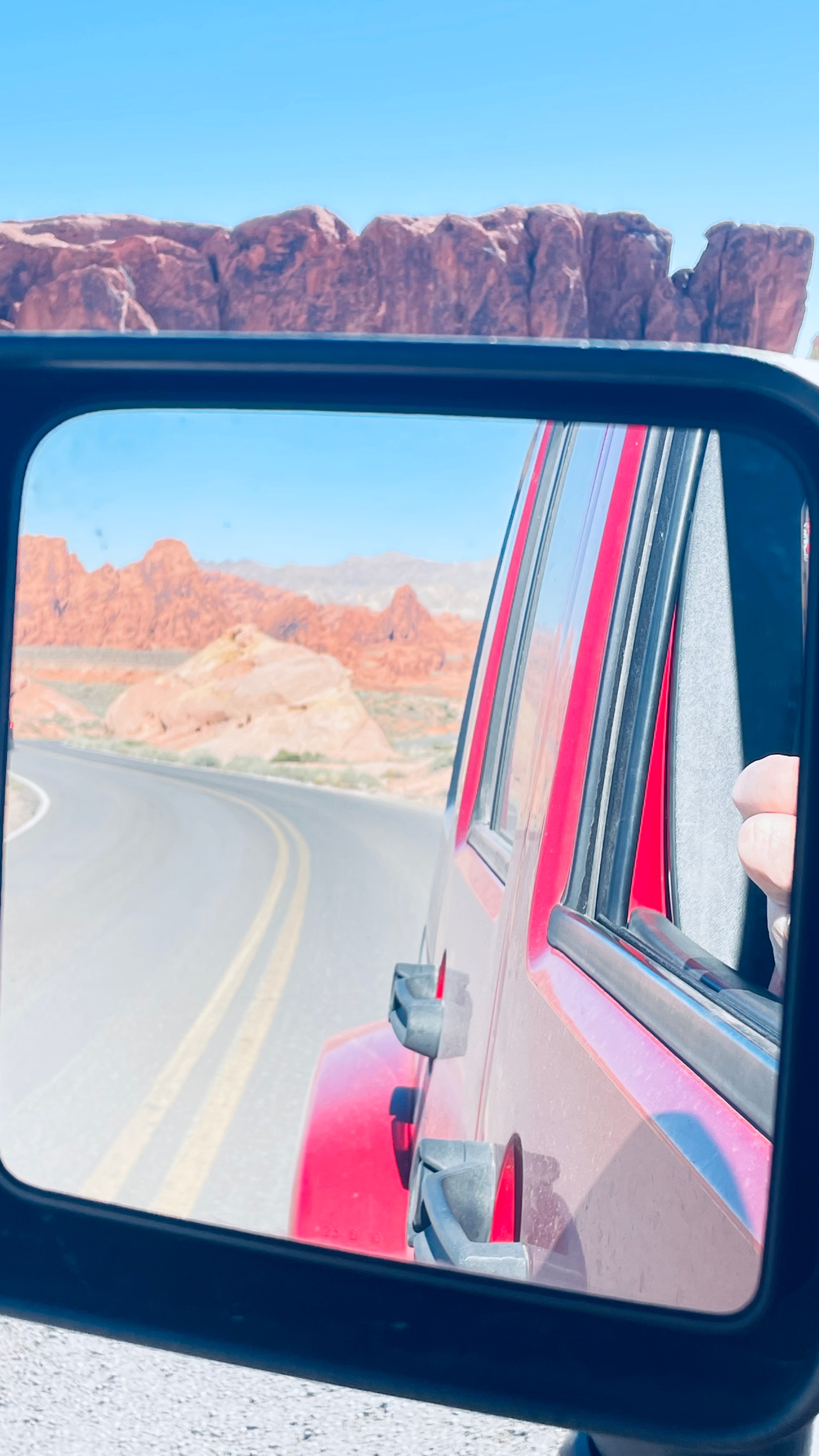
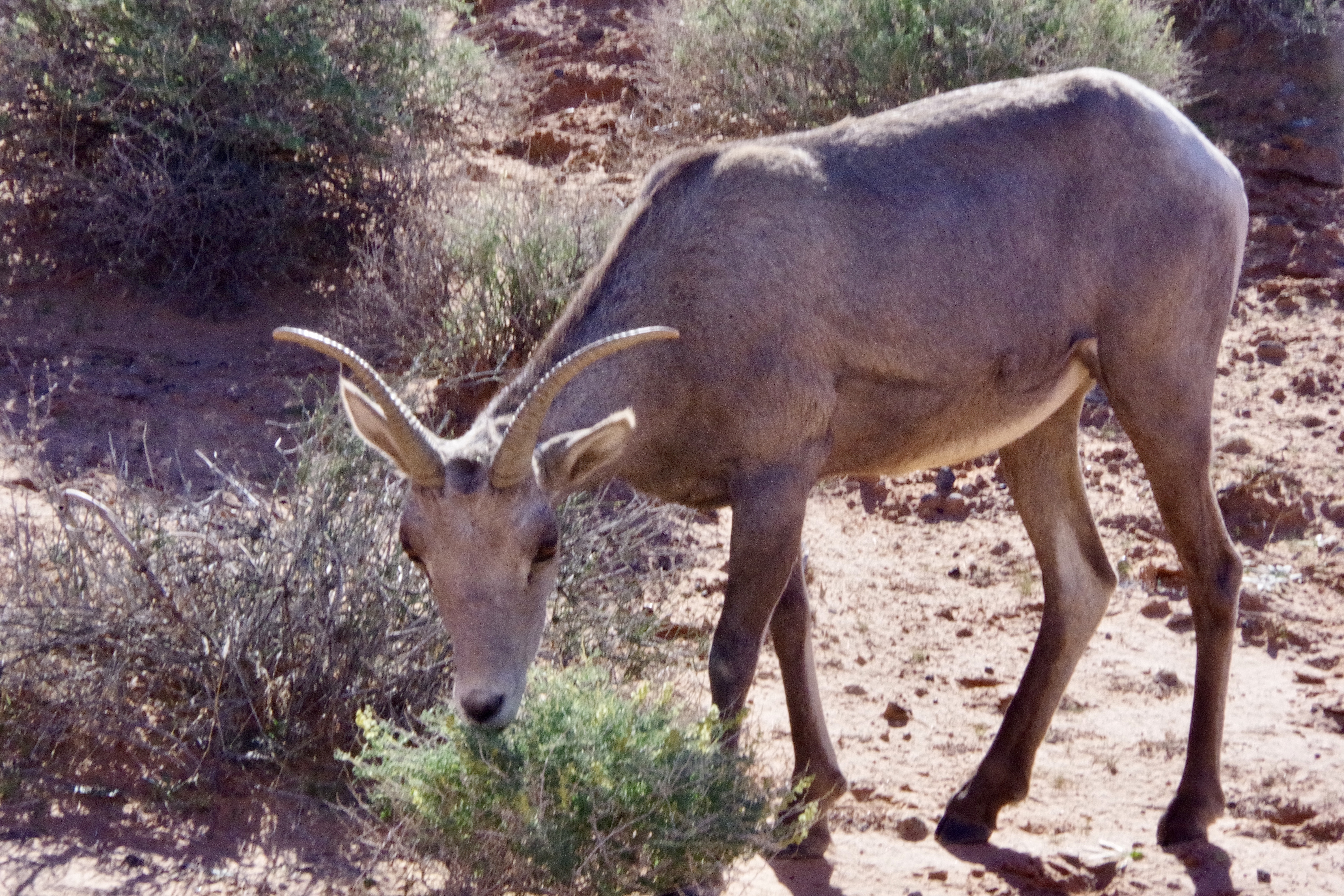
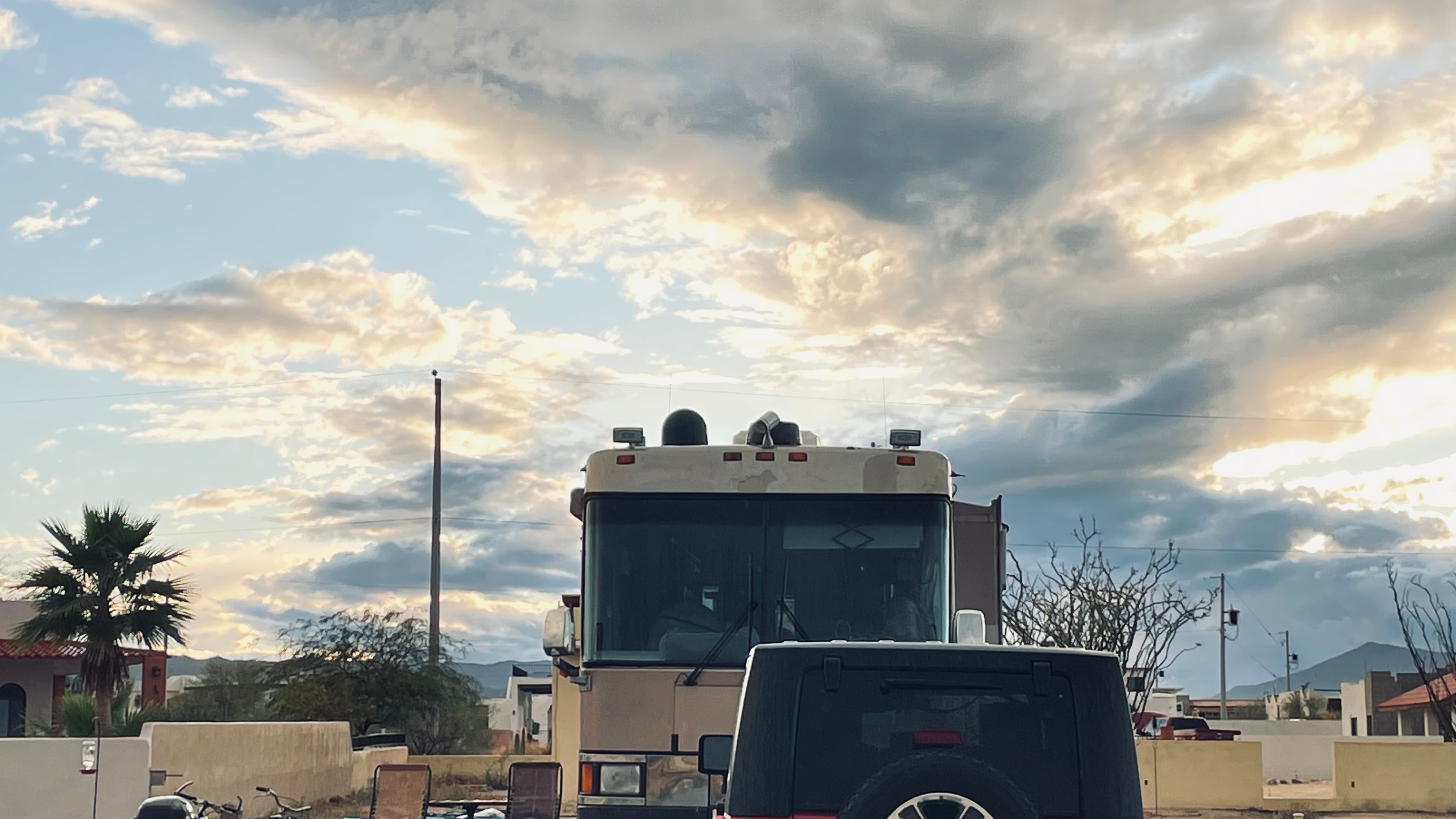
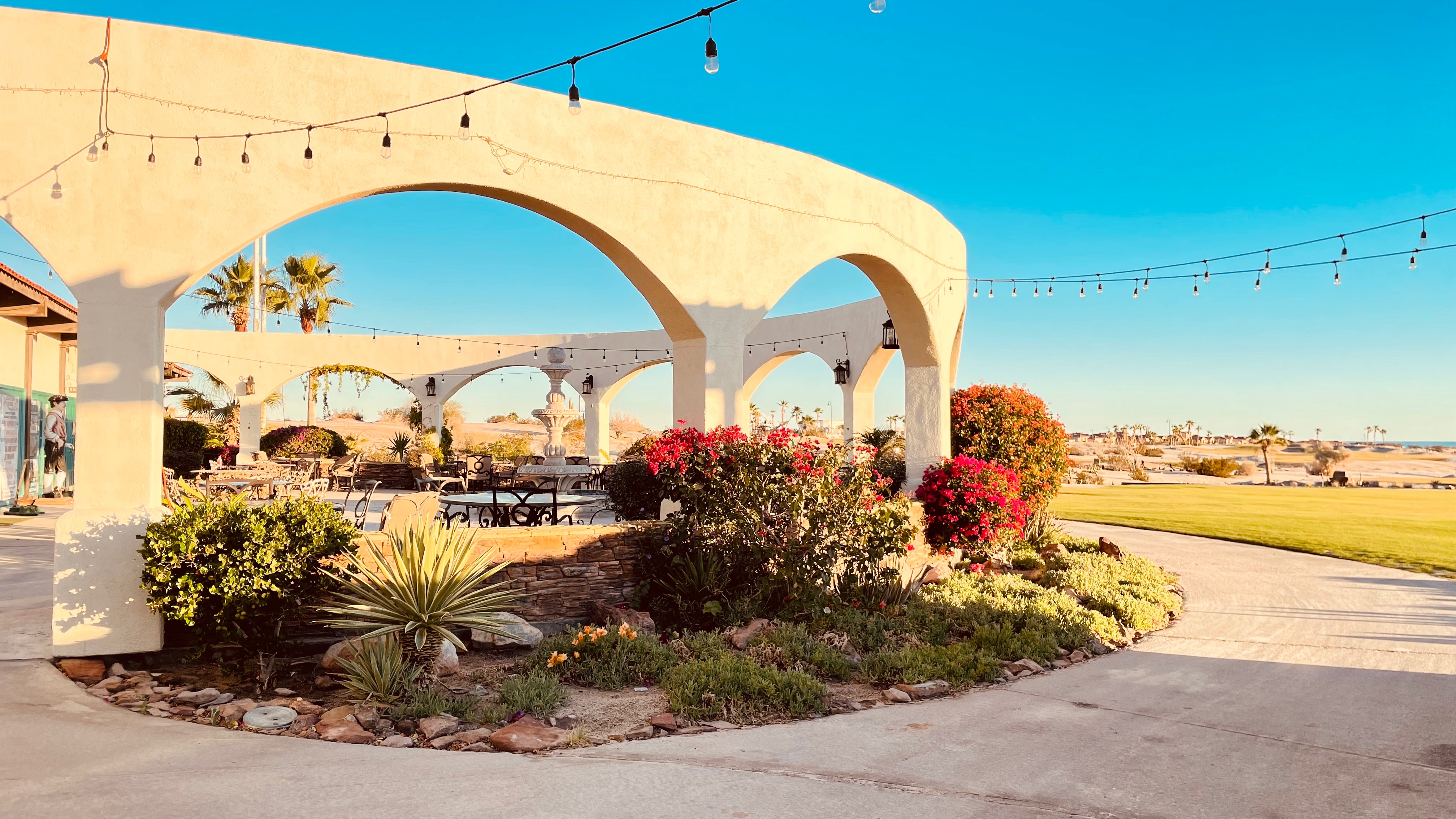
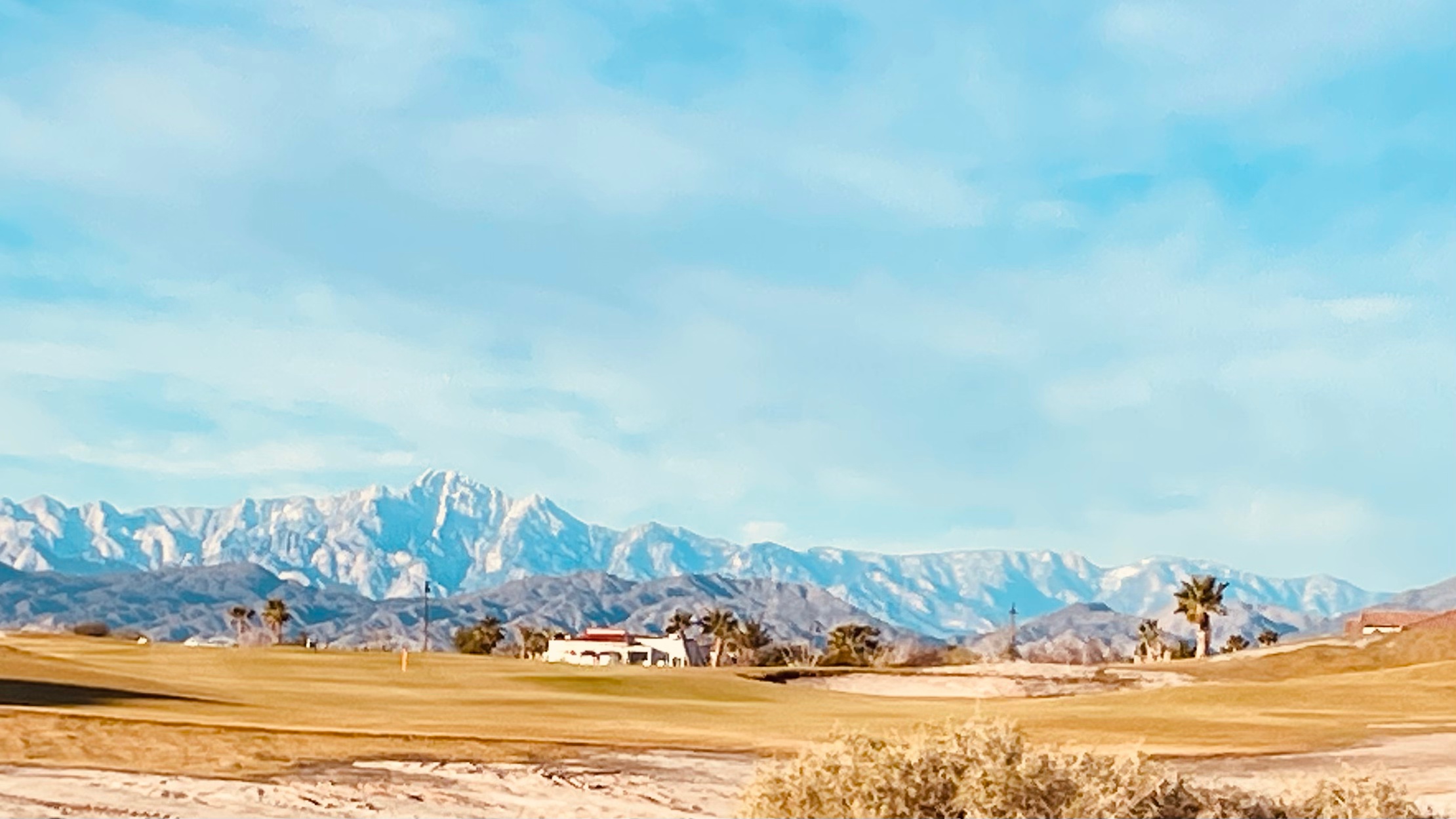
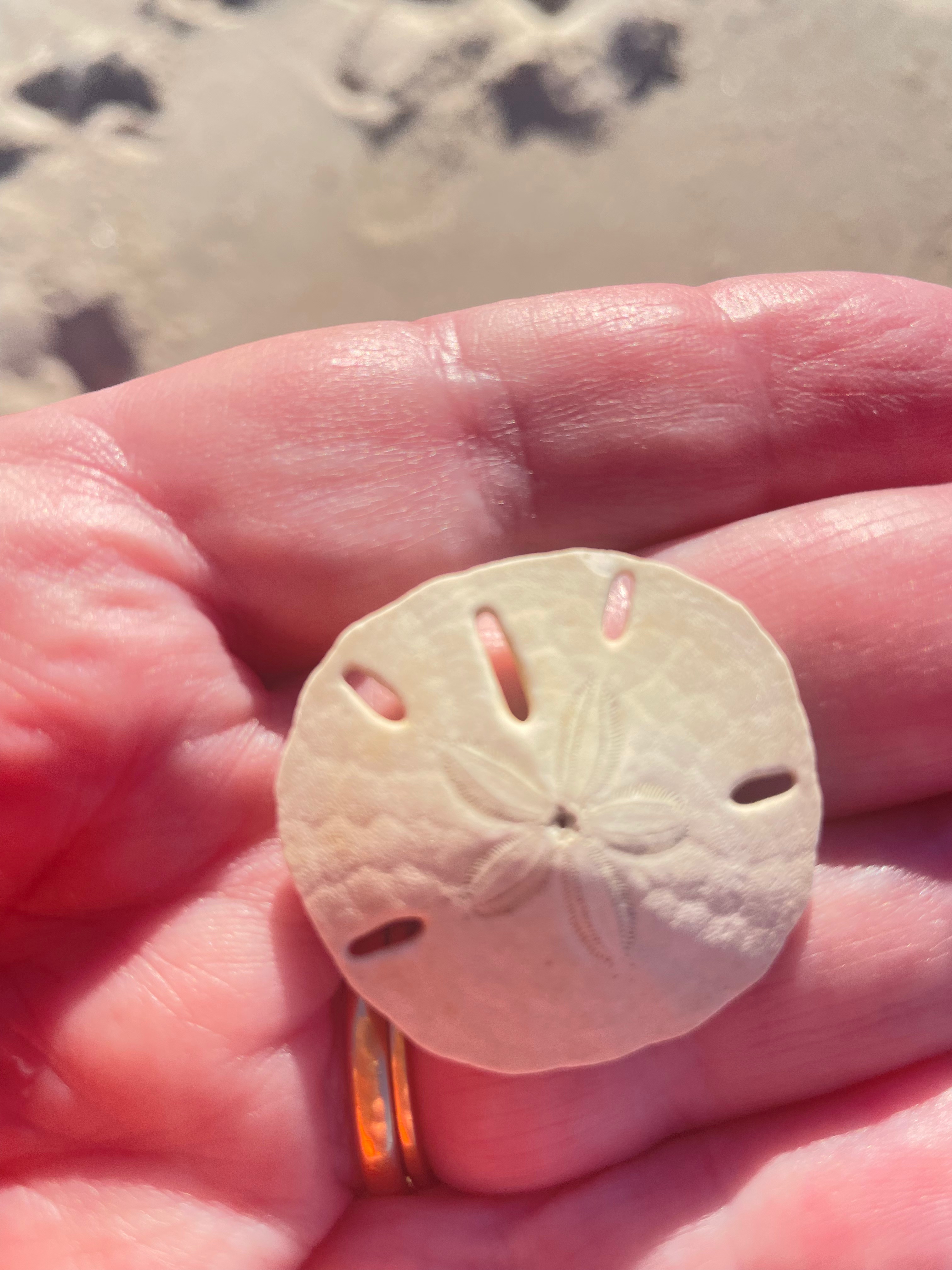
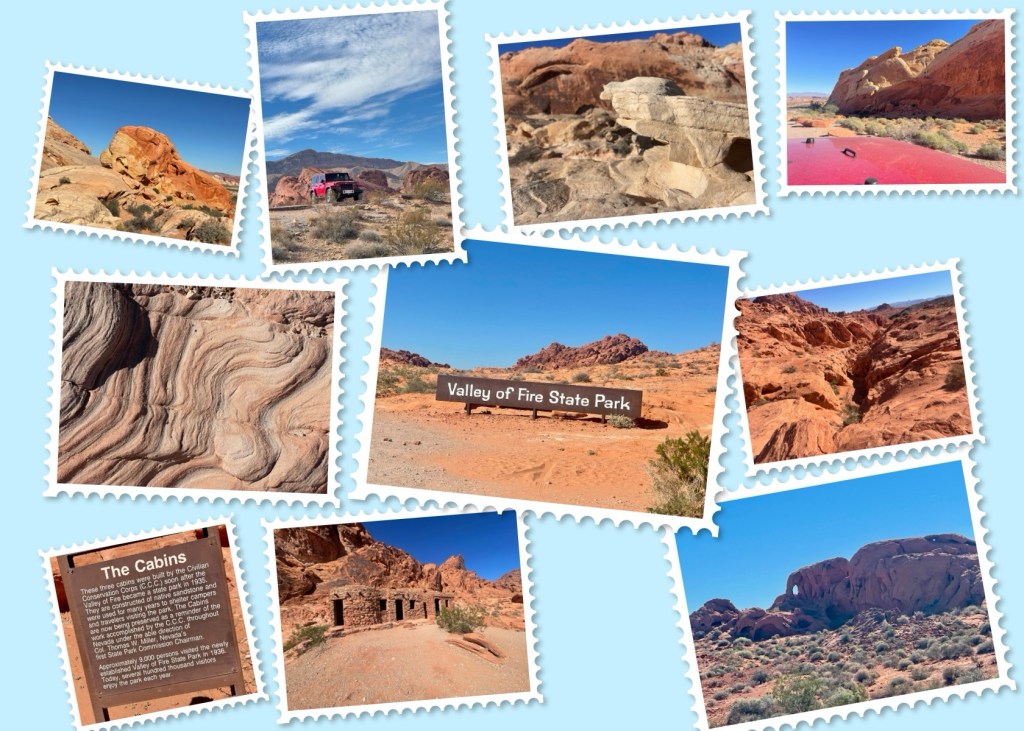
A few photos from the valley
Day 3035

2025 in Review: Miles, Memories, and Finding Our Rhythm
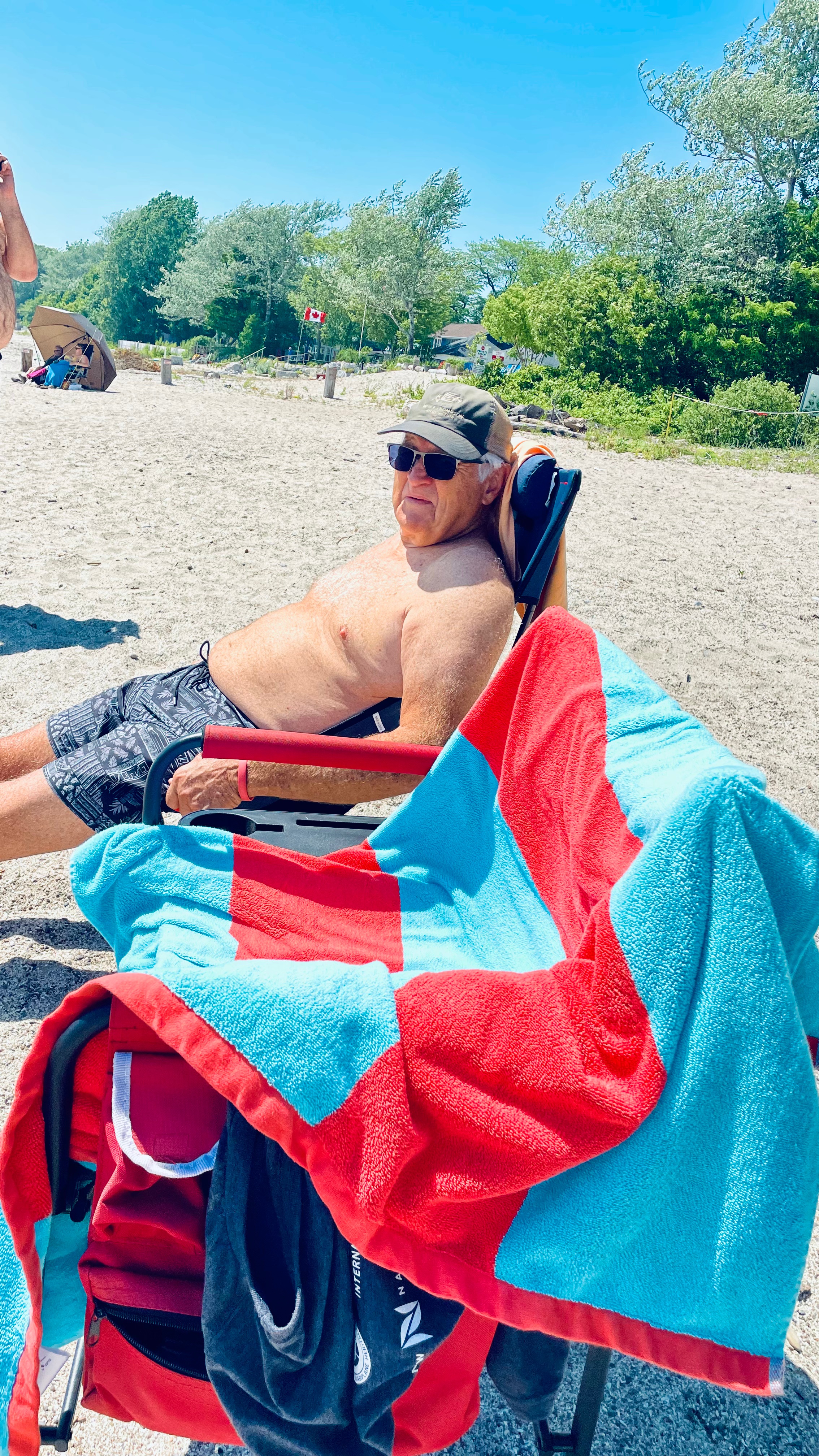
By The Buchanan’s Rolling Down The Road
December 2025
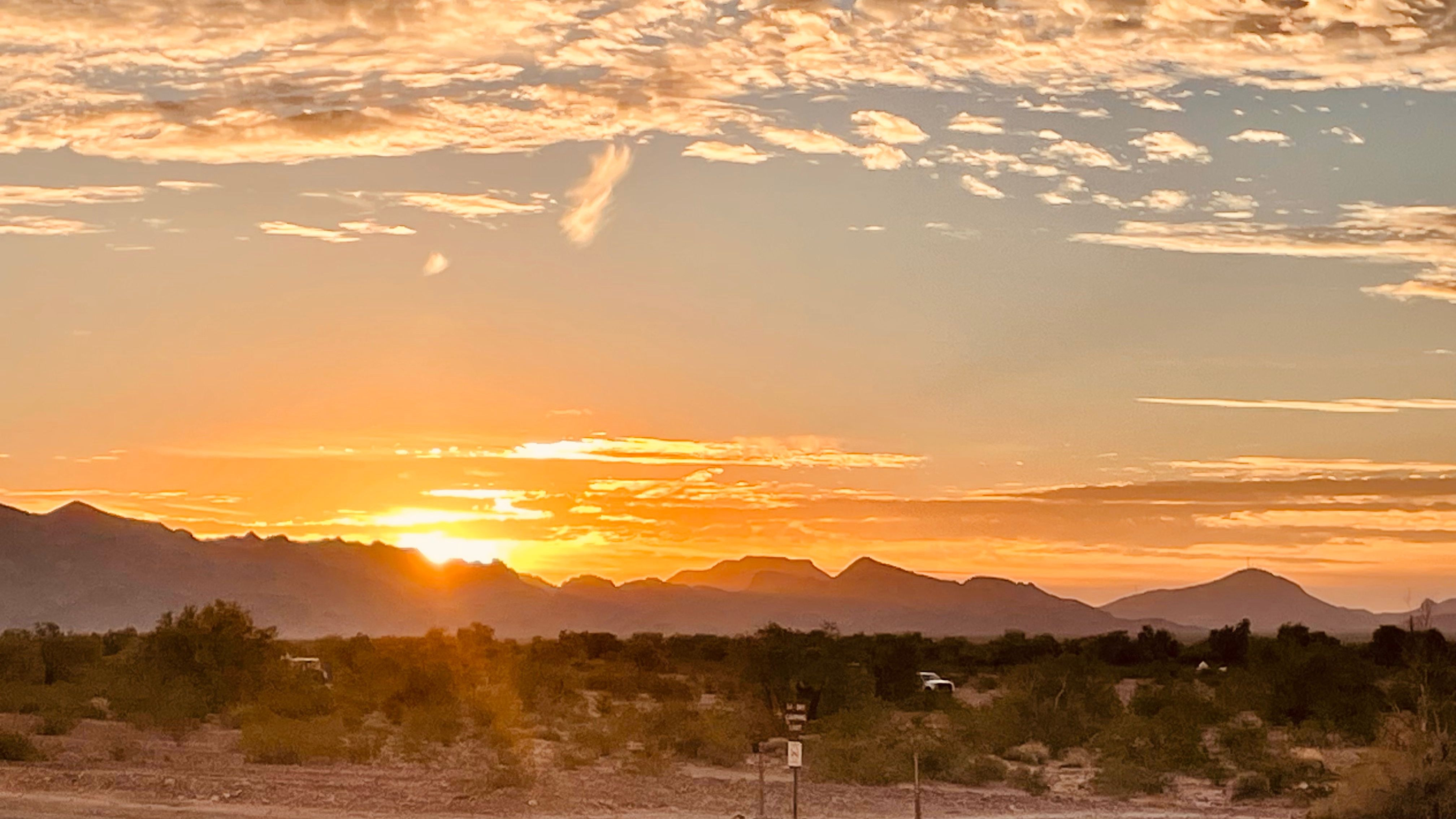
Every year seems to move faster than the last, but 2025 felt like it moved at highway speed. From desert mornings at Boyce Thompson Arboretum to lake days in Ontario, new states on the map, mechanical challenges, and finally settling into winter life on a quiet Mexican beach — this year reminded us why we chose this life.


Winter & Spring in the Arizona Desert

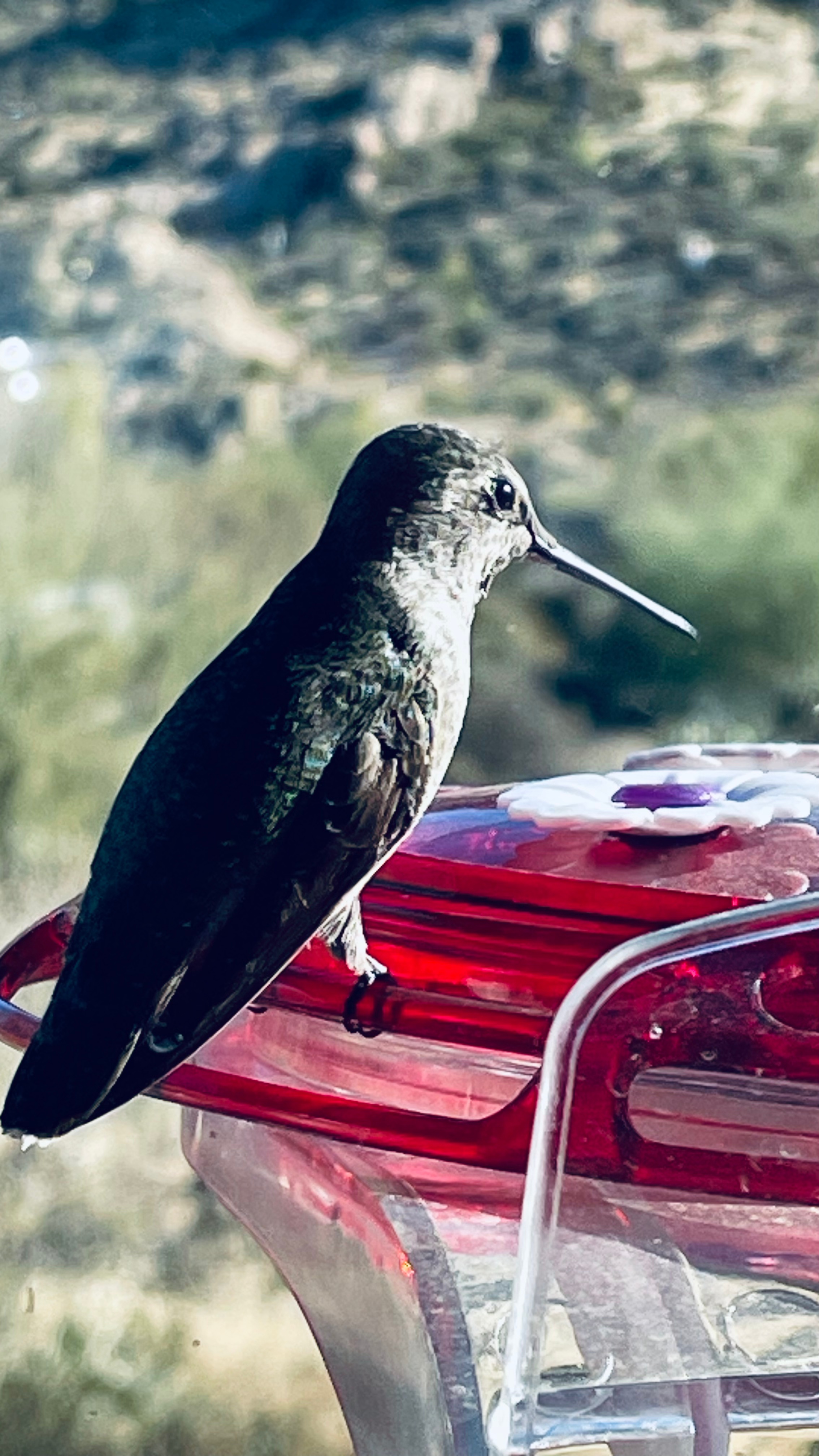
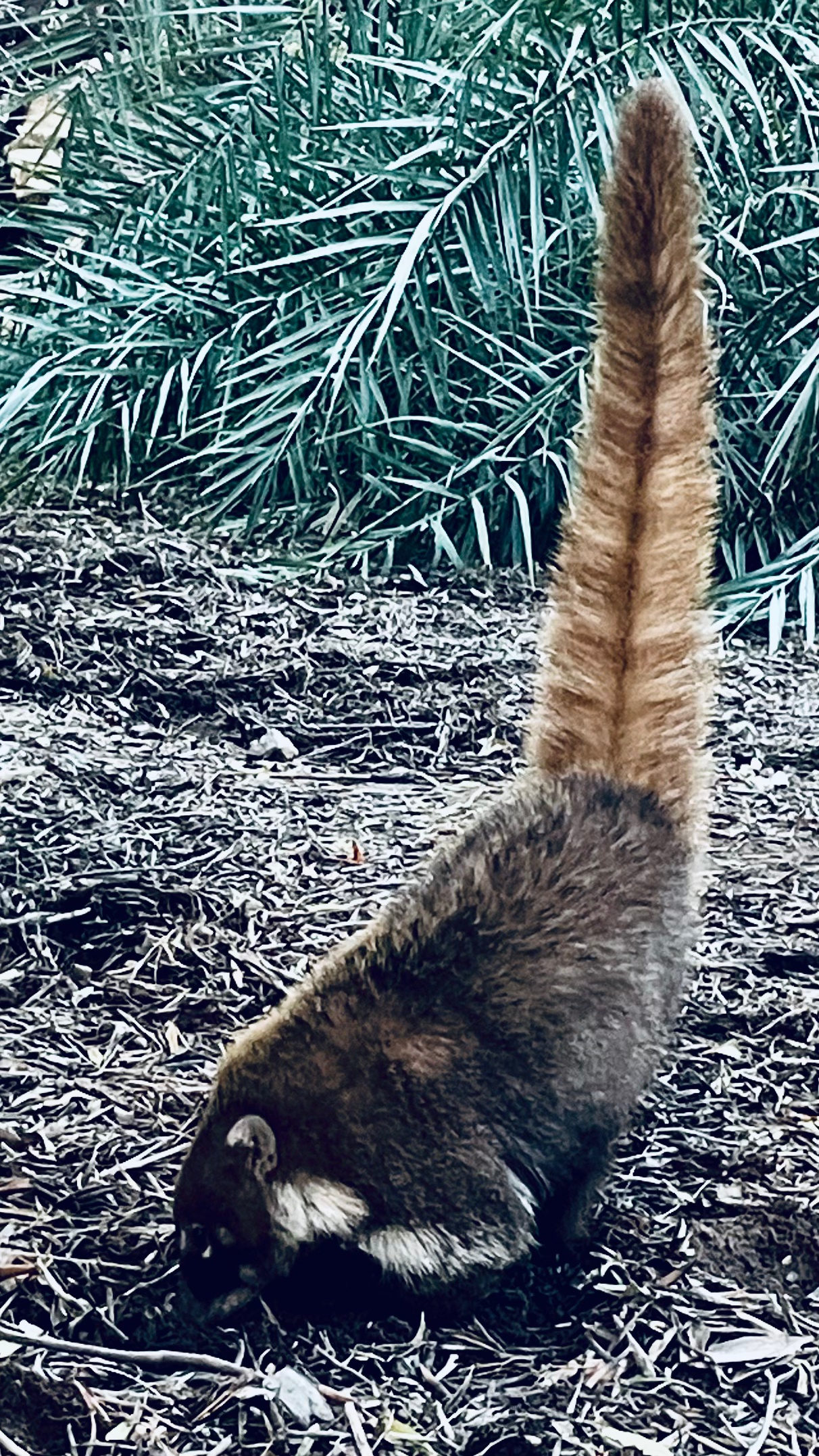
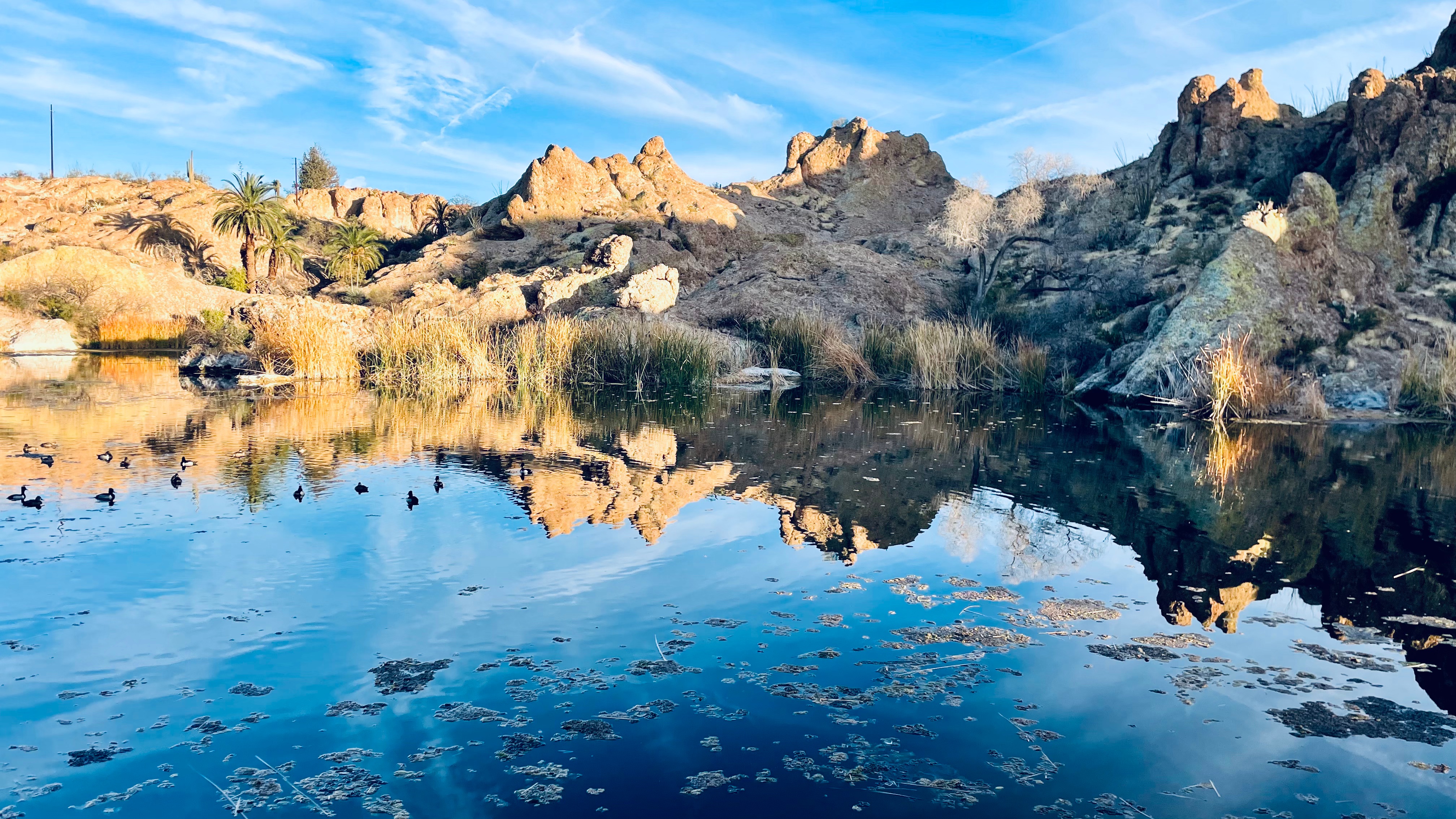
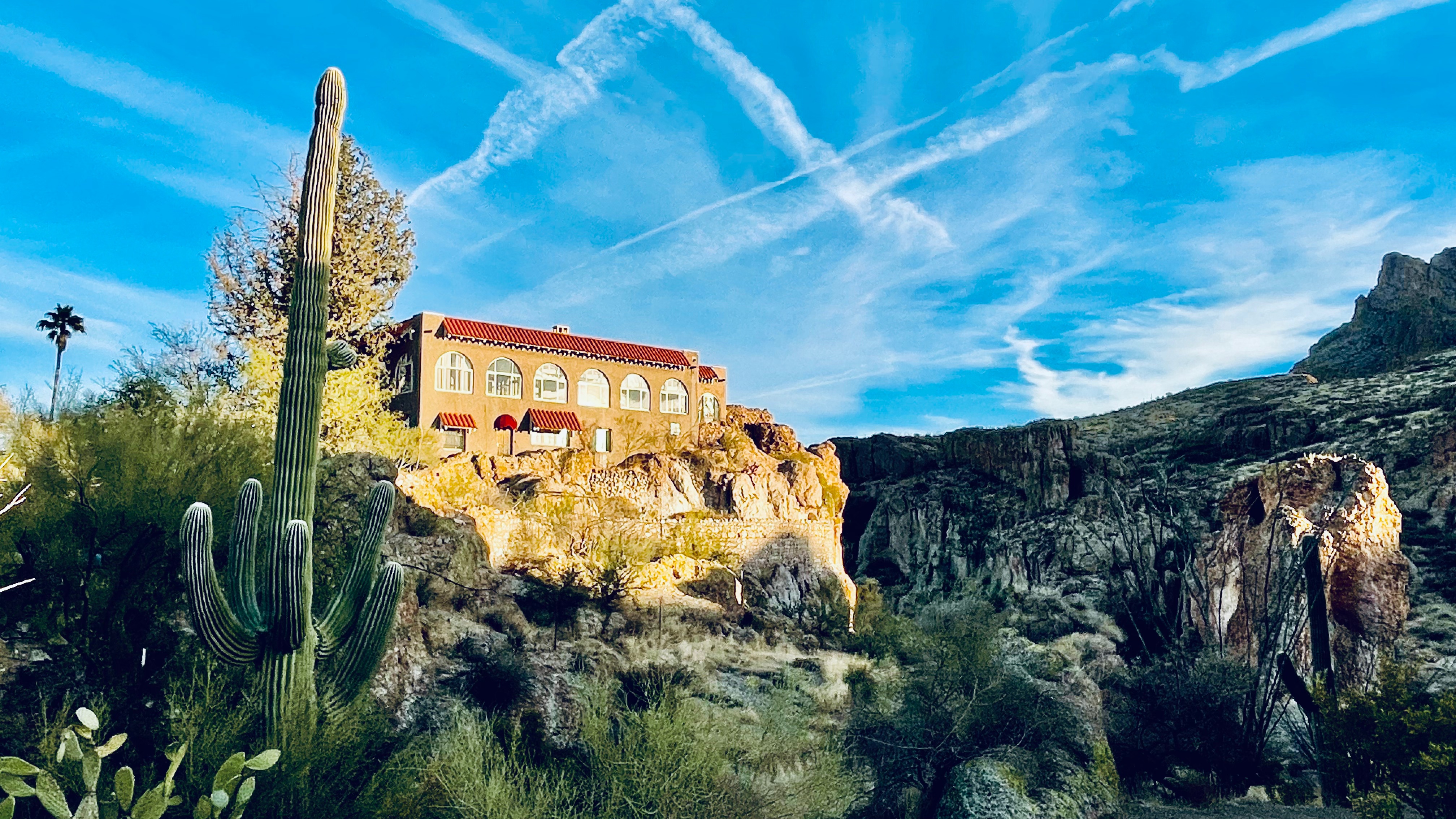
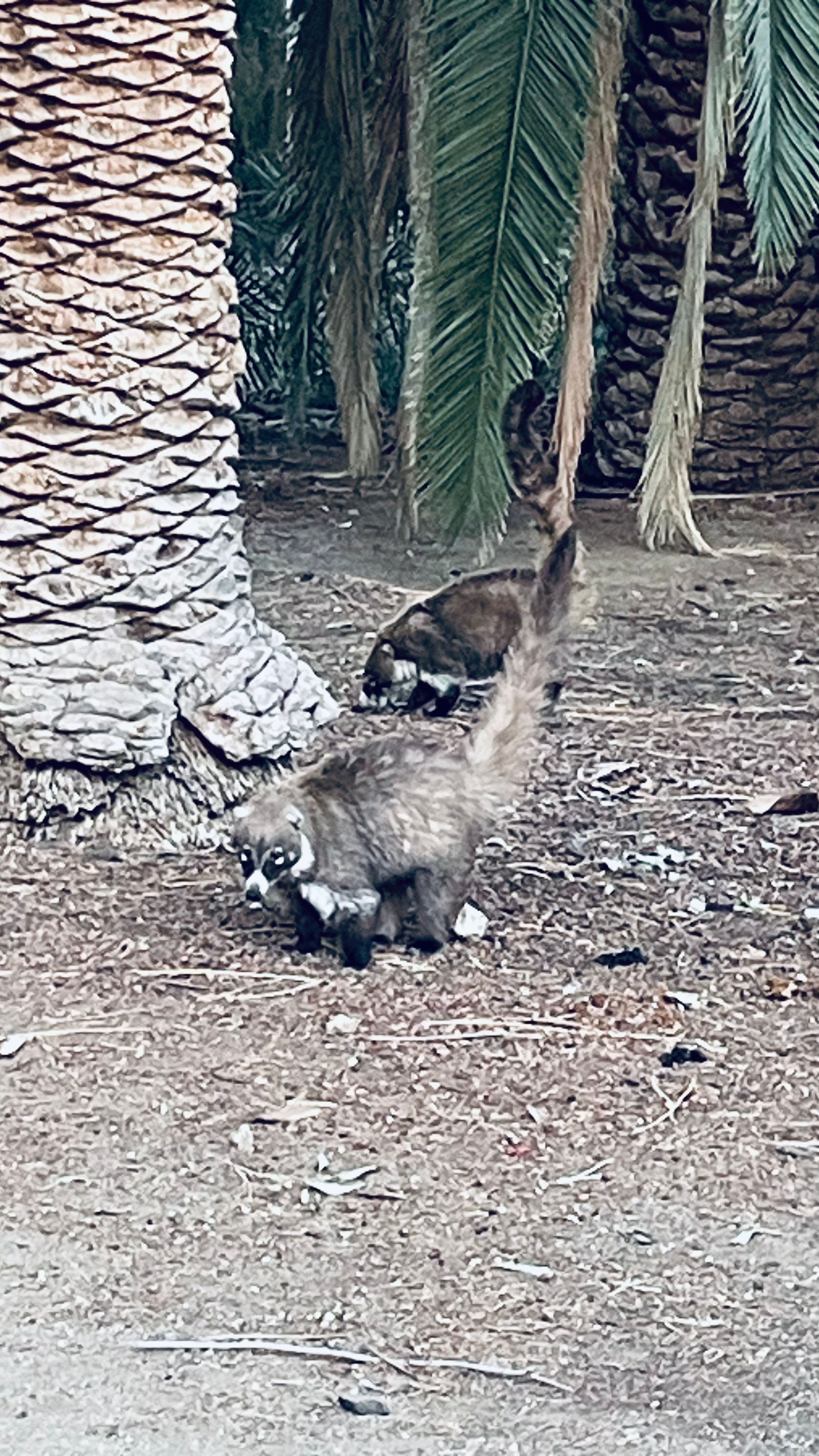
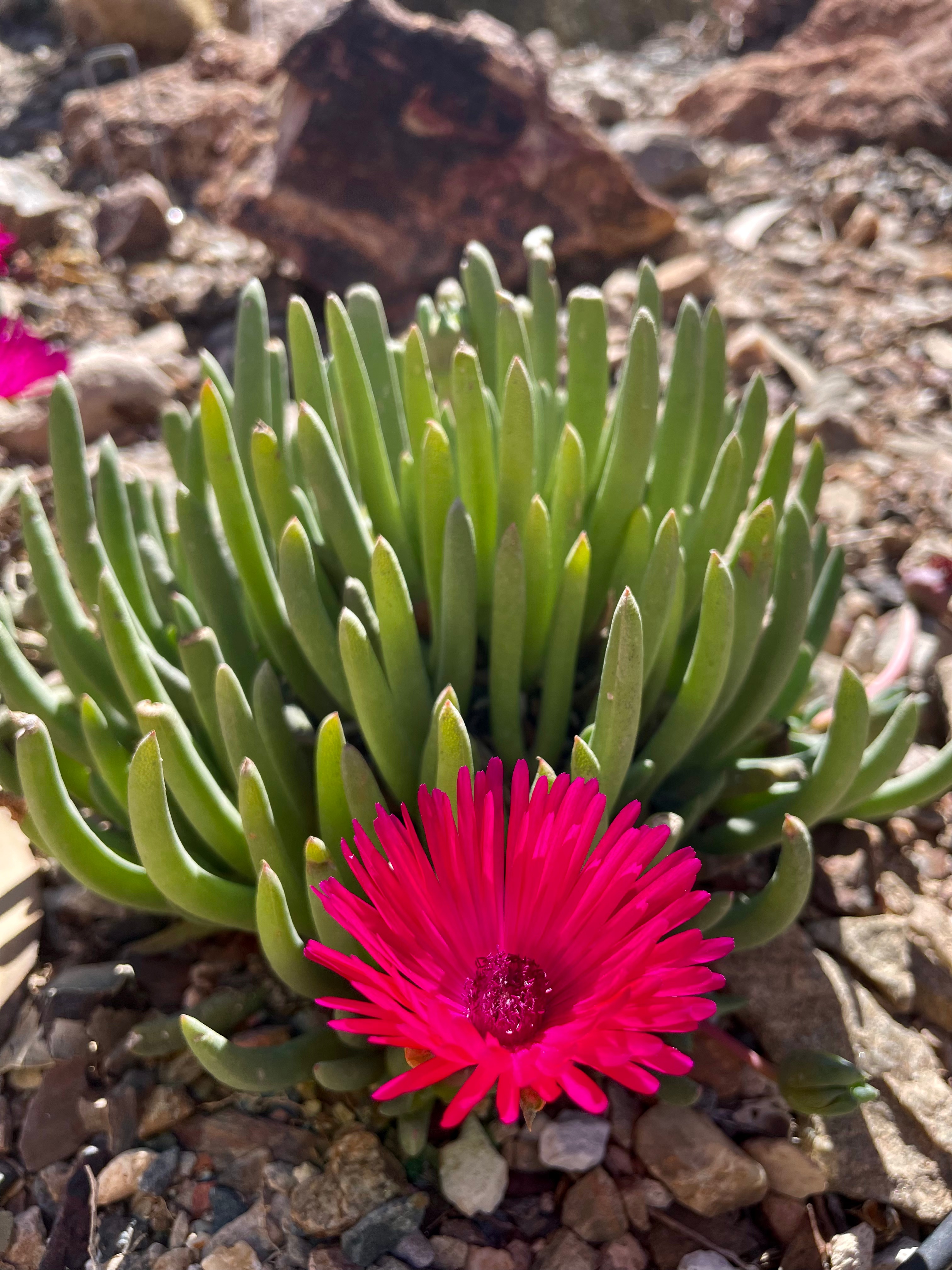
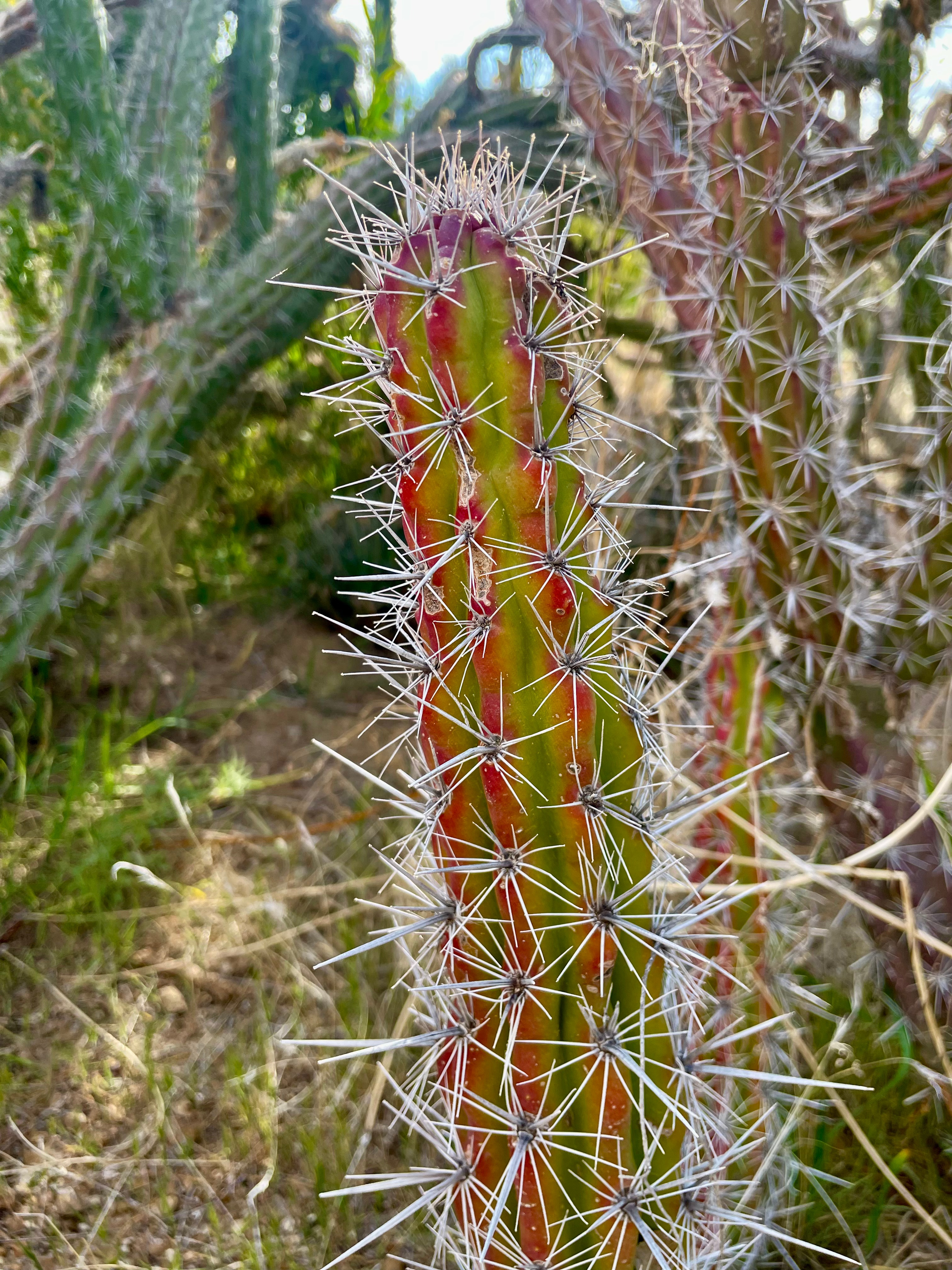
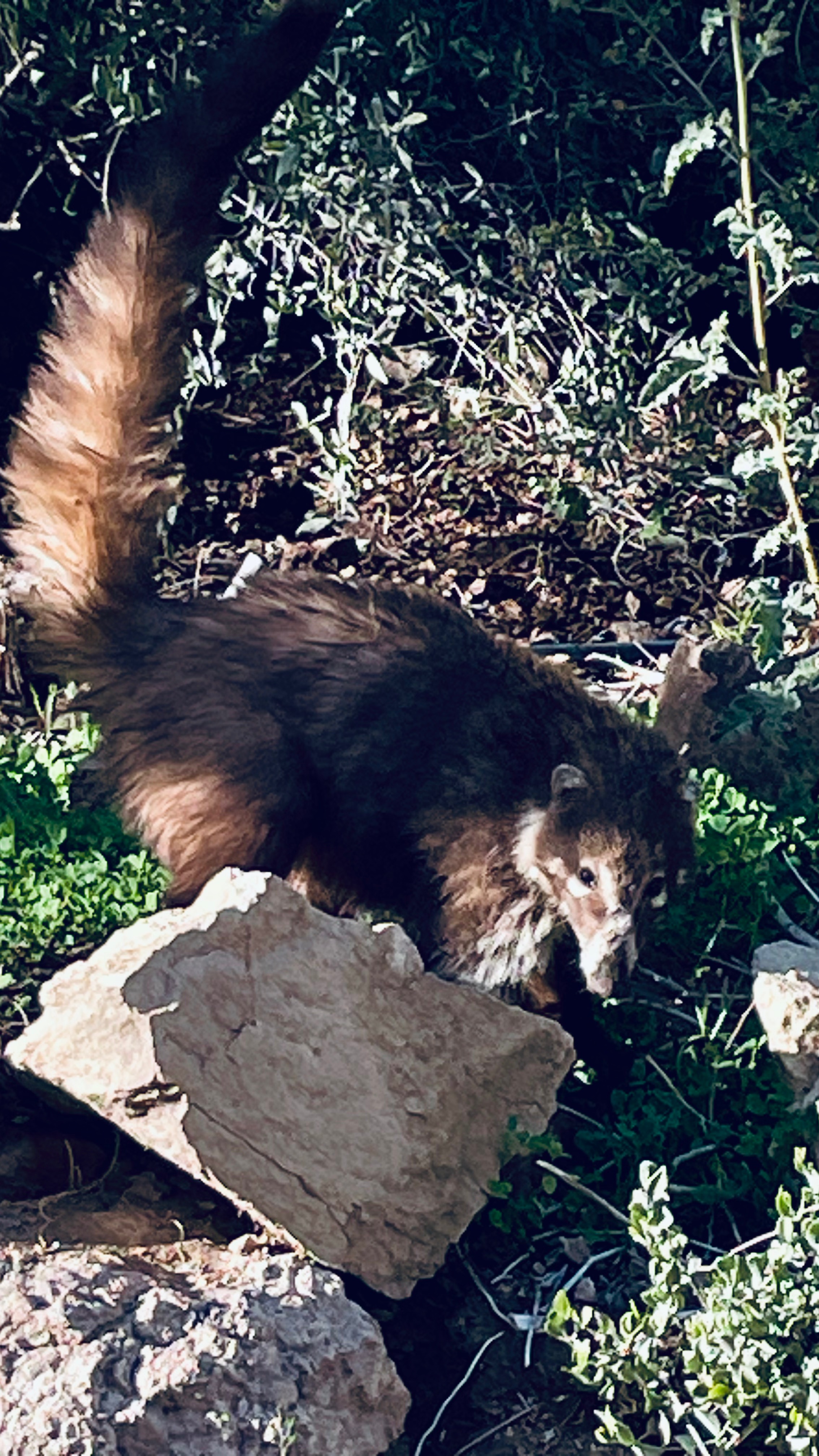
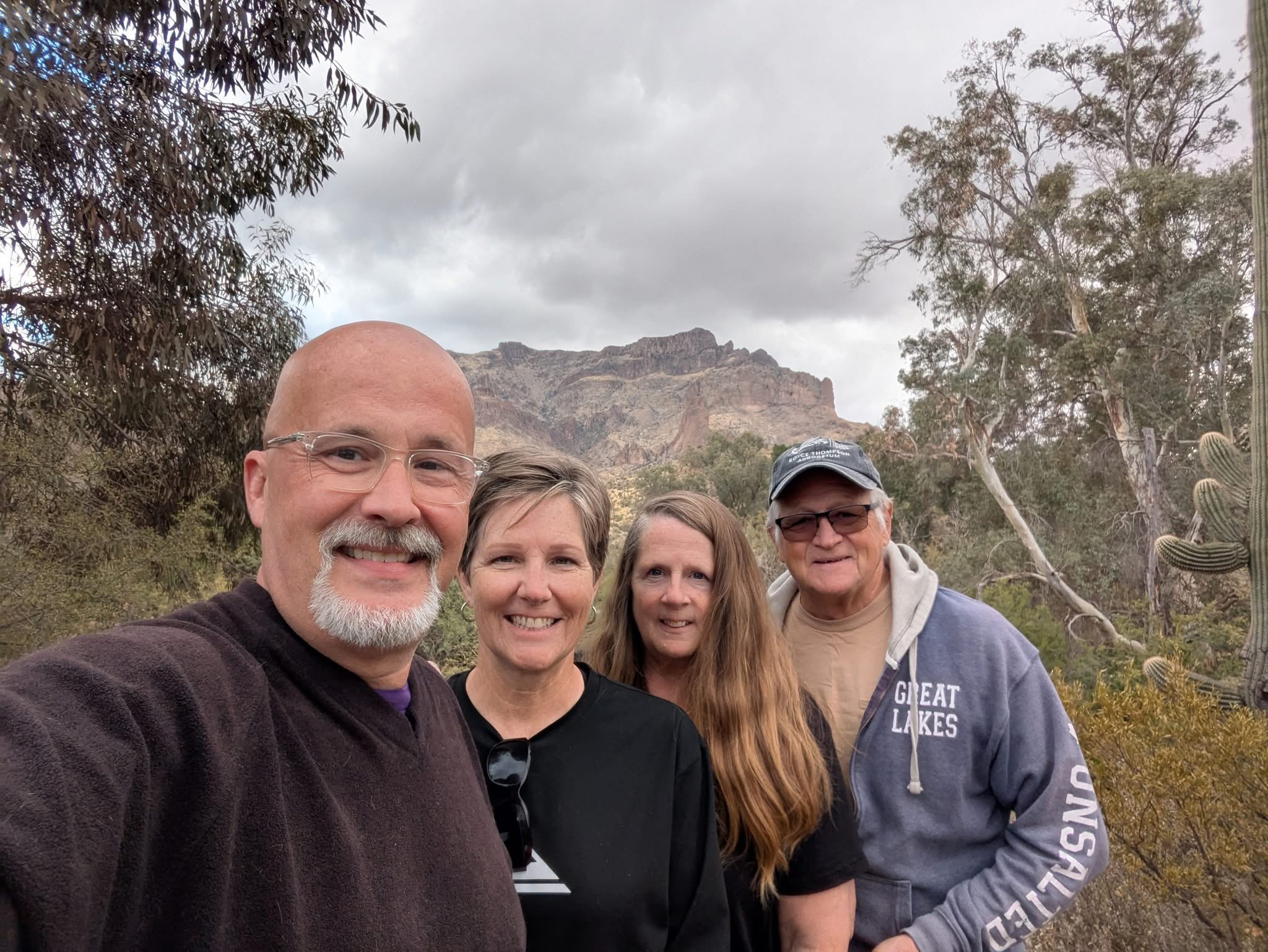
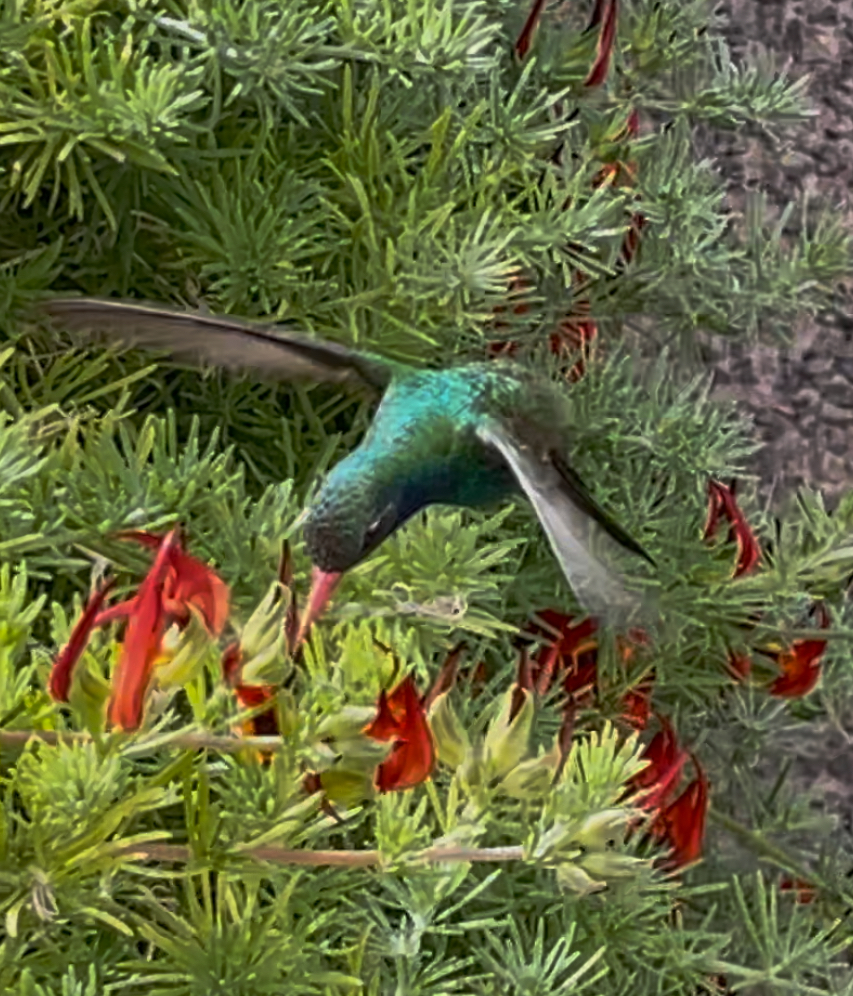
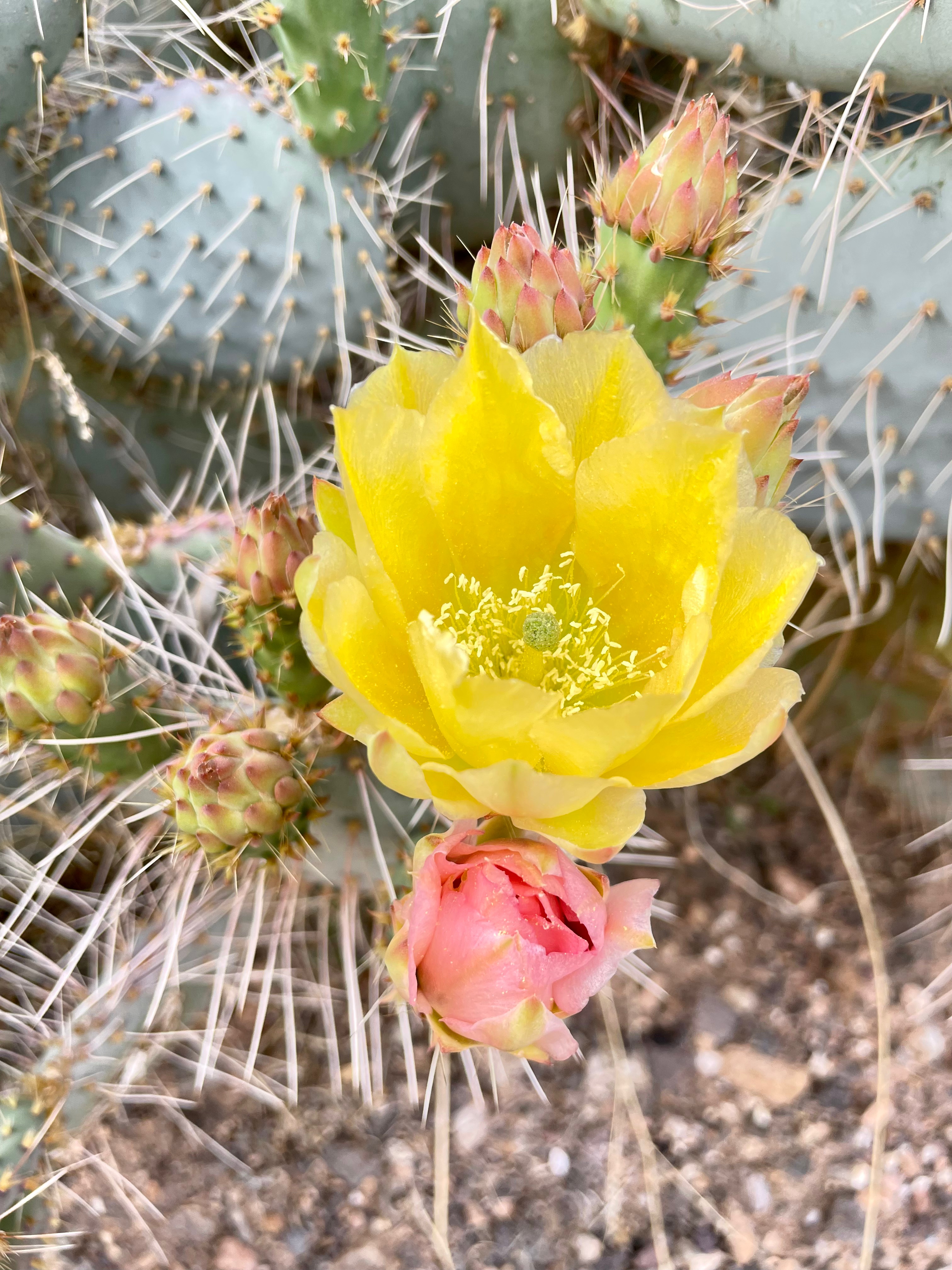
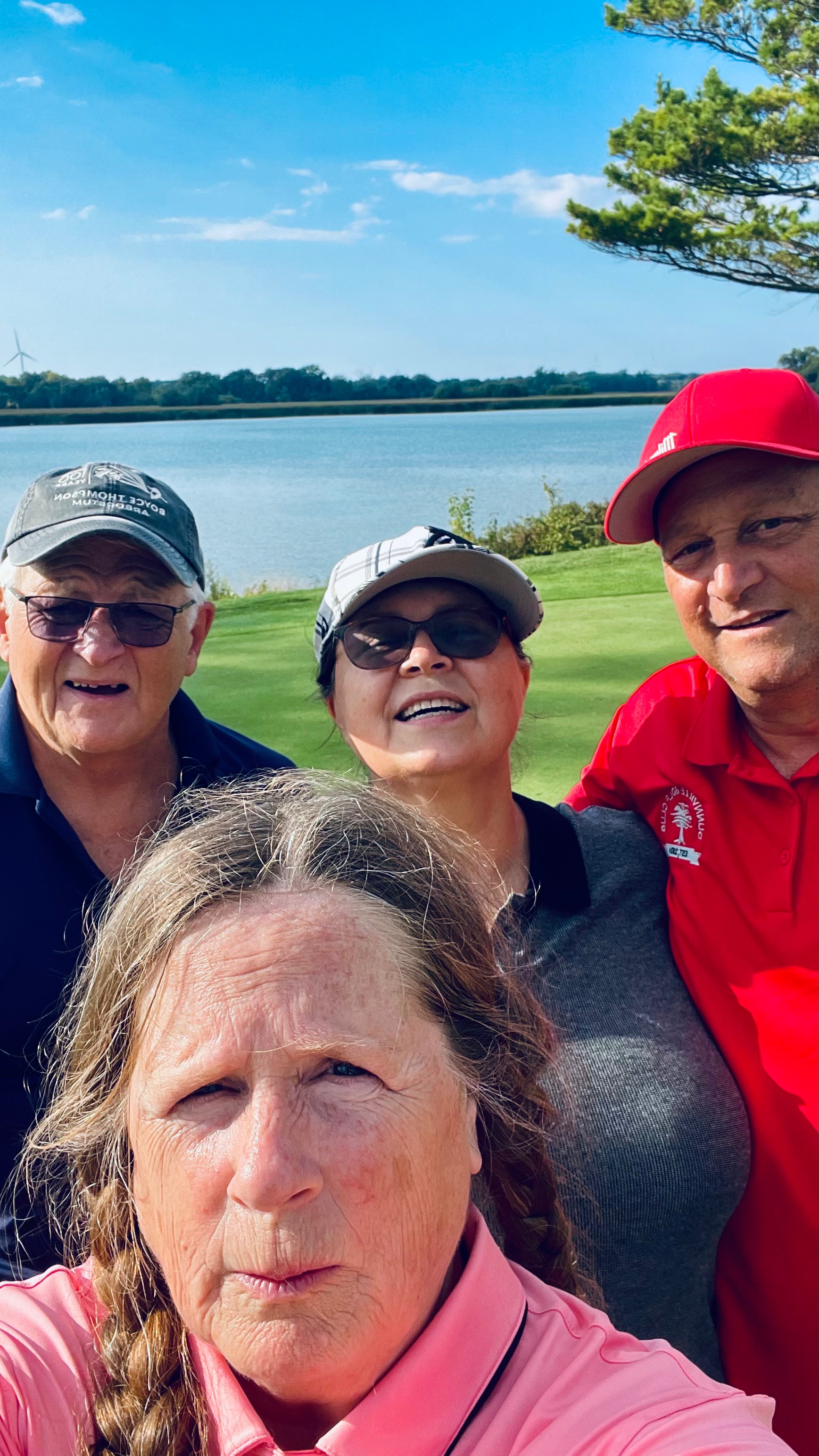
We started the year camped and volunteering once again at Boyce Thompson Arboretum. The desert welcomed us back with cactus blossoms, hummingbirds at the feeders, and the ever-present coati wandering through the grounds. Miss Laurie spent plenty of time rock hounding, while we both enjoyed the familiar rhythm of volunteer life.

January through March were filled with great company and simple adventures:

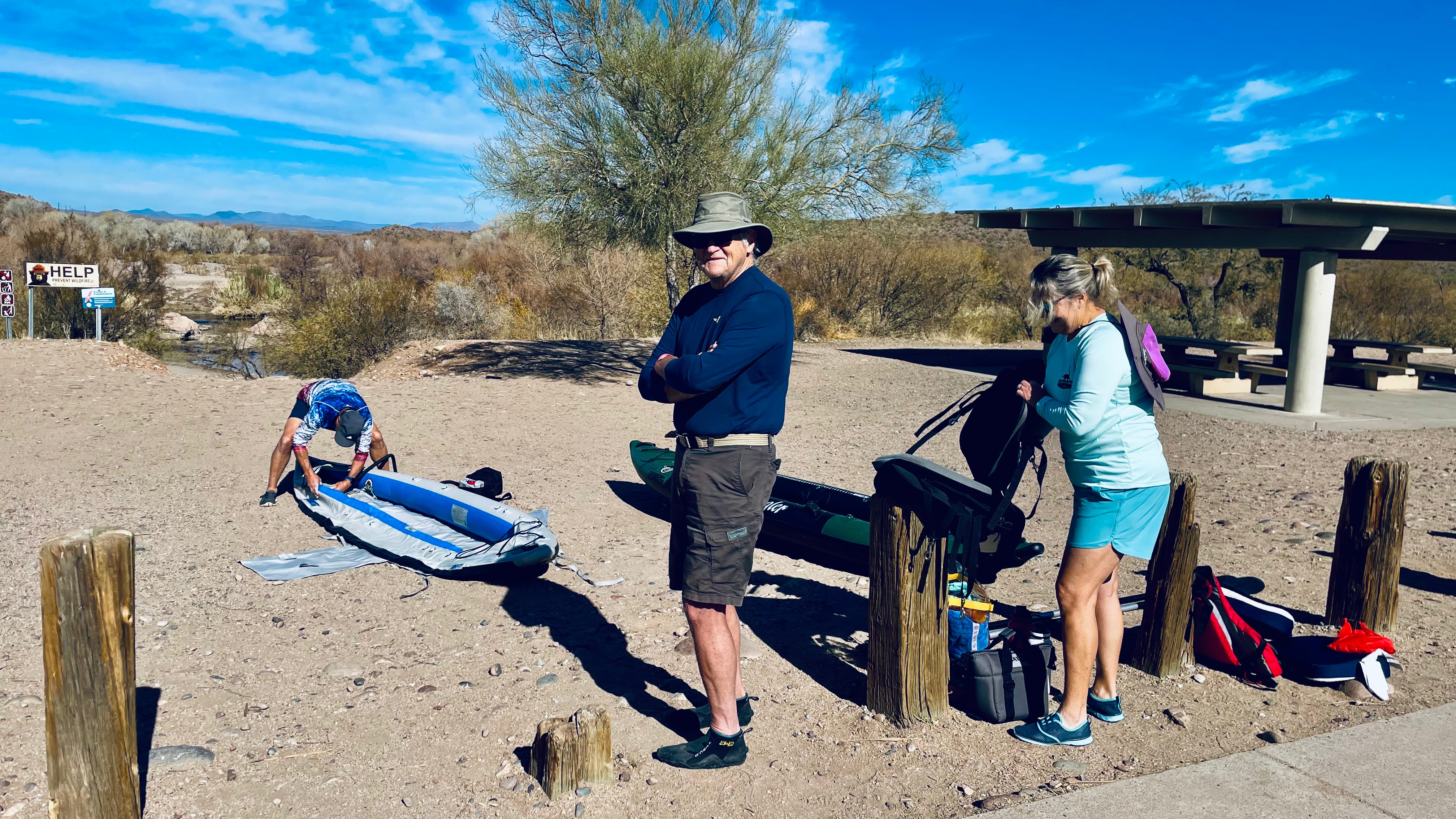
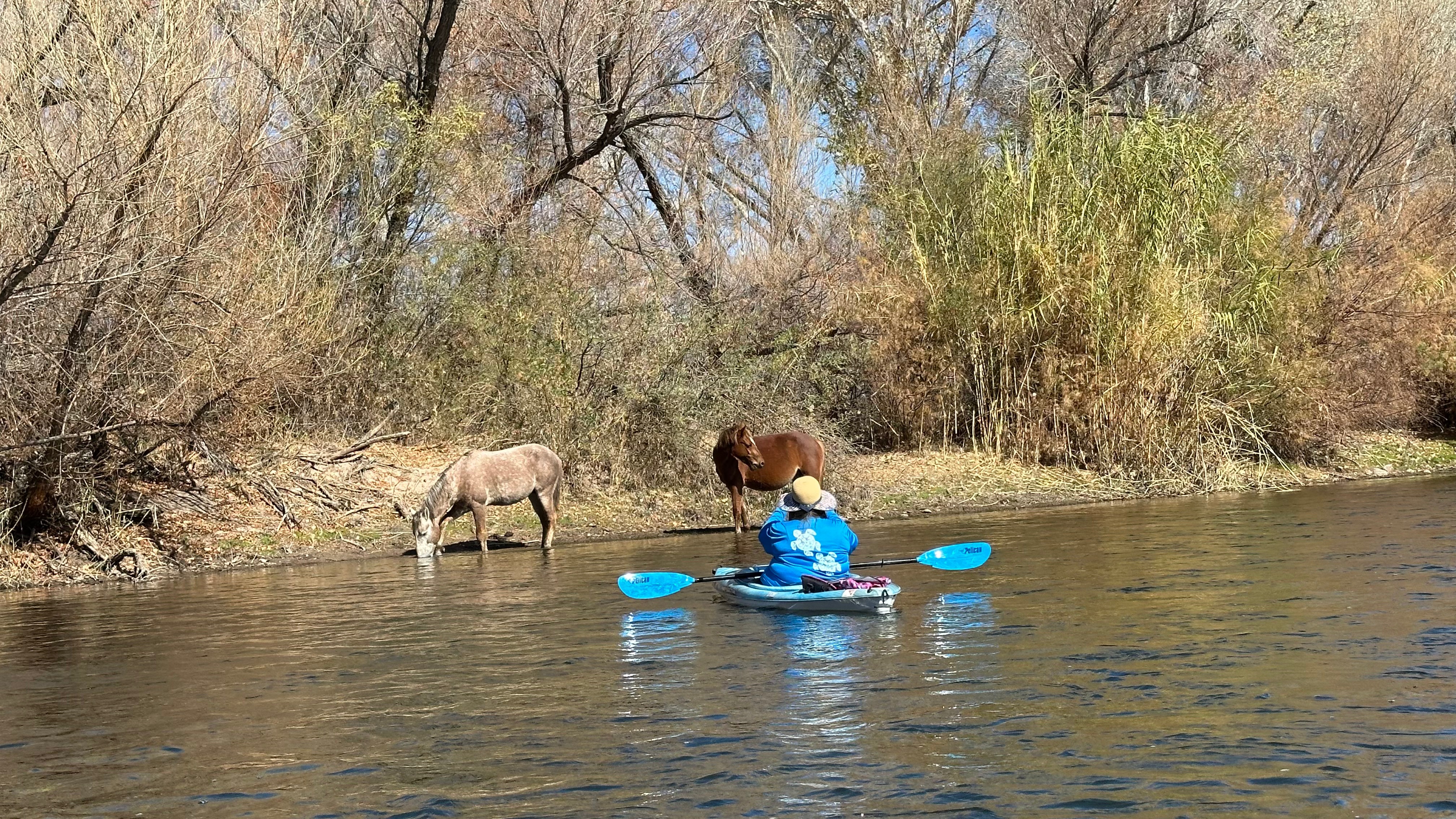
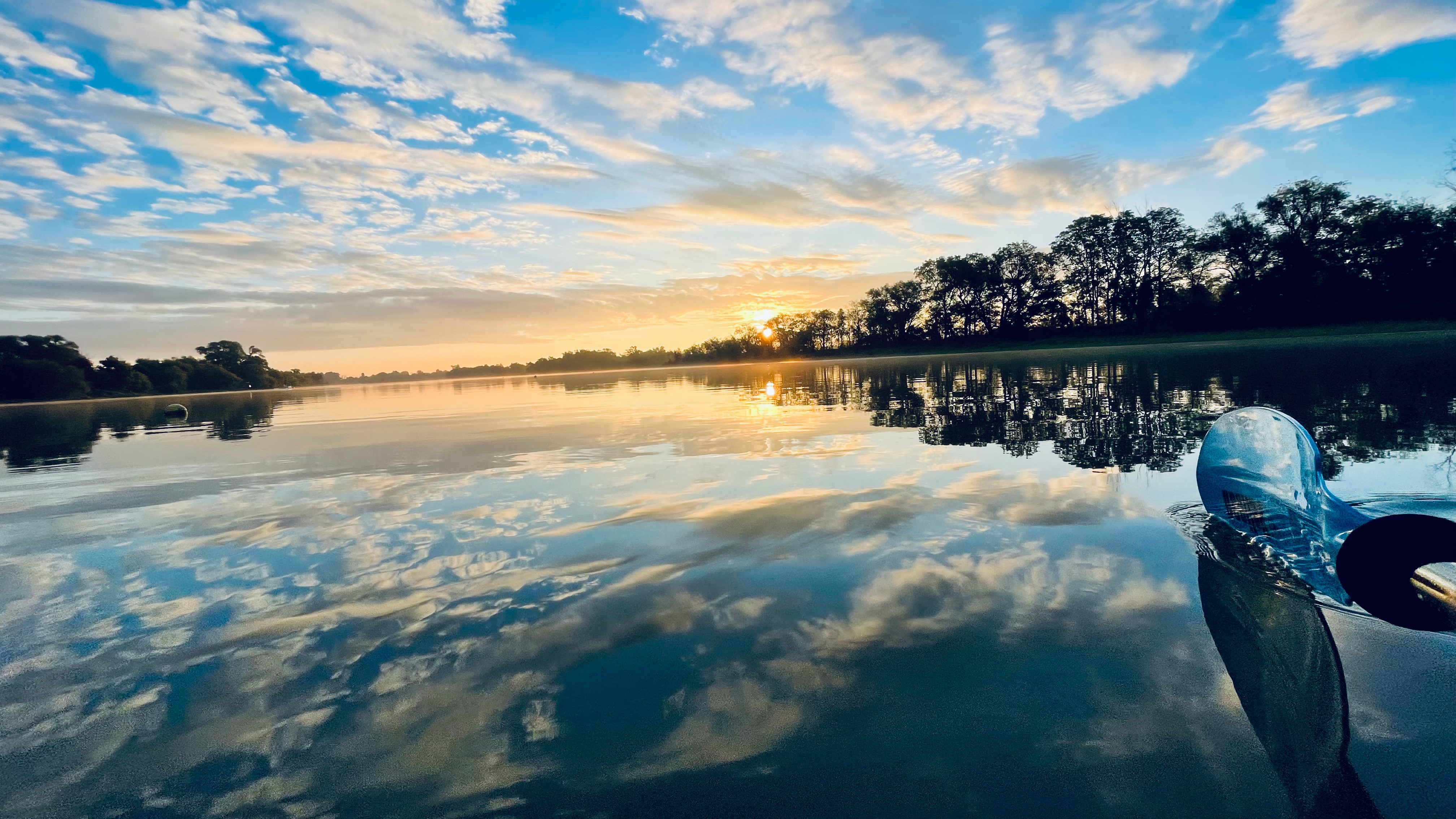
  • Kayaking the Lower Salt River with Ray & Karen, watching wild horses along the banks
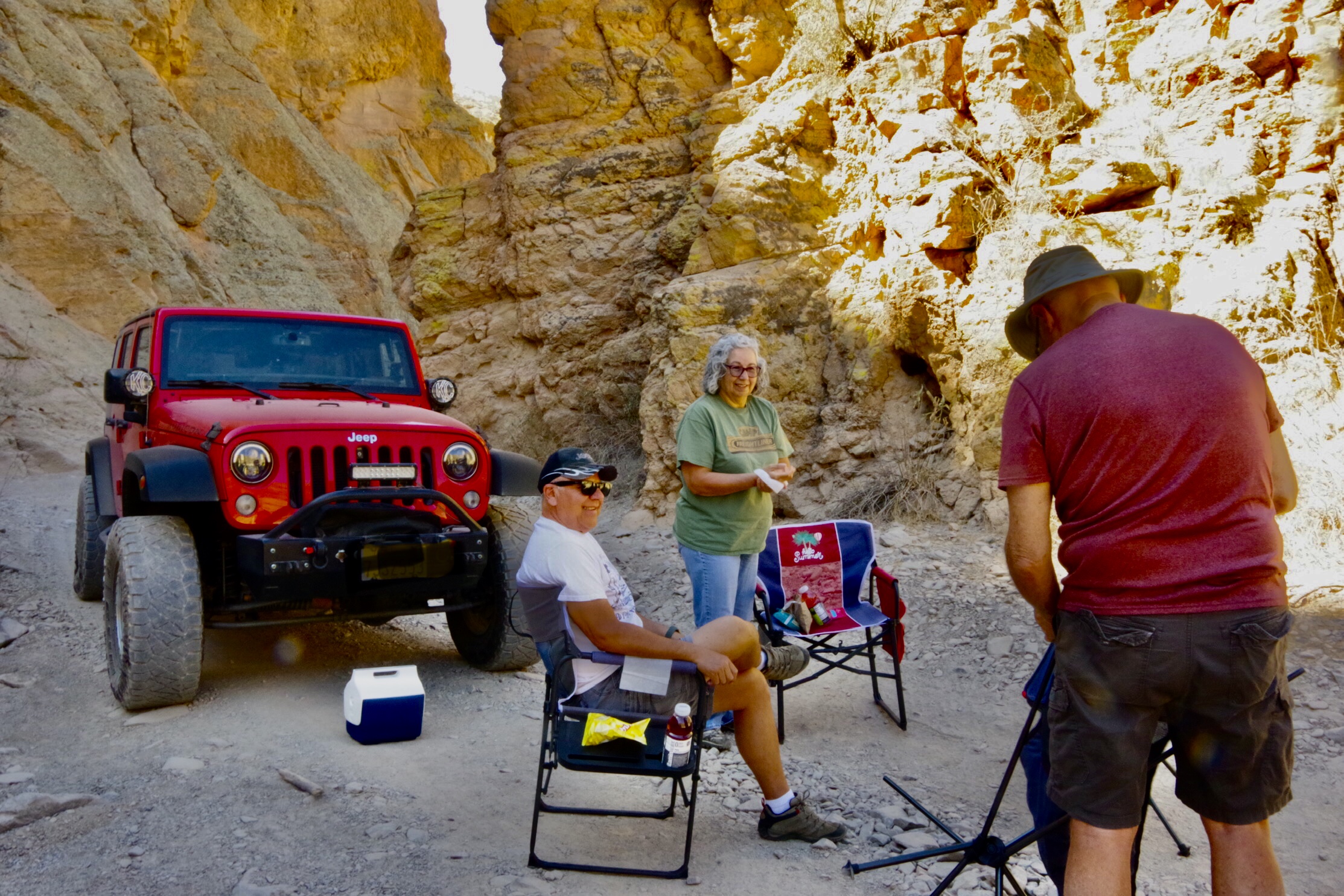
  • Off-roading Box Canyon with Al & Carmen, followed by unforgettable Mexican food
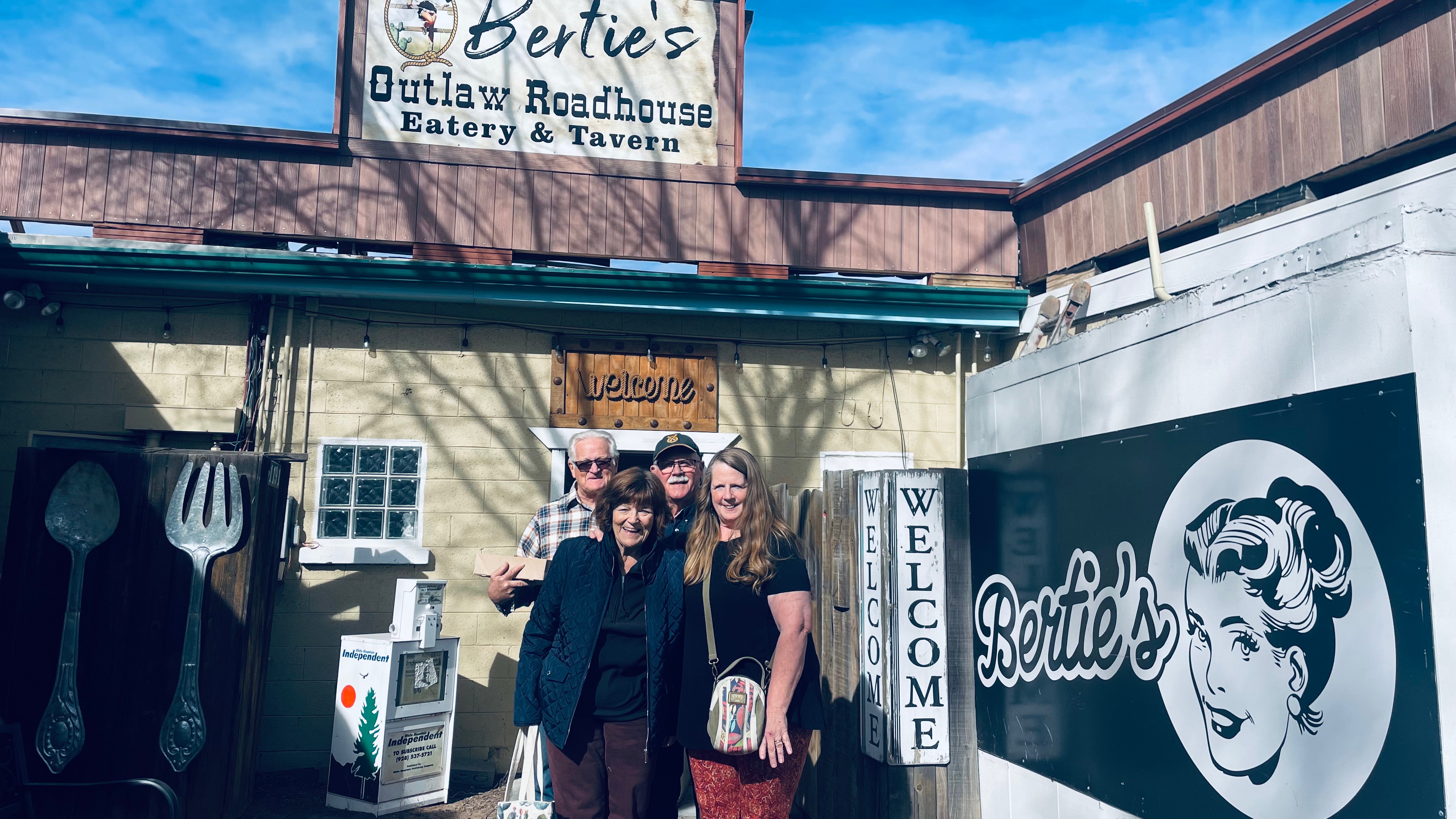
  • Visits with friends in Show Low, Tucson, and Gilbert

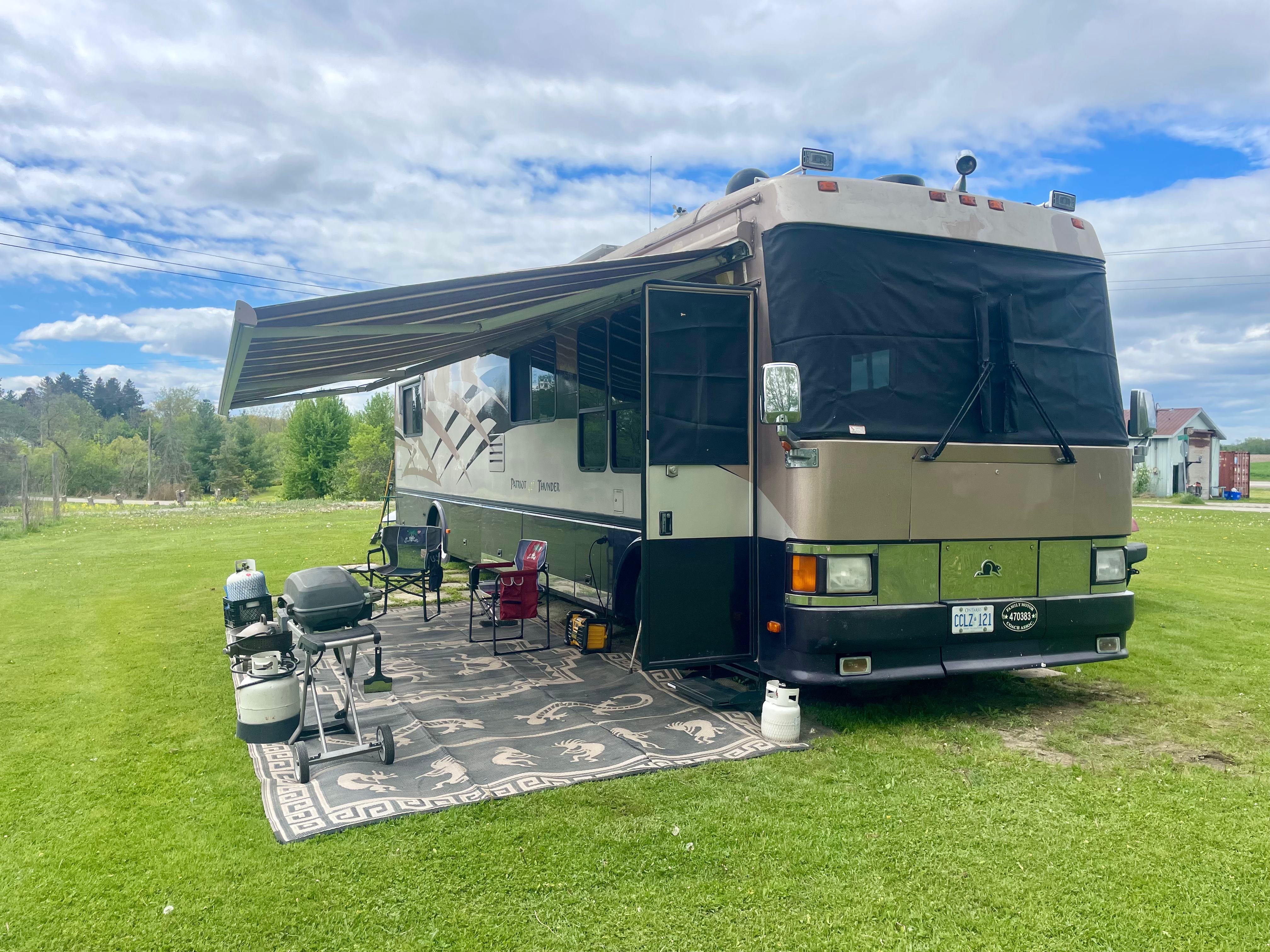
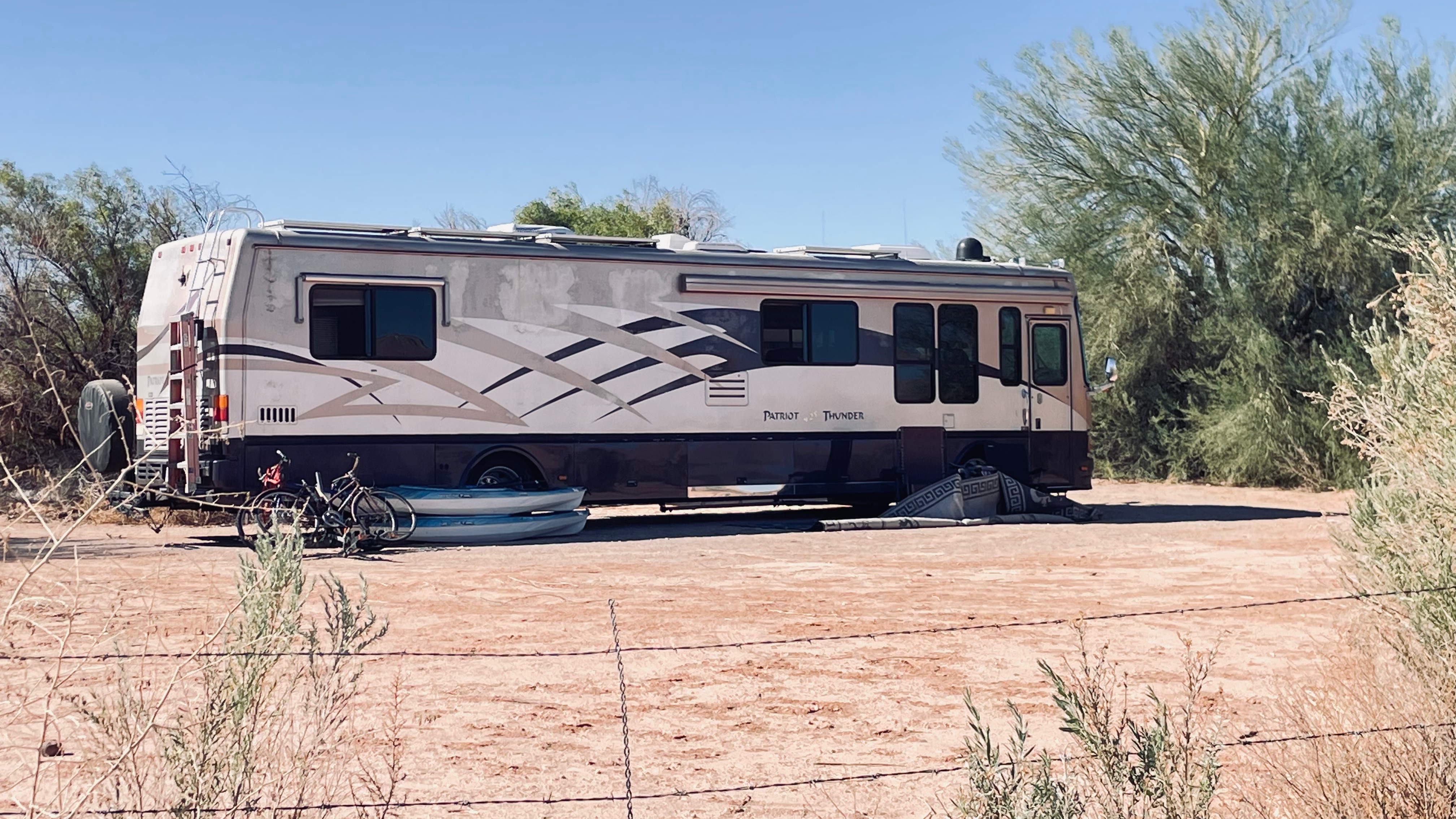
Of course, no season is complete without a mechanical lesson. A leaking freshwater tank on Thunder turned into a full replacement, along with a new SeeLevel tank monitoring system.


Saying Goodbye & Heading East

April marked our final month at the Arboretum. A volunteer thank-you dinner, final walks among blooming cactus, and a special highlight — watching my grandson Andrew play baseball during a Phoenix tournament — made the goodbye meaningful and bittersweet.

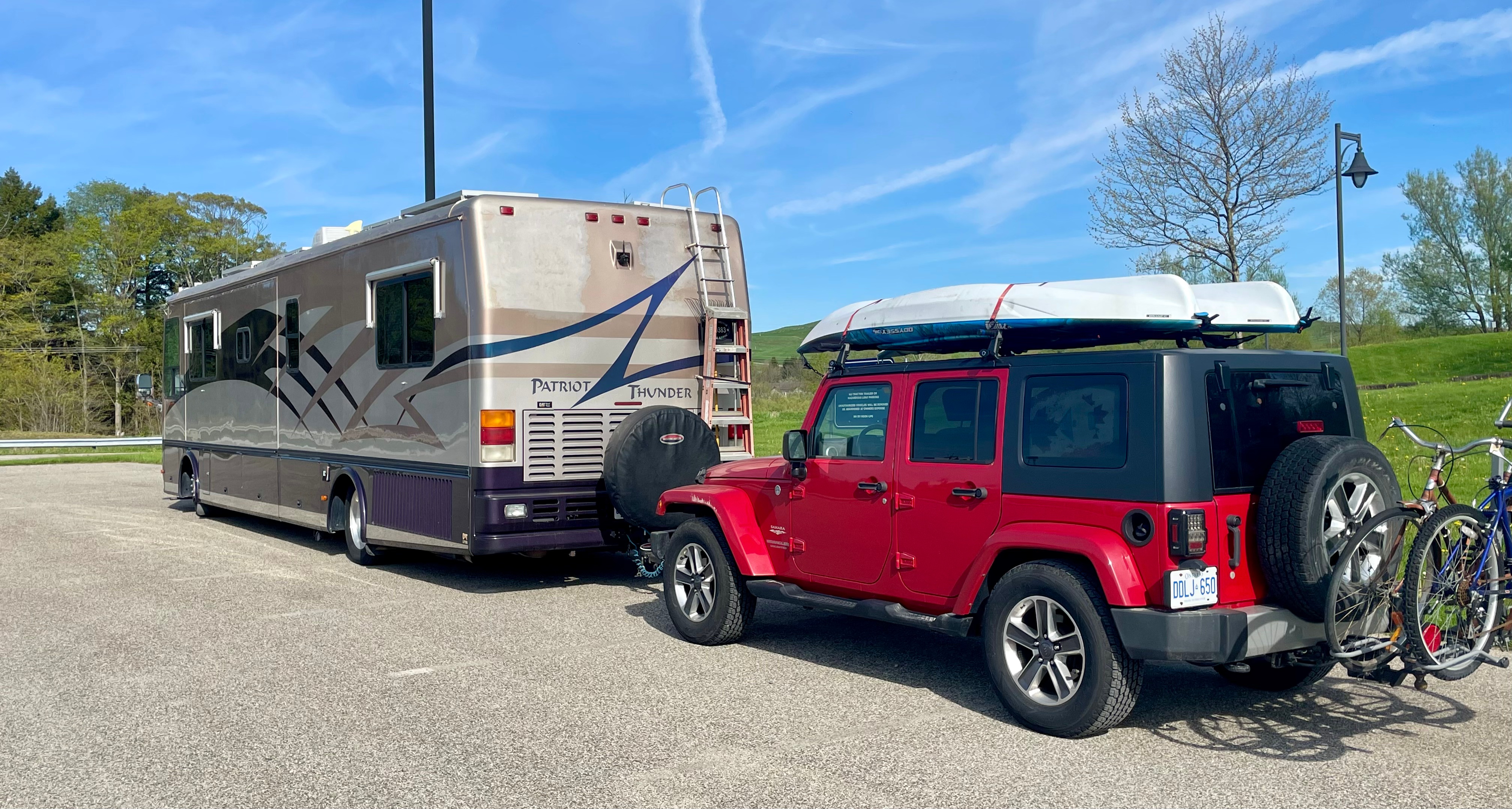
On April 28, we turned Thunder east and began our spring migration back to Ontario.

The journey was a familiar patchwork of:

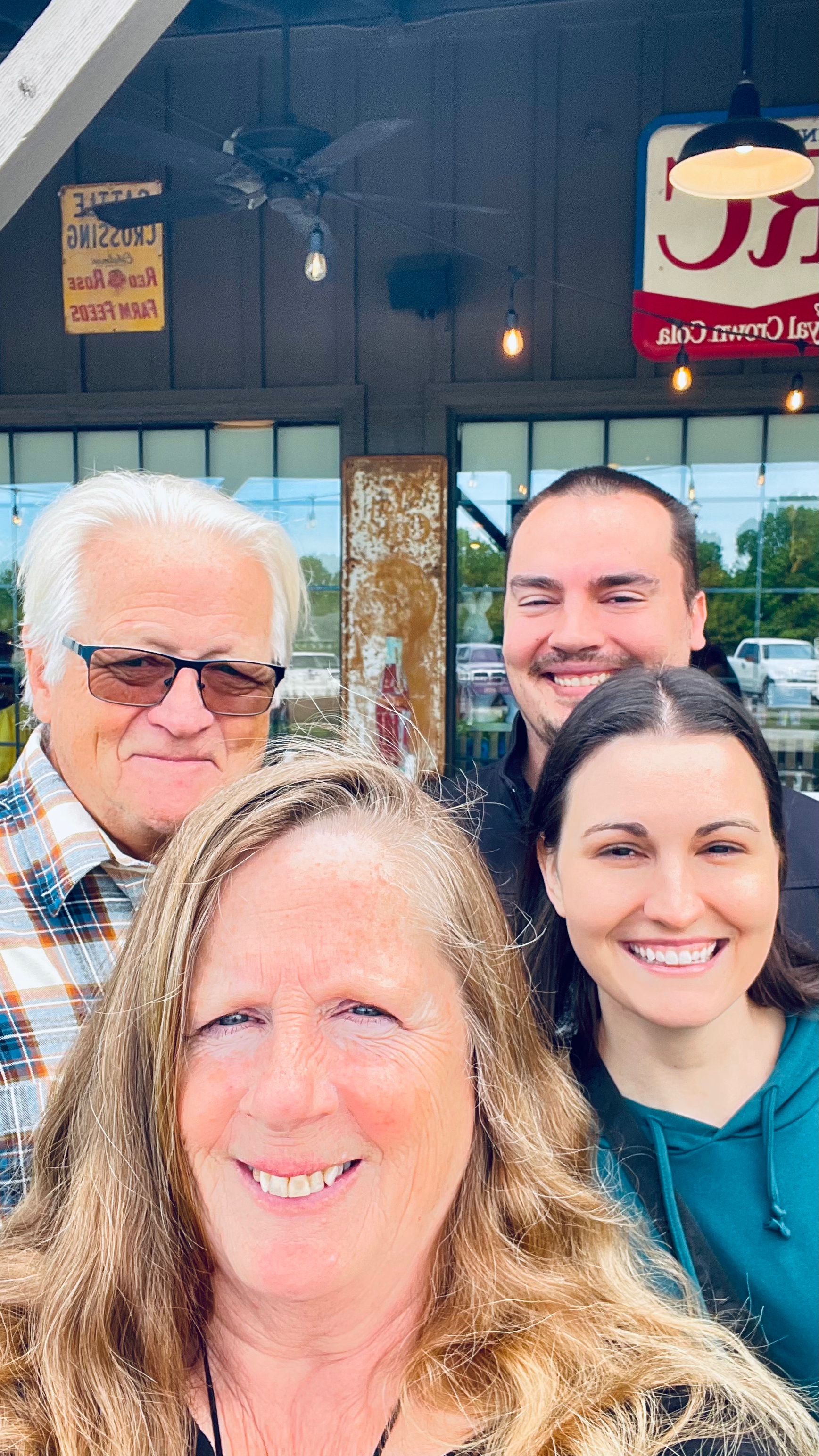
  • Walmart and Cracker Barrel overnights
  • Welcome centers and Harvest Hosts
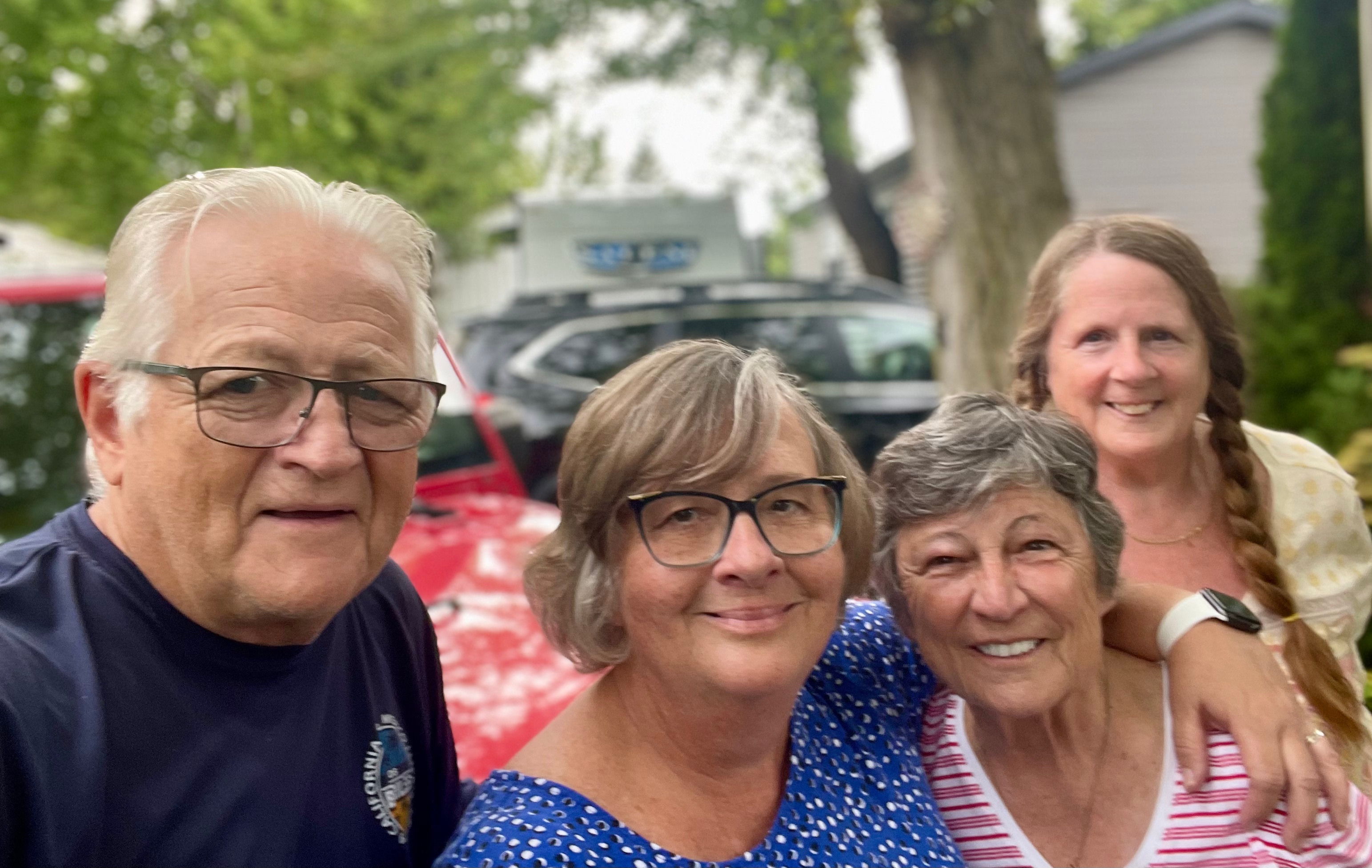
  • Visits with friends and family along the way

We crossed back into Canada on May 8, settling into short stays until our summer site became available.


Summer at Sunni Bank RV Park

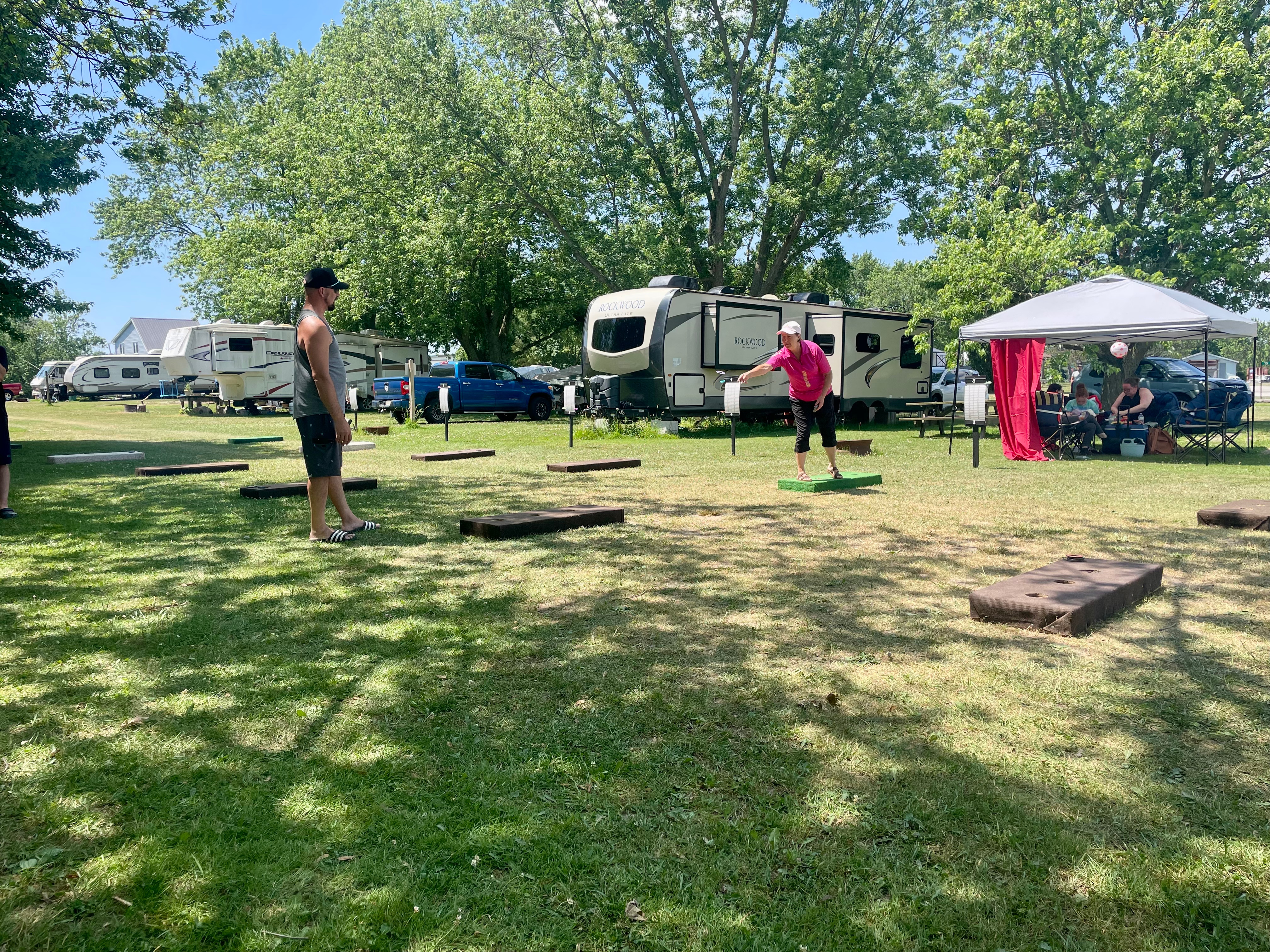
By mid-May, we arrived at Sunni Bank RV Park in Ontario, where summer truly began. Reconnecting with longtime friends Bob & Irena turned into a season full of laughter, food, and friendly competition.

Highlights included:

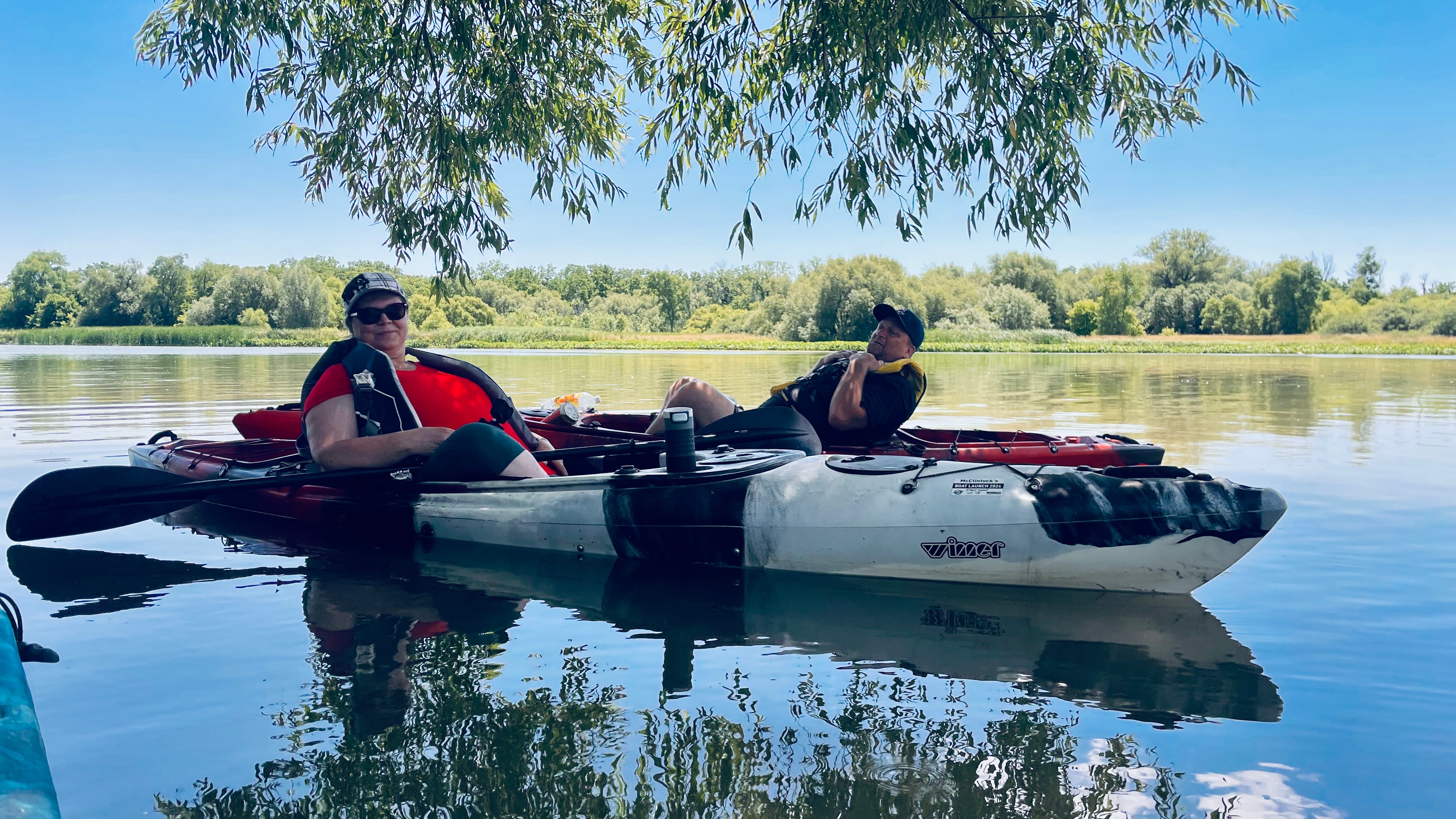
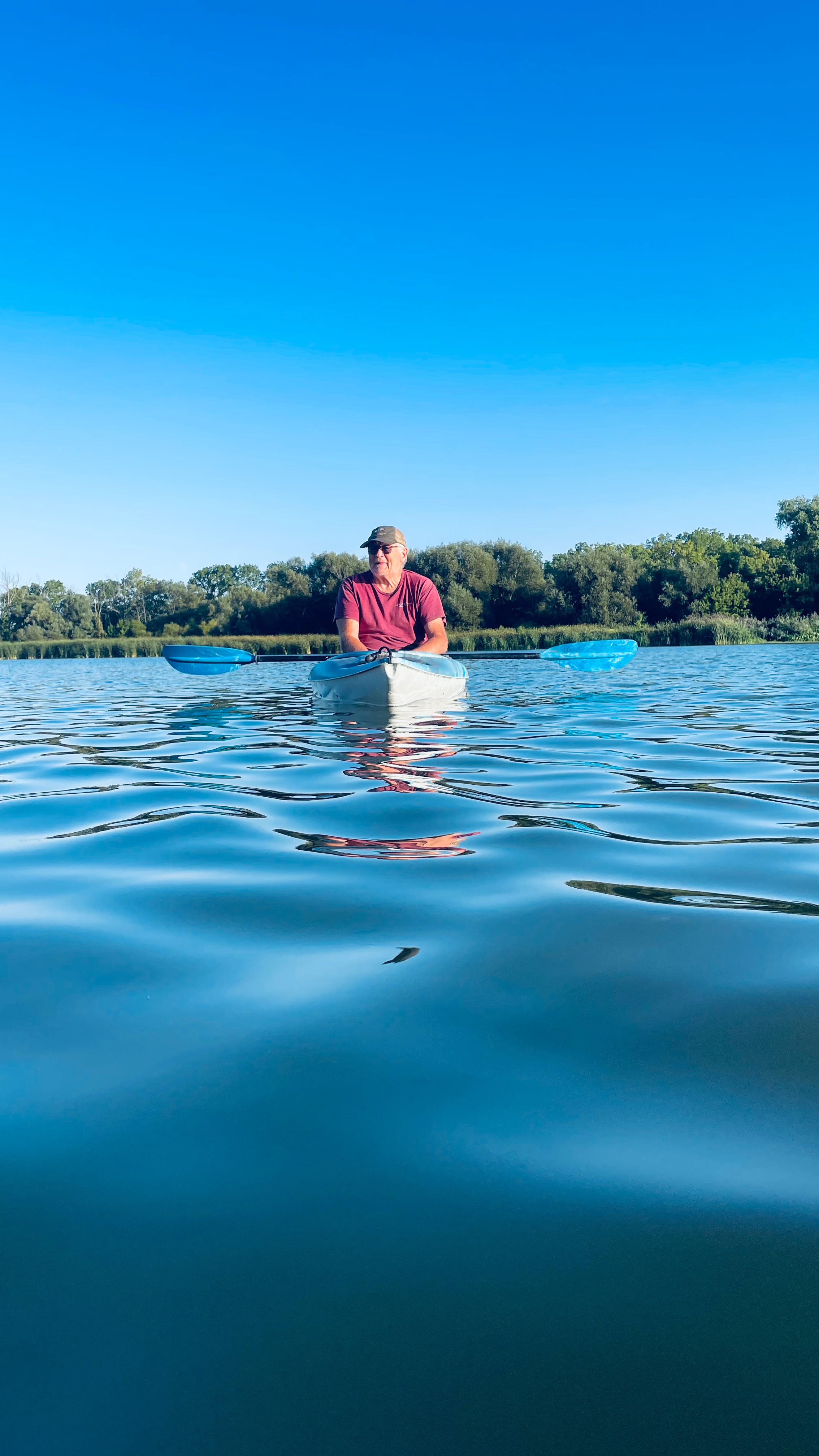
  • Kayaking the Grand River
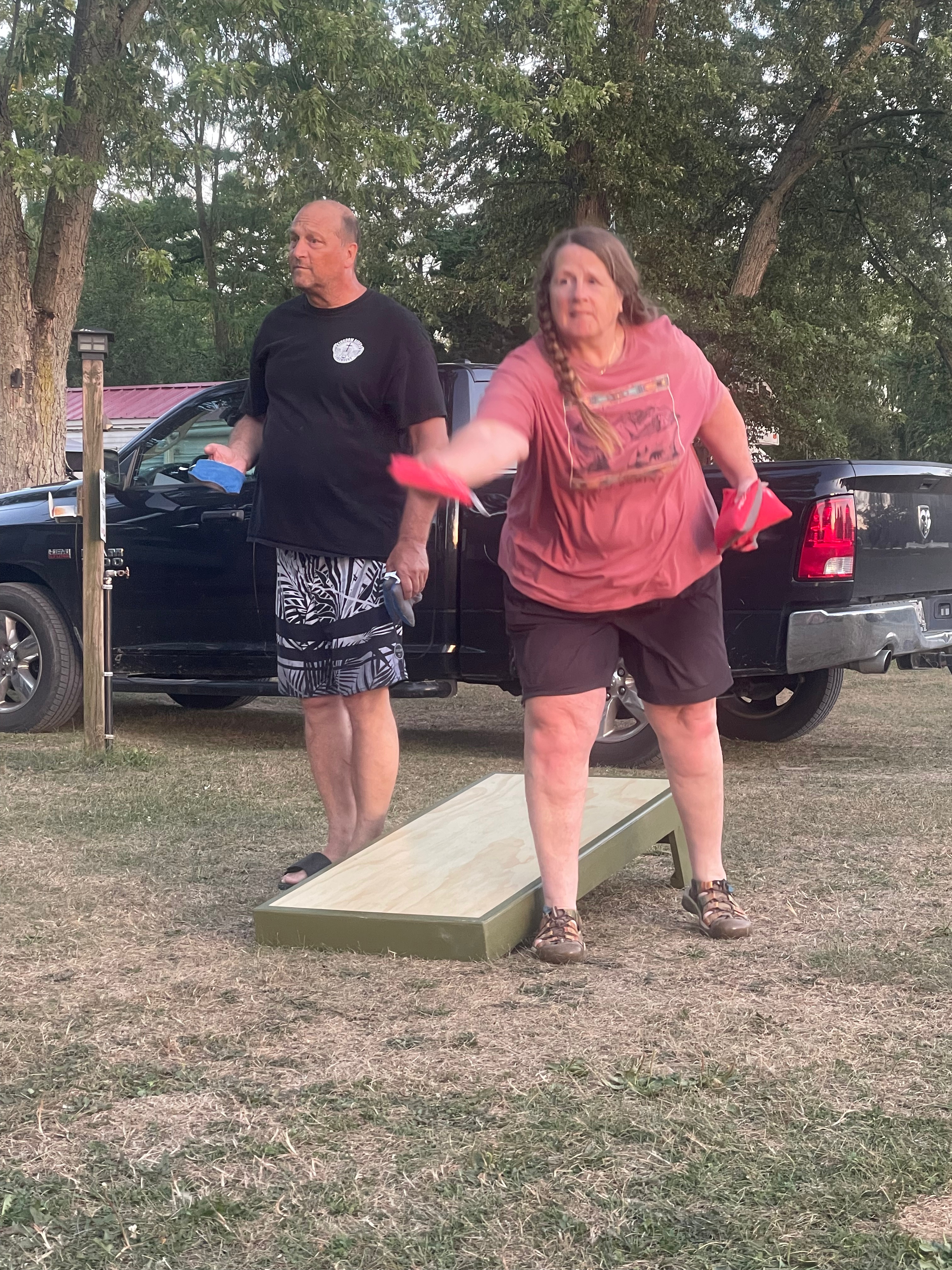
  • Cornhole and washer board tournaments
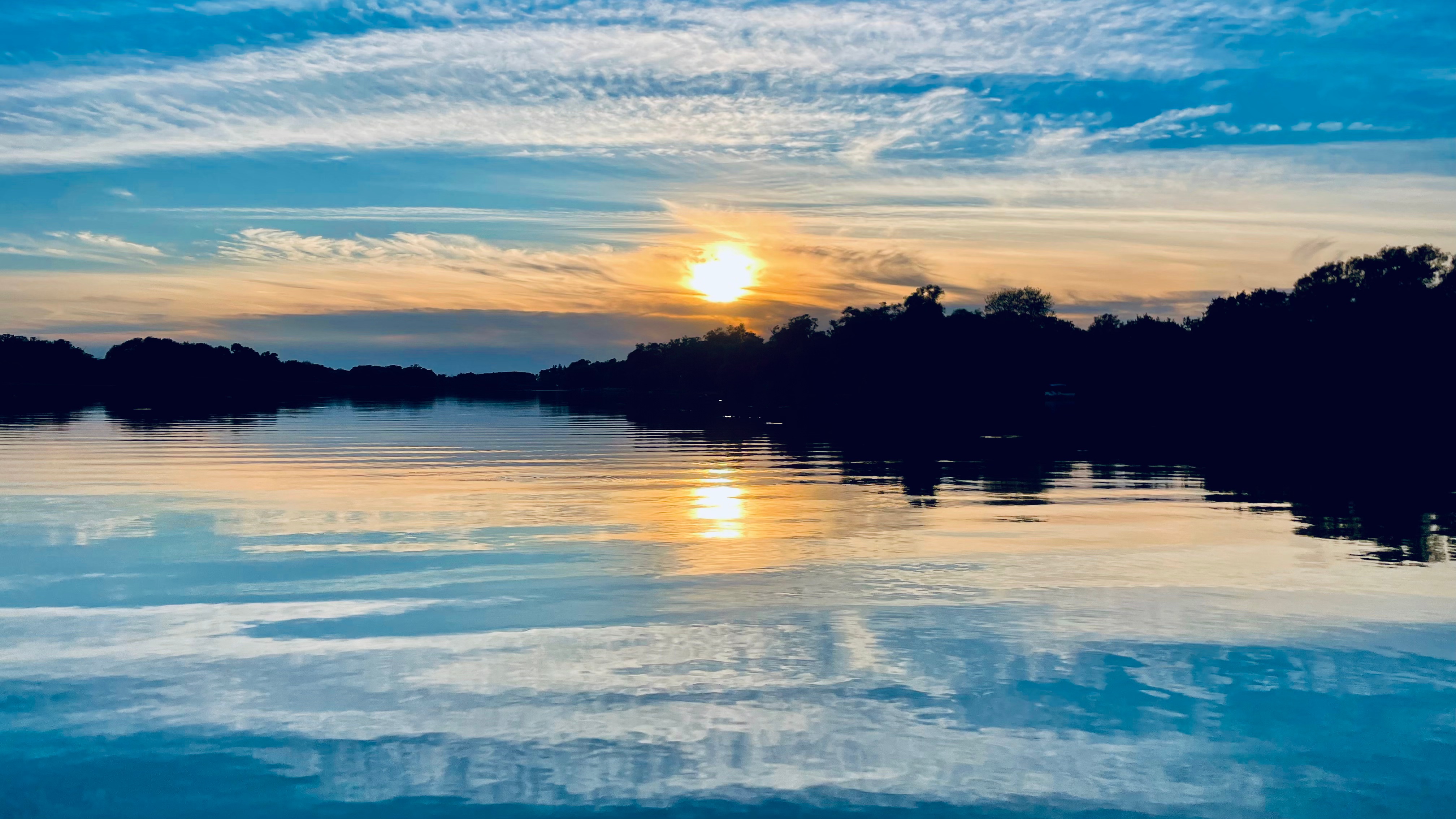
  • Campfires and sunset conversations
  • An ongoing (very serious) search for the best Lake Erie perch

Spring rains left Thunder sunk deep enough to break patio stones, and our open site — great for solar and Starlink — came with the challenge of nearby roosters. Still, once settled, it felt like home.


Summer Curveballs & Small Victories

Summer also brought its share of challenges:

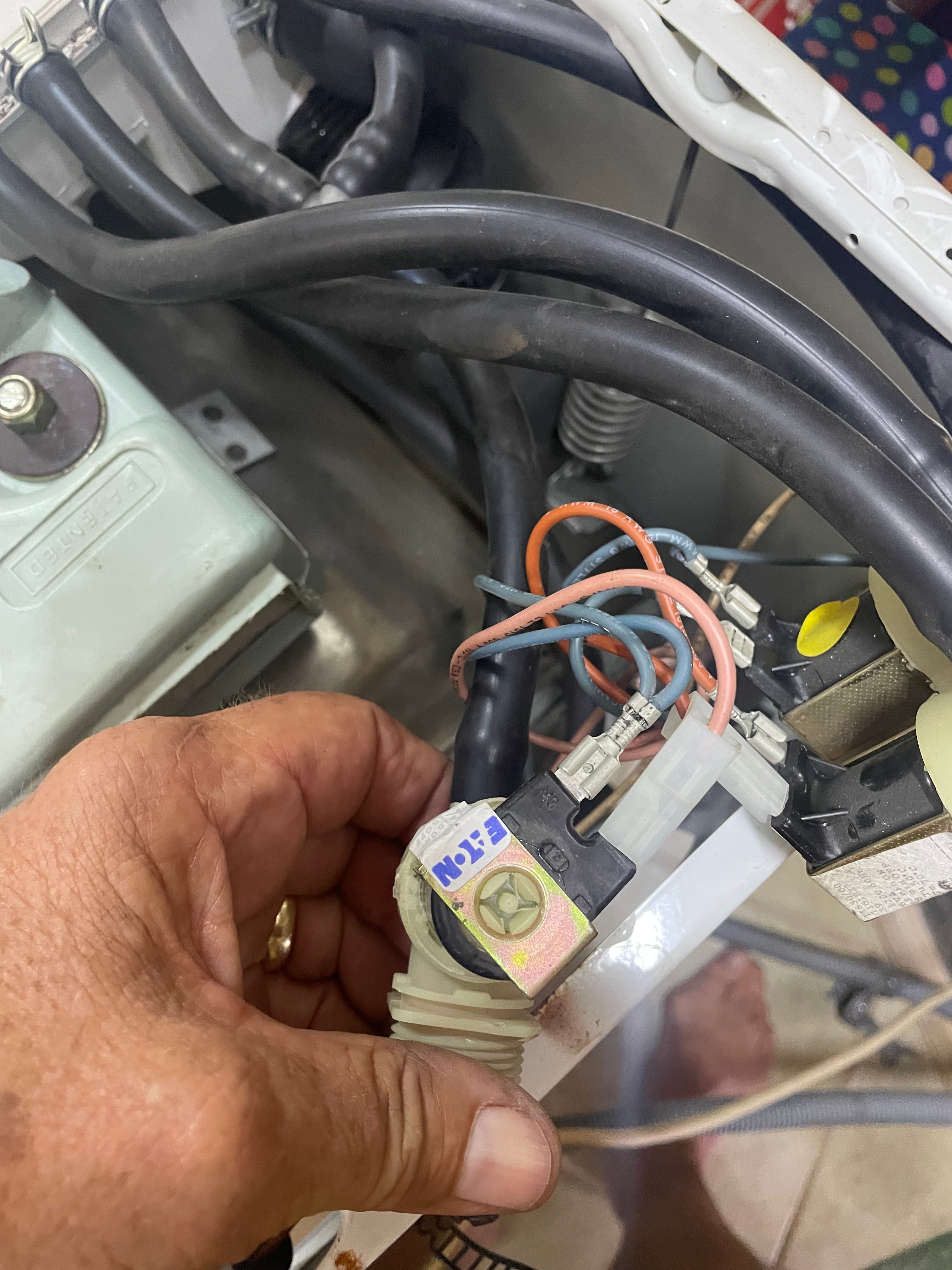
  • A leaking washer/dryer valve
  • A burned-out solar charge controller
  • Leveling system switch failures
  • Weak chassis batteries

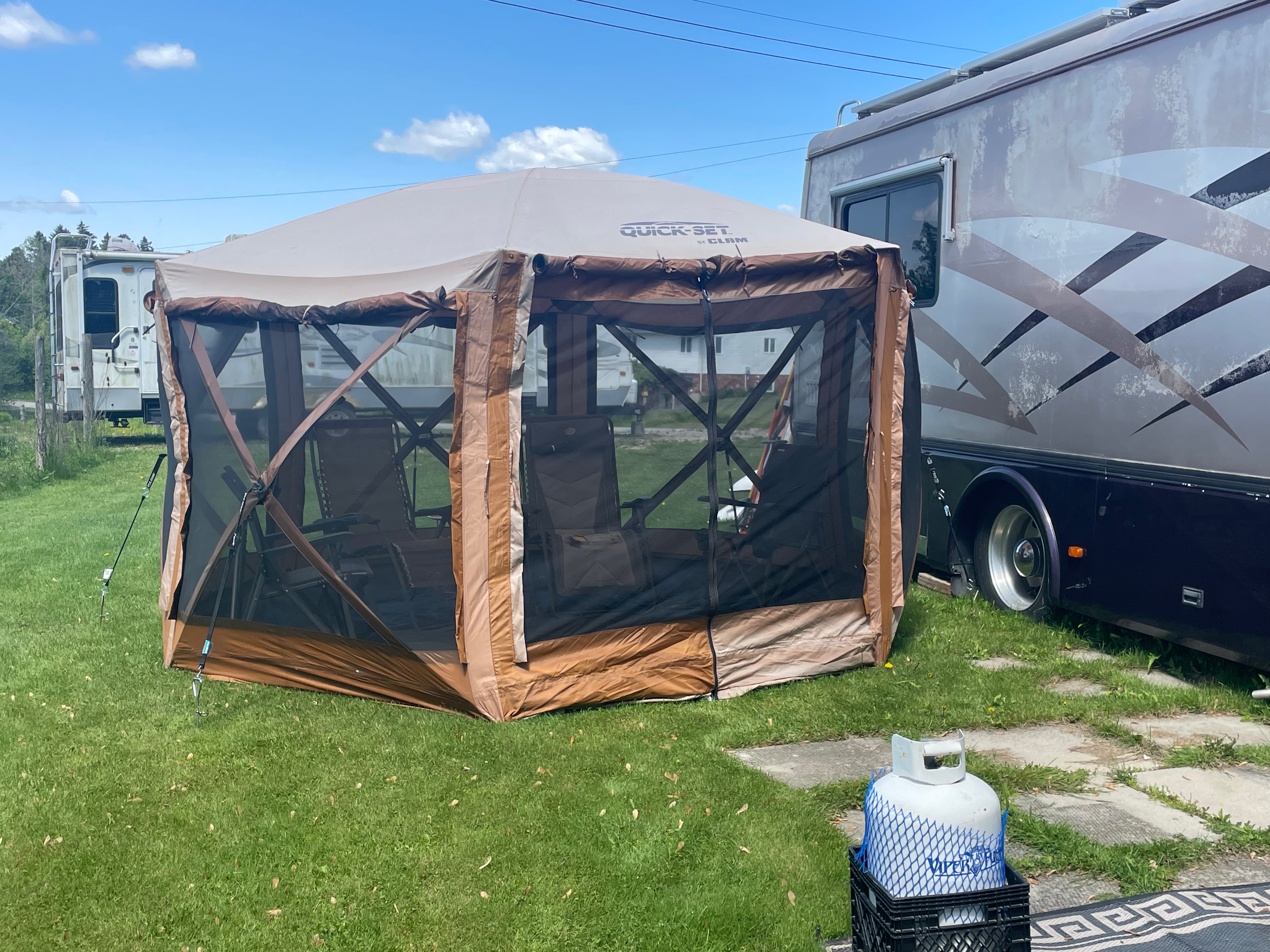
Thanks to persistence, ingenuity, and Bob “knowing a guy,” everything was repaired. We also restored our Clam screen porch — a favorite spot for afternoon naps — and fully embraced cornhole as our new obsession.

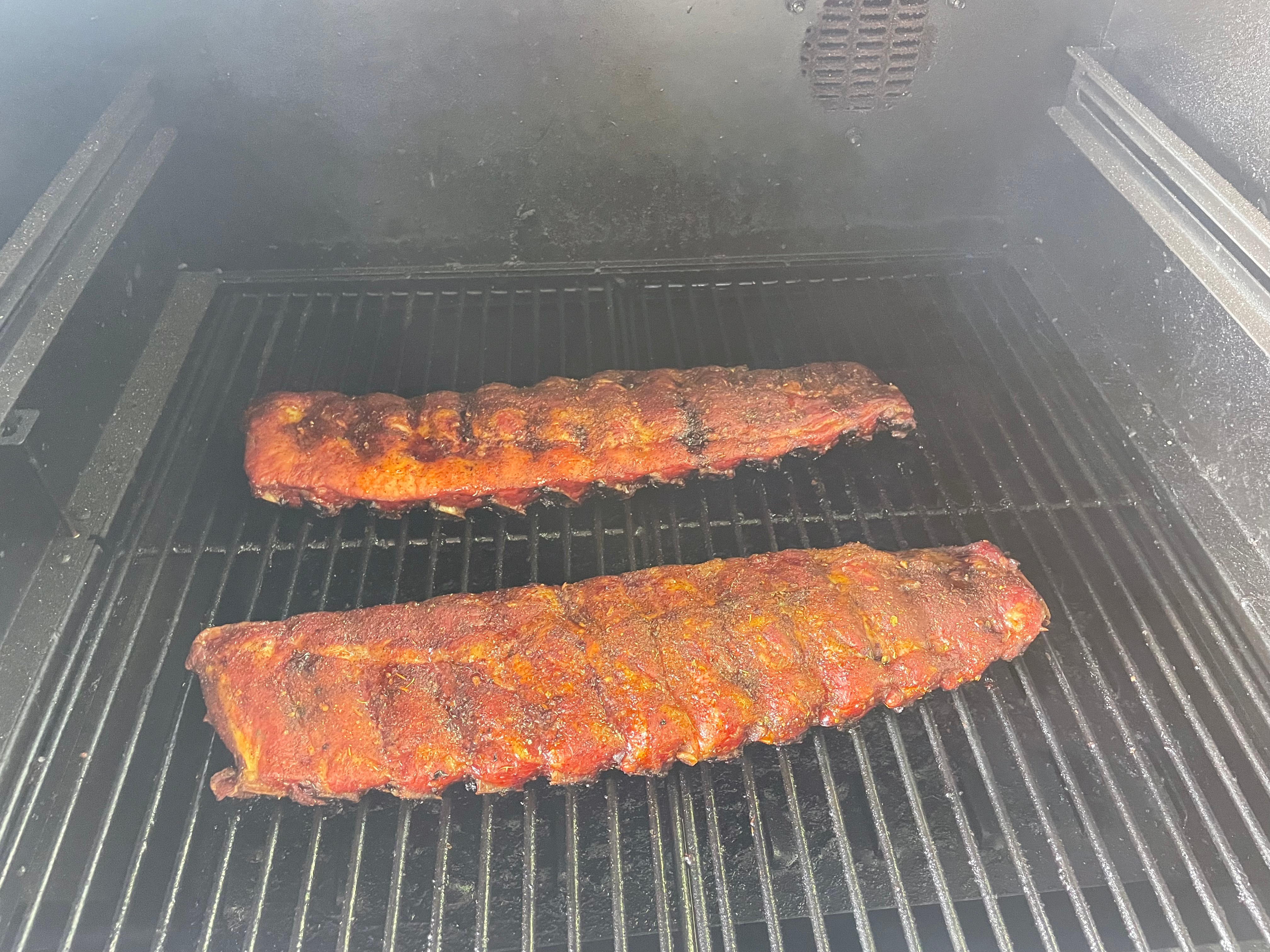
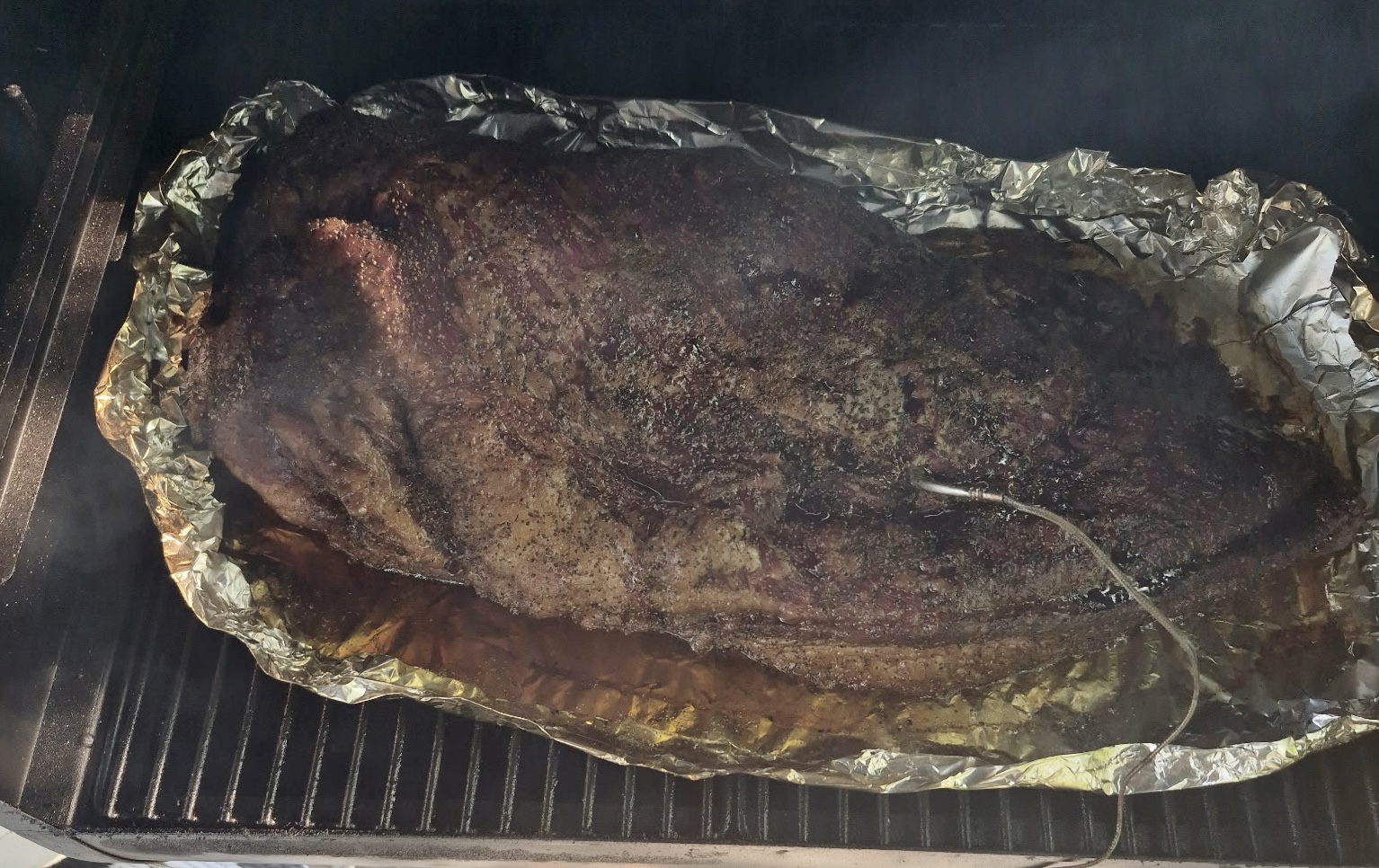
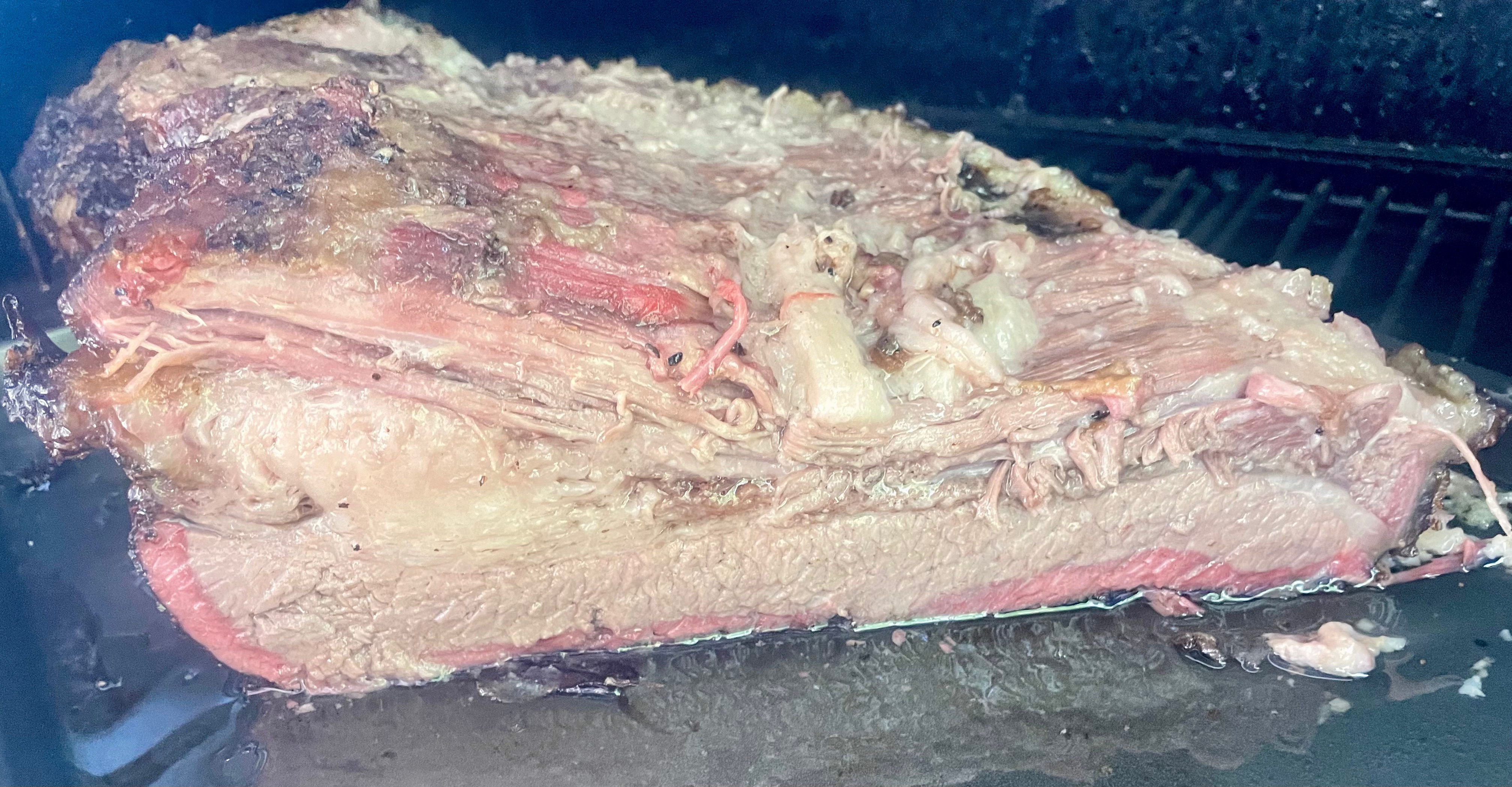
Birthdays were celebrated, briskets were smoked, and long, slow summer days reminded us how important community is on the road.


Fall Travels & New States

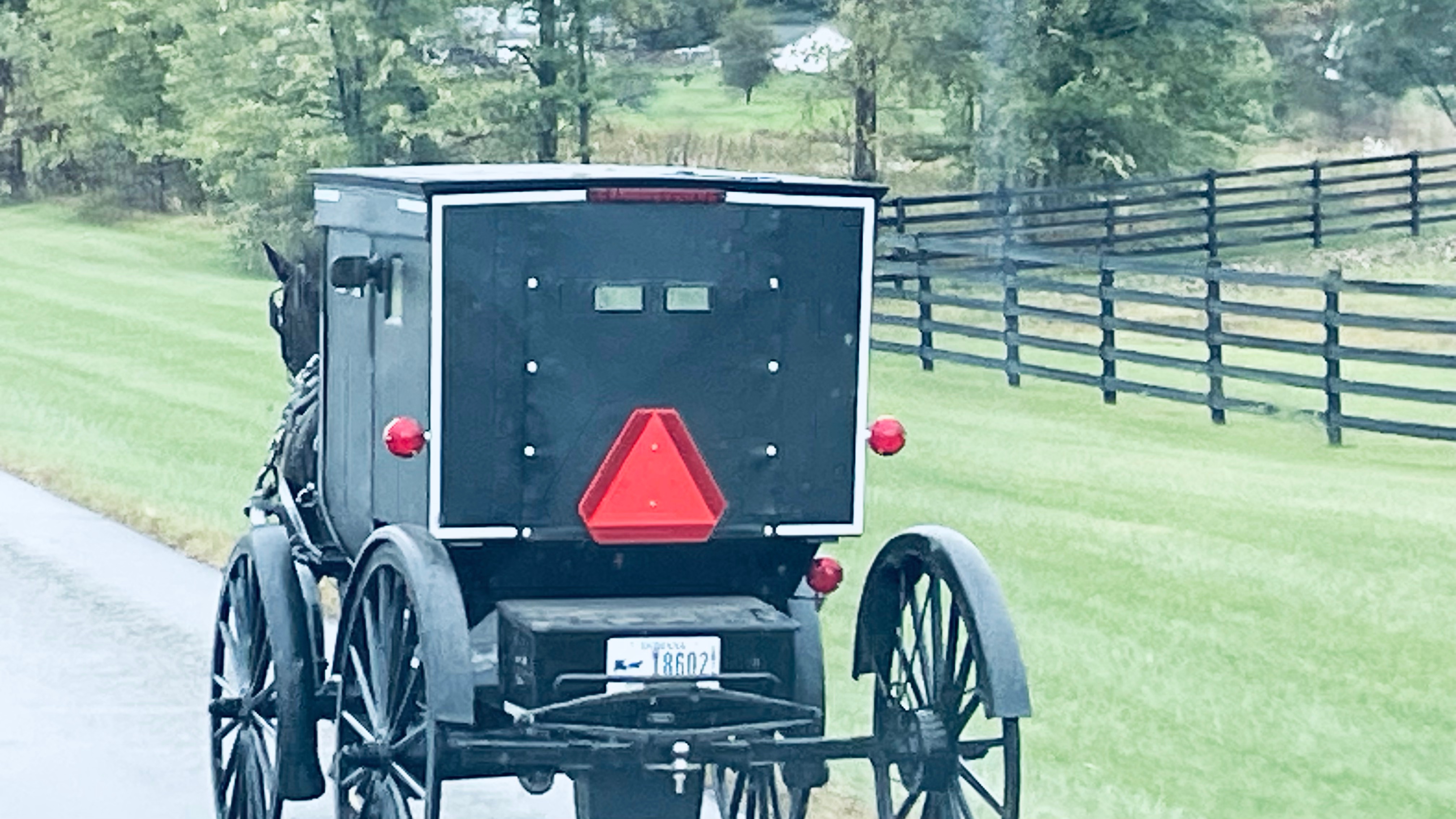
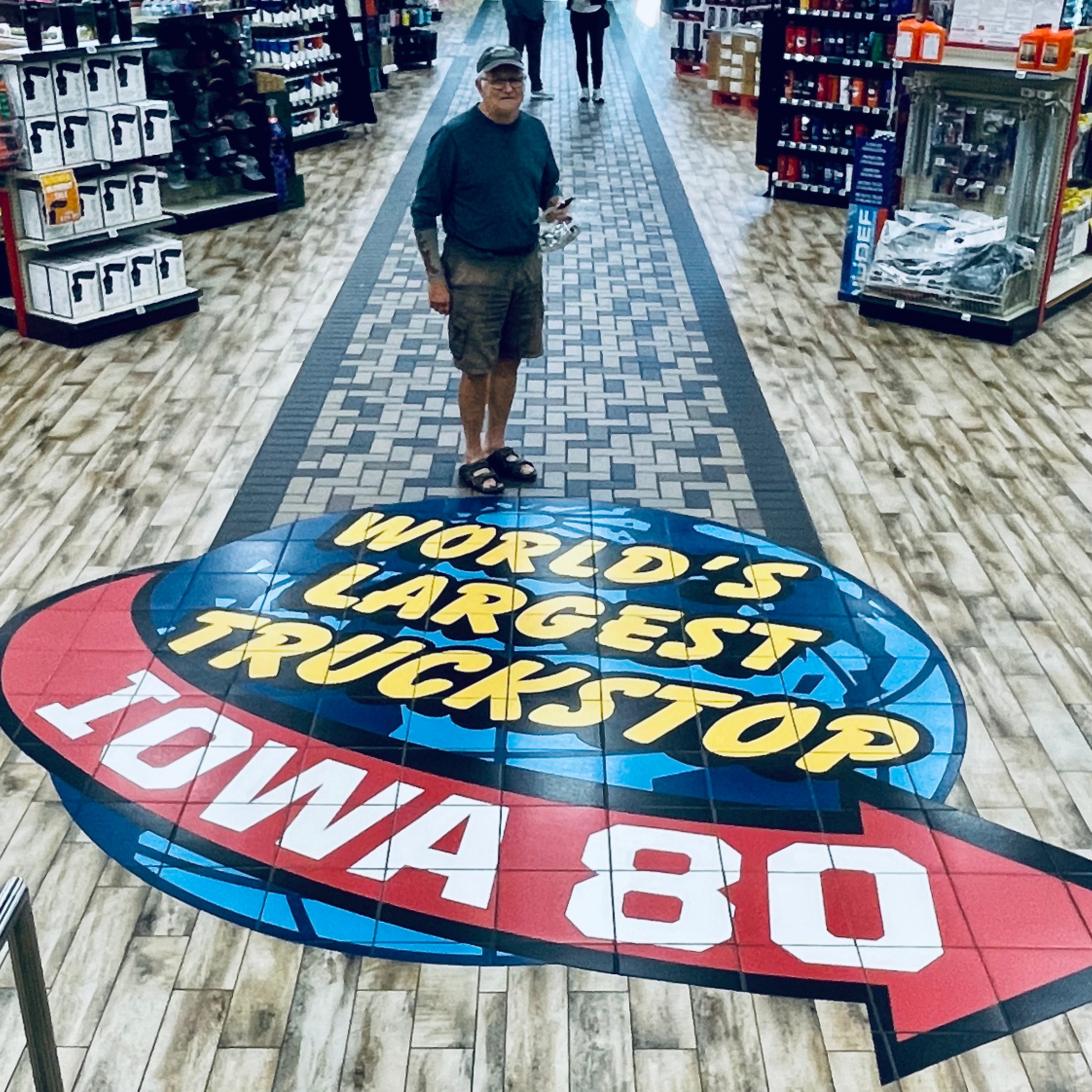
October arrived quickly, and with it, packing up and climbing Thunder out of the spring ruts — literally. From there, we headed west on a new northern route, adding four new states to our travel map:

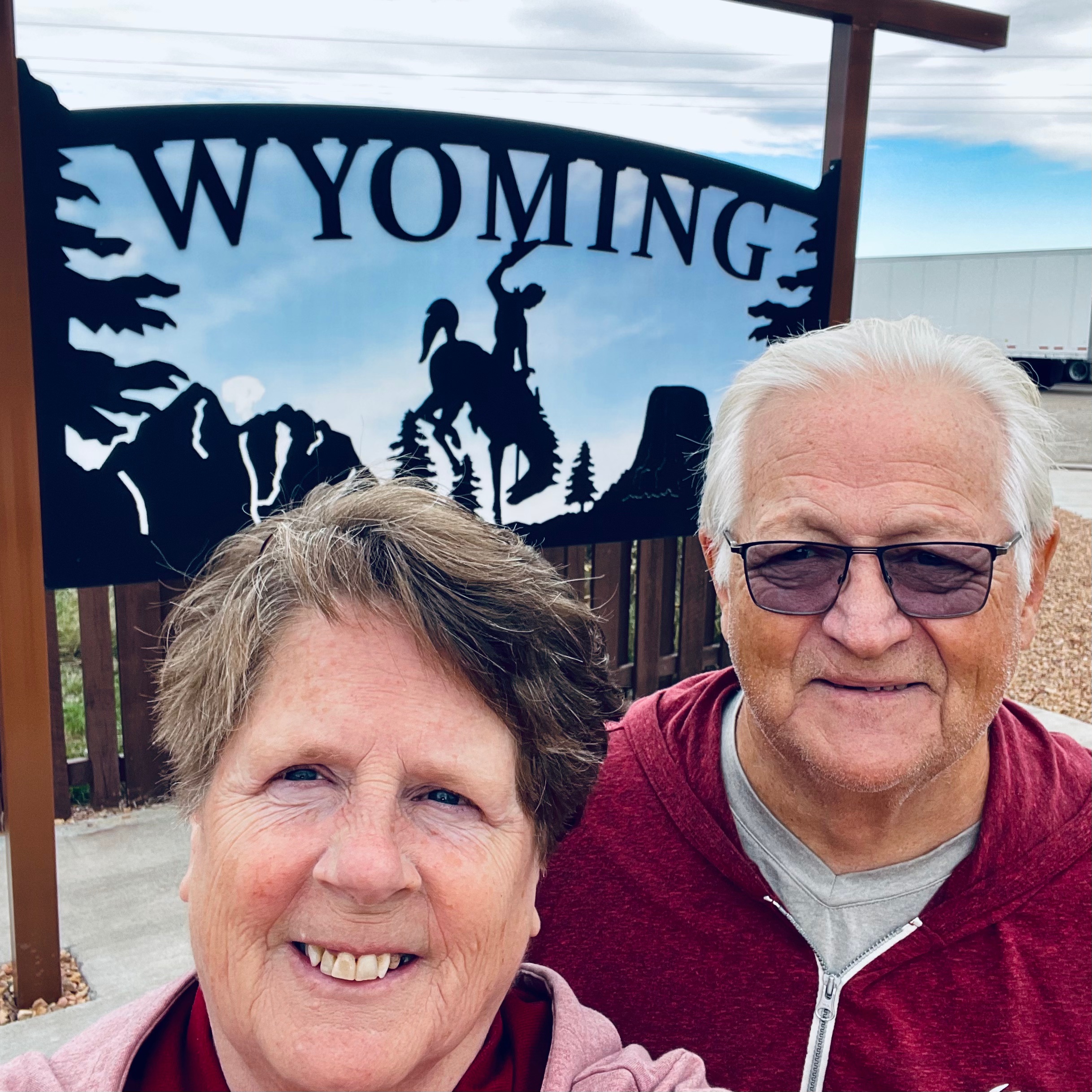
Nebraska • Wyoming • Colorado • Utah

Highlights included:

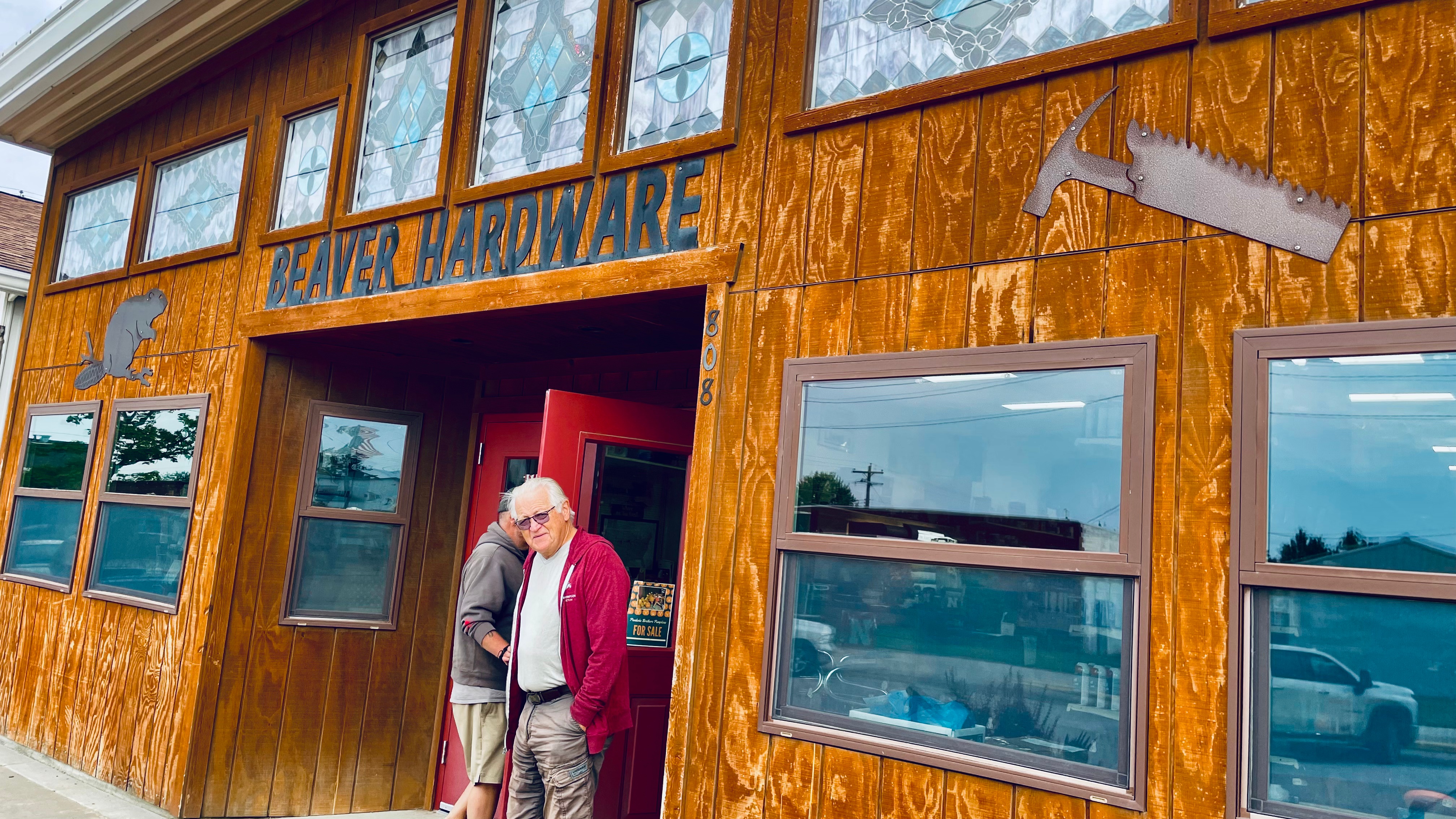
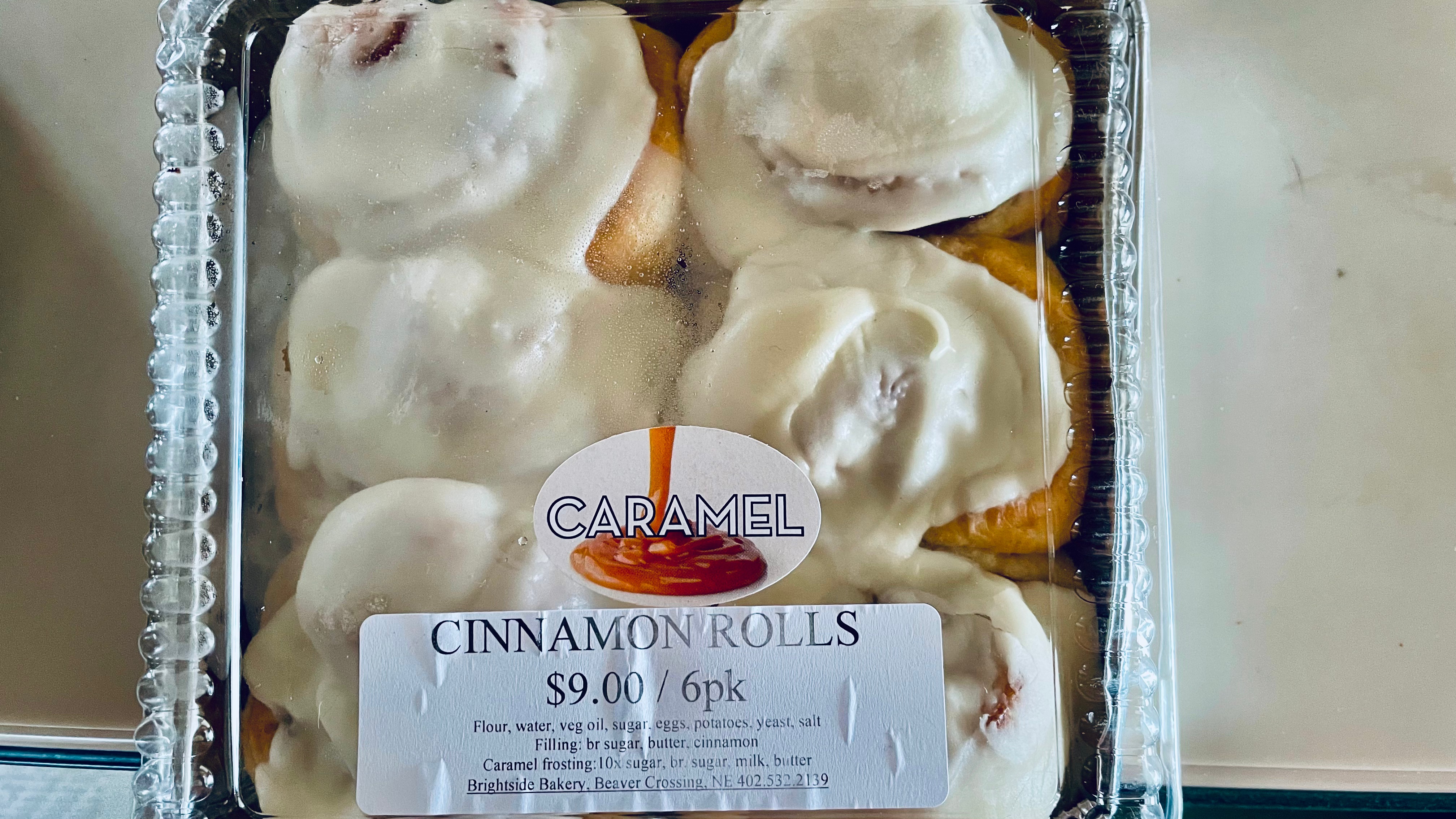
  • A charming $10/night city campground in Beaver Crossing, Nebraska
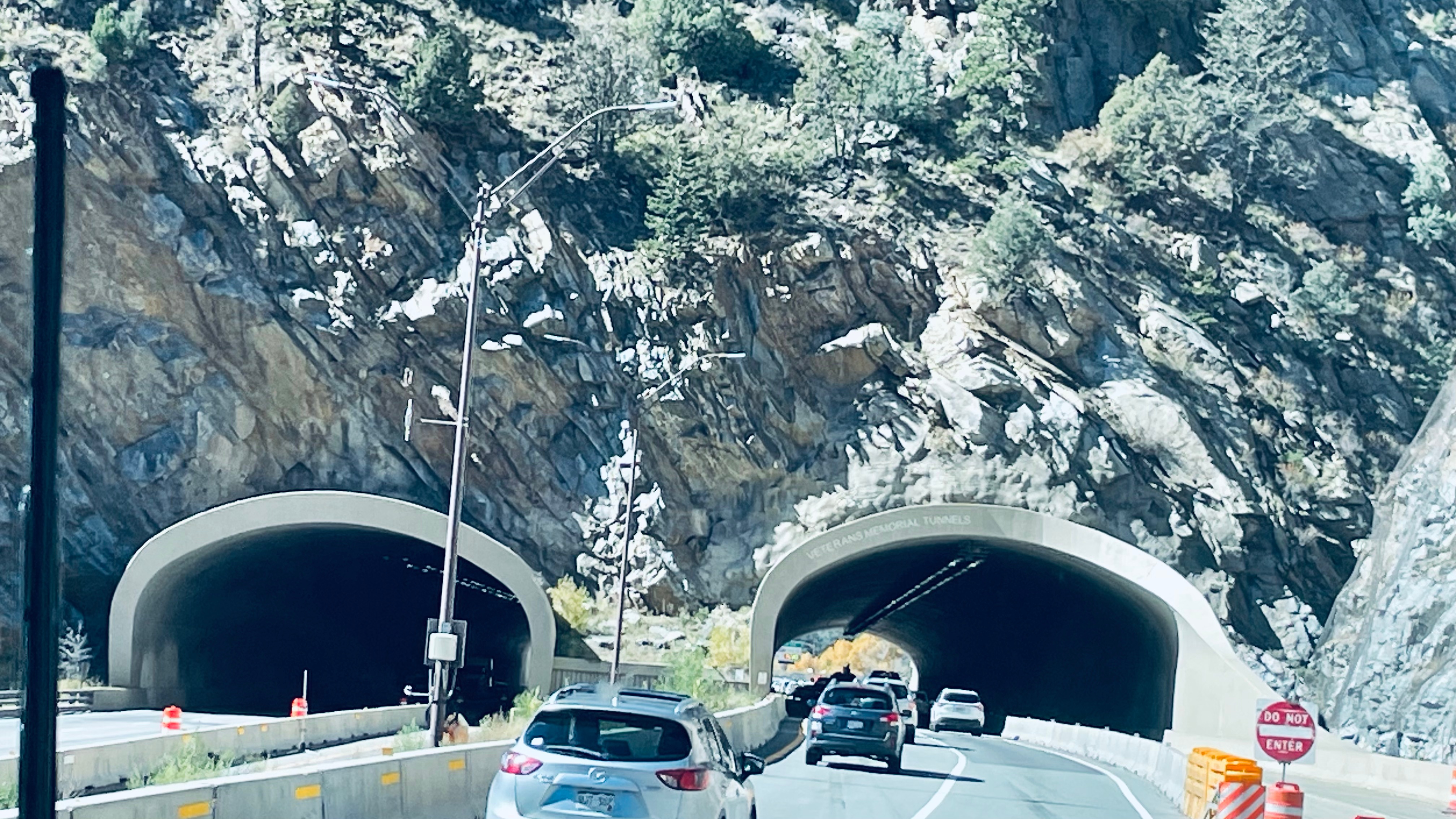
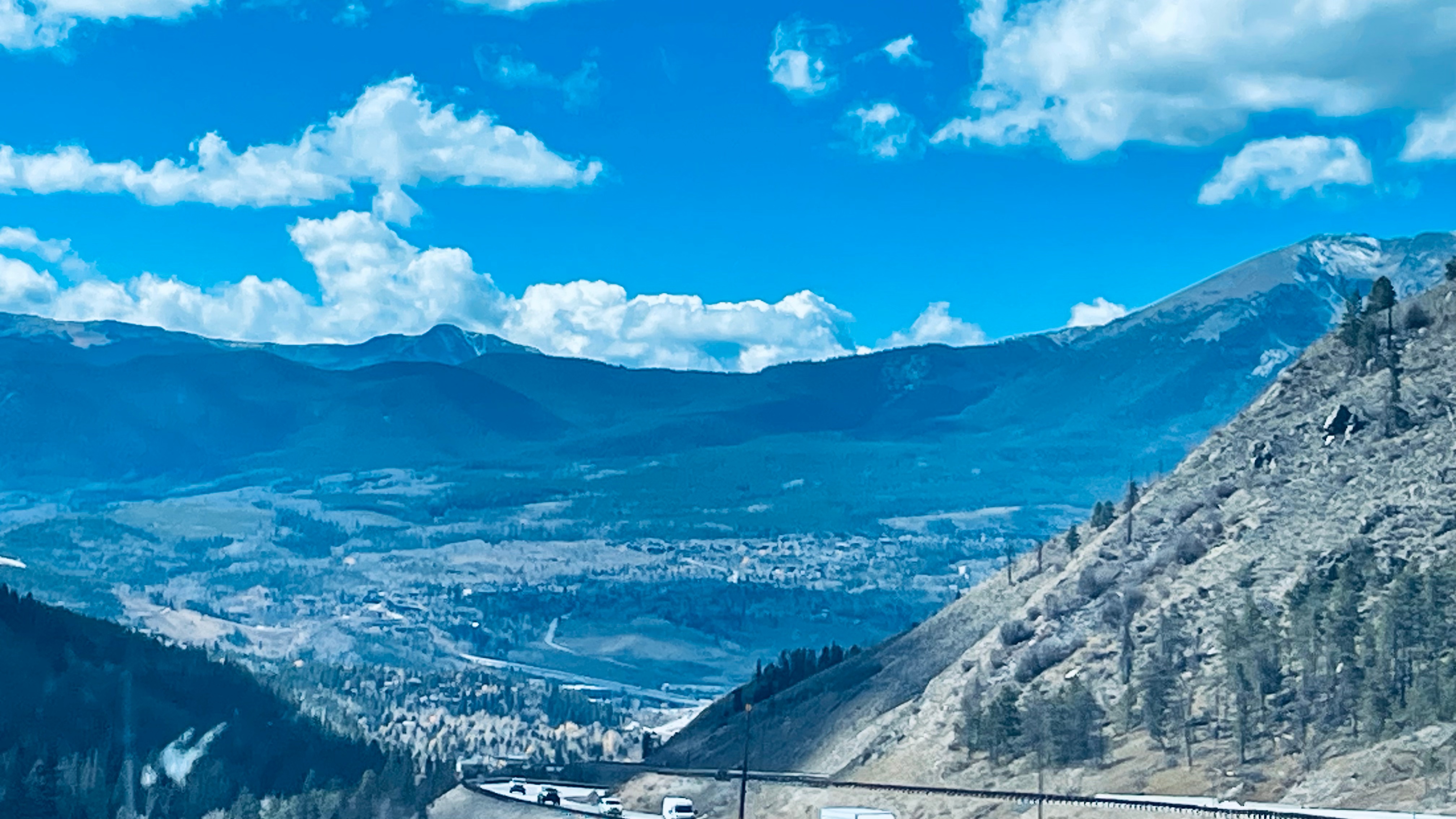
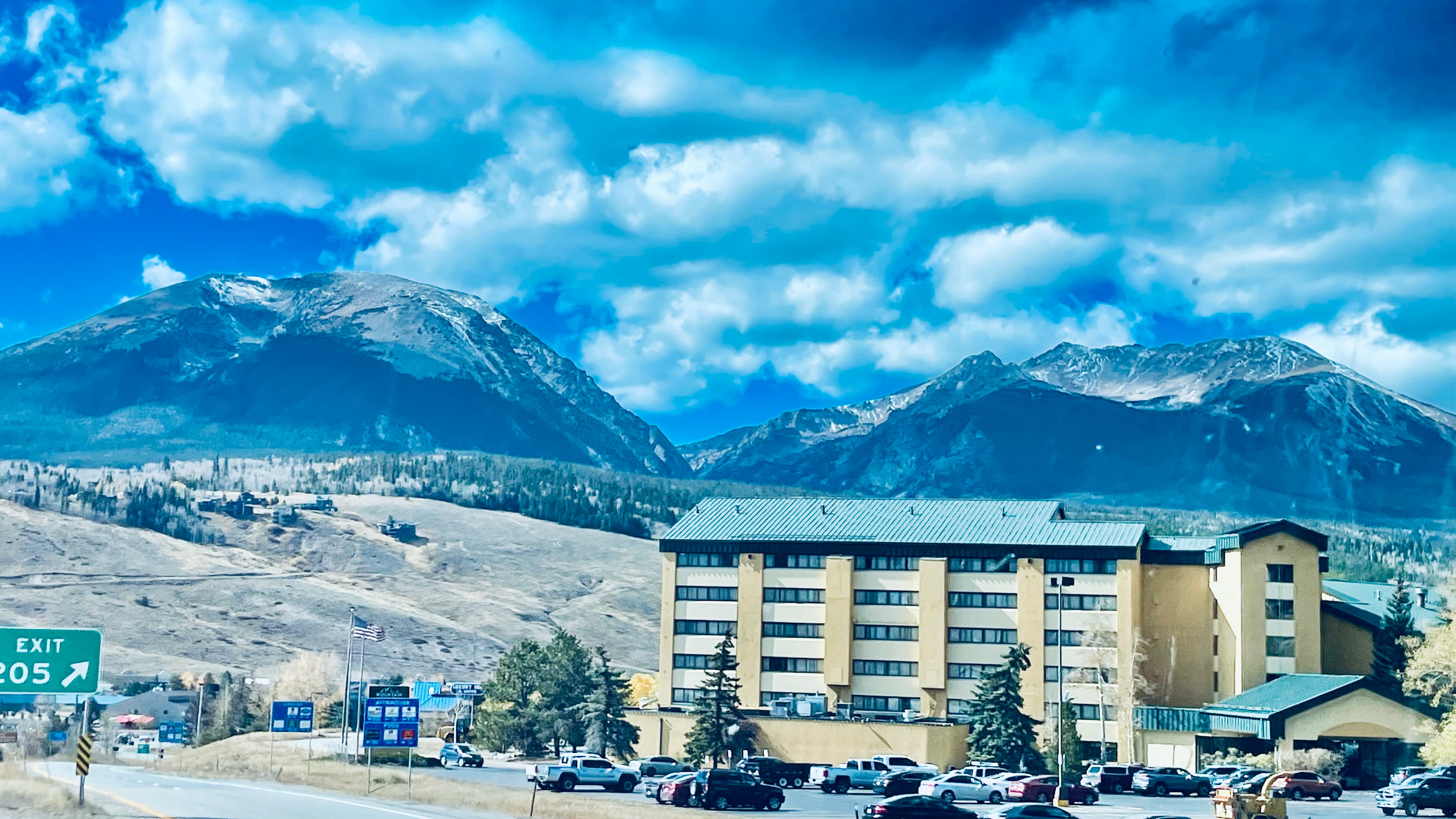
  • Climbing I-70 through the Rocky Mountains (with a bag of chips exploding from elevation)
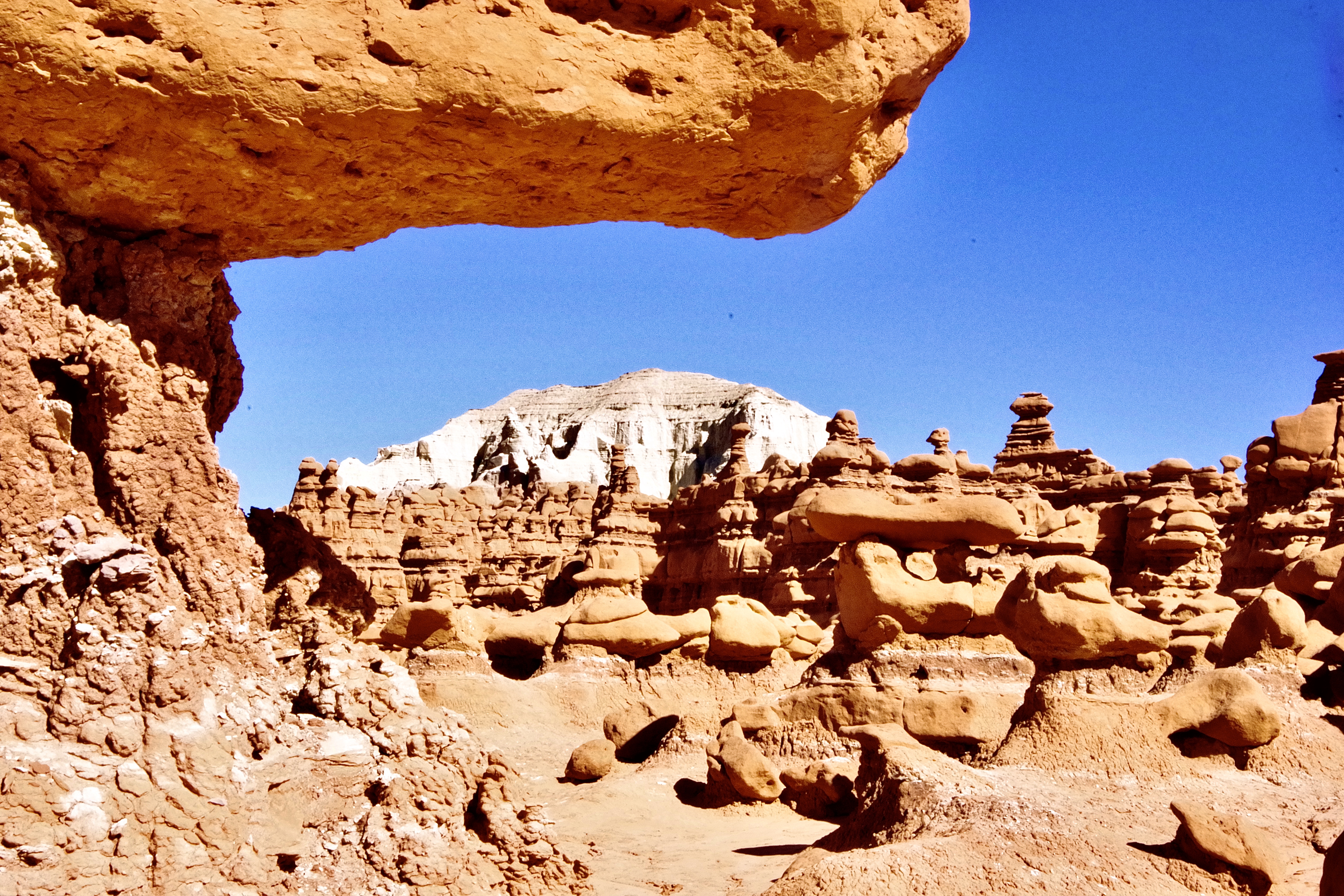
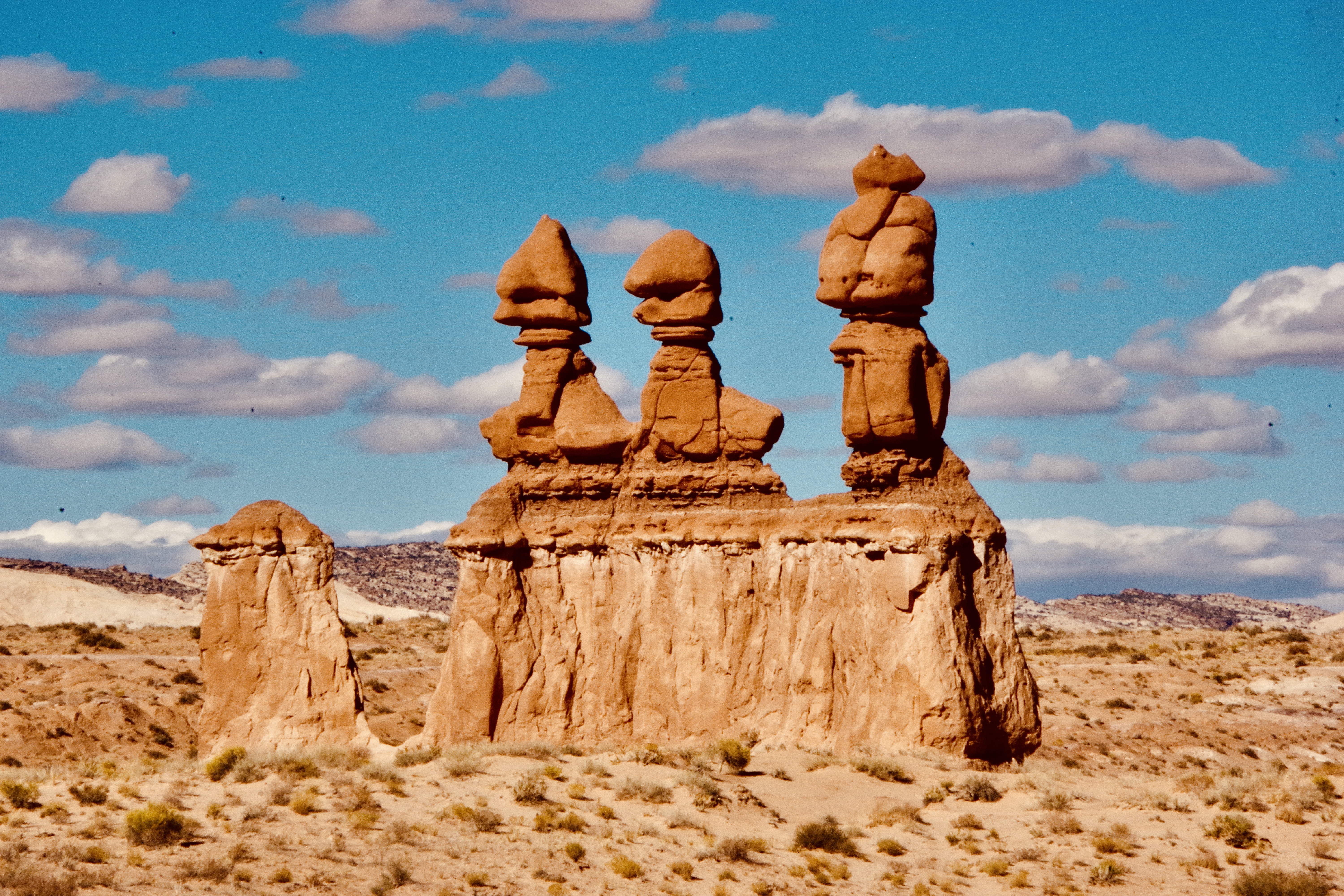
  • Six nights boondocking near Goblin Valley State Park
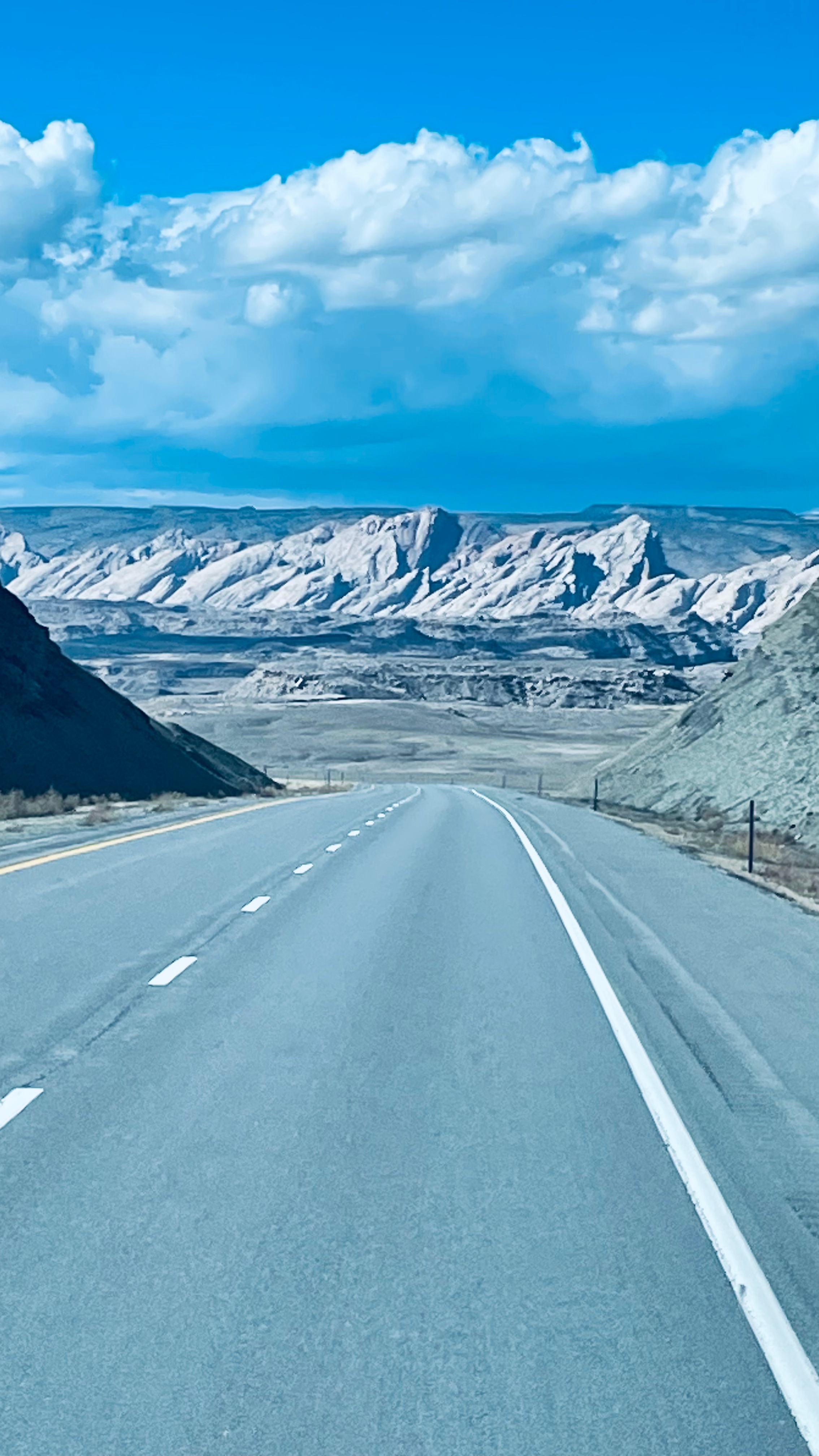
  • Exploring Lake Powell and quiet desert mesas

Each mile reminded us why we still love long travel days.


Vegas, the Border & an Unexpected Breakdown

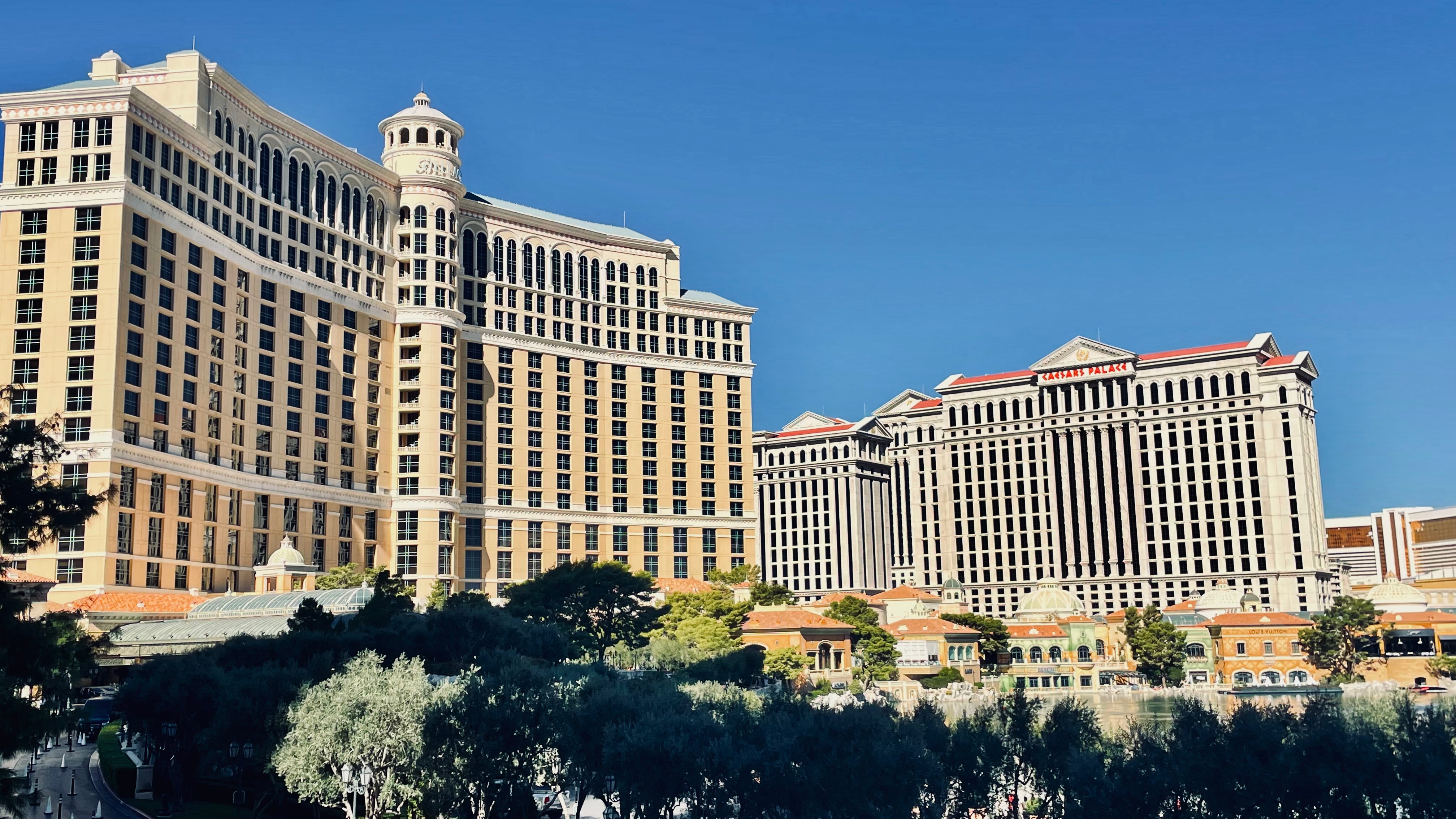
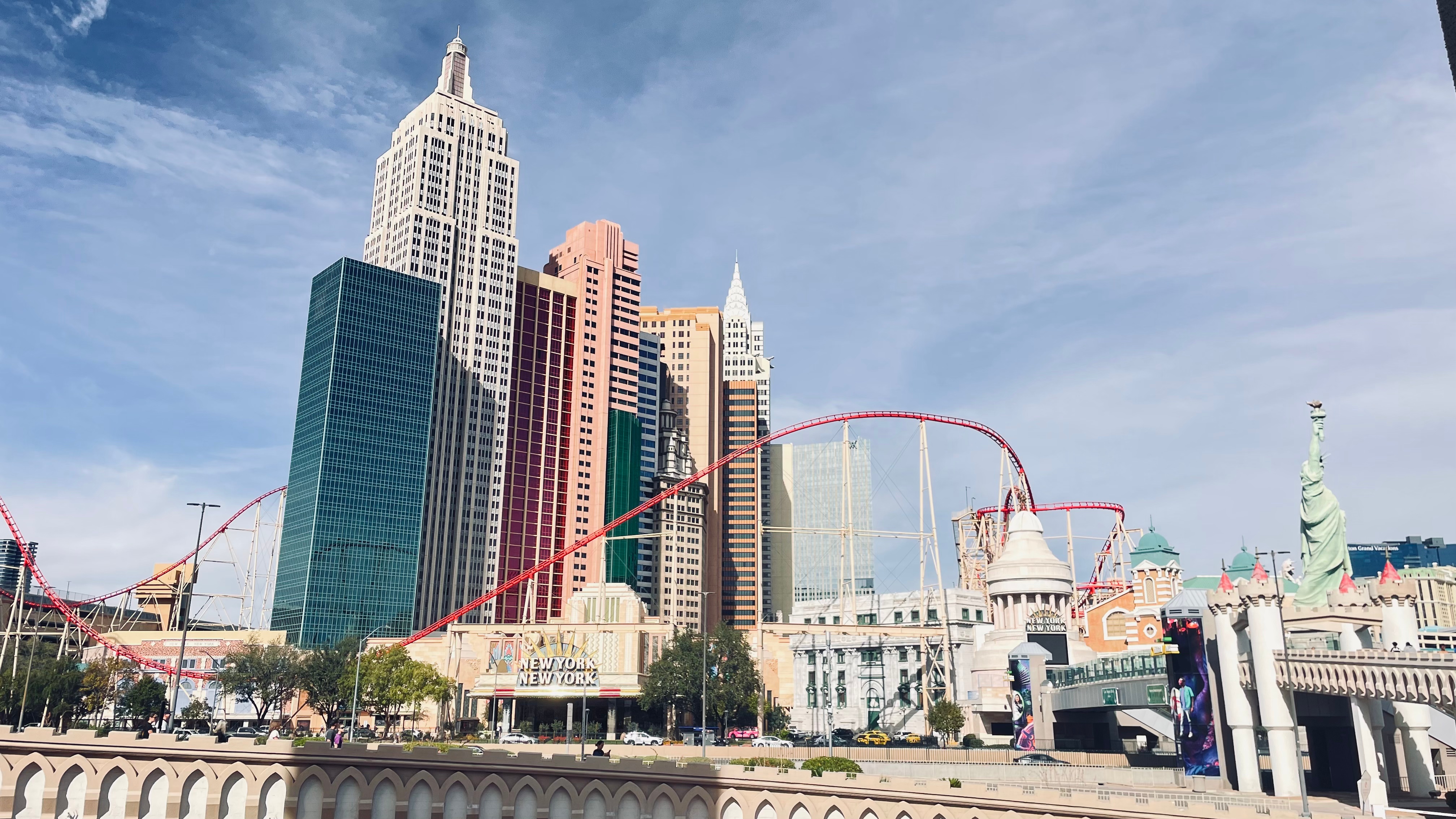
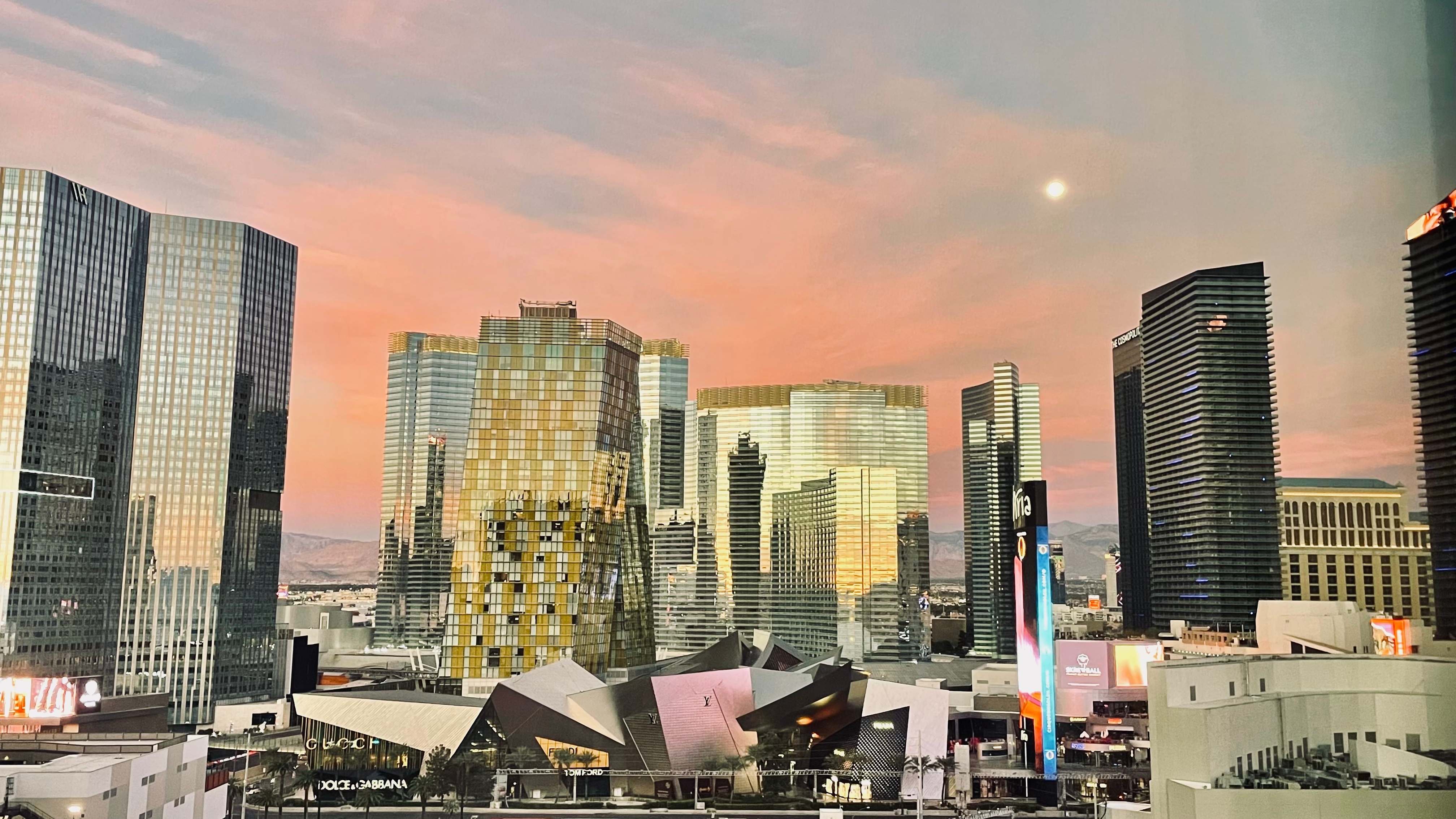
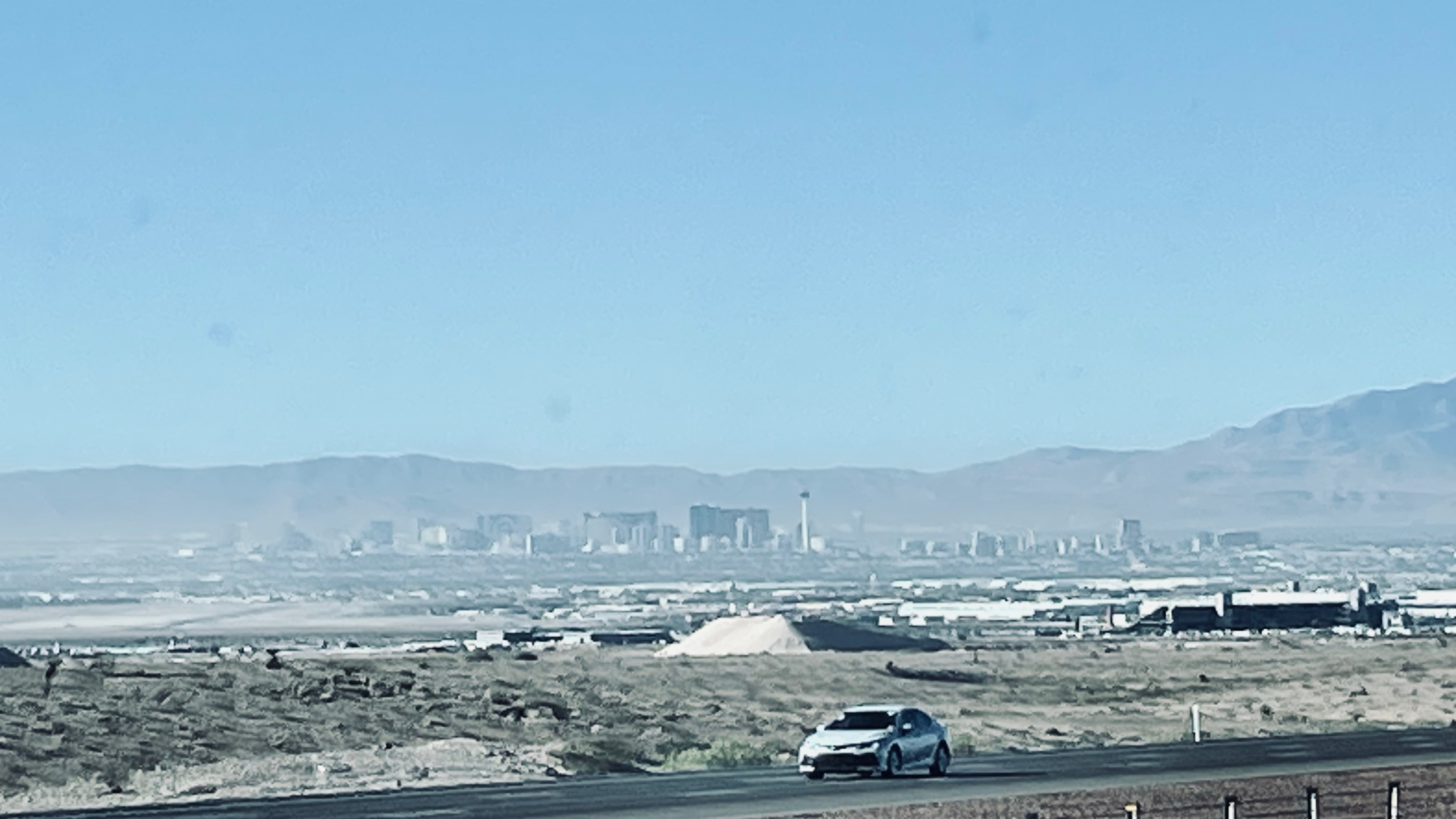
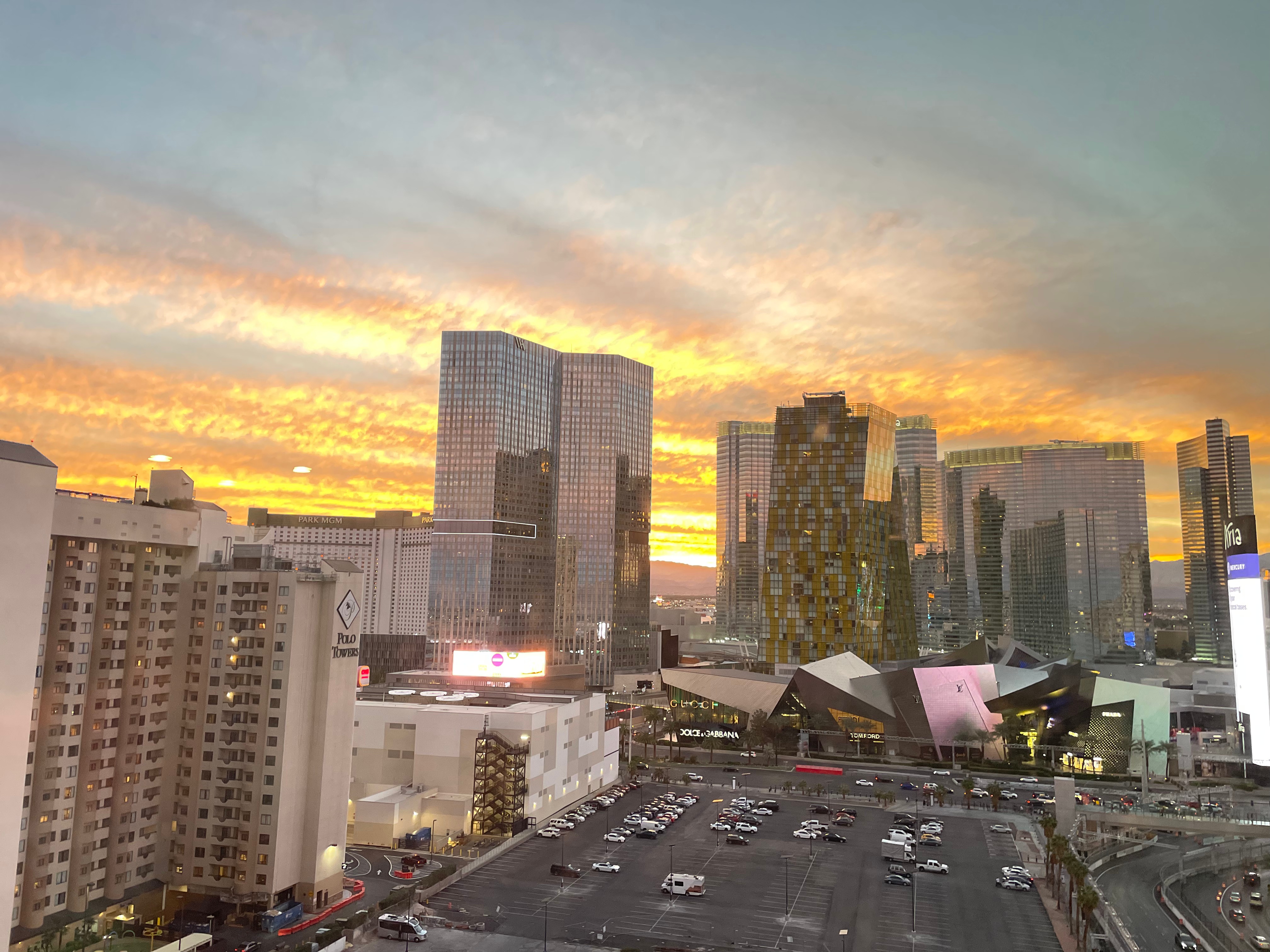
We paused in Las Vegas, splitting time between our time-share and keeping Thunder comfortable at the Elks Lodge — a perfect solution for us and Mister Sam.

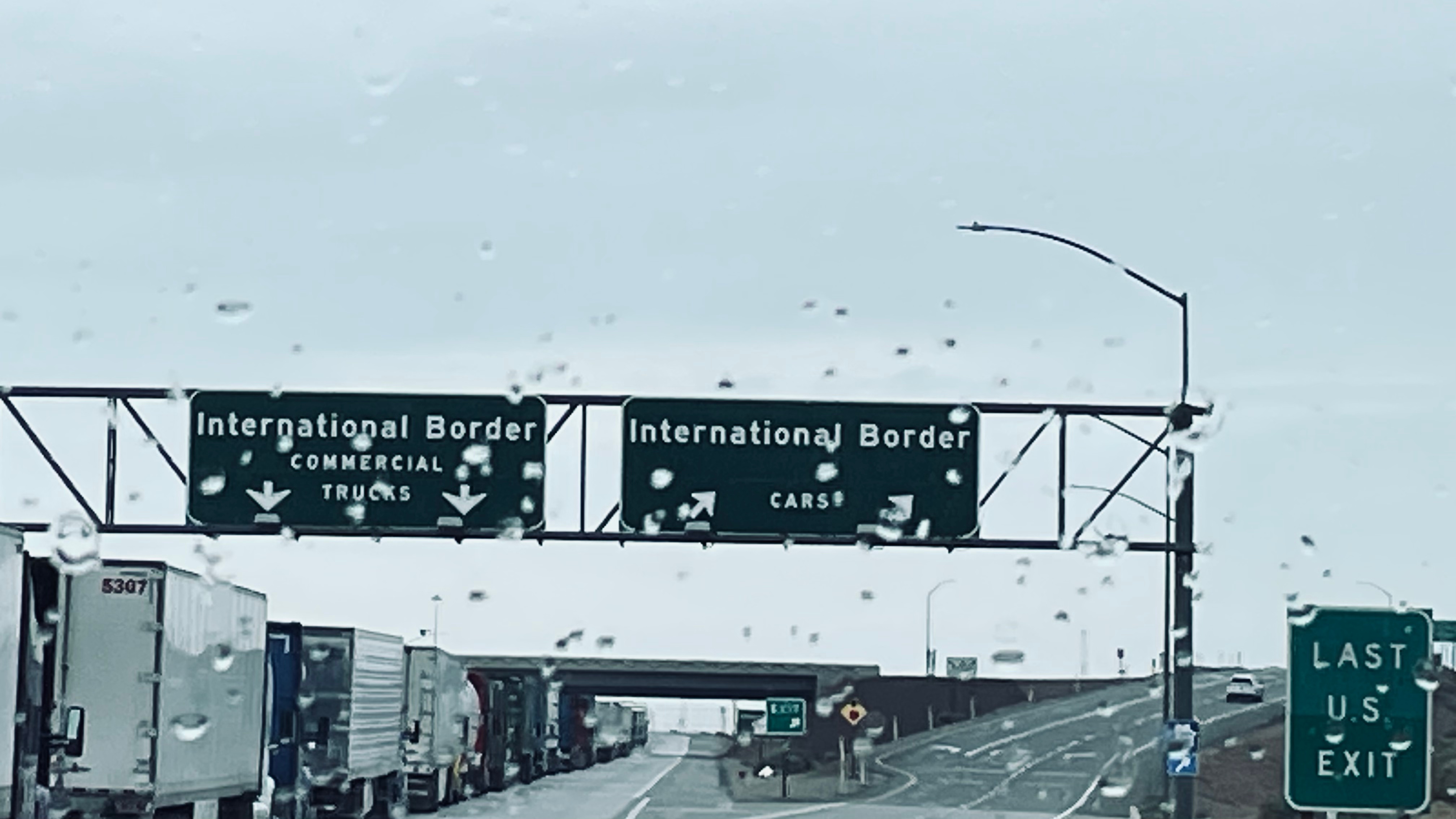
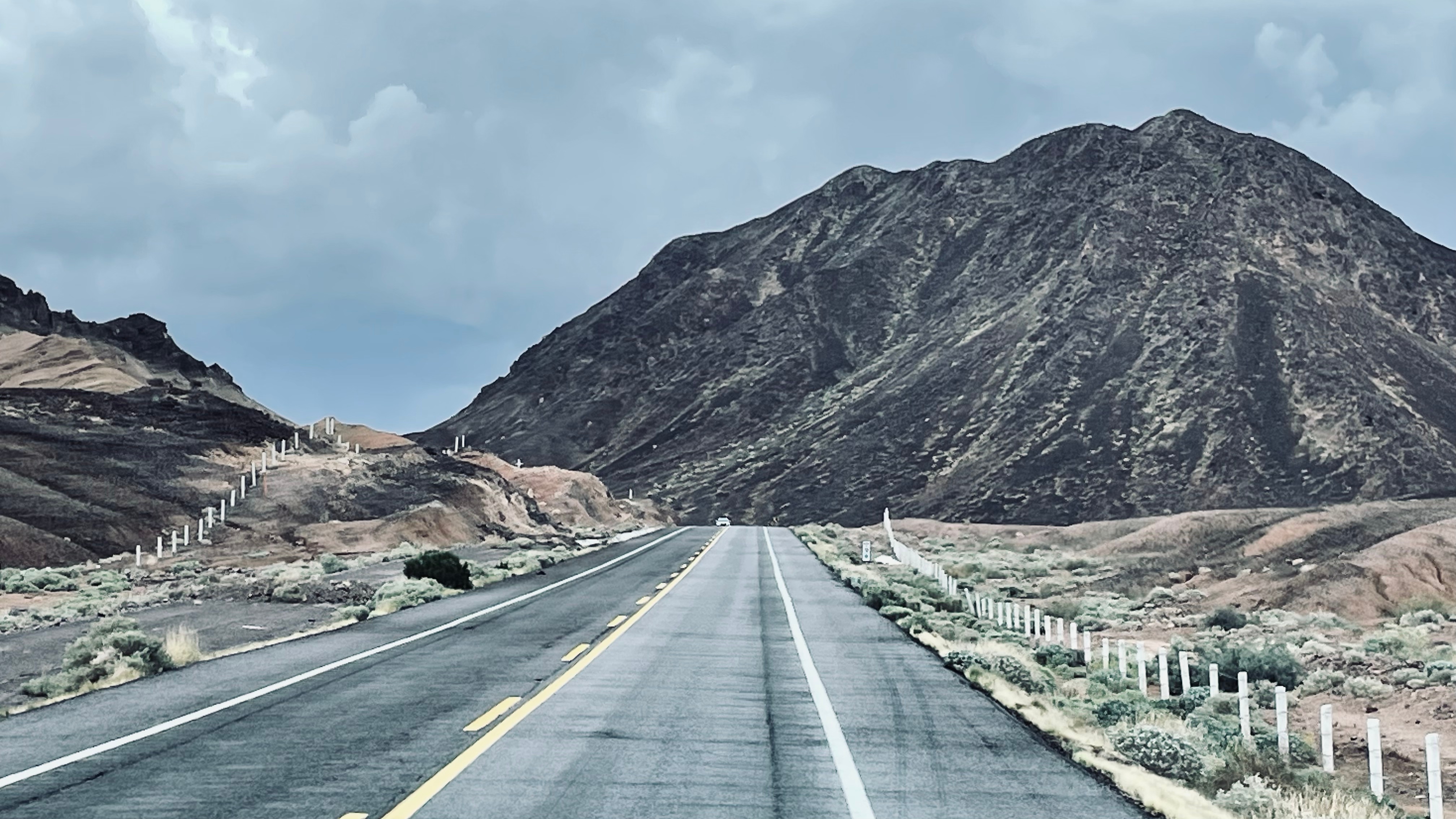
Mid-November, we headed south toward Mexico. The border crossing at Mexicali was smooth… until one mile later, when a torque rod failed. With no good options, we strapped it up and carefully drove 185 kilometers south to San Felipe.

Sometimes the only option is forward.


Wintering in Mexico

We’re now settled at El Dorado Ranch Resort in San Felipe, Mexico, where life has slowed to a gentler pace.

Our days include:

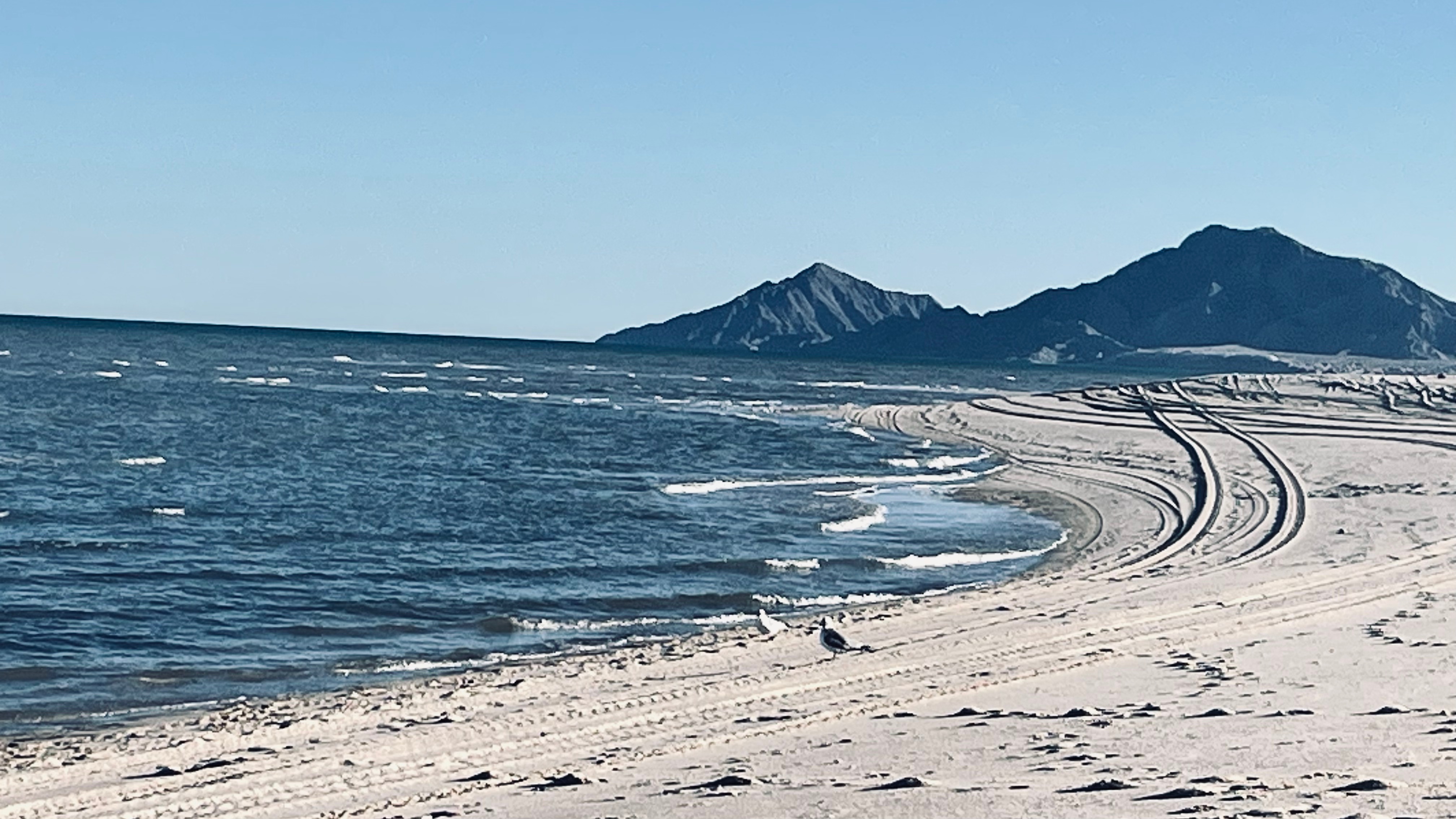
  • Quiet mornings on an empty sand beach
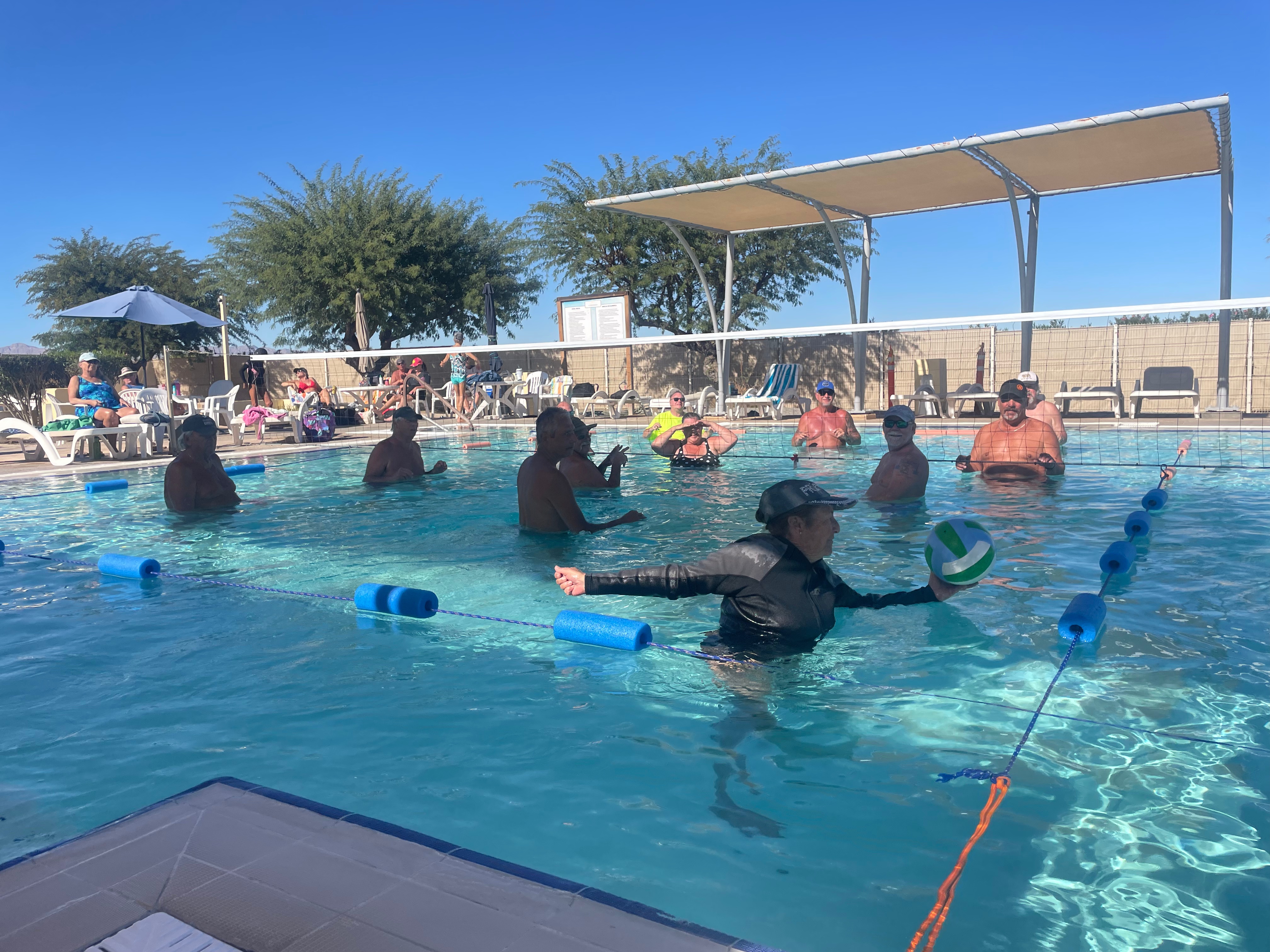
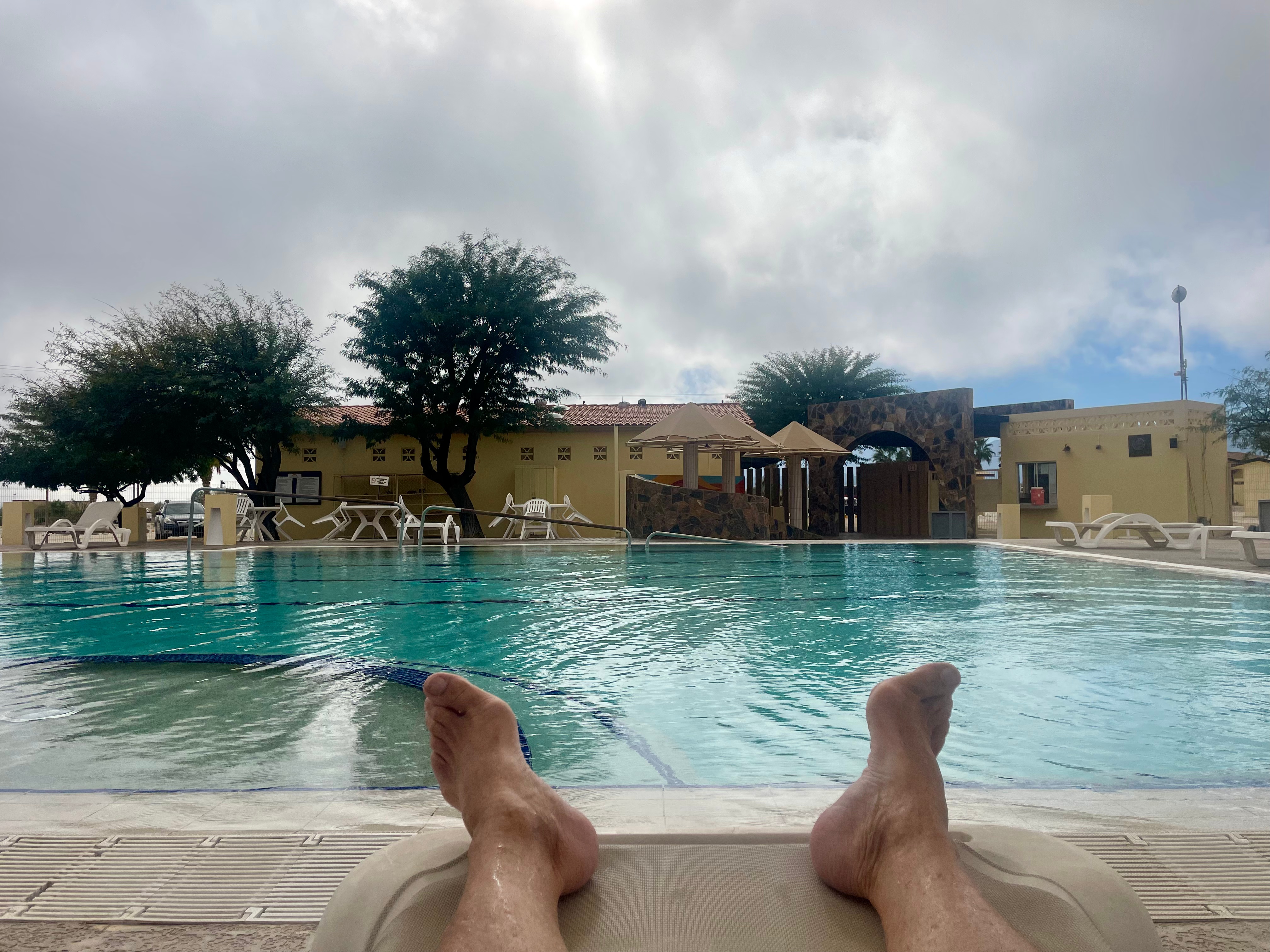
  • Pool time, hot tubs, and water volleyball
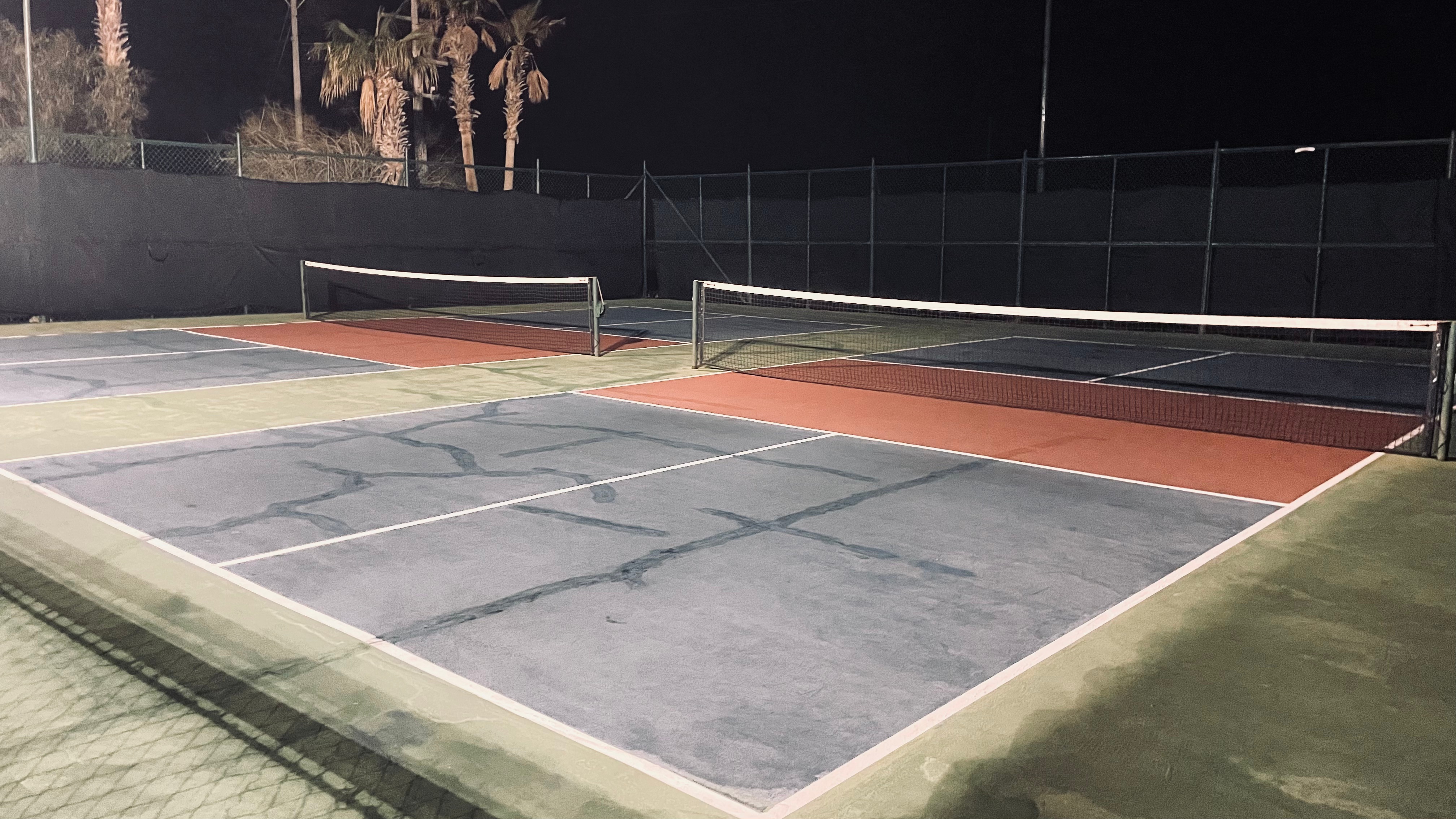
  • Pickleball lessons for Miss Laurie
  • Cornhole games and fresh shrimp on the grill

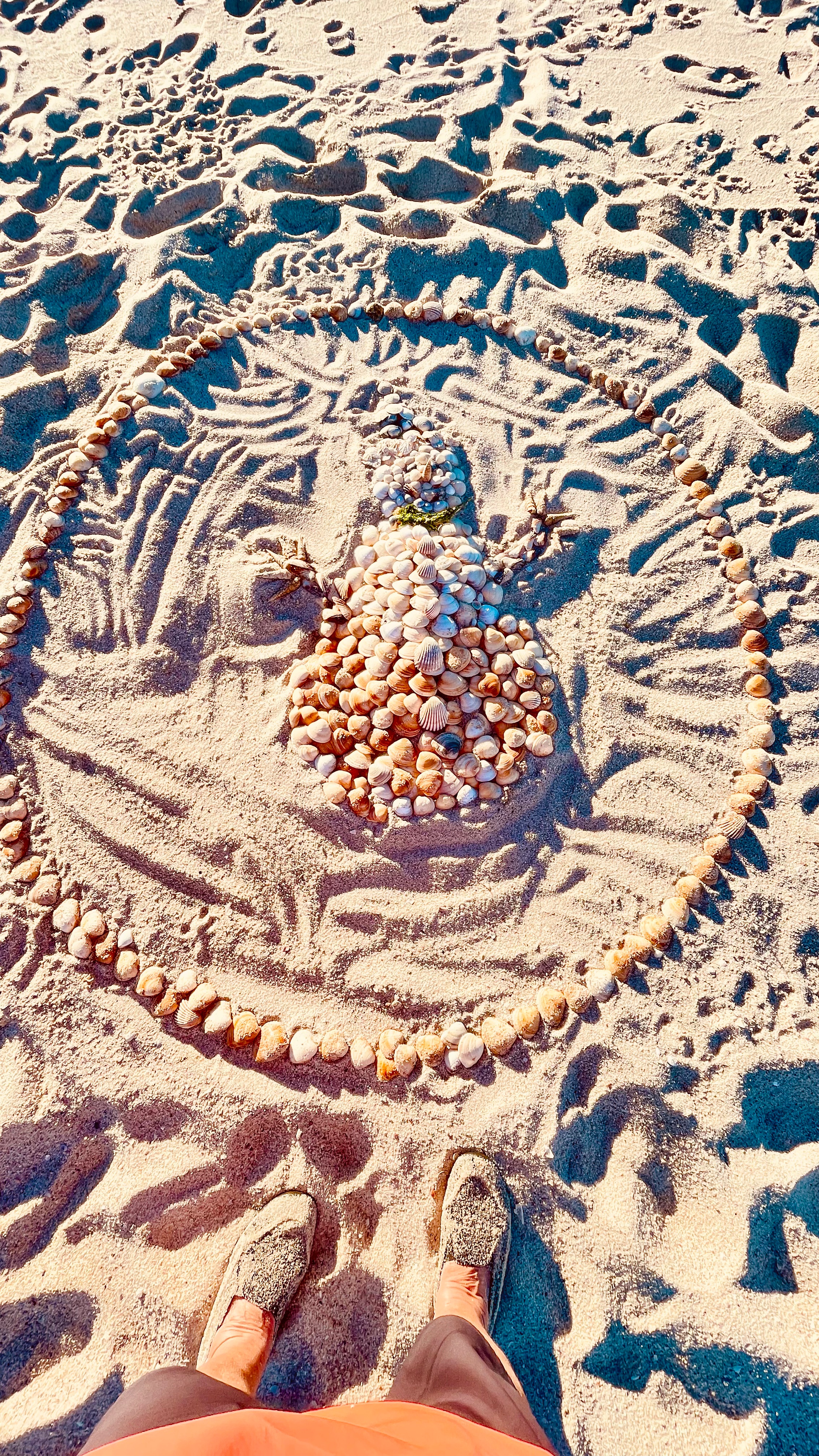
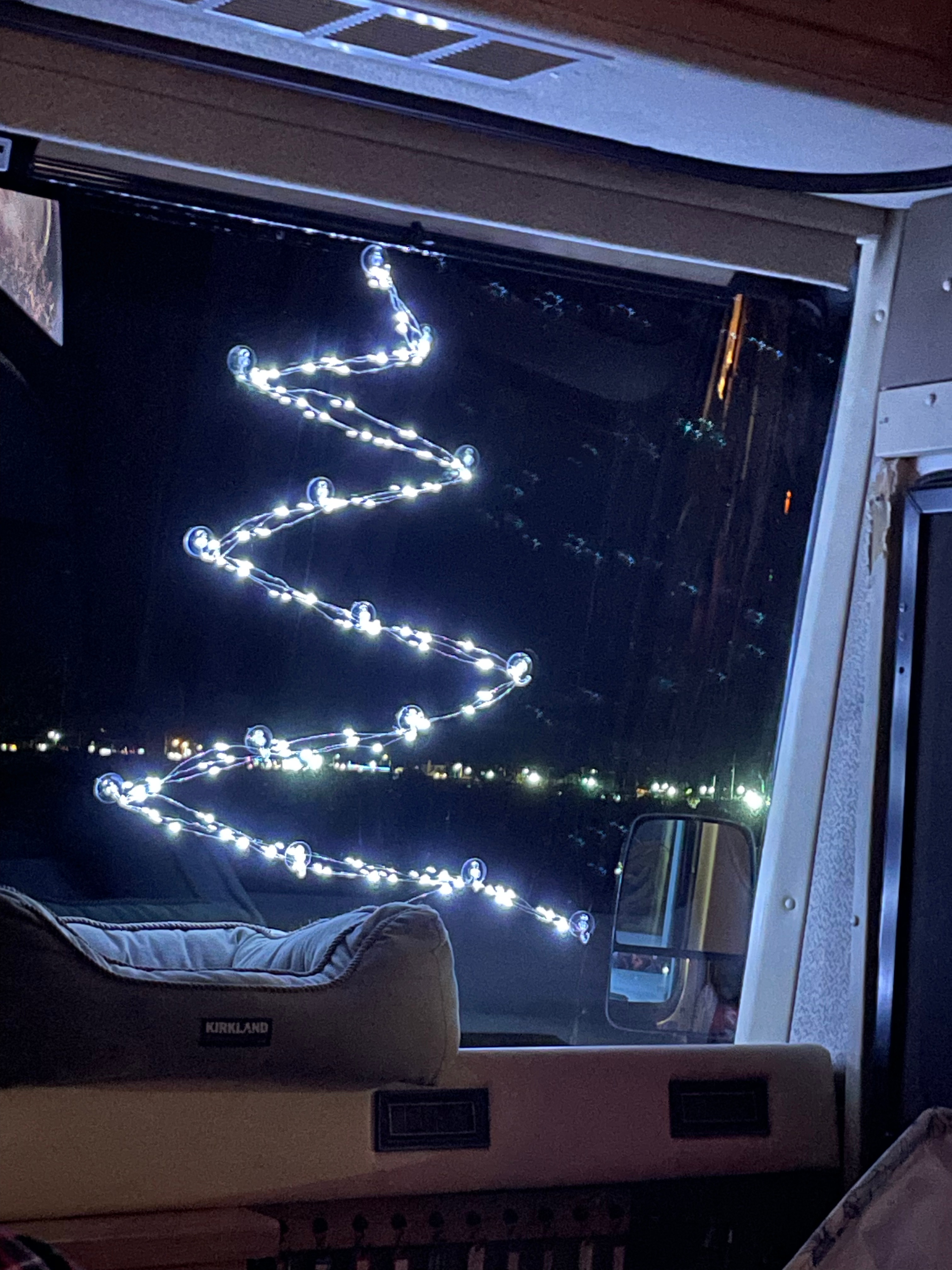
While we’re still finding our social rhythm here, everyone has been welcoming and kind. Christmas was spent mostly on the beach — different, but just right for this season of life.


Looking Back at 2025

As the year comes to a close, we’re reminded that this lifestyle isn’t about perfect plans. It’s about adaptability, community, and finding joy in the in-between moments — even when something breaks, a route changes, or time moves faster than expected.

2025 gave us new states, old friends, challenges overcome, and a deeper appreciation for the road ahead.

And somehow, it still feels like we’re just getting started.

Day 3009